Chief Rabbi backs month-long bid to raise awareness of Jewish genetic disorders
Jnetics charity launches 'Geneuary' initiative and urges members of the community to get screened
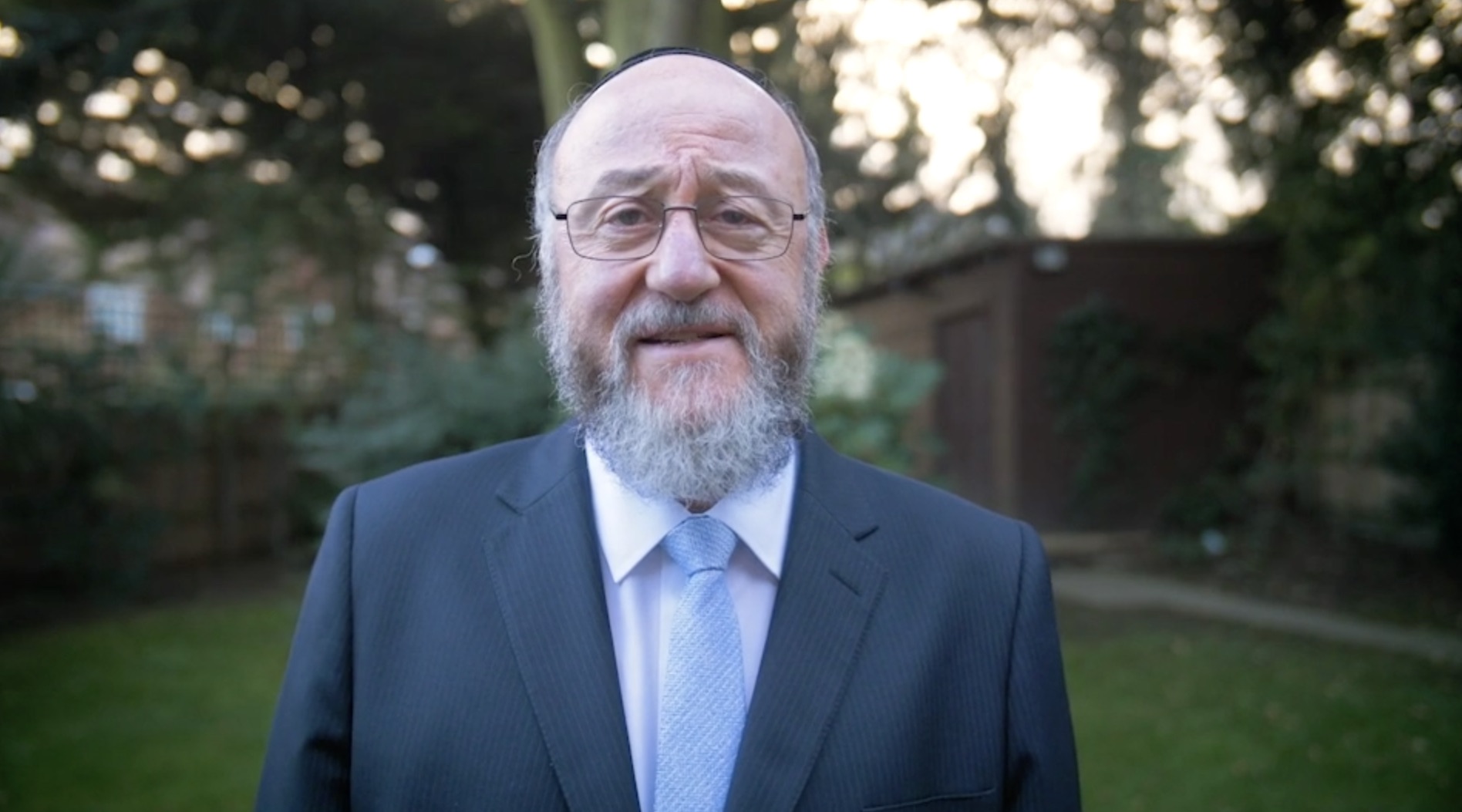
The Chief Rabbi has given his backing to a month-long campaign to raise awareness about screening for Jewish genetic disorders (JGDs) which launched on Monday.
One in five Jews of Ashkenazi origin are thought to be healthy carriers of a severe recessive JGD, said UK-based charity Jnetics, and carrier screening identifies those at risk of passing one or more of these disorders on to their future children.
Chief Rabbi Ephraim Mirvis said: “Thanks to Jnetics we are capable of eradicating JGD’s from our community. More than 3,000 people have been tested since screening started. It sounds like a big number, but it is far less than it should be. He further urged all young Jewish adults to get tested.
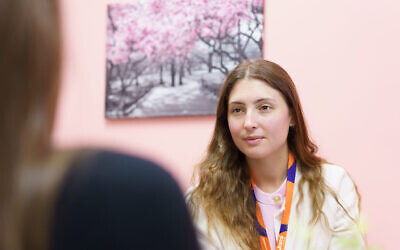
Jnetics chief executive Nicole Gordon said the ‘Geneuary’ campaign was to “raise awareness of recessive JGDs, the importance of carrier screening in their prevention, and the screening service we offer via the Jnetics Clinic”.
JGDs can have a devastating effect on the lives of both the child and parents. “Carrier couples” who are aware of their status prior to conceiving are given a range of options to help reduce the risk of passing one of the disorders on.



Screening is subsidised, run in partnership with the NHS, and is being offered at a further 20 percent reduced price this month, to encourage people to get screened.
Jnetics aims to screen as many young Jewish adults as possible through its GENEius programme in schools and universities, with clinics targeted at young couples. Since June, its screening offering has become totally virtual.
JGDs are disorders that are more common in Jews relative to the general population and Jnetics currently focuses on nine of the most common and severe.
“They can either be fatal in childhood or cause chronic disability and shortened lifespan,” said Aviva Lewis, Jnetics’ research and development manager.
“Tay Sachs is the most widely known, but there are others that are just as severe, that can have a devastating impact on a family. With screening widely available there is absolutely no reason why a couple should have to endure the pain of their child being born with life threatening or life shortening genetic illness.”
Gordon added: “In times of such uncertainty so much is out of our control, but eradicating JGDs from our community is not.”

Keep community journalism free.
Jewish News is free for everyone. No paywall. No barriers. Just trusted journalism for anyone who wants to stay connected to Jewish life in Britain.
If you value that, please support us.
From as little as £5 a month, you can help keep our journalism free and accessible to all.
Every day, we report on the issues that matter to our community. We celebrate achievements, support charities, challenge antisemitism and ensure Jewish voices are heard more widely.
From as little as £5 a month, you can help us continue to:
- Report on the stories shaping Jewish life in the UK and beyond
- Bring our community together through shared stories, events and campaigns
- Celebrate the people, culture and moments that define our community
- Support organisations doing vital work across Jewish Britain
You can make a one-off donation or become a regular supporter. Every contribution helps keep our journalism free, independent and accessible to all.
If everyone who values Jewish News gave a small amount, it would make a real difference to our future.