
 Prefer Jewish News on Google
Giant star shares his New York soundtrack
While starring on Broadway, actor Elliot Levey has compiled a musical map of Manhattan featuring Jewish legends, iconic songs and the stories behind them
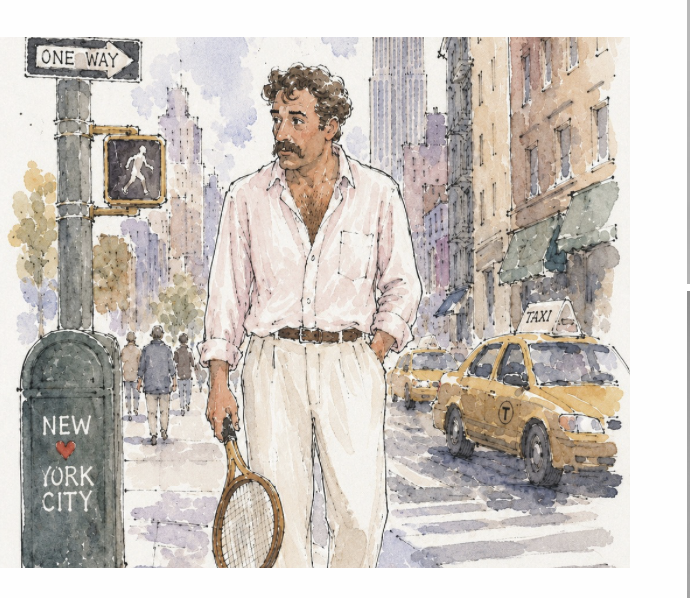
Okay. For this article to work, I’m going to need you to play along with me. I mean literally play along with me. I don’t know how you listen to music these days. Spotify? iTunes? YouTube? Record player? MiniDisc?! Whatever your source, dust it down, plug it in, log on and listen up.
I’ve been living in Manhattan since February. I’m in a show called Giant. It’s about Roald Dahl and his antisemitism and it gives me great pleasure to tell you that I’m not going to talk about it here at all.
With days full of reports of antisemitism back at home, and nights spent listening to some pretty toxic stuff on stage, I’ve had my fill. I’m done. I’m here to tell you about my break. My breather. My retreat from all the hate. What is this respite? Music. Where is this respite? My commute. It has become my detoxification time. A walking sanctuary.
Trouble is, I only live a few blocks from the theater (sorry, theatre). But it’s enough. These streets are birthplace to some of the greatest music known to mankind. And the fact that some of it is Jewish and reminds
me of Jews in happier, more confident times, may be part of its power to remedy my Broadway blues.
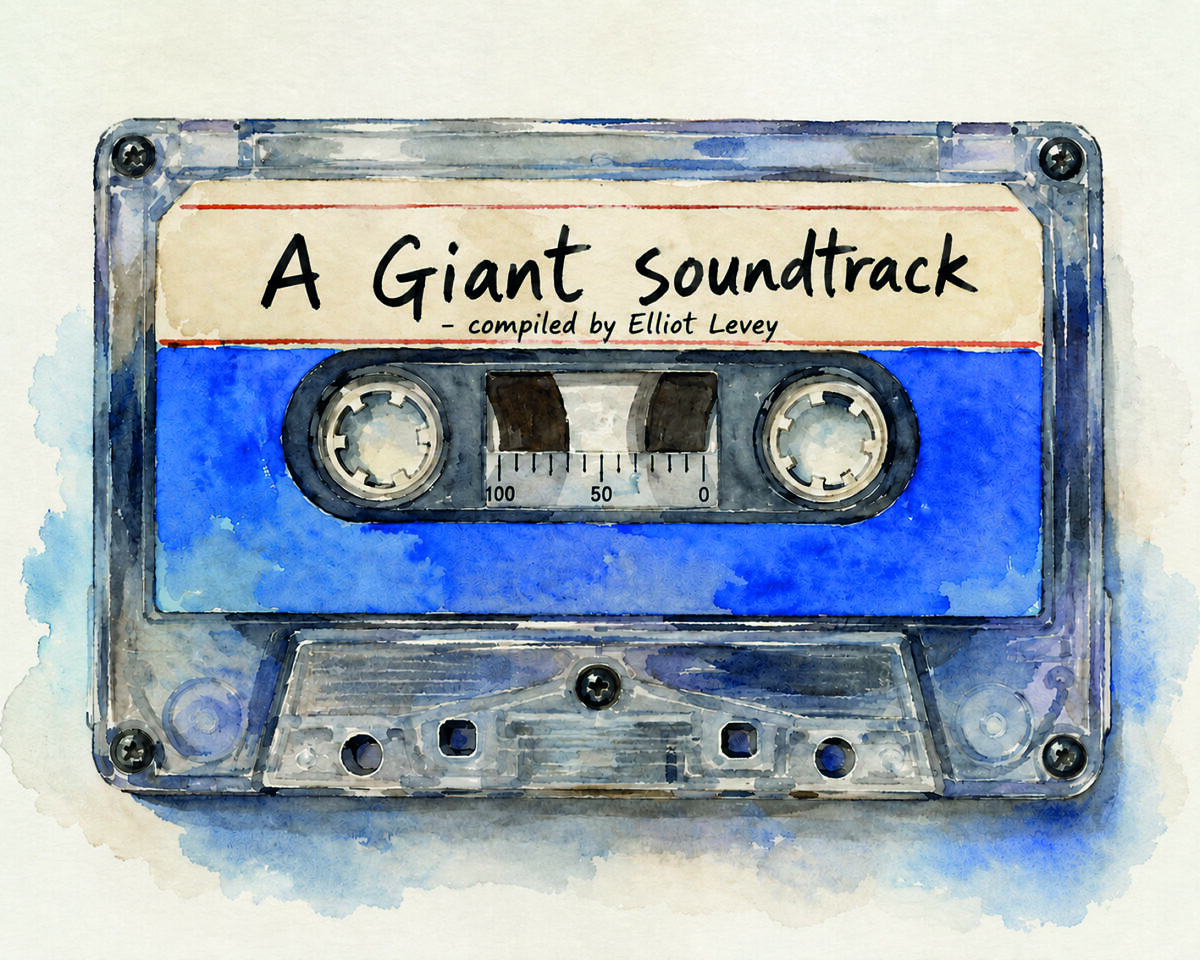 So the music begins before I step foot outside. I’m living on the site of the legendary Roseland Ballroom on 53rd Street, where Louis Armstrong and Glenn Miller held residencies. Count Basie wrote his Roseland Shuffle here, but that doesn’t make our playlist.


I’m limiting myself to one song per street and this place is reserved for Ella Fitzgerald who, as a teenager in 1937, sang the most popular Yiddish song ever recorded, Bei Mir Bistu Shein, written by Shloyme Secunda and Jacob Jacobs. Erm… yes, they were Jewish. The band leader Chick Webb hired the young Ella to sing it at Roseland. Not bad for starters, right?
And so I leave my building on 53rd and our next track begins: Judy Garland singing Cole Porter’s I Happen to Like New York, which started life nearby at the Broadway Theatre in his 1930 show The New Yorkers. These are the words in my head as I head out for work:
I happen to like New York
I happen to like this town
I like the city air, I like to drink of it
The more I know New York, the more
I think of it…
 Heady days. Then I turn left onto Eighth Avenue and the next track begins: Dizzy Gillespie’s version of Thelonious Monk’s 52nd Street Theme with its blistering, asymmetrical melody. Monk wrote it to celebrate the repeal of Prohibition and the explosion of jazz clubs on 52nd Street that followed. Charlie Parker ended sets with it for years. It became the unofficial “last orders” anthem of Manhattan jazz. Hear this and it’s either time to crash…
or carry on.
I have a show to do. So onwards down Eighth. Next stop is the fire station on 48th. Known as The Pride of Midtown – revered for its catastrophic loss of life on 9/11 – but in the 1950s the young Tony Bennett lived above this place. So naturally he sings The Best Is Yet to Come, written by two Jewish kids from the Bronx, Seymour Kaufman and Carolyn Rosenthal, better known as Cy Coleman and Carolyn Leigh.Are there better opening lyrics to a song?
Out of the tree of life I just picked me a plum
You came along and everything started to hum…
It’s as if Bennett knows I’m heading to do the show when he sings: “Wait till the warm-up’s underway…”
 A short wait indeed because I’ve now arrived at my theatre on 45th street. The commute is over, but the music continues because this is the Music Box Theatre. Built by Israel Isidore Beilin– the king of the Great American Songbook, Irving Berlin.
How do I choose from White Christmas, Cheek to Cheek, God Bless America, Puttin’ on the Ritz or Anything You Can Do? Given the reason I’m here, I plump for Ethel Merman belting There’s No Business Like Show Business, written by Berlin in an office upstairs at the theatre itself.
Legend has it he had double doors installed, so he could quietly play piano during performances, and a hidden speakeasy concealed behind
a fake wall during Prohibition. It’s apparently still there. If you’re passing by, tell Jonathan the house manager I sent you. I’ll warn him.
And so my respite is over. Time to get stuck into Giant. Time for the audience to get on Mark Rosenblatt’s rollercoaster ride and for me to be buffeted once again by the savagery of the arguments in the play. Again. Night after night.
But surely we need a song for the journey home?
My character Tom Maschler, challenged about his loyalties as a Jew, explodes: “I am English, English, English. I’m as English as you Roald, or Liccy… or the sodding policeman on the door.”
So here’s the final track.
I’m an alien, I’m a legal alien, I’m an Englishman in New York.
And if you’ve ever stood in Midtown when all the Broadway shows come down at once, thousands of people pouring onto the streets beneath the neon and above the steam, the line “A gentleman will walk but never run” suddenly takes on a rather special meaning.

Keep community journalism free.
Jewish News is free for everyone. No paywall. No barriers. Just trusted journalism for anyone who wants to stay connected to Jewish life in Britain.
If you value that, please support us.
From as little as £5 a month, you can help keep our journalism free and accessible to all.
Every day, we report on the issues that matter to our community. We celebrate achievements, support charities, challenge antisemitism and ensure Jewish voices are heard more widely.
From as little as £5 a month, you can help us continue to:
- Report on the stories shaping Jewish life in the UK and beyond
- Bring our community together through shared stories, events and campaigns
- Celebrate the people, culture and moments that define our community
- Support organisations doing vital work across Jewish Britain
You can make a one-off donation or become a regular supporter. Every contribution helps keep our journalism free, independent and accessible to all.
If everyone who values Jewish News gave a small amount, it would make a real difference to our future.





















