Prefer Jewish News on Google
Gold surge sparks heirloom dilemma for families
The precious metal has soared to record highs leading many consumers to ask: is now the moment to sell?
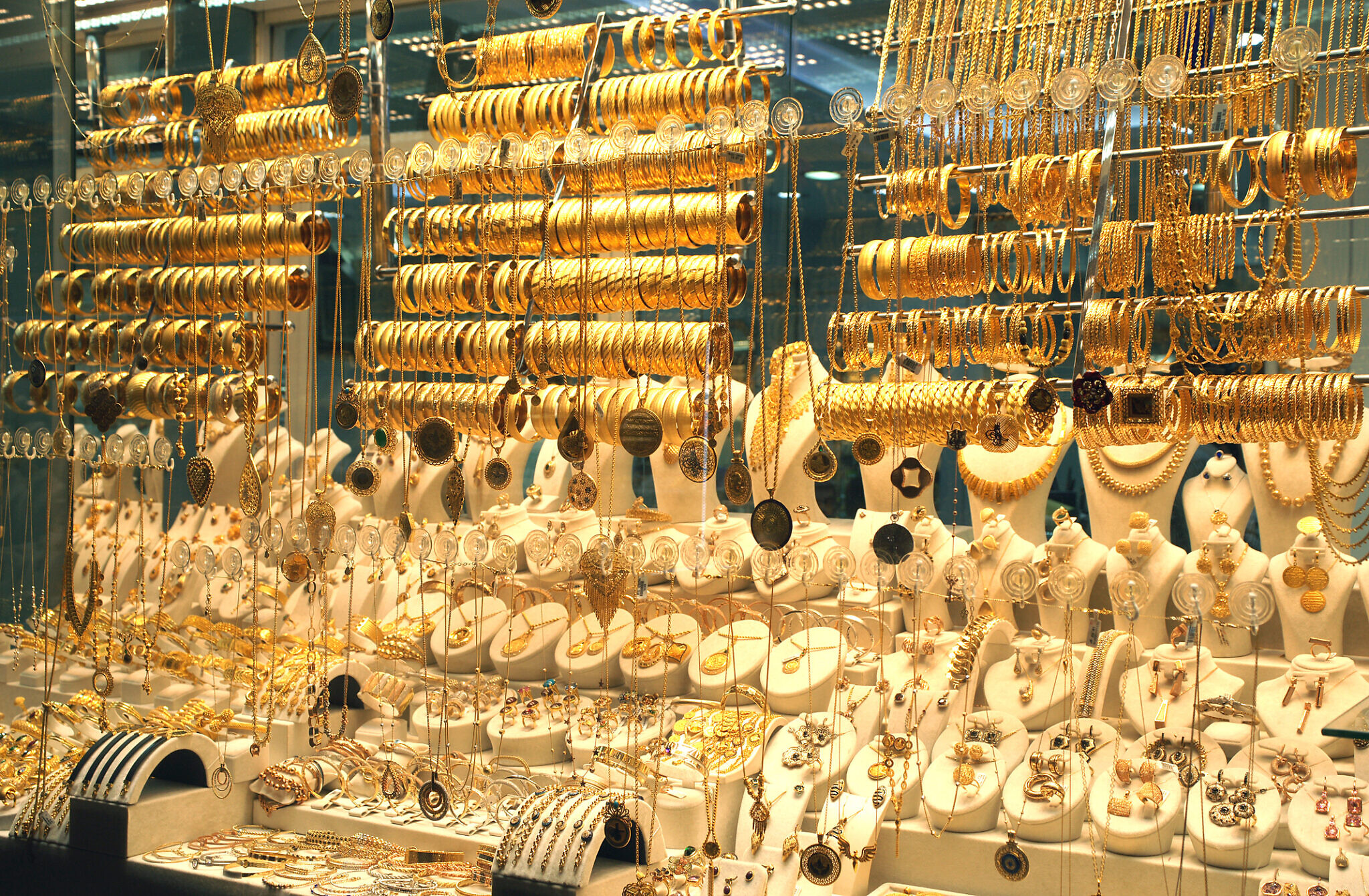
Gold prices have climbed to record highs in recent weeks, pushing the value of everyday jewellery – from wedding rings to inherited chains – to levels many owners have never seen before. The surge has prompted a wave of valuation requests and difficult decisions, particularly among families weighing up whether to hold on to heirlooms or take advantage of elevated prices while they last.
Gold hit all-time highs earlier this year, breaching roughly US $5,300 an ounce, while silver also surged, reaching around $118 an ounce, as investors sought safe-haven assets amid geopolitical uncertainty.
Although both metals have since pulled back, prices remain historically high, a backdrop jewellers say is driving renewed interest in selling, remodelling or reassessing family jewellery.
Robert Cohen of Cohens Jewellers in north London says the past year has prompted a clear shift in consumer behaviour.
“We’ve seen a significant increase in people selling broken or unworn gold and silver jewellery, as well as pieces inherited over the years. Many are genuinely surprised by just how much their items are worth.”
He adds that “for some, it isn’t an easy choice – jewellery can carry deep sentimental value or have been in the family for decades. But with insurance costs rising and gold prices at record highs, more people are choosing to sell or part-exchange jewellery that’s been sitting unworn in a safe.”
Those individual decisions are now rippling through the wider jewellery industry.
For designers and makers, the surge in prices is creating a different set of pressures. Rachie Shnay, a New York-based jewellery designer with more than 50,000 followers and a loyal celebrity client base, says soaring gold prices are forcing difficult choices across the trade.

“The gold prices are absolutely insane,” she tells Jewish News. “It’s definitely stressful for jewellers. On 47th Street everyone is talking about how crazy it is because we’re paying so much more for inventory and hoping clients will accept those increases.”
Shnay says constantly rising costs are forcing repeated price rises, with no clear sense of where the market will settle.
“It’s so frustrating having to keep increasing prices when it doesn’t seem to stop. I don’t think it’s hit business just yet but if prices keep rising, that could really start to affect things in the coming months.”
So what is driving up the prices? Robert Voss CBE, who founded an international metal trading company and previously served as president of the British Metals Association and the European Metal Federation, says the recent surge in gold – and silver – prices has little to do with the metals themselves.
“The rise is driven by worldwide conditions, whether that’s geopolitical instability or inflation,” says Voss, who was awarded was awarded a CBE “for services to British Industry and voluntary work in the UK” in 2014. “Gold is where people put their money in times of trouble. There will always be strong demand for it, both in physical form and as a hedge.”
Voss points to gold’s shortage as a key factor underpinning its long-term appeal. “If you consider that all the gold ever mined in history would only fill about three and a half swimming pools, you can see why scarcity has such an impact on value.”
While prices have dipped from recent highs, he says the volatility reflects broader global uncertainty rather than a shift in sentiment. “I wouldn’t dare predict what will happen in the coming days or months but gold has been, and will continue to be seen, as a safe haven for investors in times of trouble or financial insecurity.”
Mark Adlestone OBE, chairman of Beaverbrooks the Jewellers, says the market has been moving at unusual speed.
“We certainly are in unprecedented times at the moment with the pricing of precious metals,” he says. “Only last week we were seeing continued huge increases, sometimes daily, followed by a drop and then an upward bounce – though still not back to the levels prior to the fall.”
Adlestone says the price of gold “isn’t influenced by the jewellery industry; it is influenced very much by geopolitical unrest and global instability.”
He acknowledges that the current volatility has created a real dilemma for customers weighing whether to sell, advising careful thought when it comes to sentimental jewellery.
“This is a great time (albeit we don’t know what the future holds and whether prices will further increase) to sell those broken pieces of jewellery or items you have fallen out of love with or grown tired of and possibly then use that cash to buy a different piece of jewellery you want.
“When it comes to sentimental pieces, then once it has gone, it has gone and can never be replaced, so my advice would be to think long and hard before you make a decision – imagine no longer having the emotional connection with that piece of jewellery and how that would make you feel before you decide to sell. Jewellery can hold such strong emotions.”
Those decisions are now playing out at scale across the jewellery trade.
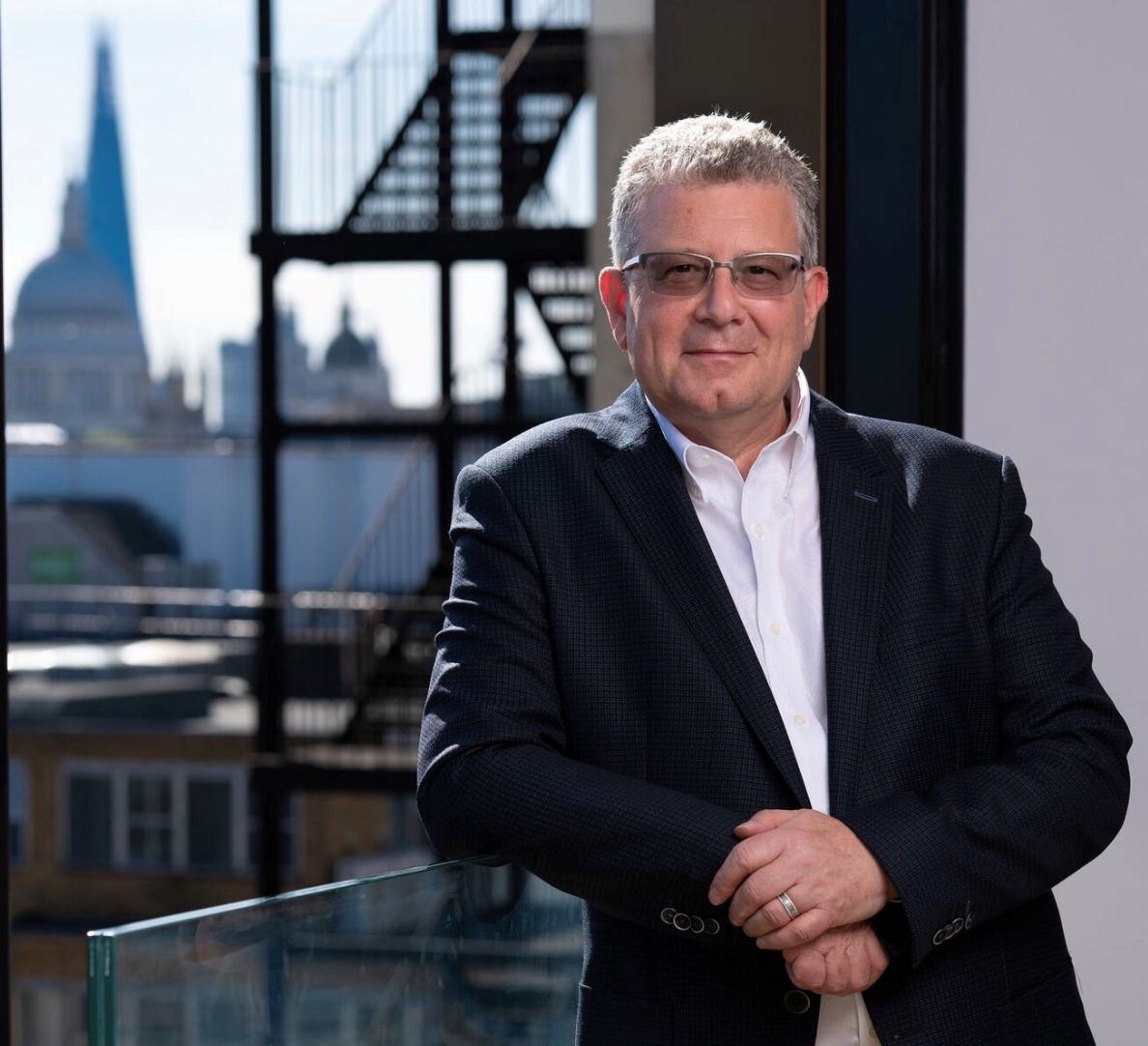
Gary Williams, director of the Mastermelt Group, a global precious-metal recycling company based in London’s Hatton Garden and president of the National Association of Jewellers, says: “I’ve been in the business for over 50 years and I’ve never seen anything like this.
“We’ve had spikes before, such as during the 2008 banking crisis, but even then, prices were relatively low compared with today. These are the highest levels gold has ever reached.”
For Jewish jewellers, these market movements resonate with a long-standing relationship between the community and gold – both as a trade and as a store of value.
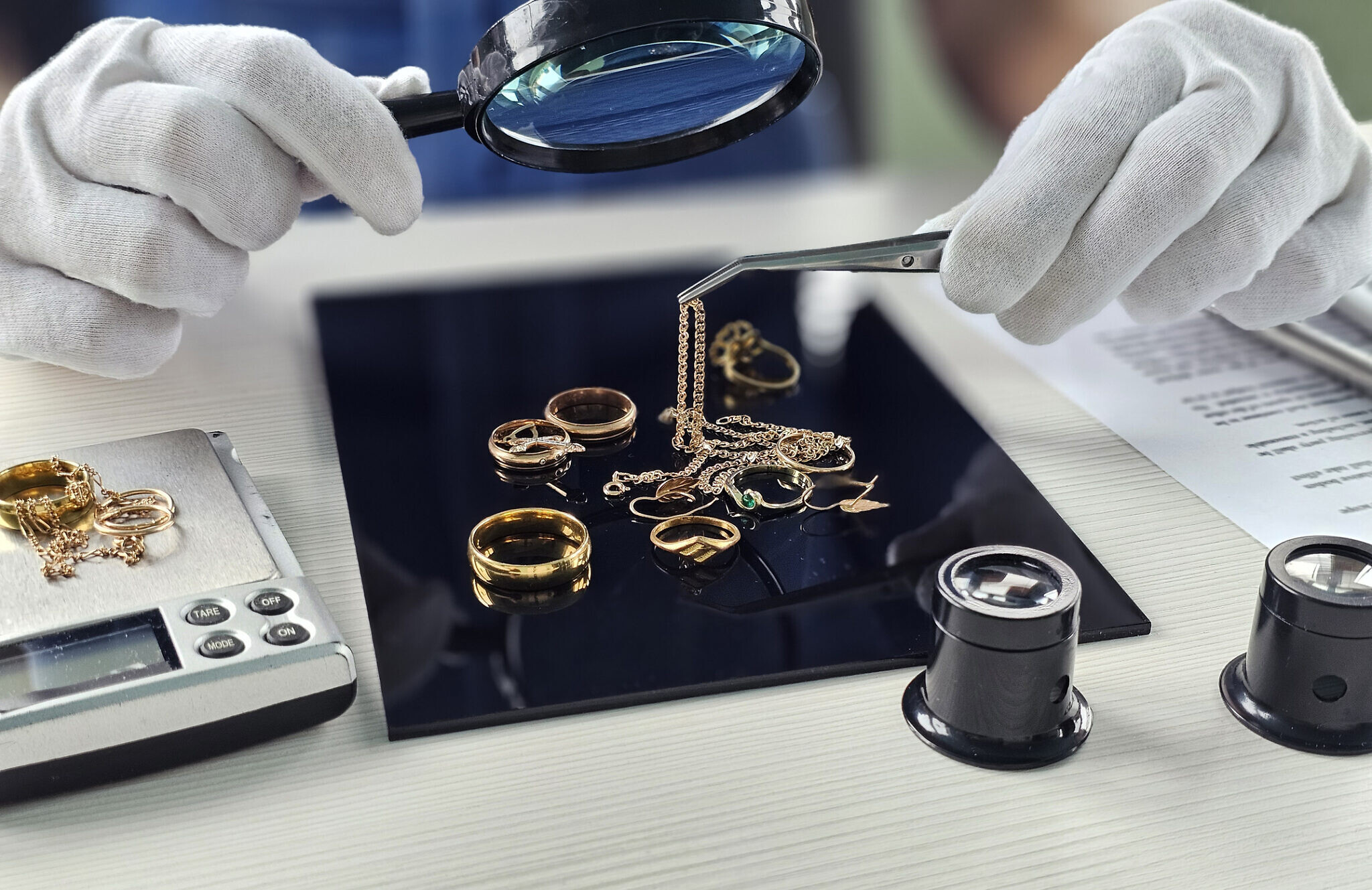
Historically, Jewish families were drawn to precious-metal work because it combined craftsmanship with portability: value that could be carried, reshaped and passed on in uncertain times. That tradition still underpins parts of the jewellery trade today, from family-run workshops in Hatton Garden to businesses across Europe, Israel and the United States.
On the consumer side, gold holds particular cultural weight, often given to mark life events such as bar mitzvahs and weddings, or passed down as heirlooms. As a result, decisions about selling tend to involve not just price, but memory, inheritance and sentimentality, even at times when market conditions strongly favour cashing in.
Williams says one of the fastest-growing parts of the trade is remodelling inherited jewellery rather than melting it down.
“People are left pieces by parents or grandparents that sit in a drawer because they’re not wearable or to their taste. They are choosing to redesign them so they keep the sentiment, but in a form they’ll actually wear and appreciate.”
Shnay, however, suggests sentimental pieces are often treated differently.
“People are definitely melting gold, especially heavier chains or random pieces and you can make good money doing that but I would never melt an heirloom or anything with real sentimental value.”
She adds that sorting through collections often brings emotions to the surface.
“I went through my own jewellery to see if there was anything I could sell, and almost everything had a story attached to it. That’s how jewellery is for a lot of people. If something isn’t sentimental, it’s a great time to sell. But when it has meaning, it’s much harder to let go.”
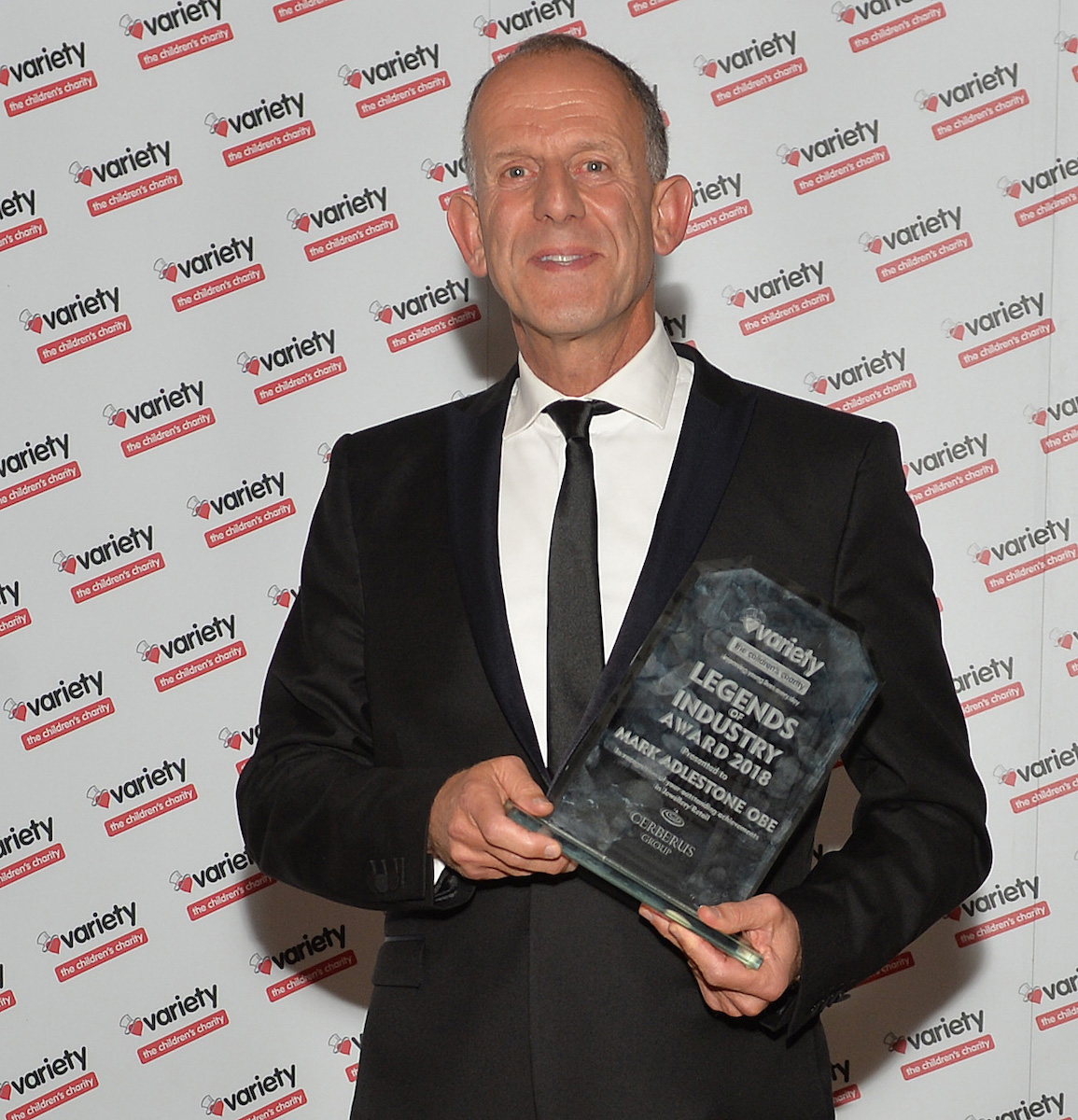
Adlestone notes that the surge in gold prices has coincided with a shift in consumer tastes.
“The increases in the price of gold has come at the same time when there is also a real trend and desire for yellow gold following a lengthy period of time when white gold was more in favour, so people are looking to add to their jewellery wardrobe a new and different look giving a reason to buy so actually increasing demand and sales.
“We are holding retail prices as long as we are able to and cushioned to a small degree with having some stock bought in at previously lower prices. Inevitably, there are some increases in prices as there are for the whole industry, and we continuously compare retail prices within the market, ensuring that we are offering value for quality. Quality is of high importance to us and we will never compromise that quality – it is what we stand for.”
Despite the recent pullback gold is gaining again (up 6 per cent at the time of writing) and analysts remain bullish on the metal’s longer-term outlook. Prices remain well above historical averages, and some forecasts suggest gold could reach close to $6,300 an ounce by the end of the year.
For many families, however, the question is not simply whether the price is right but which pieces, if any, they are truly prepared to part with.

Keep community journalism free.
Jewish News is free for everyone. No paywall. No barriers. Just trusted journalism for anyone who wants to stay connected to Jewish life in Britain.
If you value that, please support us.
From as little as £5 a month, you can help keep our journalism free and accessible to all.
Every day, we report on the issues that matter to our community. We celebrate achievements, support charities, challenge antisemitism and ensure Jewish voices are heard more widely.
From as little as £5 a month, you can help us continue to:
- Report on the stories shaping Jewish life in the UK and beyond
- Bring our community together through shared stories, events and campaigns
- Celebrate the people, culture and moments that define our community
- Support organisations doing vital work across Jewish Britain
You can make a one-off donation or become a regular supporter. Every contribution helps keep our journalism free, independent and accessible to all.
If everyone who values Jewish News gave a small amount, it would make a real difference to our future.