Prefer Jewish News on Google
Government reportedly blocks donation for welfare of Ukrainian refugee children in Israel
The proposed donation, by an individual sanctioned by the British government, saw the element specifically earmarked for Ukrainian children still in Ukraine accepted
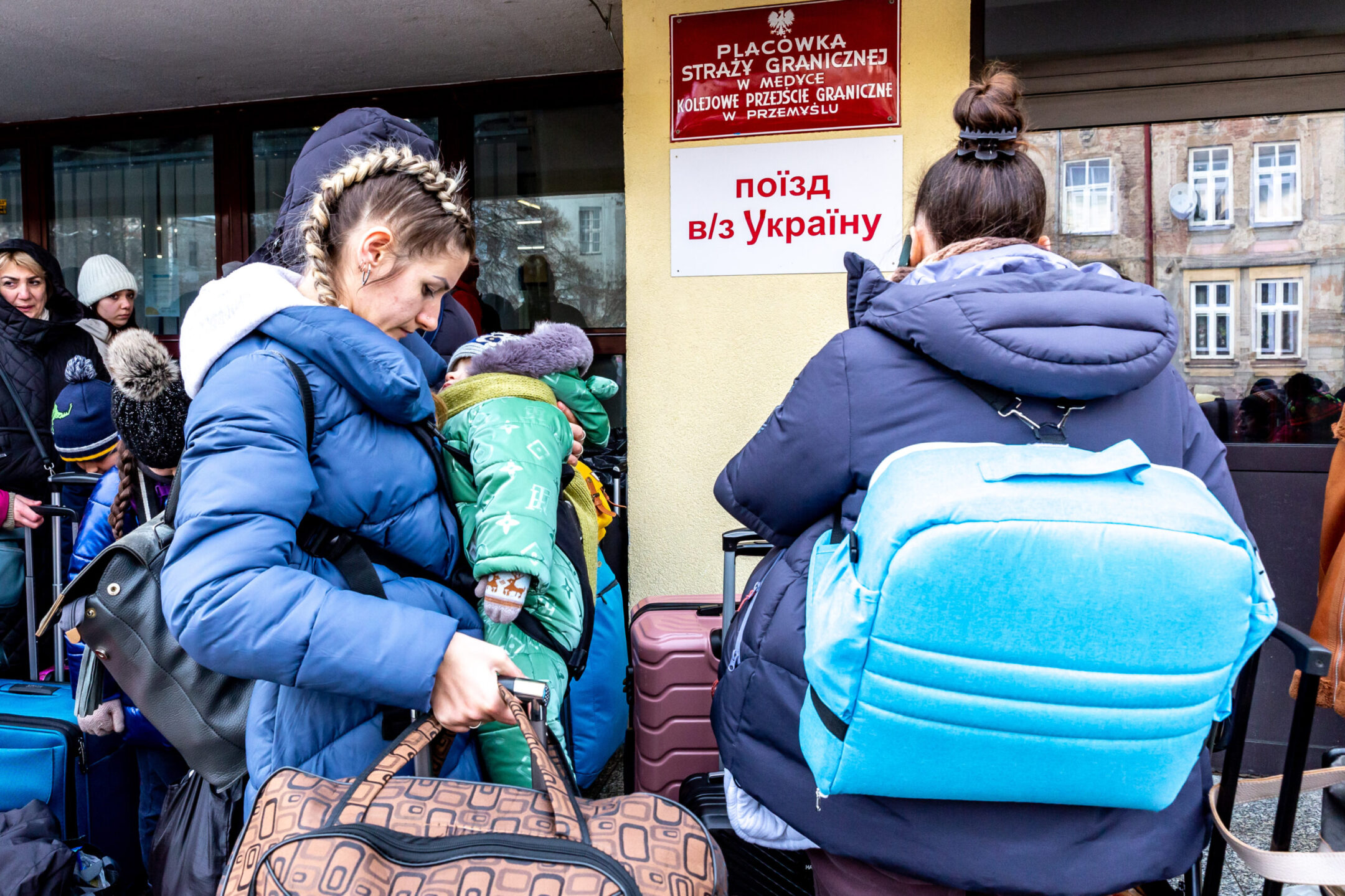
A Jewish philanthropist who has been under UK sanctions since 2022 has had part of a proposed donation for the welfare of Ukrainian children blocked by the British government – because that element of funding focuses on children now being looked after in Israel.
Eugene Shvidler, a UK/US national, reportedly proposed the donation of $100,000 (approximately £75,000) last year to the Alumim Children’s Centre. As described by the Jerusalem Post, the Alumim centre, based on education and community support, was based in Zhytomyr. While it continues to operate in the Ukrainian city, it also relocated part of its operation to Ashkelon, helping Ukrainian children who were evacuated to Israel after the Russian invasion.
The British government does allow individuals who have been sanctioned to access funds for humanitarian causes, subject to approval by HM Treasury’s Office of Financial Sanctions Implementation (OFSI).
According to documents shared with the Jerusalem Post, OFSI initially rejected the application on the grounds that it needed more information as to how the funds would be split between Ukraine and Israel. When that information was provided, suggesting that $20,000 would go towards operations in Ukraine and $80,000 for the organisation’s efforts in Israel, the element intended for Israel was blocked by the Treasury. OFSI’s argument, as per the Post, was that such funds being used in Israel would risk “diverting frozen funds away from the purpose for which they were frozen, namely encouraging… Russia to alter their behaviour.”
Shvidler has previously unsuccessfully attempted to challenge the British government’s sanctions against him, with both the High Court in 2023 and the Supreme Court in 2025 upholding the sanctions. In its imposition of the sanctions on 24 March 2022, the Foreign Office argued that Shvidler was “a business partner of Roman Abramovich, with whom Shvidler has maintained a close relationship for decades and from whom he has obtained financial benefit”. Abramovich himself had been one of seven oligarchs sanctioned two weeks earlier, with the government describing the seven as some of “wealthiest and most influential oligarchs, whose business empires, wealth and connections are closely associated with the Kremlin.”




Keep community journalism free.
Jewish News is free for everyone. No paywall. No barriers. Just trusted journalism for anyone who wants to stay connected to Jewish life in Britain.
If you value that, please support us.
From as little as £5 a month, you can help keep our journalism free and accessible to all.
Every day, we report on the issues that matter to our community. We celebrate achievements, support charities, challenge antisemitism and ensure Jewish voices are heard more widely.
From as little as £5 a month, you can help us continue to:
- Report on the stories shaping Jewish life in the UK and beyond
- Bring our community together through shared stories, events and campaigns
- Celebrate the people, culture and moments that define our community
- Support organisations doing vital work across Jewish Britain
You can make a one-off donation or become a regular supporter. Every contribution helps keep our journalism free, independent and accessible to all.
If everyone who values Jewish News gave a small amount, it would make a real difference to our future.