Prefer Jewish News on Google
Saskia Joss’ new book can help you to help your anxious child
Child therapist focuses on children's anxiety, which is on the rise

Some children are naturally fearful of just about everything – but Saskia Joss was not one of them. She recalls with glee how her mother, TV and radio presenter Vanessa Feltz, would often find the youngest of her two daughters half-way up a tree or about to jump off a high plinth.
“My mum used to say that when we went into hotels, I’d suddenly disappear and be sitting on the counter at the desk. She would tell me off, saying ‘For God’s sake, come down, come on.’ But that was me – I was always climbing something.”
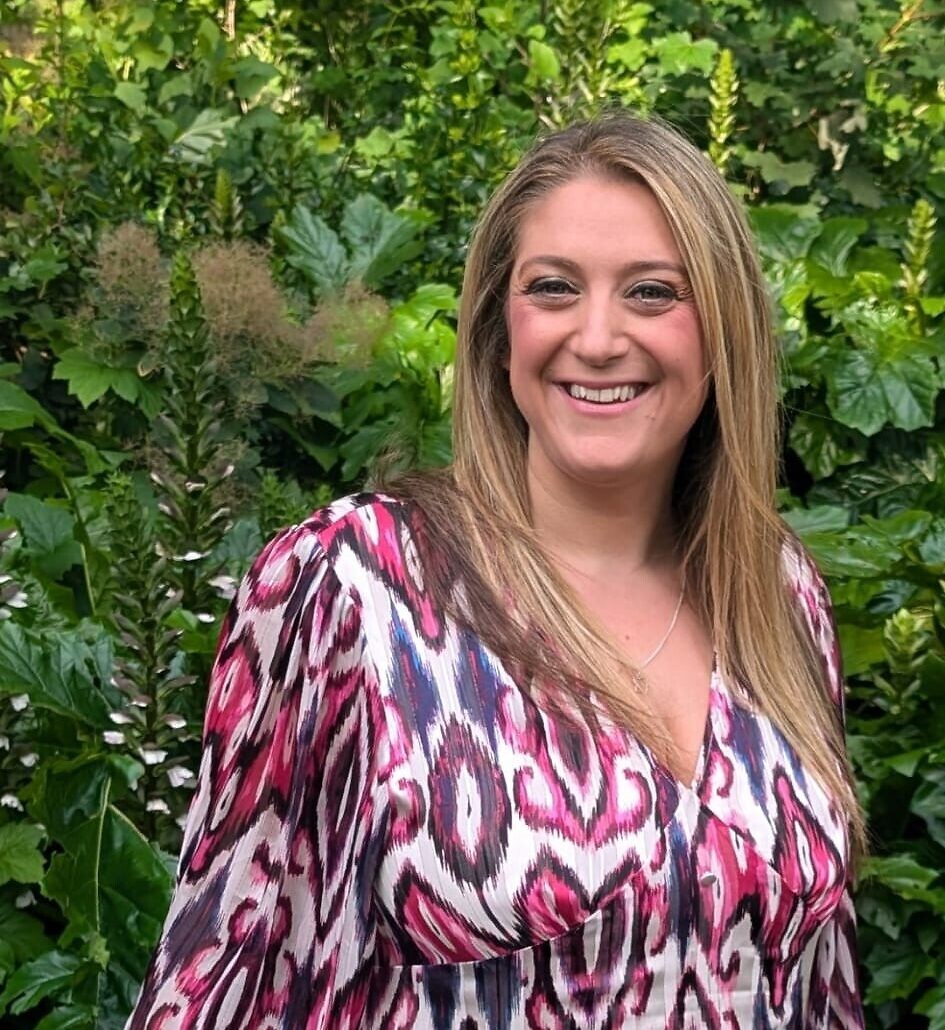
Years later, Saskia, 36, has channelled that childhood fearlessness into helping youngsters overcome their anxieties, having segued from being a primary school teacher into qualifying as a child therapist.
Based at the Mill Hill Therapy Hub in north London, Saskia has seen a massive spike in children experiencing anxiety issues – with countrywide mental health referrals surging from almost 100,000 in the year before the Covid pandemic began to more than 200,000 in 2023-2024.
For the Jewish community, the events of October 7 have exacerbated these issues, Saskia reporting it as having “the most profound impact on children in the most obvious ways.”
Scores of parents contacted Saskia after their children reported having nightmares about being kidnapped or had become overly anxious about family members living in Israel.
Perhaps, then, her recently-published book, Help! My Child’s Anxiety Is Giving Me Anxiety, has come at just the right time for parents struggling to navigate how best to help their child or young adult in a world fraught with worry. At the core of her pragmatic advice is the idea that the opposite of anxiety is not helping a child feel calm – but rather it’s about helping them feel safe. And another key point is that anxious parents can inevitably make anxious children.
Saskia – who bears an uncanny resemblance to her mother in both looks and the way she speaks – recalls her own childhood being one of “safety and security”.
The bubbly mum-of-two tells me: “There’s this model called the Leuven Scale, which says that one of the ways to identify that children are happy is if they sing while they play. I was a sing-while-they-play sort of kid, but I think it also indicated that whatever was going on, there was enough security and happiness to let me feel safe inside the shape I was made.
“My mum is a very good parent – very sensible, but also lots of fun and very positive.”
She acknowledges not all children come with that same built-in resilience, while youngsters today are experiencing myriad concerns.
“All the things children used to worry about are still present,” explains Saskia. “So being good enough at school, worrying about their parents or their family, having an ill grandparent or parent, or divorce in the family.
“But then we have additional dangers that evolve every year, such as social media, where bullying can take place, or content they are consuming on TikTok and YouTube or gaming apps like Roblox, where there could be predators.
“We’re all constantly dealing with new technology and information that makes the world feels less safe – and we can pass this feeling on to our children.”
The impact of the pandemic has also taken its toll and created a “cortisol-fuelled” society that has continued today.
“Our collective feeling of safety was completely violated,” explains Saskia. “In a situation where people were dying, and you couldn’t know if it was going to be you or someone who you loved, where the germs were traveling in an invisible way, the idea that we were close to death was suddenly massively amplified for absolutely everyone, and things didn’t go back to normal for a very long time.”
October 7 events have also impacted children regardless of whether or not they were directly affected, adds Saskia.
“In Jewish schools, young people were being told about it literally and directly. Teachers were showing each other photos of hostages or wearing yellow ribbon pins. The effect of this is that there has been a constant drip feed of very scary, overwhelming information for children, which has resulted in anxieties and bad dreams.”
One key thing parents can do to help their children overcome their worries is tackle “misinformation”.
“Children will fill in any gaps with information they do not understand, which can make their anxiety much worse,” explains Saskia. “What we should be doing is explaining what is real, what is not and making the facts more digestible. They are looking for safety – so what is important is that we help them feel safe.”
Help! My Child’s Anxiety Is Giving Me Anxiety is published by Headline, priced £20.

Keep community journalism free.
Jewish News is free for everyone. No paywall. No barriers. Just trusted journalism for anyone who wants to stay connected to Jewish life in Britain.
If you value that, please support us.
From as little as £5 a month, you can help keep our journalism free and accessible to all.
Every day, we report on the issues that matter to our community. We celebrate achievements, support charities, challenge antisemitism and ensure Jewish voices are heard more widely.
From as little as £5 a month, you can help us continue to:
- Report on the stories shaping Jewish life in the UK and beyond
- Bring our community together through shared stories, events and campaigns
- Celebrate the people, culture and moments that define our community
- Support organisations doing vital work across Jewish Britain
You can make a one-off donation or become a regular supporter. Every contribution helps keep our journalism free, independent and accessible to all.
If everyone who values Jewish News gave a small amount, it would make a real difference to our future.