Prefer Jewish News on Google

Historians search for memories of the North Wales Jewish community
Researchers focus on origins of jewellery company who made the royal wedding rings
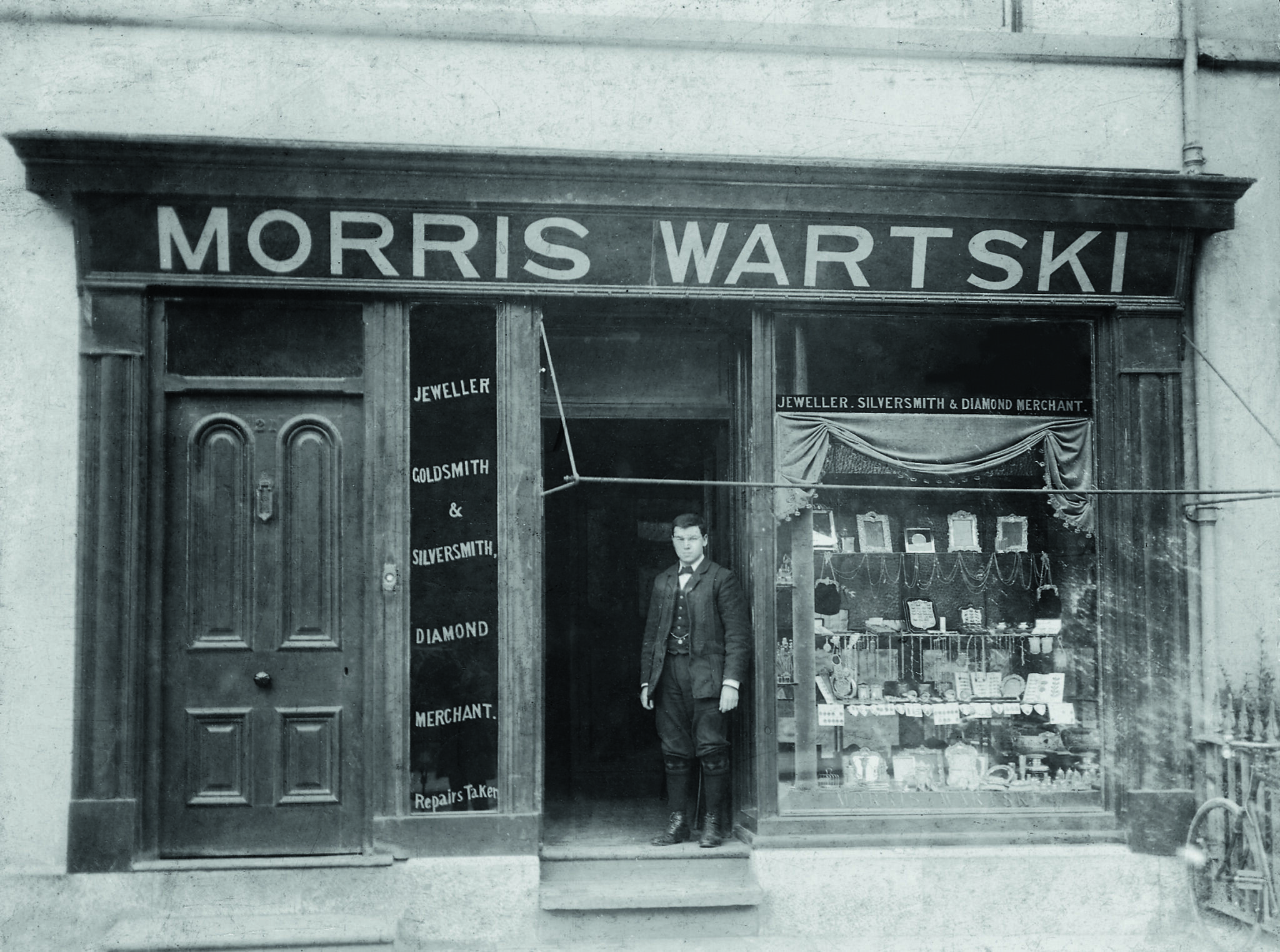
The jewellery firm that made the wedding rings for King Charles and Queen Camilla had roots in Jewish Llandudno, researchers have found.
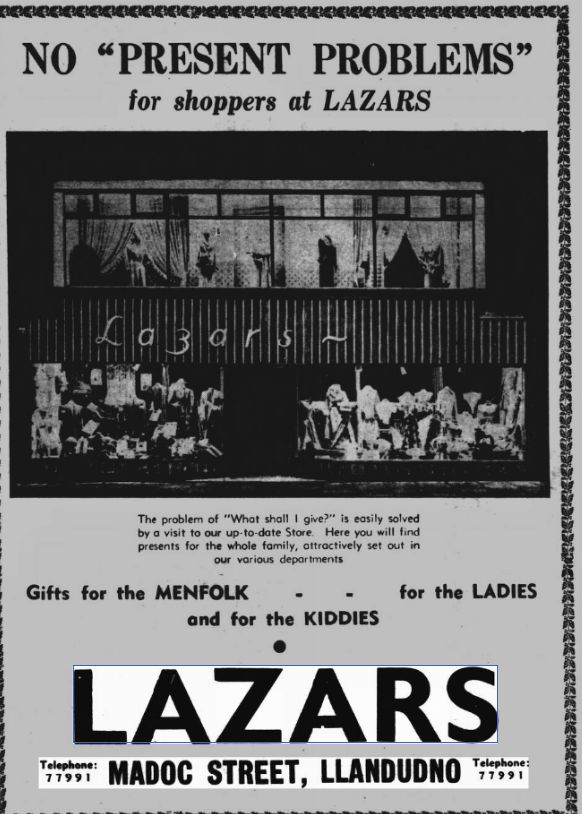
Now historians unearthing the hidden Jewish history of the Welsh town want to hear from people who remember well-known businesses from its thriving heyday including landmarks like Wartski’s jewellers, Lazar’s department store on Madoc Street, the Oriental Stores on Mostyn Street, or Blairman auctioneers.
They are keen to fill the gaps in what is known about the companies and people which made Llandudno such a flourishing centre of Jewish life in the early twentieth century.
The man who helped to make North Wales a magnet for visitors from Manchester and Liverpool was royal jeweller Morris Wartski, originally from Poland. Today in London’s St James the company still holds “by appointment” royal warrants from both the King and Queen and made the couple’s wedding rings, though they have dropped the ‘of Llandudno’ from the shop front.
 After moving along from Bangor in 1907, Wartski prospered with the patronage of King Edward VII and other aristocratic customers, as well as celebrities like Hollywood star Bing Crosby. A trailblazer, he helped build the town’s Jewish community, attracting other businesses to follow his lead and seize the commercial opportunities of the seaside resort.


Morris’s son Isidore became the first Jewish mayor of Bangor in 1939.
Laura Henley Harrison of the Jewish History Association of Wales (JHAW) said: “The commercial life of Llandudno had a massive boost from the influx of Jewish families starting in Victorian times. Due to the popularity of Llandudno as a holiday destination for people from large cities, the town became a starting point for high-end businesses that are still thriving today like Wartskis the royal jeweller and Blairman fine art auctioneers which has a worldwide reputation.”-
Also standing proud in the town’s main shopping street was Lazar’s, a landmark department store and the ‘Oriental Stores’ run by Iraqi-born Joseph Gubay, whose grandson started the Kwiksave discount supermarket chain.
Blairman fine art and antiques, established in the town, now operates in Mayfair as a world-leading auctioneer of fine art and furniture. As well as their department store, the Lazar family also ran an exclusive ‘private’ hotel.
Exhibitions and talks regarding the Jewish history and heritage of the area are being planned with Llandudno Museum and Conwy Archives for Summer 2026 and 2027.
Henley-Harrison adds: “We are looking for anybody who was a member of the Jewish community in Llandudno or Colwyn Bay, also Jewish families who took their holidays in the area. We also want to hear from anyone who still remembers the businesses or individuals – whether you worked with them or were customers back in the day, a neighbour, a friend, an associate.
“There was a synagogue that opened in Upper Mostyn Street in 1909, it must have had caretakers, suppliers and neighbours as well as congregants. There were other businesses too. We would be excited to hear of any memories that you have or have been passed down by your families, and of course any artifacts you have in the attic would be real treasure to us.”
The Jewish History Association of Wales recently dropped ‘South’ from the title to extend its work to Llandudno and the rest of the principality. Professor Nathan Abrams of Bangor University said “As we’ve expanded our operations, we have realised just how far Jewish life in Wales reached, and it felt appropriate to change the name as we extended our remit. There is a wealth of history here to be discovered.”

Keep community journalism free.
Jewish News is free for everyone. No paywall. No barriers. Just trusted journalism for anyone who wants to stay connected to Jewish life in Britain.
If you value that, please support us.
From as little as £5 a month, you can help keep our journalism free and accessible to all.
Every day, we report on the issues that matter to our community. We celebrate achievements, support charities, challenge antisemitism and ensure Jewish voices are heard more widely.
From as little as £5 a month, you can help us continue to:
- Report on the stories shaping Jewish life in the UK and beyond
- Bring our community together through shared stories, events and campaigns
- Celebrate the people, culture and moments that define our community
- Support organisations doing vital work across Jewish Britain
You can make a one-off donation or become a regular supporter. Every contribution helps keep our journalism free, independent and accessible to all.
If everyone who values Jewish News gave a small amount, it would make a real difference to our future.