
 Prefer Jewish News on Google
‘Historical justice done’ as Belarus cemetery memorial officially opened
More than 1200 remnant gravestones of Brest-Litovsk Jews buried on the land and countless others who perished in the Holocaust finally honoured
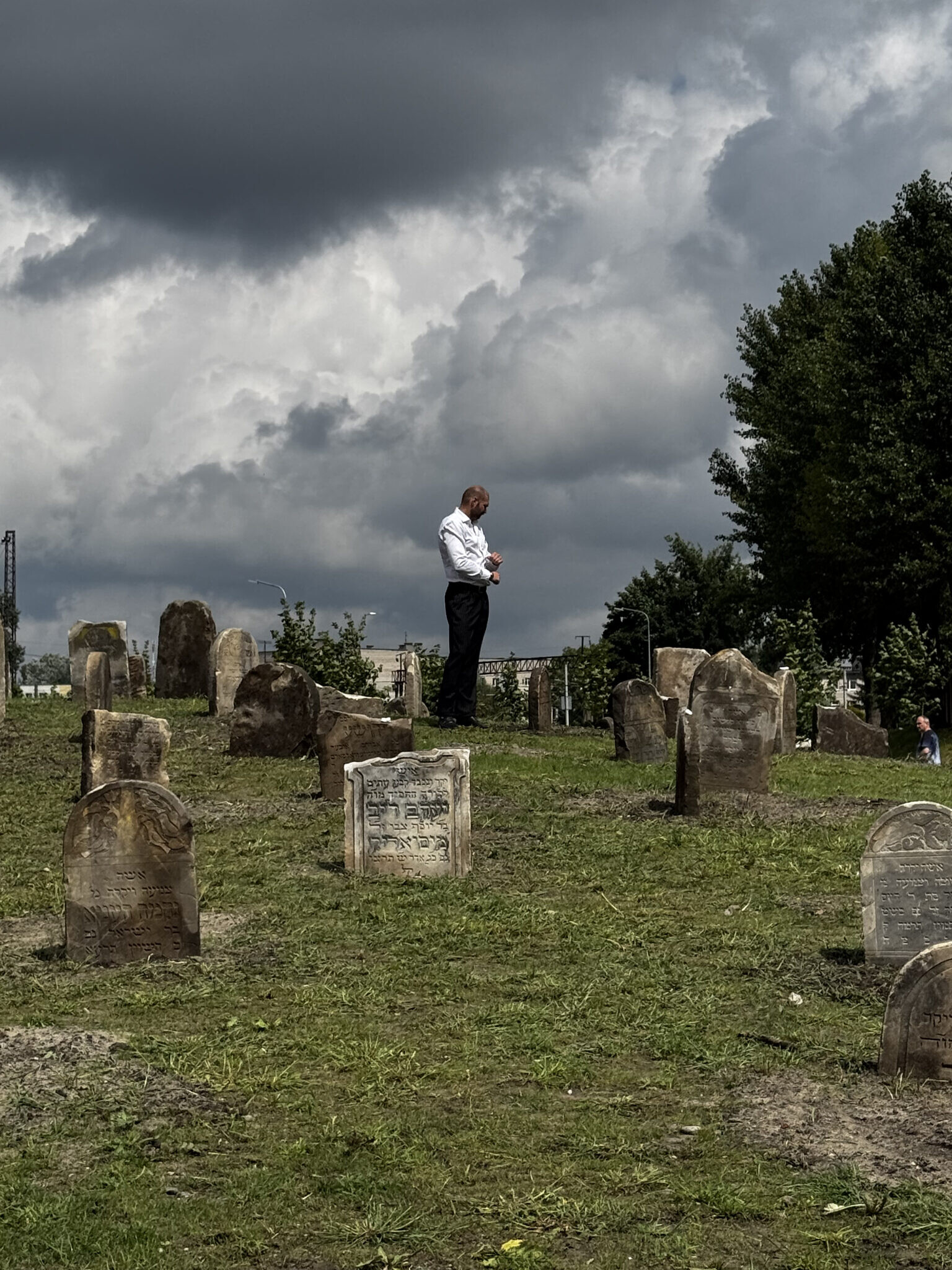
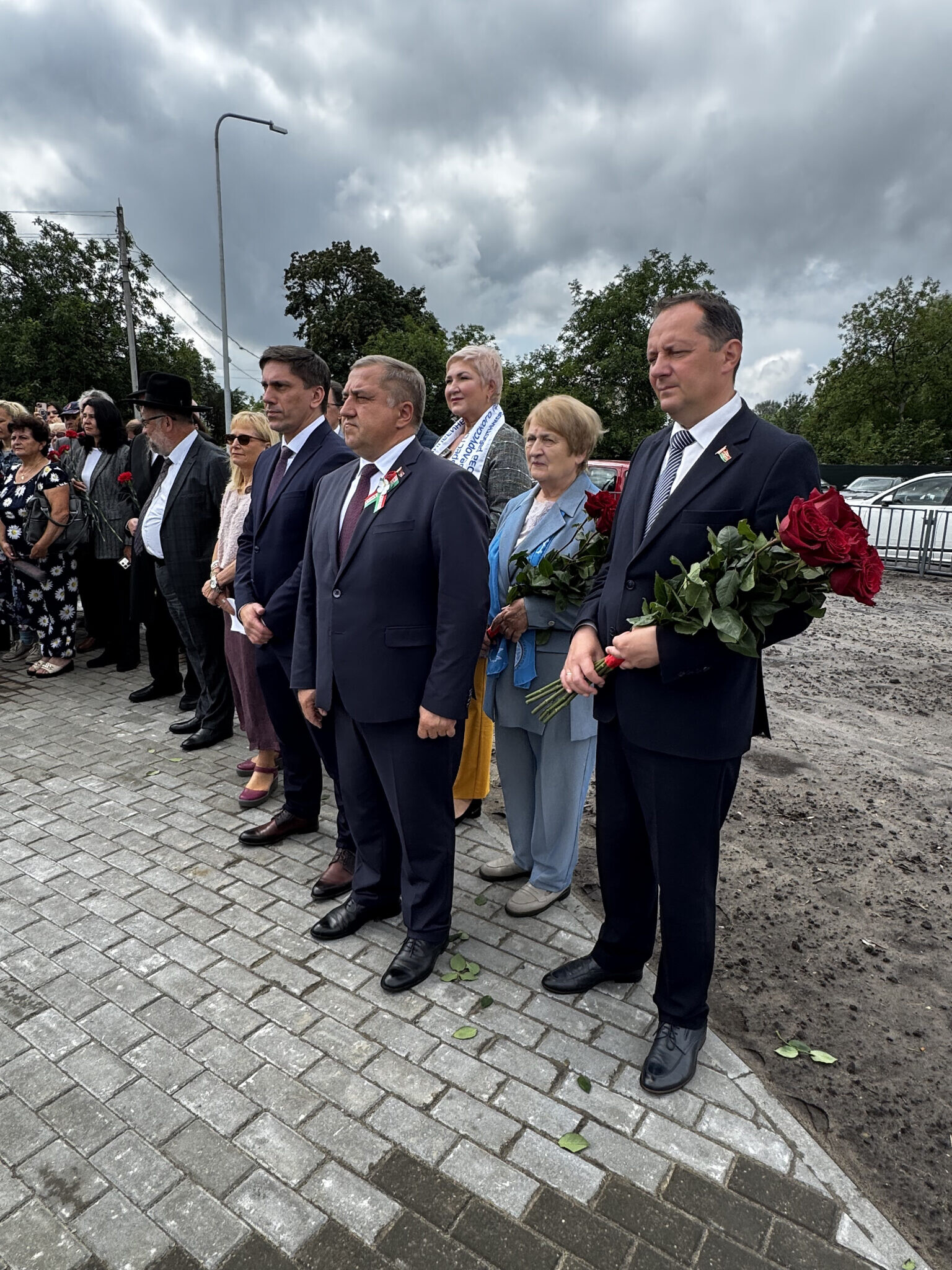
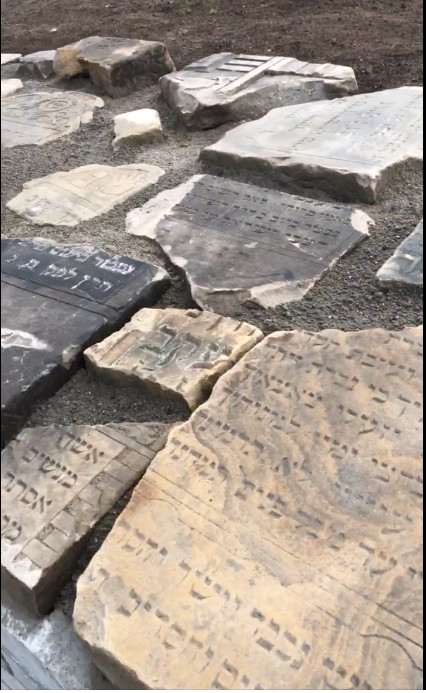
More than a thousand Jewish gravestones were finally brought together and officially recognised at the emotional opening of a memorial at the former Brest-Litovsk Jewish Cemetery in Brest, Belarus.
The event on Monday 28th July was the final step in honouring a Jewish community devastated by the Nazis, and the culmination of 12 years of unrelenting work and collaboration by The Together Plan, its US-based partner Jewish Tapestry Project, and the Jewish Religious Union of Belarus.
The opening of the memorial, designed by American artist Brad J. Goldberg, coincided with the historic day of the liberation of Brest in 1944.
Those present included dignitaries and representatives from the British, Bulgarian, Austrian and German embassies and Polish consulate, alongside Artur Livshyts, co-founder of The Together Plan and chair of the Jewish Religious Union in Belarus.
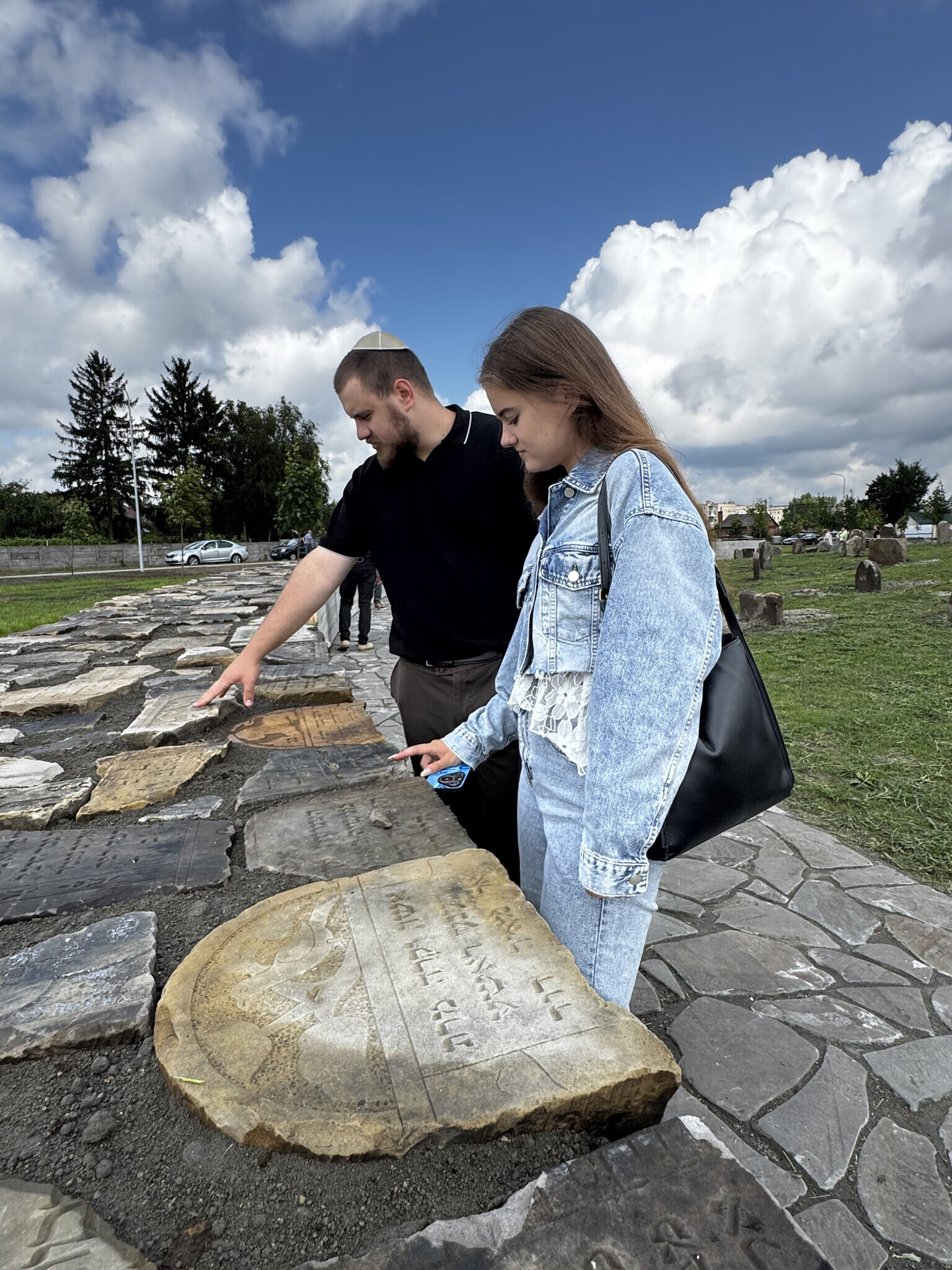
Traditional white mourning stones were placed on each of the fragments in poignant gestures of remembrance and respect, ensuring that not a single memory of those lost was forgotten.

Each of the surviving 1,200 gravestone fragments, until recently in storage, were discovered over the years by the townspeople of Brest.
Stephen Grynberg, who gave the cornerstone funding and commissioned the design of the memorial, said: “For me this monument is an act of justice, honouring and reclamation. Upon seeing the headstones for the first time, the idea of returning dignity to this place, to the people buried there and to the vibrant Jewish community they created was an obvious anecdote to the attempted erasure.”
Debra Brunner, chief executive of The Together Plan, added: “This is a first-of-its-kind memorial in Eastern Europe: bold in scale, concept, and message. It transforms a long-erased cemetery into a sacred site of dignity, reflection, and education. The Together Plan is proud to play a part in bringing it to life, and we will be honoured to work with our partners on the ground to bring visitors to this sacred space for years to come.”
Artur Livshyts, co-founder and country director of The Together Plan and chairman of the Jewish Religious Union of Belarus, said: “Growing up in Soviet Belarus, Jewish history was a shadow—present but unspoken, a silent grief buried beneath the weight of enforced silence.
“Today, as we consecrate this memorial in Brest-Litovsk, we break that silence. We reclaim the names, the stories, and the dignity of those who came before us.
“This is more than stone and memory; it is an act of defiance against forgetting, a declaration that our past will no longer be erased.”
In explaining his work, artist Brad Goldberg said, “There is this phrase called tikkun olam that is about repairing the world. And I very much believe in that. And a lot of the work that I do is about repairing cities, repairing towns, repairing all sorts of places. I’m really hoping that this project invokes a sense of profundity, a sense of sacredness, a sense of peace, a sense of not allowing this kind of thing to happen again.”
Speaking again to Jewish News from Brest just before midnight on Monday, Debra Brunner said the event was “incredibly moving. It’s been a long road but we got there. Historical justice has been done today.”
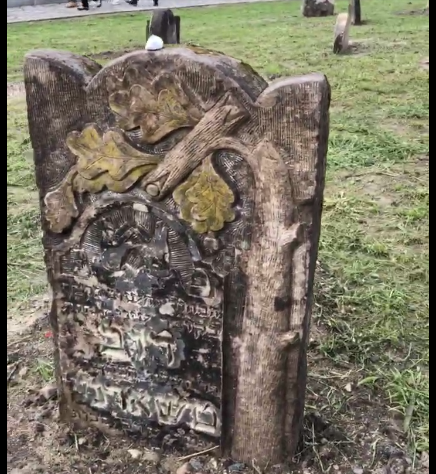
The site was established as a cemetery in 1835. By 1941, more than 35,000 Jews were buried there. As reported by Jewish News, between 1941 and 1944, the Jewish community was decimated by the Nazis and their collaborators. The cemetery was desecrated, the headstones were repurposed, and in the 1970s, a portion of the sacred ground was paved over for the Lokomotiv Sports Stadium.
Since its destruction, the site was never marked or acknowledged as a Jewish cemetery—even though the bodies remained. For decades, without a single standing gravestone, the burial ground faced the threat of being forgotten entirely.
Until now.

Keep community journalism free.
Jewish News is free for everyone. No paywall. No barriers. Just trusted journalism for anyone who wants to stay connected to Jewish life in Britain.
If you value that, please support us.
From as little as £5 a month, you can help keep our journalism free and accessible to all.
Every day, we report on the issues that matter to our community. We celebrate achievements, support charities, challenge antisemitism and ensure Jewish voices are heard more widely.
From as little as £5 a month, you can help us continue to:
- Report on the stories shaping Jewish life in the UK and beyond
- Bring our community together through shared stories, events and campaigns
- Celebrate the people, culture and moments that define our community
- Support organisations doing vital work across Jewish Britain
You can make a one-off donation or become a regular supporter. Every contribution helps keep our journalism free, independent and accessible to all.
If everyone who values Jewish News gave a small amount, it would make a real difference to our future.





















