Prefer Jewish News on Google

Holocaust Centre North searches for new translater and writer in residence
West Yorkshire educational centre looking to appoint candidates for second year of artistic programme

The Holocaust educational centre in west Yorkshire is looking to appoint a new translator and writer in residence for its 2024/25 Memorial Gestures artistic programme.
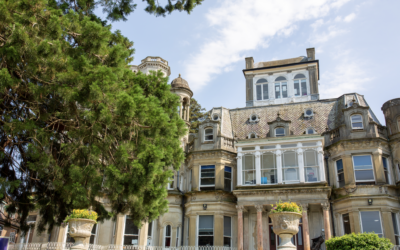
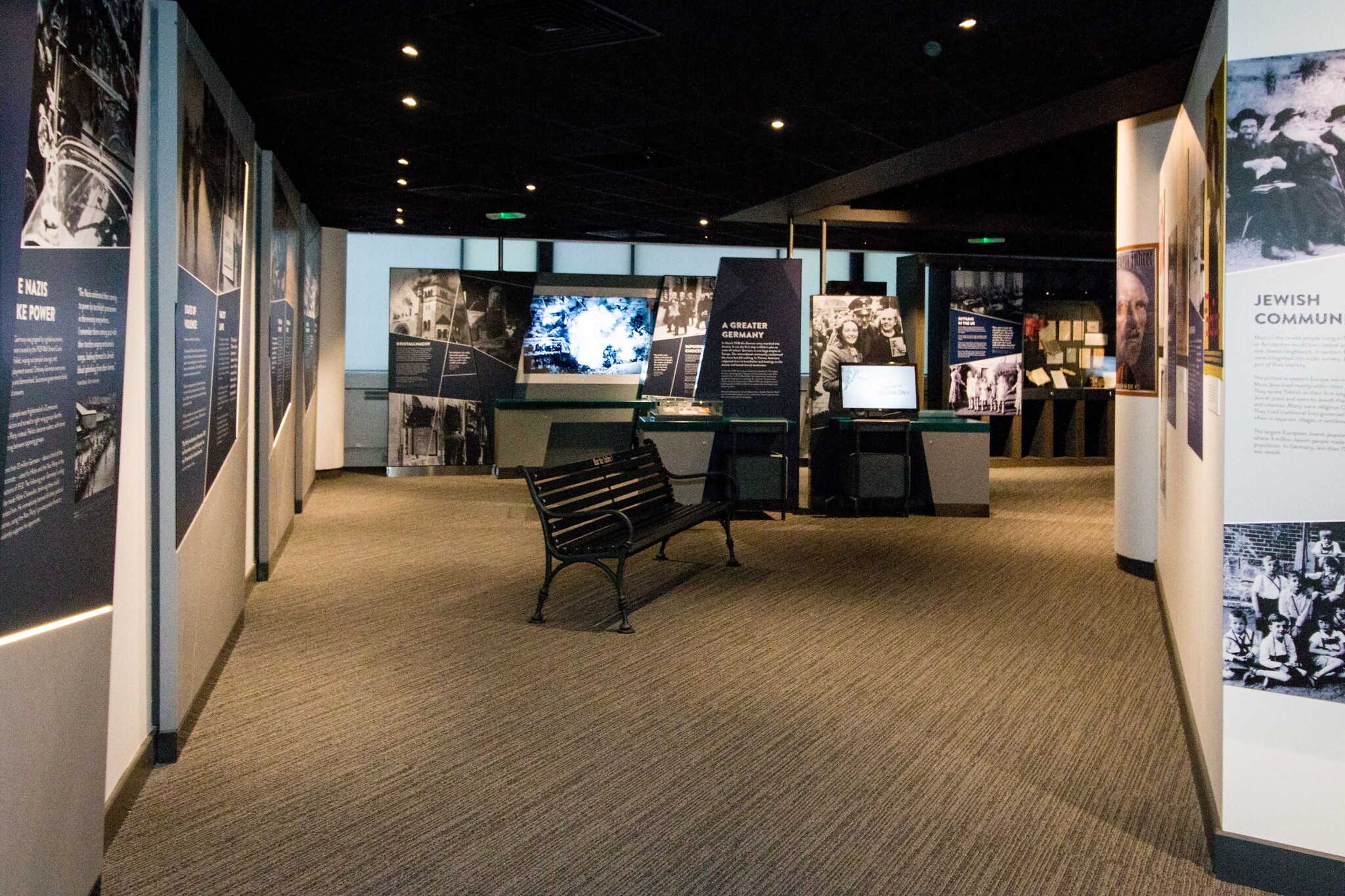
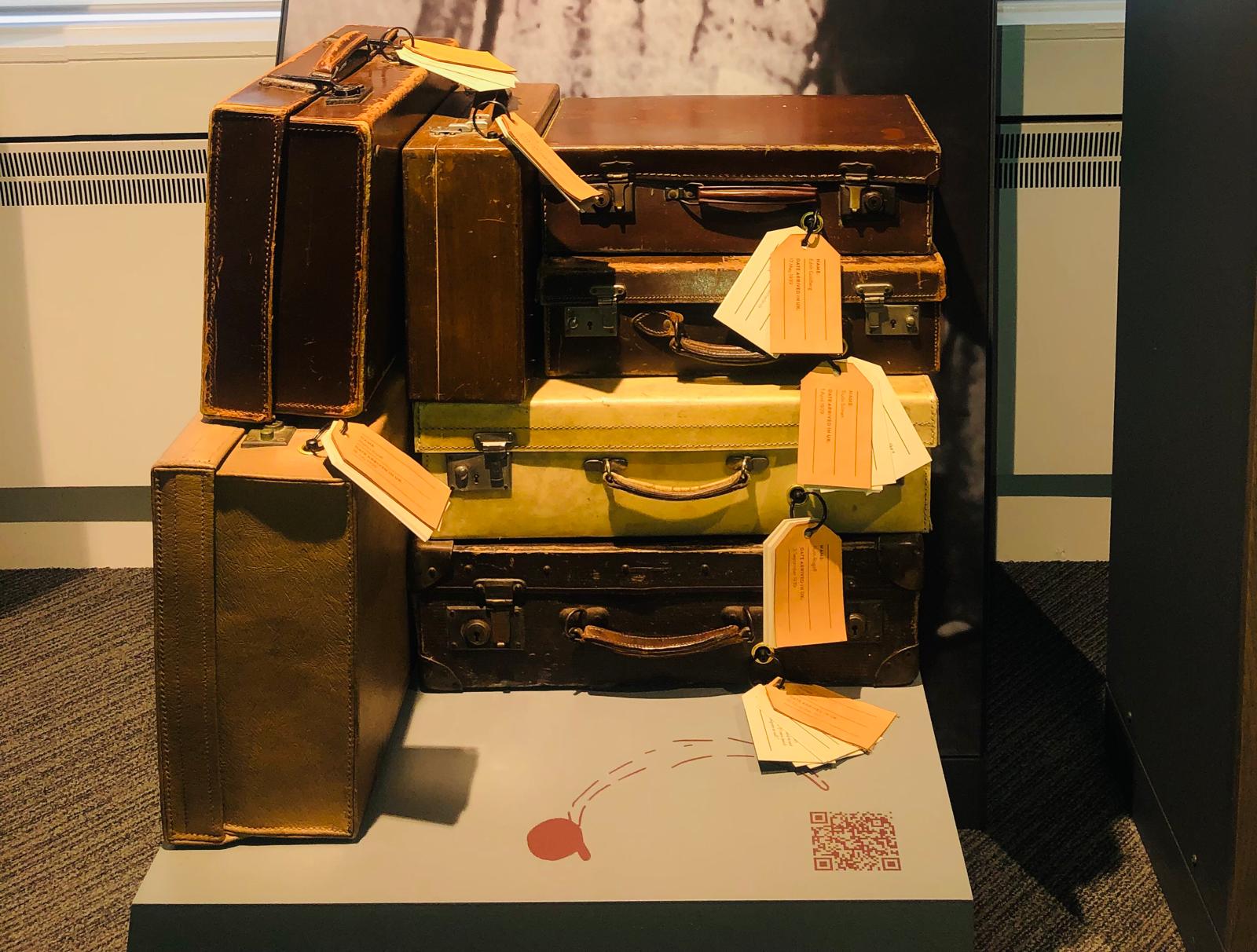
Holocaust Centre North in Huddersfield tells the global story of the Shoah through more than 120 local stories and materials from survivors who subsequently created new lives in the north of England. Now in its second year, its Memorial Gestures Residency is open to candidates for the paid positions of established and emerging writers and translators based in the UK.
As reported by Jewish News, the residency was launched in 2022 to give leading and emerging artists the opportunity to create brand new artwork inspired by its archives and in response to its themes and collections around Holocaust remembrance and history.
Earlier this year, for the very first time, the Centre also appointed a translator and a writer in residence to join four artists as part of the unique project. They were invited to respond to and translate the Centre’s memories, artefacts and accounts which cover themes of discrimination, displacement, trauma, migration, loss, memory and hope – through creative and artistic practices.
For the translator-in-residence, Holocaust Centre North is keen to hear from those working with languages spoken by minority communities with a presence in the North of England who have experiences of migration, building a new life in England, and preserving difficult histories.

It is particularly interested in working with translators with experience working in languages such as Arabic, Gujarati, Romanian, Panjabi, Polish, Slovak, Ukrainian, Urdu, etc – as well as languages which are particularly relevant to Holocaust history and the Centre’s collections (e.g: Czech, French, German, Hebrew, Hungarian).
The writer-in-residence will be supported to produce a new literary work engaging with material and themes in the museum whilst the translator will be encouraged to produce work reflecting on the experience of living across multiple languages in the context of traumatic histories.
Andrew Key, head of creative development, Holocaust Centre North said: “Already our current and first writer and translator-in-residence have started finding new ways to tell the lesser known stories of Holocaust history, which have lain buried in our archive. We want to provide a space for writers to find new ways into this difficult past, by exploring new forms or techniques, and by being supported to take steps into an area of research which may appear daunting.
“Our hope is that the translator-in-residence will have an opportunity to work closely with other communities in the region to find new ways of telling the shared stories of migration in the North, to help foster a celebration of the North’s diversity and history of multiculturalism. Through the programme, we hope to invite people who may have felt excluded from Holocaust history into our Archive, so that we can build a deeper understanding of the ongoing impact of our shared history across the communities in our region today.”
For more information, email memorial.gestures@hud.ac.uk.

Keep community journalism free.
Jewish News is free for everyone. No paywall. No barriers. Just trusted journalism for anyone who wants to stay connected to Jewish life in Britain.
If you value that, please support us.
From as little as £5 a month, you can help keep our journalism free and accessible to all.
Every day, we report on the issues that matter to our community. We celebrate achievements, support charities, challenge antisemitism and ensure Jewish voices are heard more widely.
From as little as £5 a month, you can help us continue to:
- Report on the stories shaping Jewish life in the UK and beyond
- Bring our community together through shared stories, events and campaigns
- Celebrate the people, culture and moments that define our community
- Support organisations doing vital work across Jewish Britain
You can make a one-off donation or become a regular supporter. Every contribution helps keep our journalism free, independent and accessible to all.
If everyone who values Jewish News gave a small amount, it would make a real difference to our future.