Prefer Jewish News on Google

Hope on the horizon: Next-gen Israeli and Palestinian leaders unveil bold peace plan
Washington DC delegation marks one year of Phoenix Framework with Capitol Hill push for post-war future
A delegation of young Israeli and Palestinian changemakers returned to Washington, D.C. this week to present a bold grassroots peace plan – exactly one year after co-authoring the Phoenix Framework in response to the war in Gaza.
The 2024 blueprint, developed by alumni of New Story Leadership (NSL), sets out six core priorities: trauma healing, Gaza reconstruction, transitional justice, responsive governance, global partnerships and public preparation for peace. It has since been presented to more than 5,000 peacebuilders in Jerusalem, endorsed by the Alliance for Peacebuilding, and shared at high-level international forums, including one hosted by French President Emmanuel Macron. A senior U.S. official has described it as “the most comprehensive plan to date.”
This week’s visit to the U.S. capital marks a major milestone. Delegates from Gaza, Israel, East Jerusalem, the West Bank, and the diaspora – many of them educators, artists, engineers, and former soldiers – are holding bipartisan meetings with Congress, briefing diplomats, and speaking at think tanks and interfaith events across the city.
“The leaders currently in power haven’t delivered peace,” said Caroline Mays, NSL’s executive director. “This generation is stepping up to offer a plan – and to demand a seat at the table.”

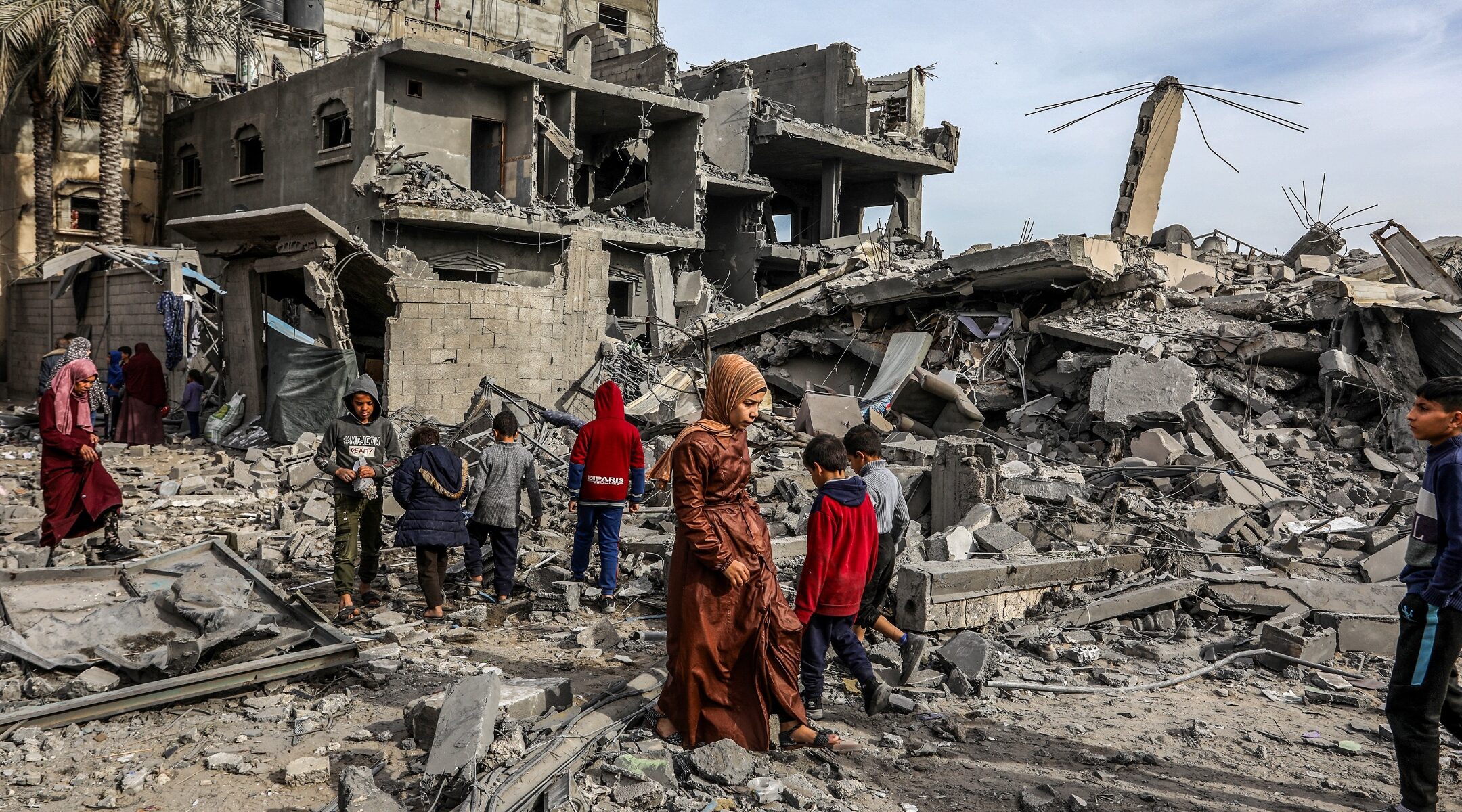
The Phoenix Framework emerged in the aftermath of the 7 October Hamas attacks and the subsequent Israeli military response in Gaza. Rather than focusing on final-status issues like borders or refugees, the framework outlines immediate, community-rooted solutions. These include reforming the Palestinian Authority into a transitional government of experts, transferring Gaza’s security oversight to a joint European – Emirati force, and launching a new Gaza Reconstruction Mechanism free from Israeli control.



The plan also proposes trauma-informed healing, economic renewal, and youth empowerment as core components of rebuilding.
“We’re here to show what’s possible when Palestinians and Israelis lead together,” said Rawan Odeh, a Phoenix Framework co-author. “We’ve done the work. Now we’re asking the world to listen.”
The delegation’s visit comes amid a fragile ceasefire between Israel and Iran, and renewed hopes for progress in Gaza. Phoenix authors say any long-term peace must be shaped by those most affected on the ground.

Keep community journalism free.
Jewish News is free for everyone. No paywall. No barriers. Just trusted journalism for anyone who wants to stay connected to Jewish life in Britain.
If you value that, please support us.
From as little as £5 a month, you can help keep our journalism free and accessible to all.
Every day, we report on the issues that matter to our community. We celebrate achievements, support charities, challenge antisemitism and ensure Jewish voices are heard more widely.
From as little as £5 a month, you can help us continue to:
- Report on the stories shaping Jewish life in the UK and beyond
- Bring our community together through shared stories, events and campaigns
- Celebrate the people, culture and moments that define our community
- Support organisations doing vital work across Jewish Britain
You can make a one-off donation or become a regular supporter. Every contribution helps keep our journalism free, independent and accessible to all.
If everyone who values Jewish News gave a small amount, it would make a real difference to our future.