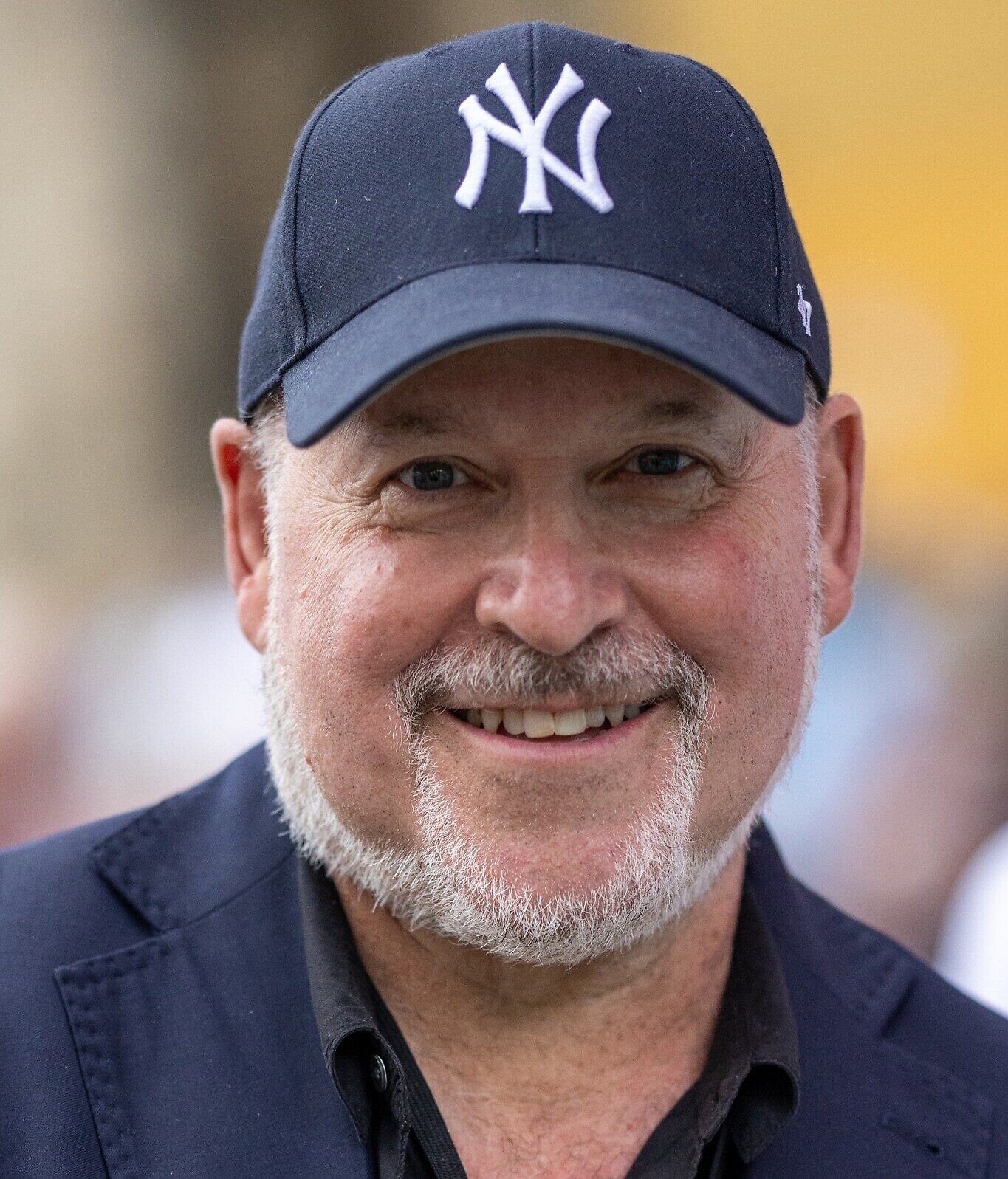
The Broadway composer became part of a Japanese cultural phenomenon
When Japanese producers asked Frank Wildhorn to write a musical based on the bestselling manga Death Note, he had one problem. He had no idea what manga was.
The Broadway composer behind Jekyll & Hyde and Bonnie & Clyde turned to someone who did – his eldest son, Justin, designer of League of Legends, one of the world’s biggest and most successful video games.
“I called Justin to ask what he thought and he said, ‘you have to do it. It is hipper than anything you will ever do in America.’”
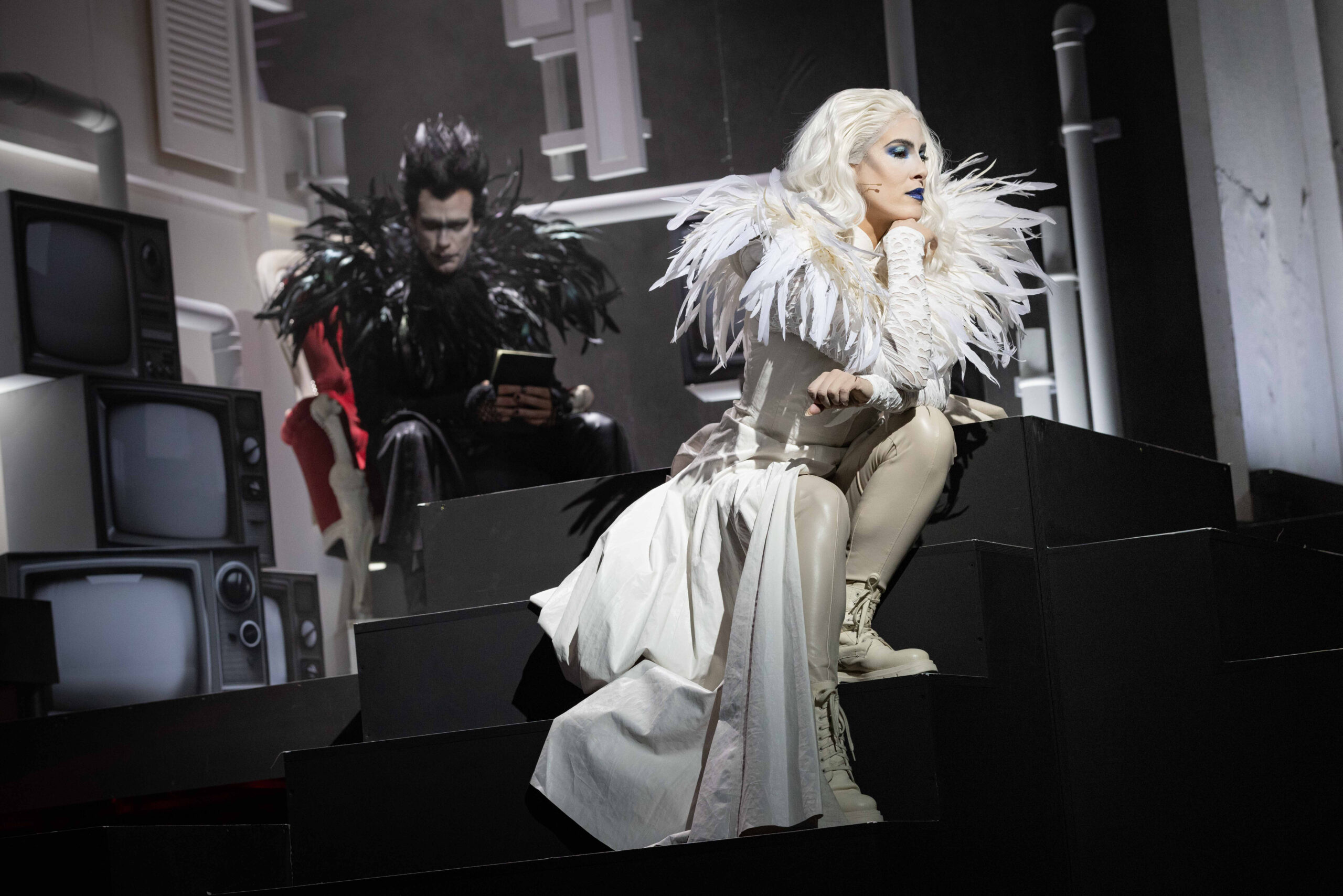
That leap into the unknown has brought Frank to the Barbican this summer, where Death Note: The Musical arrives in English after winning Best Musical in Japan and South Korea where it was performed in the native languages. That this nice Jewish composer has been described as “Korea’s most beloved musical composer” by The Korea Times was followed by his original Chinese-language musical of Osamu Dazai’s No Longer Human seeing him become the first American to be named Best Musical Composer in China. Frank smiles a lot for good reason.
He was also kind enough to elaborate on the mystery of manga and its appeal once he understood it. “It’s almost as if you didn’t know what Greek or Norse mythology was yesterday, and today you know it all,” he says beaming. “There are so many stories, and so many giant, bigger-than-life characters, and it’s just great source material for musicals.”



Death Note, which has sold over 30 million copies worldwide, is the best-selling manga comic series of all time. It tells the story of a gifted student who discovers a supernatural notebook with the power to kill anyone whose name is written inside it. Cue the battle over justice, morality and power, though Frank believes the emotional heart of the story is why audiences love it.
“My philosophy of life is that music, like love, knows no borders. If it’s performed with the same feeling, soul and passion that I write it with – it doesn’t matter what language it’s in. The audience will feel that.”
The Barbican production has an all-Asian cast, which Frank sees as a necessary and respectful way of introducing it to Western audiences.
“I don’t know that you have to,” he says. “But I think it’s smart when bringing a story with Japanese characters and it also gives that talent pool a wonderful opportunity to shine.”
If Frank’s journey into manga was unexpected, so was his path into music. Growing up in Florida after moving from New York, he imagined a very different future.
“All I ever wanted to do was play American football,” he laughs. “Then I woke up one day and realised I wasn’t going to be that size… and I was still Jewish. So, I thought, time to get another dream.”
That dream began at the piano. “Self-taught,” he says proudly. “Since I was a teenager, that’s all I’ve done.”
The boy who taught himself to play would go on to become one of Broadway’s most successful composers, but he insists theatre was never a solitary pursuit. “When I was doing mostly pop music in the ’80s and ’90s, I wrote most of it on my own,” he says. “But Leslie was my first partner in theatre and, if that’s going to be your first partner, then you want to collaborate.”
That’s composer Leslie Bricusse, who he talks of with obvious affection. “He really was kind of the father figure… what I called, and always do, my dad in the business.”
Frank has an equally warm relationship with composer Don Black, with whom he wrote Bonnie & Clyde and also Dracula with the book by Christopher Hampton. “Don is a mentor and a champion and a friend and a partner,” he adds and he believes collaboration has enriched his work. “It’s much more fun than spending time by myself. I like playing tennis.”
Among the many artists to record his songs, one memory still shines brightest. “I taught her the song,” he says of Whitney Houston. “That was back in 1988 or ’89, when she was so healthy and looking like a goddess and singing like an angel. That’s the best voice I know, and I’m so lucky to have had that experience.”
His own family story has never been far from his music. His mother was born in Odessa, while his father was born in Romania before being smuggled out as a boy by the French underground. “That’s my DNA,” he says. “It’s part of who I am. It will always be part of who I am.”
And that identity has inspired one of the projects closest to his heart – a musical about Bronisław Huberman, whose vision and determination led to the founding of the Israel Philharmonic Orchestra by rescuing Jewish musicians from Nazi Europe. “It’s a story I want to tell,” says Frank, suddenly less smiley. “I’ve been told, even by the Lincoln Center, that this is not the time… even though it’s really about saving musicians’ lives.”
For now, though, his focus is on introducing London audiences to a world he once knew nothing about. “You should experience it for yourself,” he says. “Then we’ll have another conversation.”
Death Note: The Musical is at the Barbican 30 July – 12 September. barbican.co.uk

Keep community journalism free.
Jewish News is free for everyone. No paywall. No barriers. Just trusted journalism for anyone who wants to stay connected to Jewish life in Britain.
If you value that, please support us.
From as little as £5 a month, you can help keep our journalism free and accessible to all.
Every day, we report on the issues that matter to our community. We celebrate achievements, support charities, challenge antisemitism and ensure Jewish voices are heard more widely.
From as little as £5 a month, you can help us continue to:
- Report on the stories shaping Jewish life in the UK and beyond
- Bring our community together through shared stories, events and campaigns
- Celebrate the people, culture and moments that define our community
- Support organisations doing vital work across Jewish Britain
You can make a one-off donation or become a regular supporter. Every contribution helps keep our journalism free, independent and accessible to all.
If everyone who values Jewish News gave a small amount, it would make a real difference to our future.