Prefer Jewish News on Google
SPECIAL REPORT: How Zohran Mamdani won New York’s divided Jewish vote
Unlike Jeremy Corbyn in the UK, Mamdani gained significant Jewish support despite fierce criticism of his stance on Israel
There are several ways to analyse how New York’s Jewish voters cast their ballots in this week’s mayoral election, if the findings of a poll are accurate.
A CNN exit poll, conducted as voting concluded Tuesday night, suggested that Zohran Mamdani, the 34-year-old self-identified democratic socialist and proud Muslim victor, garnered support from roughly one-in-three Jewish voters in the city.
Meanwhile, Mamdani’s opponents, former Governor Andrew Cuomo and Curtis Sliwa, together secured 66 percent of the Jewish vote in what was one of the most high-profile mayoral races New York has seen in years.
The most obvious takeaway from these statistics is that, in a traditionally pro-Democratic and progressive city with a similarly progressive Jewish community, a majority of New York’s Jews did not back the winning candidate.
As the Democratic nominee, Mamdani faced relentless scrutiny over his pro-Palestinian views during the campaign, as well as frequent allegations of antisemitism and, from some quarters, claims of sympathy for Hamas and other militant groups.



This contributed to a notable decline in support from a Jewish community that has historically given up to 80 percent of its votes to less controversial Democratic candidates in past national elections.
So, while a third of Jewish voters backed Mamdani, community neighborhoods across the city overwhelmingly favoured Cuomo, according to the poll based on a scientific sample of 710 Jewish voters.
Cuomo, Mamdani’s chief rival, actively courted the endorsement of major mainstream Jewish organizations, at one point labeling Mamdani a “terrorist sympathiser” and aligning himself firmly with the Israeli government’s response to the war in Gaza.
In the Hasidic area of Williamsburg, up to 90 percent of voters chose Cuomo, creating an island of support amid otherwise Mamdani-leaning stretches of western Queens and Brooklyn.
Other heavily Jewish neighborhoods—including Crown Heights, Borough Park, and Midwood—also voted decisively for Cuomo, with one Borough Park precinct reporting more than 96 percent support for him.
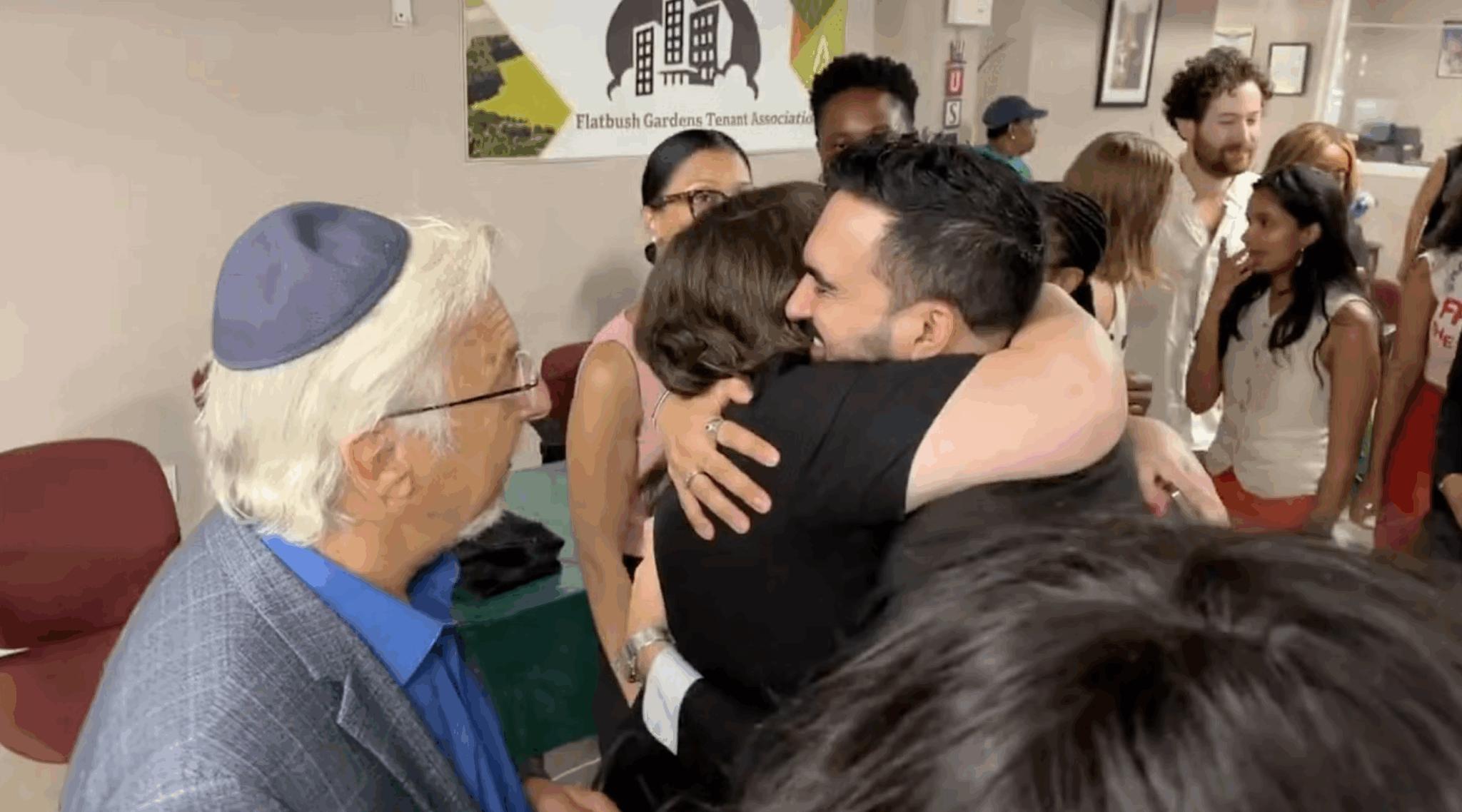
However, it would clearly be a mistake to claim that a candidate who secured 30 percent of the Jewish vote had “lost” the community, especially after enduring a barrage of attacks from his opponents.
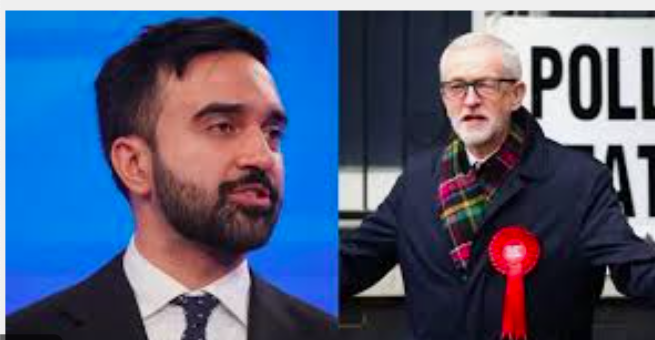
For comparison, in the UK, Jeremy Corbyn, who, like many on the left, has expressed admiration for Mamdani’s success, received the support of only around 11 percent of Jews as Labour leader in the 2017 general election, according to the Institute for Jewish Policy Research.
Many of those votes were thought to be motivated by loyalty to local MPs or the party itself, rather than support for Corbyn personally. By the 2019 election, that figure had fallen to just 6 percent.
In New York—a city of 1.3 million Jews among a general population of 8.5 million—it is therefore reasonable, at least according to the exit poll, to conclude that a significant segment of the community does not view Mamdani as negatively as Corbyn was seen by British Jews.
Lila Corwin Berman, a New York University professor of Jewish history, observed: “It really has not been the case that there has been a single political voice or political bloc among Jewish New Yorkers, from the earliest period when Jews lived in this city. There has always been a diversity of views about what is best.”
Some prominent Jewish leaders who had criticized Mamdani prior to the election—such as Anti-Defamation League CEO Jonathan Greenblatt—continued to express concern after his victory.
Greenblatt posted on X that, because of Mamdani’s “long, disturbing record on issues of deep concern to the Jewish community, we will approach the next four years with resolve.”
Others in the community took a more nuanced stance.
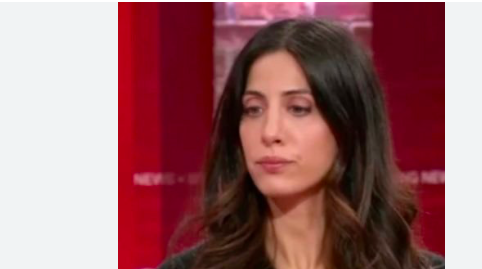
In a social media post Alana Zeitchik, an Israeli-American from Brooklyn whose family members were taken hostage by Hamas on October 7, revealed she left her ballot blank, feeling unconvinced by any of the three candidates.
She later explained that while she sympathized with many of Mamdani’s policies on the cost of living, she was unsettled by his activism and views on Israel, particularly his support for the BDS movement.
Zeitchik told CNN she was “conflicted”—hoping for Mamdani’s social policies to succeed, but wary of efforts to minimise his contentious statements about Israel.
Still, Mamdani’s real achievement in this election was to assemble an unlikely coalition of support from both liberal Zionist and anti-Zionist Jewish circles in New York.
He connected especially well with younger, progressive Jews frustrated with the status quo on Israel, particularly in the wake of Benjamin Netanyahu’s military response to the Hamas attacks in Gaza.
Mamdani’s campaign was bolstered by a grassroots push, with Jewish activists canvassing neighborhoods, championing his anti-antisemitism platform for New York, and criticising Netanyahu’s war in Gaza and the ongoing occupation of the West Bank.
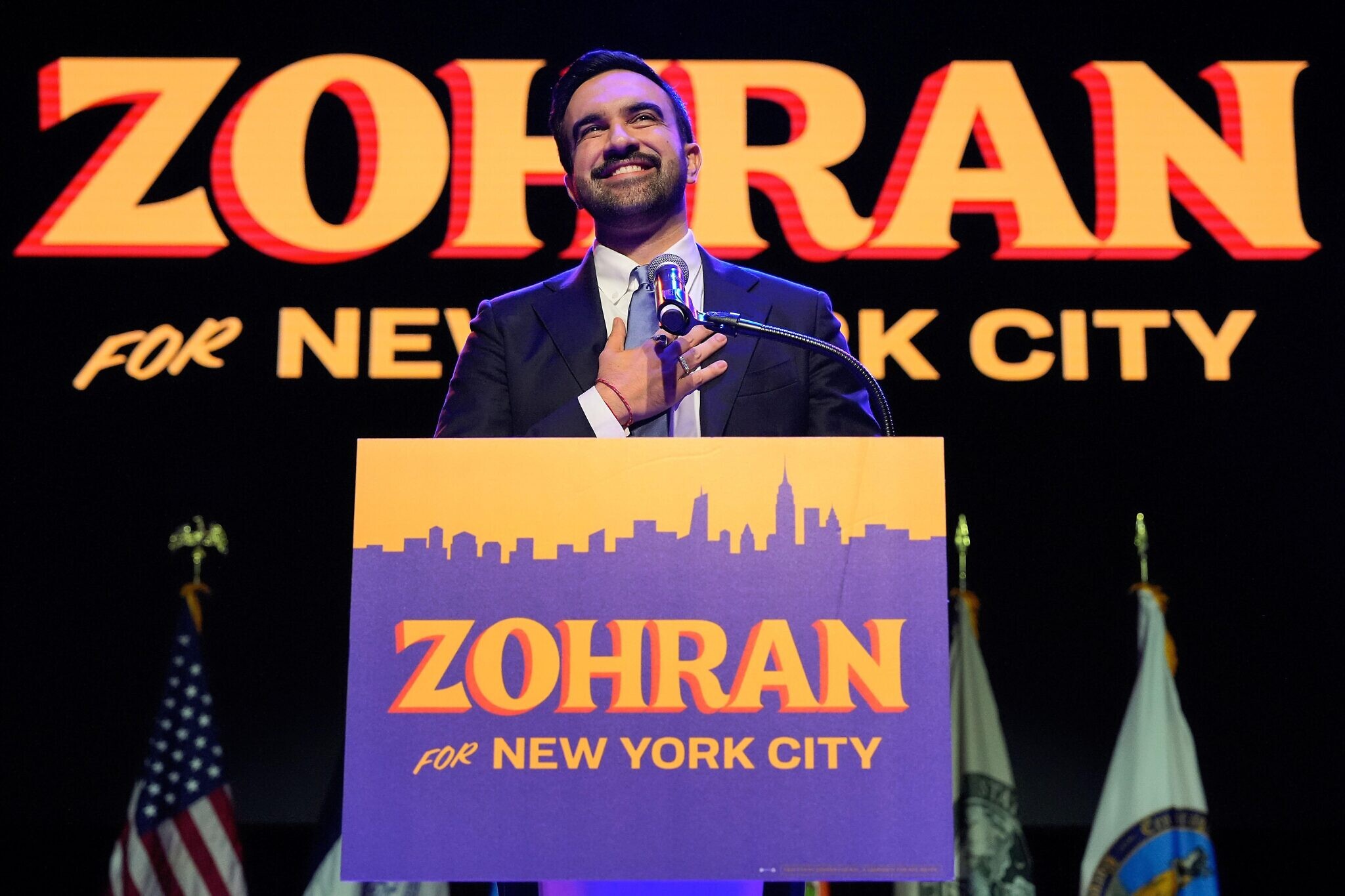
In his victory speech, Mamdani directly addressed concerns about rising antisemitism, promising: “We will build a City Hall that stands steadfast alongside Jewish New Yorkers and does not waver in the fight against the scourge of antisemitism.”
Organisations that have embraced anti-Zionism, such as Jews For Racial and Economic Justice, unsurprisingly expressed full support for Mamdani.
But his breakthrough was in winning over significant liberal Zionist support.
Notably, Brad Lander, the outgoing city comptroller and highest-ranking Jewish official in New York, endorsed Mamdani ahead of the Democratic primary. Lander, a Park Slope progressive, has taken a nuanced stance on the conflict in Gaza – critical of Netanyahu but supportive of Israel’s right to self-defense, a perspective common among centrist Democrats.
Some commentators argue that Lander helped moderate Mamdani’s more extreme positions on Israel, while also prompting a reassessment of his own previously uncritical support for the Jewish state.
Other prominent liberal Zionists, including Jerrold Nadler—Manhattan’s long-serving Jewish congressman—also backed Mamdani.
Just days before the election, J-Street founder Victor Kovner publicly endorsed Mamdani, stating he was “ready to handle the challenges of the city—and build lasting partnerships with its Jewish community.”
In the end, the unlikely coalition between anti-Zionist and liberal Zionist Jews held firm, even after a well-funded anti-Mamdani campaign threw everything it could at him—including the circulation of a 2023 video in which Mamdani told the Democratic Socialists of America, “We have to make clear that when the boot of the NYPD is on your neck, it’s been laced by the IDF.”
Unsurprisingly, President Donald Trump’s last-minute claim that Jews would be “stupid” to back Mamdani because he was a “self-professed JEW HATER” failed to sway the outcome.
Unlike Corbyn, who famously sidestepped allegations of antisemitism as Labour leader, Mamdani did not shy away from challenges to his views.
When pressed on whether he supports Israel’s right to exist as a Jewish state, he consistently responded: “I’m not comfortable supporting any state that has a hierarchy of citizenship on the basis of religion or anything else. I think that, as in this country, equality should be enshrined in every country in the world.”
He went on to say he would make this same point in relation to Hindu dominance of India, and Muslim control of Pakistan.
Perhaps the most significant takeaway from Mamdani’s victory is that, in New York City at least, it is possible to strongly criticise Israeli government policy and challenge traditional Zionist ideology—and still secure a significant share of the Jewish vote.
This outcome will likely frustrate Corbyn supporters in the UK, who were unable to achieve similar success, just as much as it will unsettle mainstream communal organizations that continue to act as if they represent a unified Jewish voice.

Keep community journalism free.
Jewish News is free for everyone. No paywall. No barriers. Just trusted journalism for anyone who wants to stay connected to Jewish life in Britain.
If you value that, please support us.
From as little as £5 a month, you can help keep our journalism free and accessible to all.
Every day, we report on the issues that matter to our community. We celebrate achievements, support charities, challenge antisemitism and ensure Jewish voices are heard more widely.
From as little as £5 a month, you can help us continue to:
- Report on the stories shaping Jewish life in the UK and beyond
- Bring our community together through shared stories, events and campaigns
- Celebrate the people, culture and moments that define our community
- Support organisations doing vital work across Jewish Britain
You can make a one-off donation or become a regular supporter. Every contribution helps keep our journalism free, independent and accessible to all.
If everyone who values Jewish News gave a small amount, it would make a real difference to our future.