Prefer Jewish News on Google
Hummus in space! Israeli team to plant chickpeas 300 miles above Earth
Two dozen seeds and a special greenhouse will be flown to the International Space Station to offer astronauts a fresh source of protein
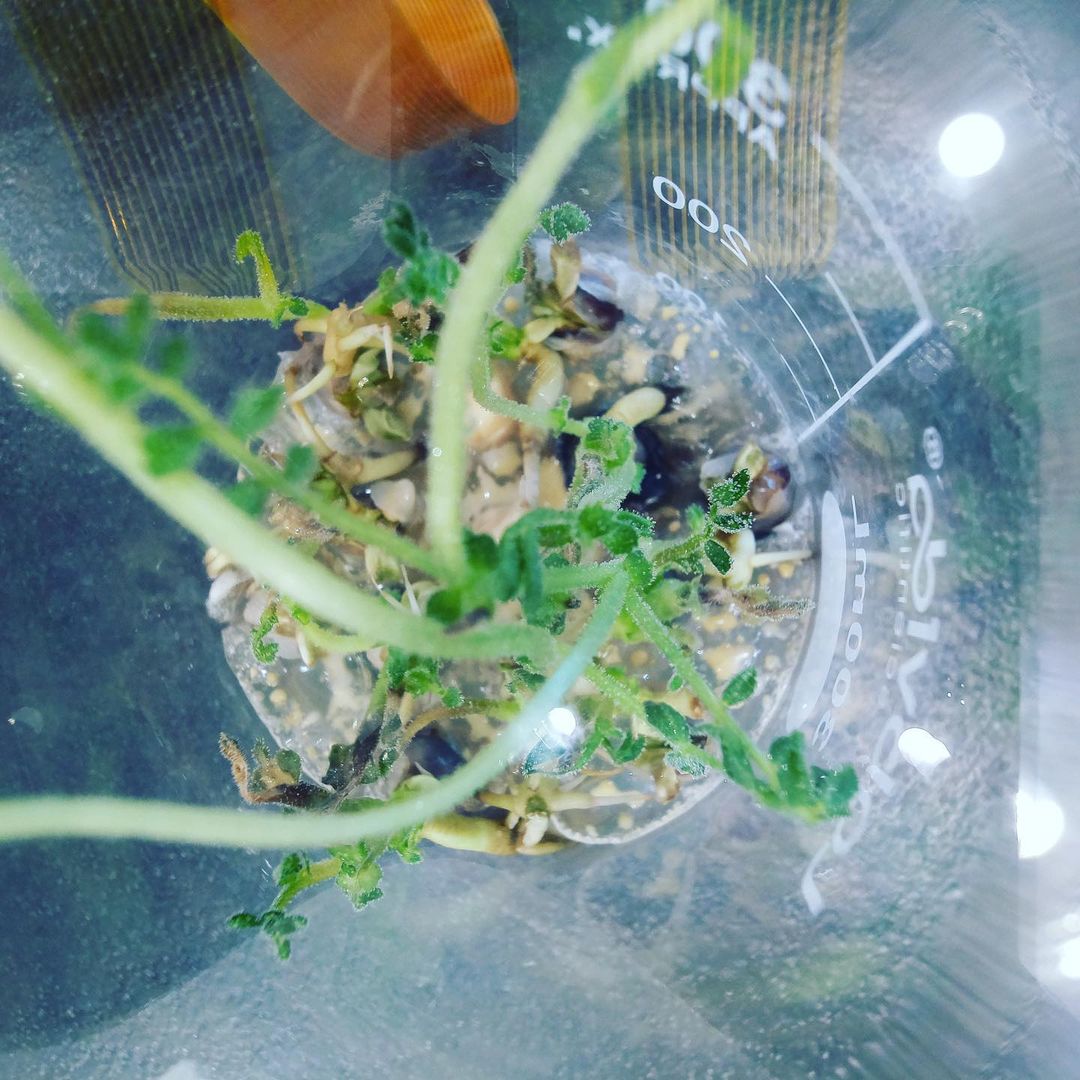
An Israeli team is aiming to plant its culinary flag in space by growing chickpeas to make hummus 300 miles above the Earth.
More than two dozen chickpea seeds and a special greenhouse will this week be flown to the International Space Station (ISS) in the hope of growing the protein-packed food source as a fresh food for astronauts.
The team is led by Yonatan Winetraub, 35, one of the three founders of SpaceIL, the Israeli non-profit behind the unsuccessful attempt to land the Beresheet spacecraft on the surface of the Moon in 2019.
Astronauts eat packaged and dehydrated meals, but NASA recently grew lettuce, cabbage, and kale aboard the ISS to add a fresh food source to their diets. The Israelis now hope to add their national dish to the menu, with chickpeas high in phosphorus, iron, and folic acid.
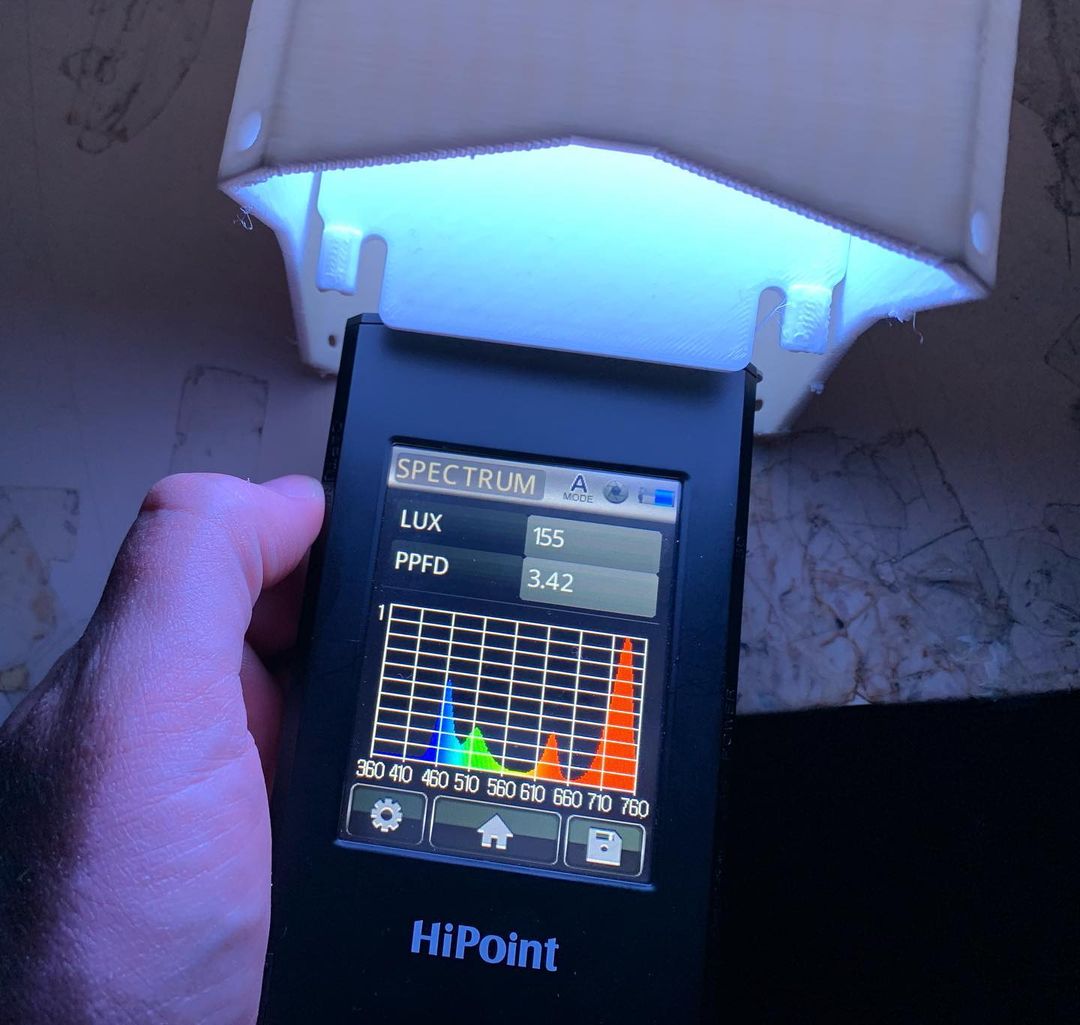
The ideal fresh food production in space should need minimal resources and result in minimal waste, while the plants must be easy to grow and quick to mature, but the lack of natural light and gravity first needs to be overcome.

The Israeli team of scientists and engineers have been working with peers from Stanford University in the United States to create and deliver a sealed miniature greenhouse on a NASA cargo shuttle taking off on 19 February.
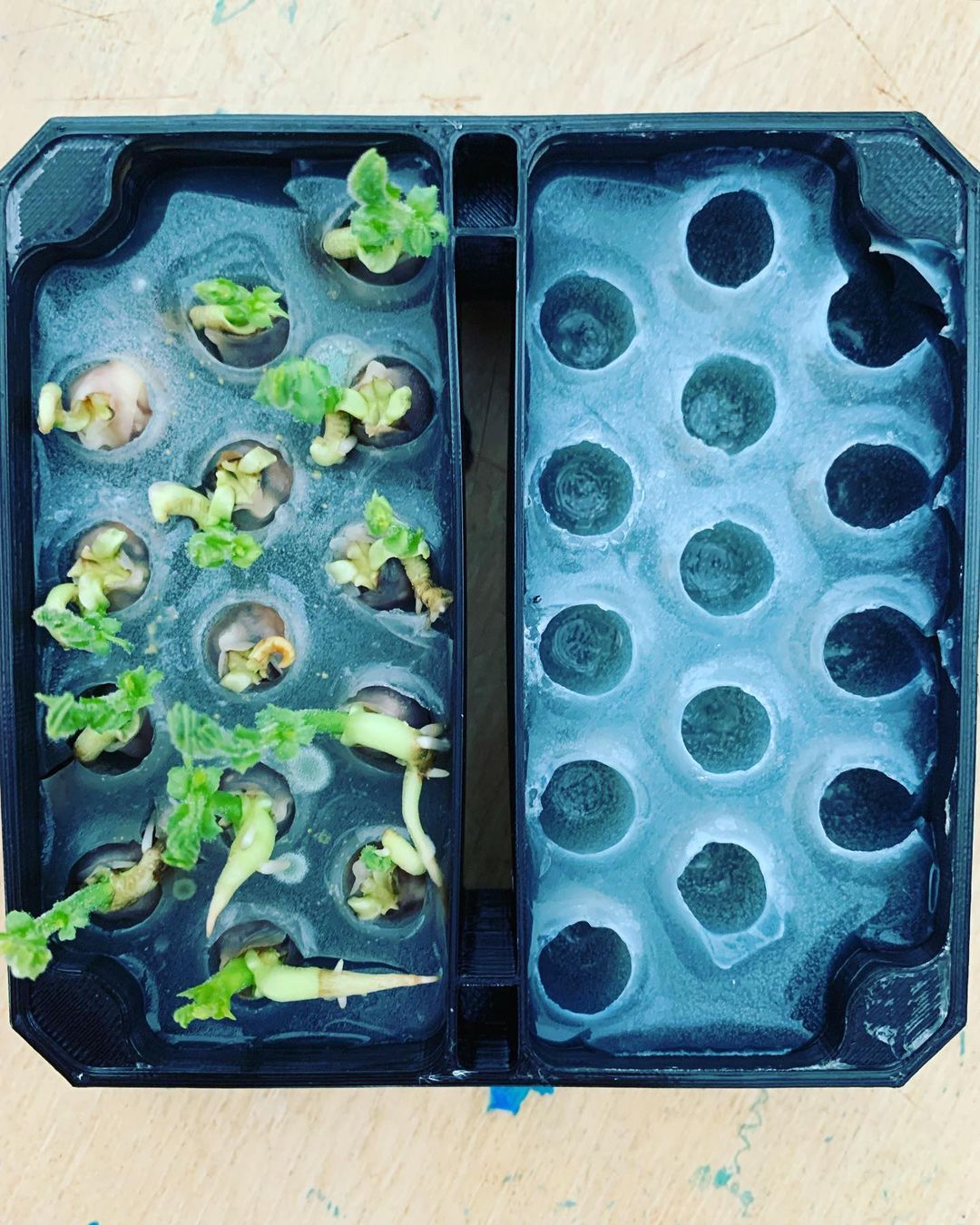
They plan to grow 28 chickpea seeds selected by the company behind Sabra Hummus for a period of one month. Israeli schoolchildren are also involved, growing control group plants on Earth, and managing the growth of the chickpeas remotely.
“You can’t let plants grow wild because they could run out of water or oxygen,” said Winetraub, speaking to JTA. “The challenge is not just how to grow as many chickpeas as possible, but how to control the way they are grown, so that we maximise our limited resources.
“The more we learn to grow food with fewer resources, the more prepared we will be for the challenges that await us on Earth as well.”
He said the team were eager to understand not just how a space-grown chickpea will taste but how its roots will grow, given that gravity on Earth means they grow down.
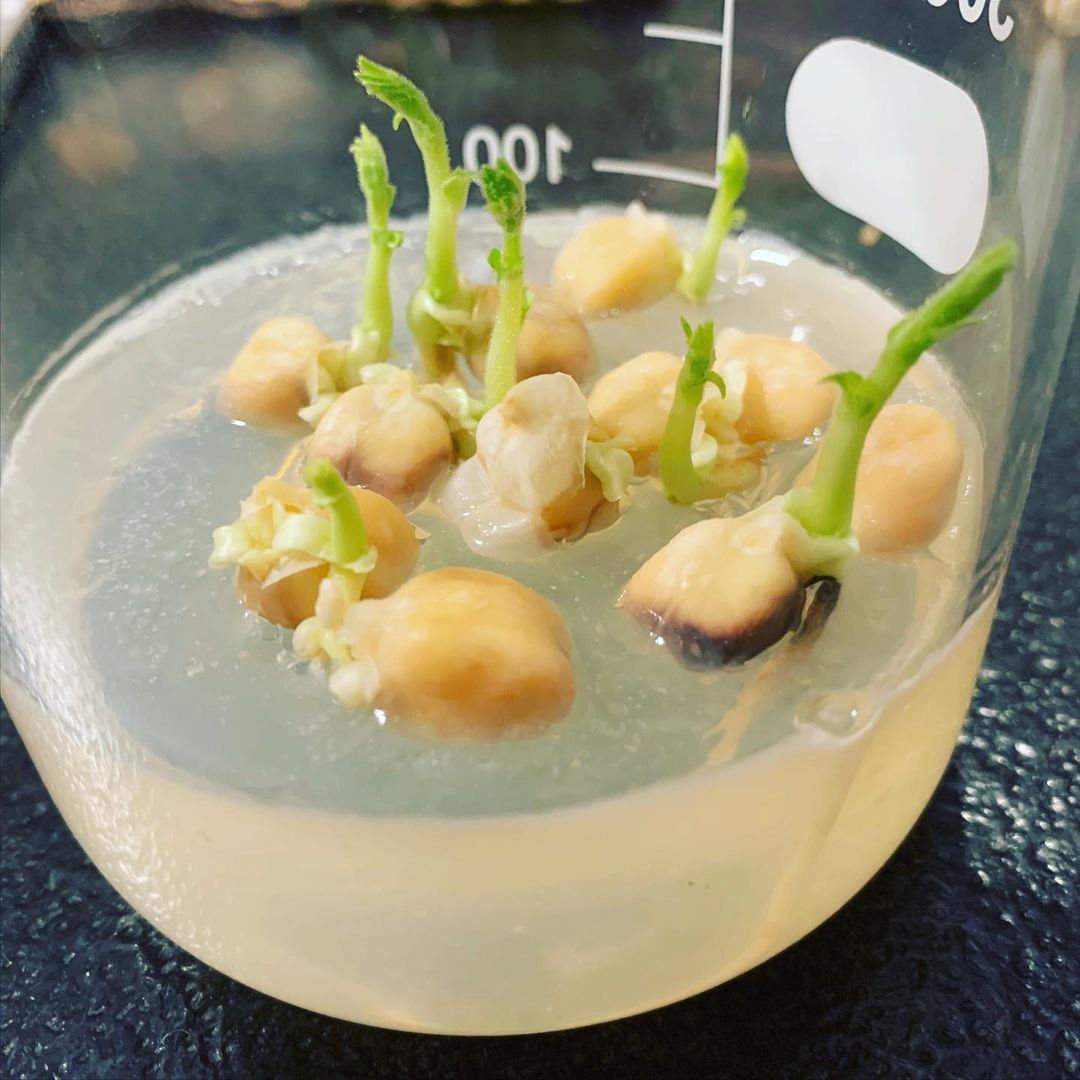
The seeds have been chosen for their resistance to temperature change, among other things, and an Israeli fertiliser company has come up with a nutrient gel in which they will grow. Tiny cameras will monitor their progress.
Ariel Rosenthal, co-author of a book on hummus, described the famous dip as “the perfect food”, adding: “It will make the Moon a better place. Imagine if Eve [in the garden of Eden] had eaten a chickpea instead of an apple.”

Keep community journalism free.
Jewish News is free for everyone. No paywall. No barriers. Just trusted journalism for anyone who wants to stay connected to Jewish life in Britain.
If you value that, please support us.
From as little as £5 a month, you can help keep our journalism free and accessible to all.
Every day, we report on the issues that matter to our community. We celebrate achievements, support charities, challenge antisemitism and ensure Jewish voices are heard more widely.
From as little as £5 a month, you can help us continue to:
- Report on the stories shaping Jewish life in the UK and beyond
- Bring our community together through shared stories, events and campaigns
- Celebrate the people, culture and moments that define our community
- Support organisations doing vital work across Jewish Britain
You can make a one-off donation or become a regular supporter. Every contribution helps keep our journalism free, independent and accessible to all.
If everyone who values Jewish News gave a small amount, it would make a real difference to our future.