Prefer Jewish News on Google

I owe Manfred Goldberg my life
The end of an epoch: Zigi Shipper's grandson reflects on a profound friendship between two Holocaust survivors
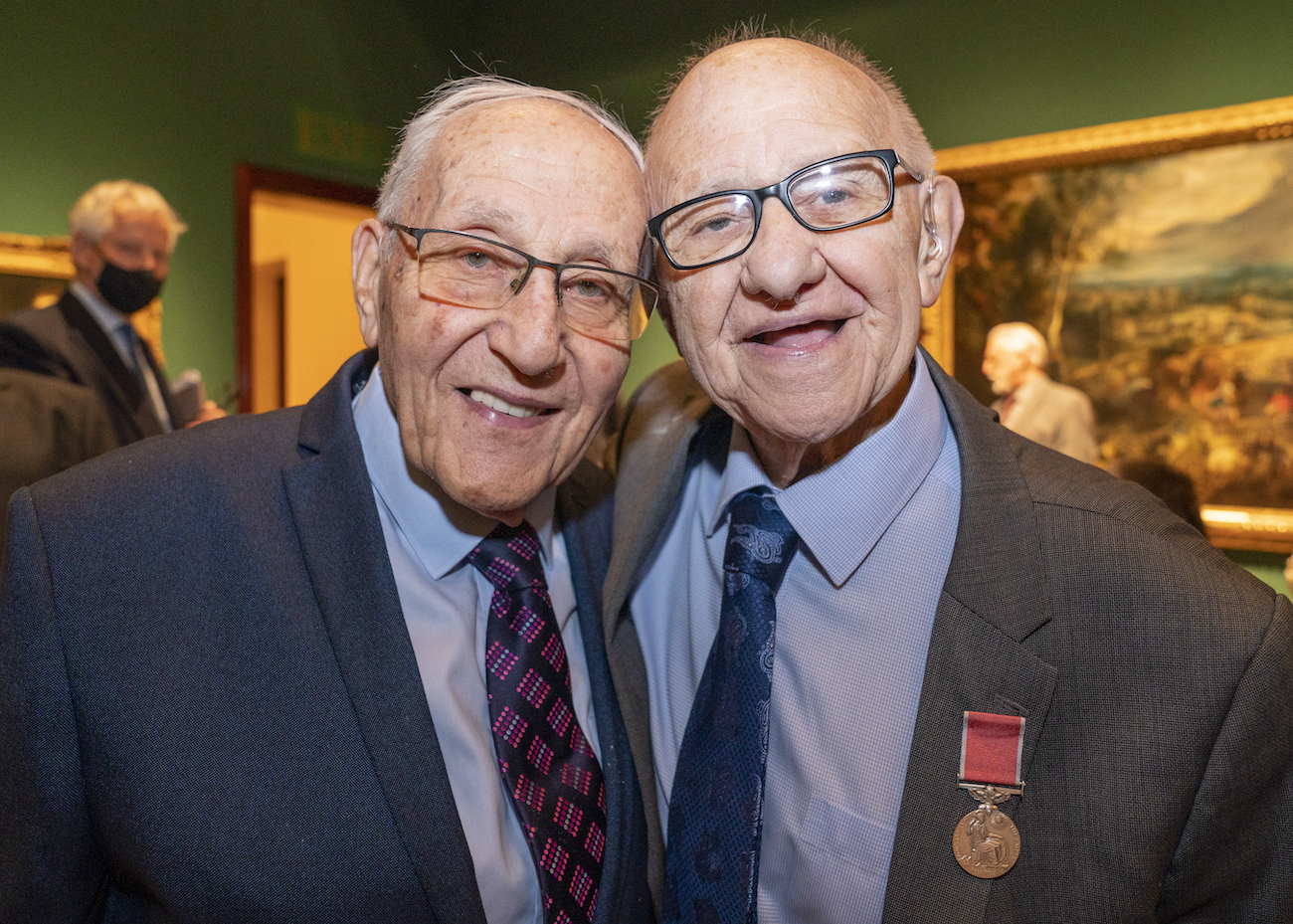
When my grandfather, Zigi Shipper, died on his 93rd birthday in January 2023, Manfred Goldberg heard the news while in Scotland addressing 450 guests of the Edinburgh Jewish Society. Zigi was an integral part of Manfred’s story and vice versa, both mentioning the other when sharing their testimonies up and down the country. Manfred was in his nineties by that point and yet still made sure to rush home early to attend the shiva. He was the last person through the door that night but undoubtedly the most significant.
Manfred died last week at the age of 95 and it would not be hyperbolic to state that, without him, my grandfather would have died in his early teens and thus I owe him my life. In fact, he was directly responsible for the lives of my mother and her sister, my siblings and cousins as well as their children and mine. That’s fifteen human beings at the time of writing and a couple more on the way. “Thank you” doesn’t quite feel sufficient.
The pair met as slave labourers on the railways in a concentration camp in 1944 and their lives would be constantly entwined over the next eighty years, a sentence that would have seemed extraordinarily far-fetched at the time. In April 1945, Zigi and Manfred were marched out of the camp at Stutthof on a death march, so named in Zigi’s words because, in his own idiosyncratic sentence construction, “or you marched or you died.”
The latter seemed the most likely outcome were it not for the intervention of Manfred, his mother and a few others who dragged Zigi along when he felt he could walk no further. Eventually British tanks came into view, the SS guards fled and the men found they had finally been liberated and the ordeal was over. Not for nothing did they both end up settling in this country and Zigi would often speak of how he owed his life to the British. The British and, lest we forget, Manfred.

Like many a profound friendship, the pair could go years without seeing one another then pick up as though not time at all had elapsed. In England, during their teenage years, Zigi and Manfred would visit each other’s homes on weekends, perhaps a calming sense of familiarity came from being around someone who had endured the identical trauma. Zigi’s closest friends, those he deemed “brothers”, were all survivors. Time is the only story, unfortunately, and very few remain.


In the summer of 2017, Zigi and Manfred returned to Stutthof in rather different circumstances. They were accompanying the Prince and Princess of Wales on a tour that saw my grandfather tell the future King of England, “If it wasn’t for Manfred, I wouldn’t be alive today.” When they were reunited with Kate Middleton for an online chat years later, Zigi was in less sombre mood and told the Princess: “I didn’t need your husband, you were the one I wanted.”
Like Zigi, Manfred did not begin to talk about his wartime experiences until his third and final act yet it took over to the point that his testimony was heard by thousands of young people in Britain and beyond, a stark warning about the dangers of prejudice in an increasingly polarised world. He was telling his story on the day Zigi died because it was something he did most days once the floodgates opened in his 70s.
At the time, Manfred paid tribute with the words:
“It felt highly appropriate to share our joint story with the younger generation on this day – an activity to which we both committed ourselves in later years. The end of an era. I shall miss him greatly.”
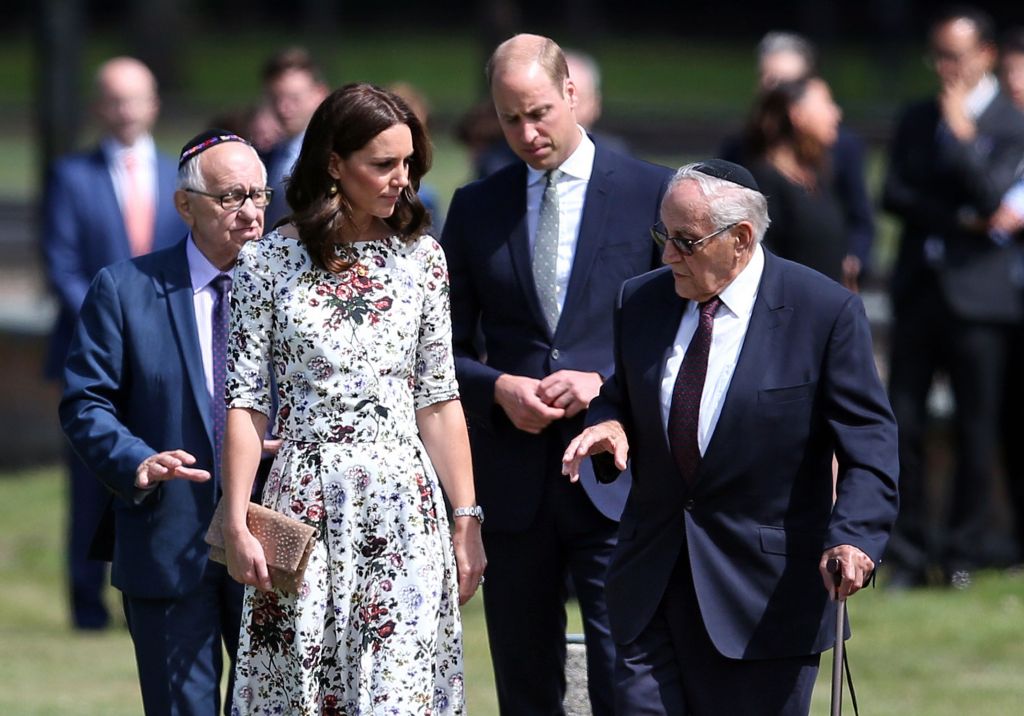
Photo credit: Jane Barlow/PA Wire
Now it truly feels like the end of an epoch. It has never been more important that we heed the words of Manfred and his peers, genuine heroes in a world where the word is in danger of losing all meaning. He was still visiting schools and sharing his story this year, in his mid-90s. He told the pupils:
“My purpose for coming here is because what happened must never be forgotten, in order to make sure it can never ever happen again. Once people understand what the Holocaust represents, I think every single one of them contributes to preventing it ever happening again. Silence never helps the oppressed.”
Manfred is silent now but his words and actions will live on in the hearts of his family, ours and generations of British schoolchildren. His memory will be a blessing.
- Darren Richman is a journalist.

Keep community journalism free.
Jewish News is free for everyone. No paywall. No barriers. Just trusted journalism for anyone who wants to stay connected to Jewish life in Britain.
If you value that, please support us.
From as little as £5 a month, you can help keep our journalism free and accessible to all.
Every day, we report on the issues that matter to our community. We celebrate achievements, support charities, challenge antisemitism and ensure Jewish voices are heard more widely.
From as little as £5 a month, you can help us continue to:
- Report on the stories shaping Jewish life in the UK and beyond
- Bring our community together through shared stories, events and campaigns
- Celebrate the people, culture and moments that define our community
- Support organisations doing vital work across Jewish Britain
You can make a one-off donation or become a regular supporter. Every contribution helps keep our journalism free, independent and accessible to all.
If everyone who values Jewish News gave a small amount, it would make a real difference to our future.