Prefer Jewish News on Google
‘I was ready to kill my captors – then I sang to them’: Hostage survivor’s haunting testimony
Freed Israeli hostage recalls surviving 505 days in Gaza by faith, music, and restraint
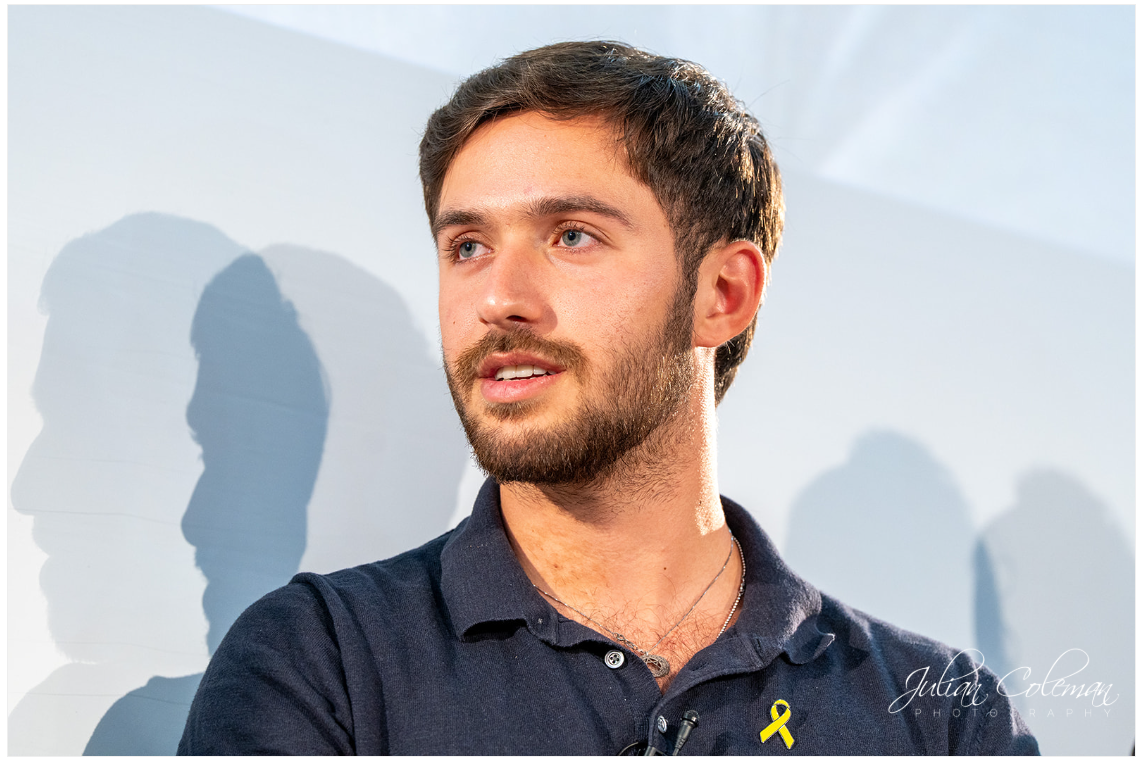
Omer Shem Tov planned to kill his Hamas guards. Then he sang them a pop song.
Standing before a packed audience in London on Thursday night, the 23-year-old Israeli – who spent 505 days in captivity, including over a year in a Gaza tunnel – said the decision not to go through with his escape plan may have saved his life, and eventually gave him back a different one.
“I picked up an AK-47,” he told the crowd. “I planned it. I was ready. But I was scared the gun would jam.”
The gun had been left in the room as his captors slept. For a moment, he considered shooting his way out. “I thought that’s what I’d have to do – kill them. But in the end, I put it back down. I didn’t trust the weapon. And I didn’t want to die that way.”
Instead of violence, he turned to something else entirely: music. “One of them said he knew (Israeli singer) Eden Ben Zaken, so I started singing Rose Queen. When I stopped, he carried on.”


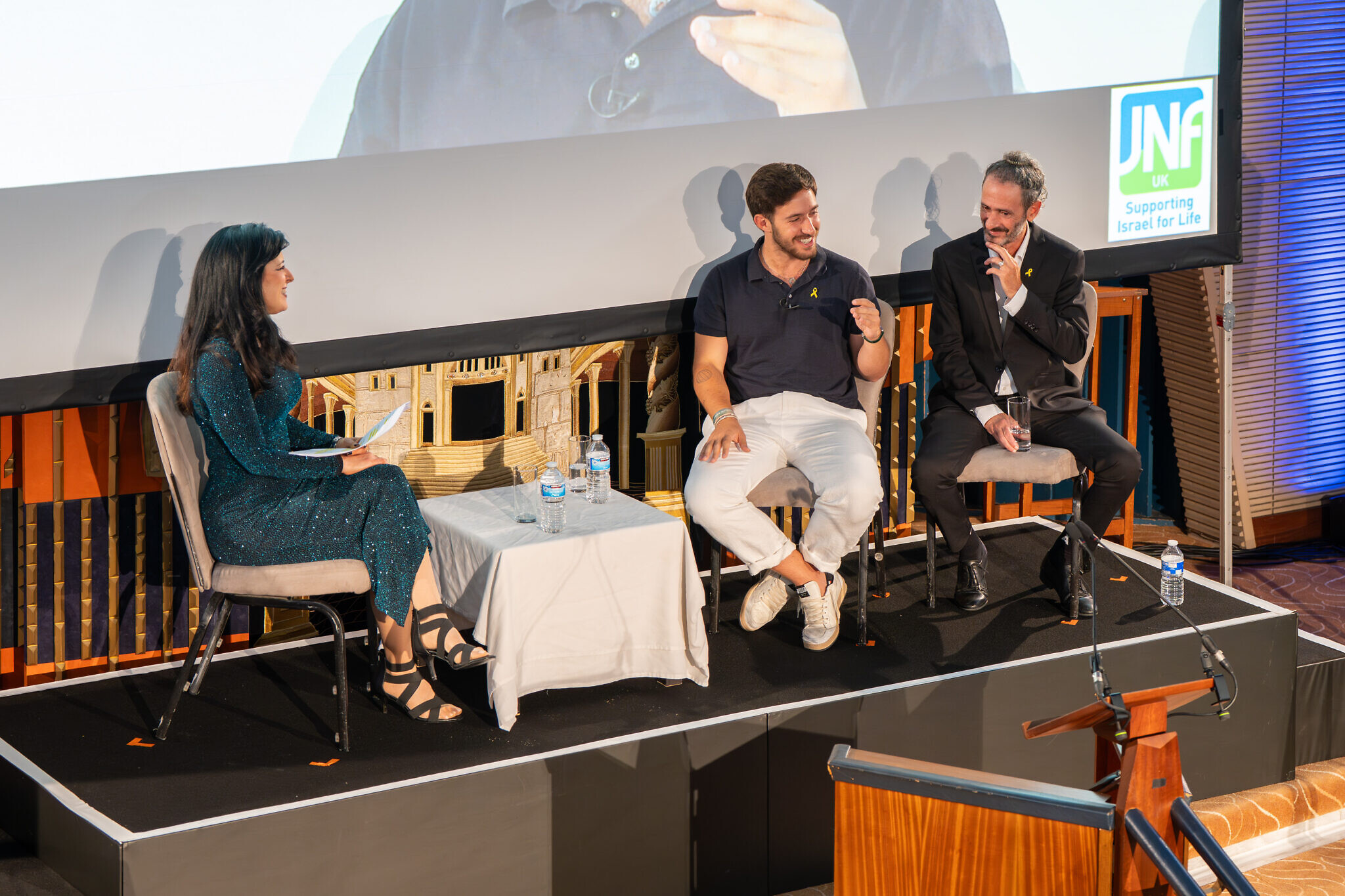
It was one of several haunting revelations from Shem Tov during the UK premiere of Home: Omer Shem Tov Speaks, a new documentary directed by veteran Israeli producer Yoram Zak. Hosted by Dana Zohar on behalf of JNF UK, the event drew several hundred people and featured a recorded message from Israeli President Isaac Herzog.
His story is all of our stories. His pain is our pain. His resilience is our resilience
Shem Tov, who was kidnapped from the Nova music festival on 7 October 2023, spent most of his captivity underground, alone, starved, and abused. “They gave me a bottle of water, then showed me videos from 7 October,” he said. “There was no mercy. I can never forget, and I can never forgive.”
At one point, he was given a marker pen. “I drew the sea and sun – memories of my home,” he said. “One of the terrorists came in and erased it.”
Eventually transferred to a slightly larger cell, Shem Tov tried to build a rapport with his captors. “There was an unwritten agreement: if I helped, they’d be nicer. I did the washing up, the cooking, some electrics. Before I left, they even asked me how the kitchen appliances worked.”
Food was sparse – sometimes just salty water and half a pita. He would delay eating for hours to stretch it out. “It was total darkness. No shadows. Blindness.”
He survived, he said, by maintaining routines, staying mentally active, and praying. “I used to sit and talk to God: ‘Thank you for letting me breathe. Strengthen me. Keep my family safe.’”
Since his release in February, his relationship with faith has only deepened. “Now I feel Him every second of the day. Once, I didn’t speak to Him for two weeks. Then I stood by a window, closed my eyes, and spoke. I smiled so much. I missed Him.”
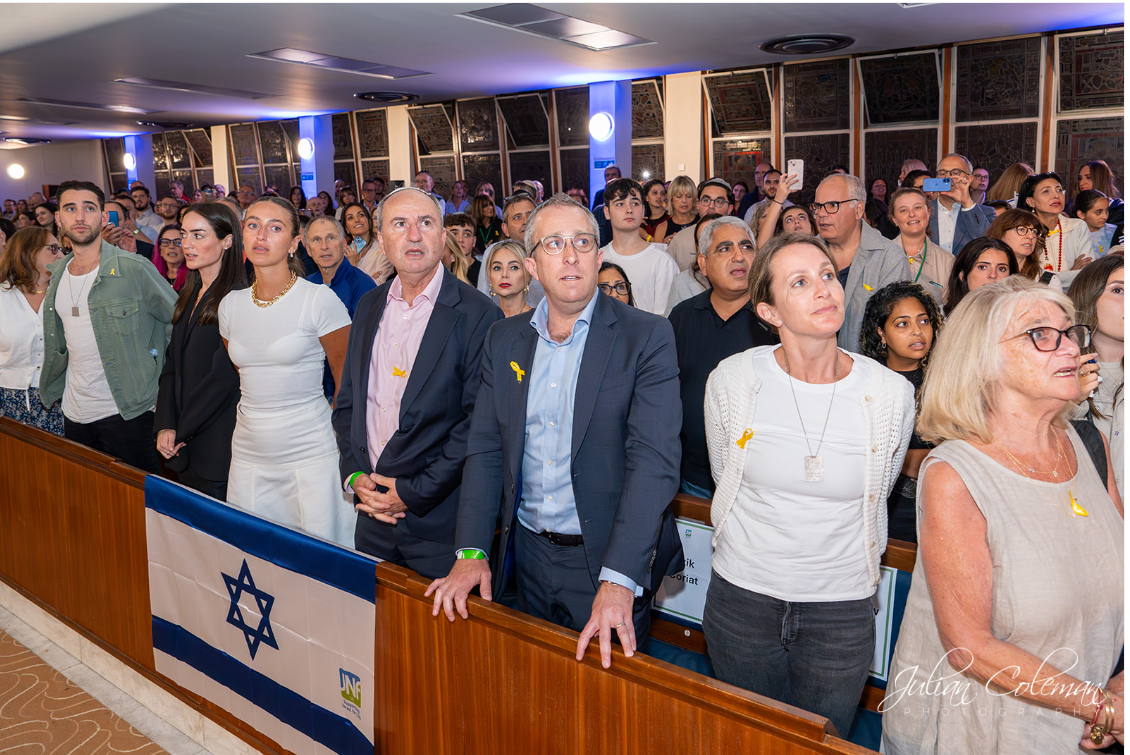
Julian Coleman Photography
The film, produced originally for Uvda (Fact), a flagship Israeli current affairs programme on Keshet 12 and run by veteran journalist Ilana Dayan, is the latest series by Zak documenting hostage families.
Zak told the audience he had been approached just days after 7 October to begin filming families. “I didn’t know who to choose – the list was too long. But I met the Regev family, and something clicked. My own children are their age. It became very personal.”
The project expanded over more than a year, including scenes from Omer’s eventual return. “That moment when he emerged… I didn’t even watch the screen I shut down,” Zak admitted. “But then I saw Dana’s face – her smile – that was the story.”
Also present was Malki Shem Tov, Omer’s father, and representatives from the Hostage and Missing Families Forum. The event closed with Shem Tov, Zak and JNF UK’s Dana Zohar leading the crowd in singing Hatikvah.
Despite his composed presence, Omer admitted the trauma lingers. “When I hear jets now, I freeze. But I’m okay.
After 400 days in a tunnel, even the sun is a wonder. The wind – it’s a wonder
One of the most powerful moments came as he described the day of his release. Blindfolded and dressed in an IDF uniform, he stood at the tunnel exit with fellow hostages Eliya Cohen and Omer Wenkert.
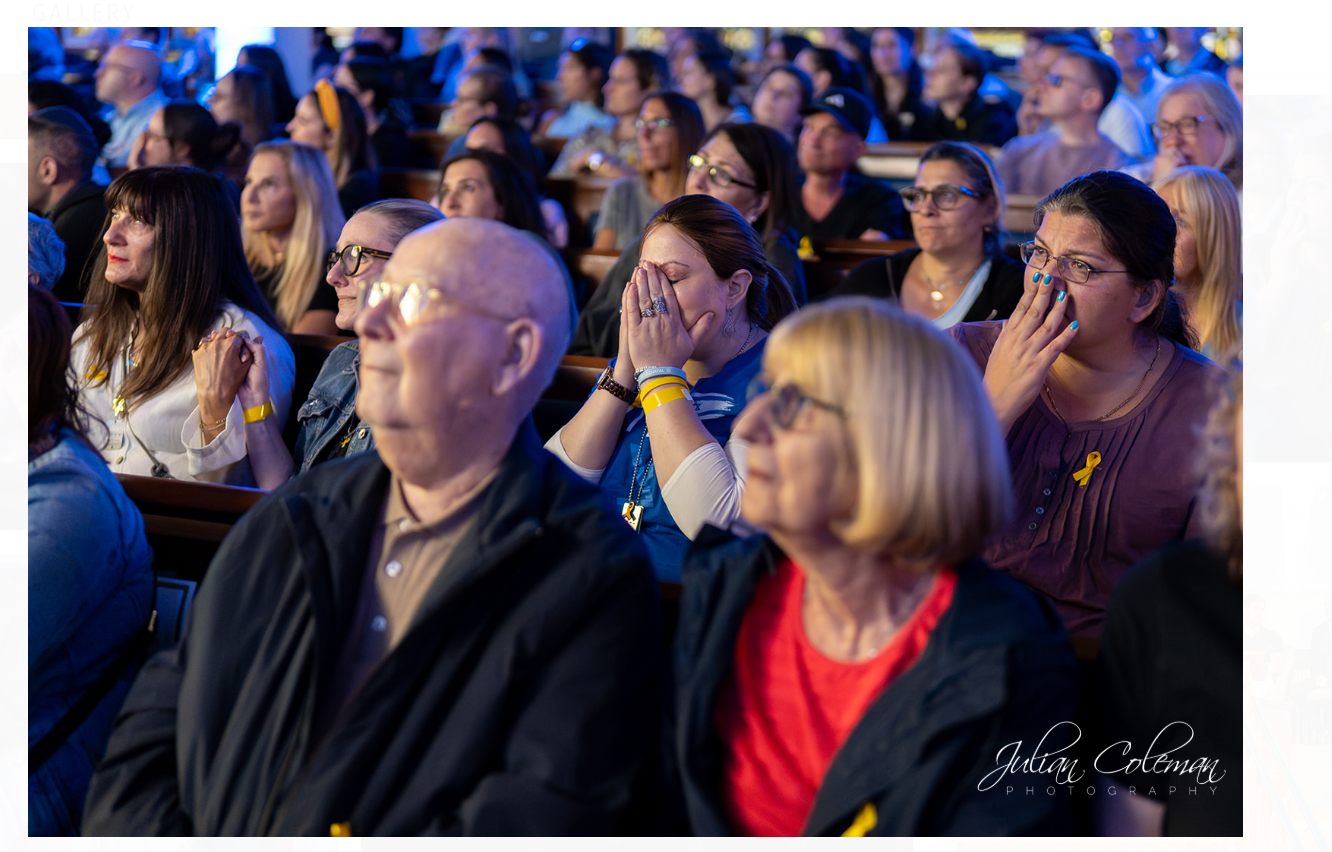
Julian Coleman Photography
“I heard Eliya saying Shir Hama’alot. I started singing it. Then Omer joined. So, the three of us sang it together – loud and proud – in front of the terrorists. I’ll never forget it.”
Asked what message he would send to the 50 hostages still in captivity, Omer replied: “Just a little more. I had a dream, around day 200, that my mum came to me and said: ‘You have to wait. But when it comes, it’ll be even more fulfilling.’ You’ll come back a better man than when you went in.”

Keep community journalism free.
Jewish News is free for everyone. No paywall. No barriers. Just trusted journalism for anyone who wants to stay connected to Jewish life in Britain.
If you value that, please support us.
From as little as £5 a month, you can help keep our journalism free and accessible to all.
Every day, we report on the issues that matter to our community. We celebrate achievements, support charities, challenge antisemitism and ensure Jewish voices are heard more widely.
From as little as £5 a month, you can help us continue to:
- Report on the stories shaping Jewish life in the UK and beyond
- Bring our community together through shared stories, events and campaigns
- Celebrate the people, culture and moments that define our community
- Support organisations doing vital work across Jewish Britain
You can make a one-off donation or become a regular supporter. Every contribution helps keep our journalism free, independent and accessible to all.
If everyone who values Jewish News gave a small amount, it would make a real difference to our future.