Prefer Jewish News on Google
‘I’m leaning in to Israeli tech,’ says top US investor
Ezra Gardner, the founder of Varana Capital, believes AI's growing demand for power is creating a multi-trillion-dollar opportunity for Israeli deep-tech companies

While some international investors have pulled back from Israel amid the war, others are making bigger bets than ever.
Among them is Ezra Gardner, co-founder of Varana Capital, a US-based investment firm which is upping its focus on Israeli technology companies.
“We’ve definitely leaned in,” Gardner tells Jewish News. “We’ve become much more active in investing since the war.
“We’ve always known Israel has the best universities, the best minds and significant semiconductor and software capability,” he says. “The question has really been about security, and I think that mindset has now changed.
“Israel’s security capabilities have been proven in a way that people probably didn’t fully appreciate before.”
Gardner points to record highs on the Tel Aviv Stock Exchange and the strength of the shekel as signs of growing confidence in the Israeli ecosystem.
Yes, some European investors have pulled back but the dollars interested in investing in Israel have gone up. There’s been a seismic shift in interest from the US,” he says, particularly in strategic sectors linked to semiconductors, defence and AI infrastructure.
“But capitalism will prevail. They’ll (European investors) get back on the boat at some point.”
Based in Denver, Colorado, Gardner became one of the youngest desk heads in UBS history, running a $30 billion long-short equity desk by the age of 28. He had previously worked at JPMorgan and Michael Dell’s family office before co-founding Varana Capital, where he now focuses much of his investment activity on Israeli technology, spending around one week a month in the country.
Gardner believes Israel is entering “a Kennedy era” for technology – a defining moment for the country’s innovation ecosystem that also reflects a renewed global focus on strategic industries, echoing the space race of the 1960s.
“I mean this in two ways,” he explains. “First, it’s a Camelot moment – a chance for Israel to spread its wings after the war. But it’s also about the return of the space era, where aerospace and defence are coming back to the forefront and Israel are well positioned for this.”
Gardner believes the biggest opportunities now lie in advanced energy, aerospace and semiconductors, driven by the rapid growth of artificial intelligence.
Rather than focusing solely on software, investors are increasingly backing the technologies that make AI possible – from semiconductor chips and data centres to advanced manufacturing and the energy systems needed to power them.
“The next wave of Israeli technology is deep tech or hardware,” he says. “Everything has become a hardware and software stack. They’re inseparable.”
The space tech sector has been in the spotlight of late, driven by growing investment from governments and private companies such as Elon Musk’s SpaceX.
“People know Israel is very strong in cybersecurity. People know Israel is very strong in semiconductors. What many people don’t realise is that Israel is also very strong in space technology.”
Gardner believes Elon Musk could eventually invest more heavily in Israel’s space sector.
“I don’t see why not,” he says. “I don’t think Elon has shown any type of politics in his investing. I think he’s a capitalist and very practical – no different to Jensen Huang at Nvidia, which has outlined plans for a major new campus in the north of the country. I think Elon Musk is of that same mindset.”
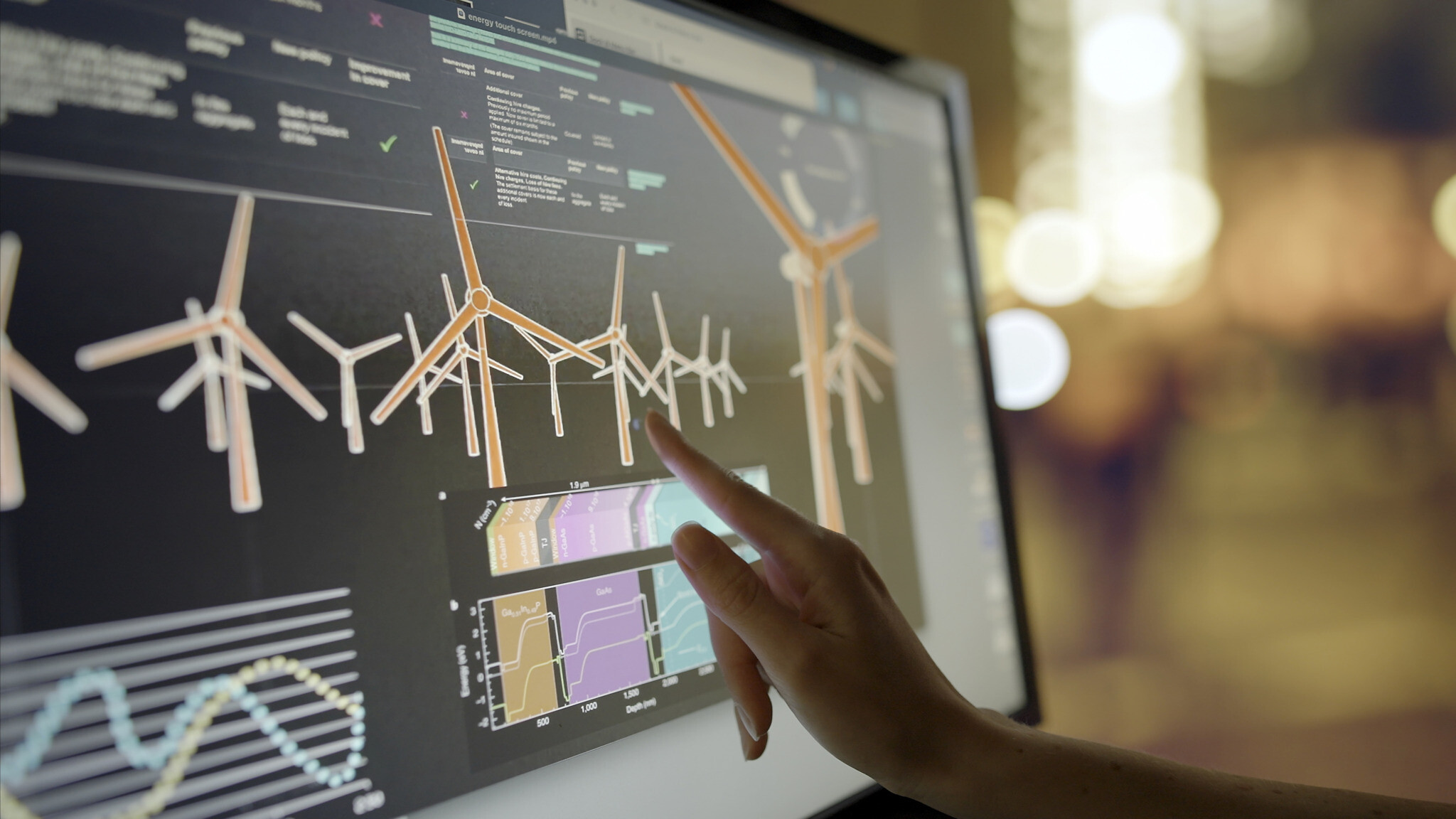
Of all the sectors Gardner is backing, however, one stands above the rest: advanced energy.
“AI, electrification and data centres all require enormous amounts of power and meeting that demand could create one of the world’s next multi-trillion-dollar investment opportunities, driving growth in areas such as advanced batteries, geothermal energy and next-generation nuclear power.
“There are significant opportunities for Israeli companies developing technologies to support that transition.”
For Gardner, that investment thesis is already producing results.
One example is EVR Motors, an Israeli developer of energy-efficient electric motors, which Varana backed during the war as it moved from development to commercialisation.
Earlier this year, the company signed an exclusive licensing agreement with Indian engineering giant Larsen & Toubro.
He also highlights NeuReality, which he believes is poised for a breakthrough year. The company is building a smarter way to run AI – combining dedicated chips with its operating system to make AI systems faster, more efficient, and less expensive to operate.
“The thesis of leaning into Israel when everyone was running for the exits proved to be quite a good path to follow.”

Keep community journalism free.
Jewish News is free for everyone. No paywall. No barriers. Just trusted journalism for anyone who wants to stay connected to Jewish life in Britain.
If you value that, please support us.
From as little as £5 a month, you can help keep our journalism free and accessible to all.
Every day, we report on the issues that matter to our community. We celebrate achievements, support charities, challenge antisemitism and ensure Jewish voices are heard more widely.
From as little as £5 a month, you can help us continue to:
- Report on the stories shaping Jewish life in the UK and beyond
- Bring our community together through shared stories, events and campaigns
- Celebrate the people, culture and moments that define our community
- Support organisations doing vital work across Jewish Britain
You can make a one-off donation or become a regular supporter. Every contribution helps keep our journalism free, independent and accessible to all.
If everyone who values Jewish News gave a small amount, it would make a real difference to our future.