Iran’s nuclear weapons capability greatly reduced
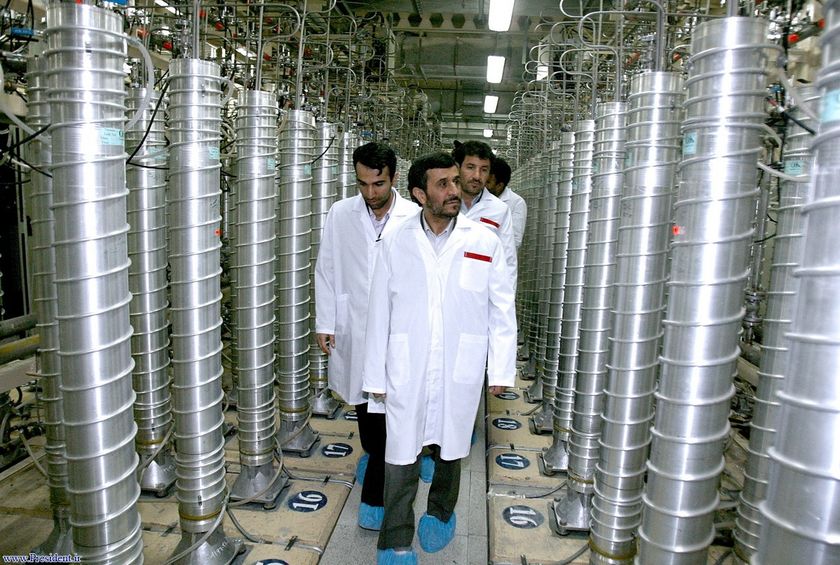
Iran has converted most of a nuclear stockpile that it could have turned quickly into weapons-grade uranium into less volatile forms as part of a deal with six world powers, the UN atomic agency says.
The development leaves Iran with substantially less of the 20% enriched uranium that it would need for a nuclear warhead.
Iran denies any interest in atomic arms. But it agreed to some nuclear concessions in exchange for a partial lifting of sanctions crippling its economy under the deal, which took effect in January.
Uranium at 20% is only a technical step away from weapons-grade material. By the time the agreement was reached late last year, Iran had amassed nearly 200 kilos (440 lbs). With further enrichment, that would have yielded almost enough weapons-grade uranium for one atomic bomb – a threshold Israel had vowed it would prevent by any means possible.
Under its agreement, Iran agreed to stop enriching to grades beyond 5%, the level most commonly used to power reactors. It also committed to neutralising all its 20% stockpile – half by diluting to a grade that is less proliferation-prone and the rest by conversion to oxide used for reactor fuel.
The UN’s International Atomic Energy Agency confirmed today that Iran had completed the dilution process.
A confidential IAEA report obtained by the AP earlier said conversion was well under way, with over 50 kilos (110 lbs) of the 20% material rendered into oxide.
Iran has until July to fulfil all of its commitments under the deal. But it has to show progress in exchange for sanctions relief, and it is eager to get its hand on the next tranche of some 4.2 billion dollars (£2.5bn) of oil revenue funds that were frozen under international sanctions meant to force it into nuclear compromise. It already has received more than half of that amount in exchange for step-by-step implementation of the agreement.
The November deal between Iran and the six – the United States, Russia, China, Britain, France and Germany – is meant to lead to a comprehensive deal placing long-term caps on Iran’s enrichment programme and other atomic activities in exchange for full sanctions relief. The two sides hope to reach agreement by July.

Keep community journalism free.
Jewish News is free for everyone. No paywall. No barriers. Just trusted journalism for anyone who wants to stay connected to Jewish life in Britain.
If you value that, please support us.
From as little as £5 a month, you can help keep our journalism free and accessible to all.
Every day, we report on the issues that matter to our community. We celebrate achievements, support charities, challenge antisemitism and ensure Jewish voices are heard more widely.
From as little as £5 a month, you can help us continue to:
- Report on the stories shaping Jewish life in the UK and beyond
- Bring our community together through shared stories, events and campaigns
- Celebrate the people, culture and moments that define our community
- Support organisations doing vital work across Jewish Britain
You can make a one-off donation or become a regular supporter. Every contribution helps keep our journalism free, independent and accessible to all.
If everyone who values Jewish News gave a small amount, it would make a real difference to our future.