Prefer Jewish News on Google
Israel emerges as global leader in breast cancer innovation
To mark Breast Cancer Awareness month, Candice Krieger, in collaboration with Startup Nation Central, shines a light of some of the Israeli startups developing breakthrough solutions for detection and treatment of the disease
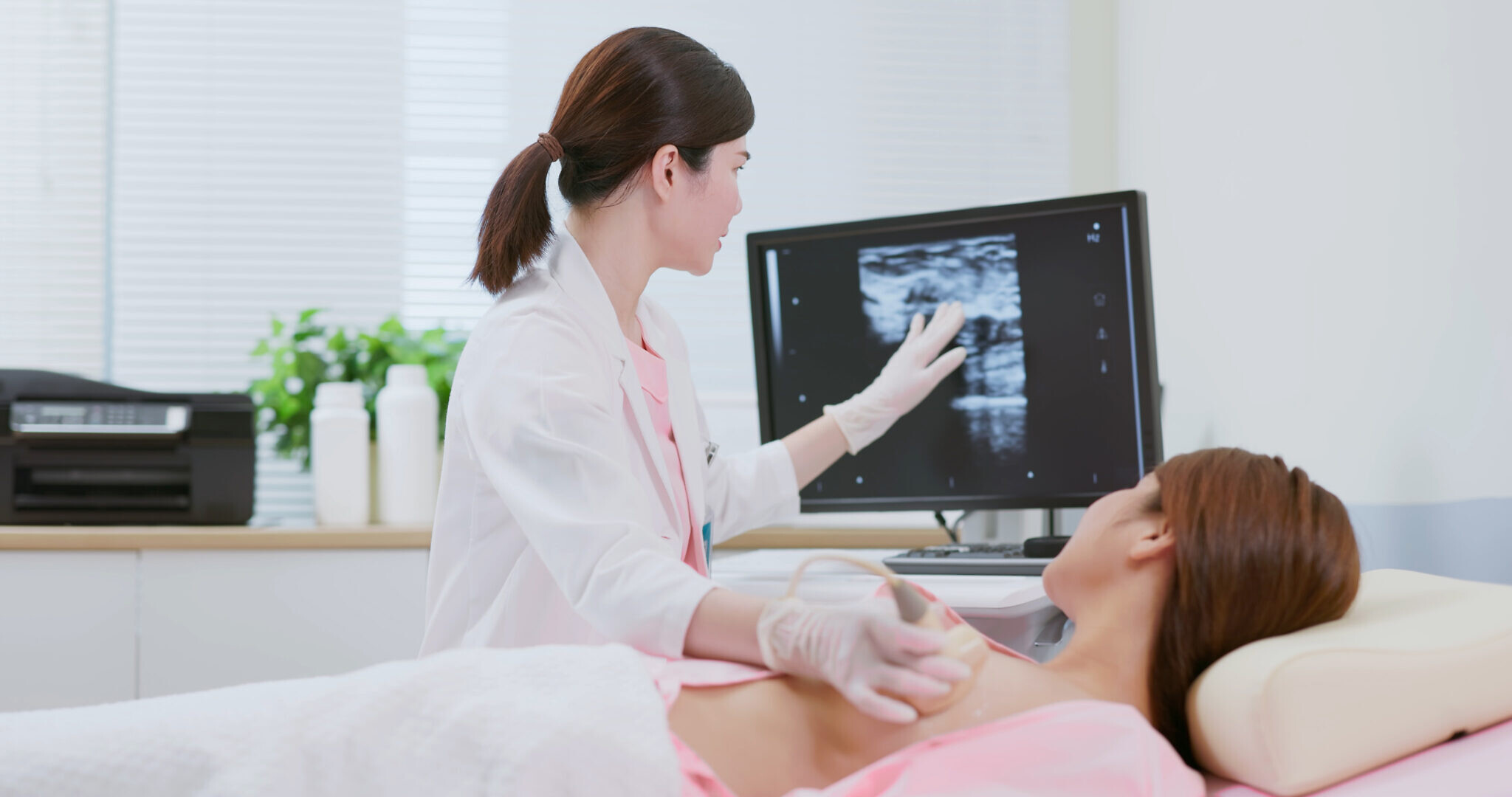
Israel is at the forefront of global breast cancer innovation, combining decades of early detection infrastructure with one of the world’s most dynamic health tech ecosystems.
Since the 1990s, its national screening program — supported by a fully-digitised healthcare system — has enabled real-time data sharing and proactive intervention. By 2022, 72 percent of diagnosed breast cancer cases were caught at an early stage.
This foundation has fuelled a new wave of breakthrough breast cancer technologies — from AI-driven diagnostics to personalised treatment tools to the world’s sterile, disposable post-surgical bra . With more than 1,600 life sciences companies, Israel has become a hub for solutions now poised to reach far beyond its borders.
The next frontier lies in integrating these ground-breaking technologies into global care strategies — improving screening access in underserved regions and helping modernise health systems’ approach to early detection and treatment worldwide.
To mark Breast Cancer Awareness Month , Startup Nation Central, a Tel Aviv–based nonprofit promoting Israeli innovation, together with 8400 Health Network, have compiled a list of Israeli tech companies developing cutting-edge solutions for breast cancer detection and treatment, which are driving this change. They include IceCure, FeminAI, Mica and EZbra — whose solutions are redefining what’s possible in breast cancer care.

Dr Iris Adler, head of business development and global partnerships for 8400 Health Network, which has formed a strategic healthtech partnership with SNC, says: “There is a huge global unmet need for innovation because unfortunately, breast cancer cases are rising and patients are getting younger. It’s an urgent problem and I feel Israel is the right place to look for solutions. We (Israel) have a combination of amazing entrepreneurs, technology, physicians and healthcare organisations. 8400 has created a network of 400 healthtech leaders, all working together to create solutions and advance innovation and global cure.
“What’s unique in Israel is that there are very close ties between the healthcare professionals and physicians and the startups, which are tackling a huge range of different issues within the health space, whether on the treatment side, digital health or devices. The market size and the potential impact on lives globally are catalysing the Israeli innovation.”
Joanna Franks, consultant breast and oncoplastic surgeon at UCLH and a member of Chai Cancer Care’s medical advisory panel, says: “As we mark Breast Cancer Awareness Month, it’s inspiring to see how innovation is playing a crucial role in transforming the landscape of breast cancer detection and treatment. The new list from StartUp Nation Central highlights Israel’s cutting-edge advancements that bring hope to countless individuals affected by cancer. From early detection technologies to novel treatment solutions, these innovations exemplify the power of collaboration, research, and technology in the fight against breast cancer. We are excited to see how these ground-breaking startups will continue to drive progress and improve outcomes for cancer patients around the world.”
STARTUP SNAPSHOTS
IceCure Medical
About: Founded in 2006. The chief executive officer is Eyal Shamir. Located in Caesarea, Israel and the US.
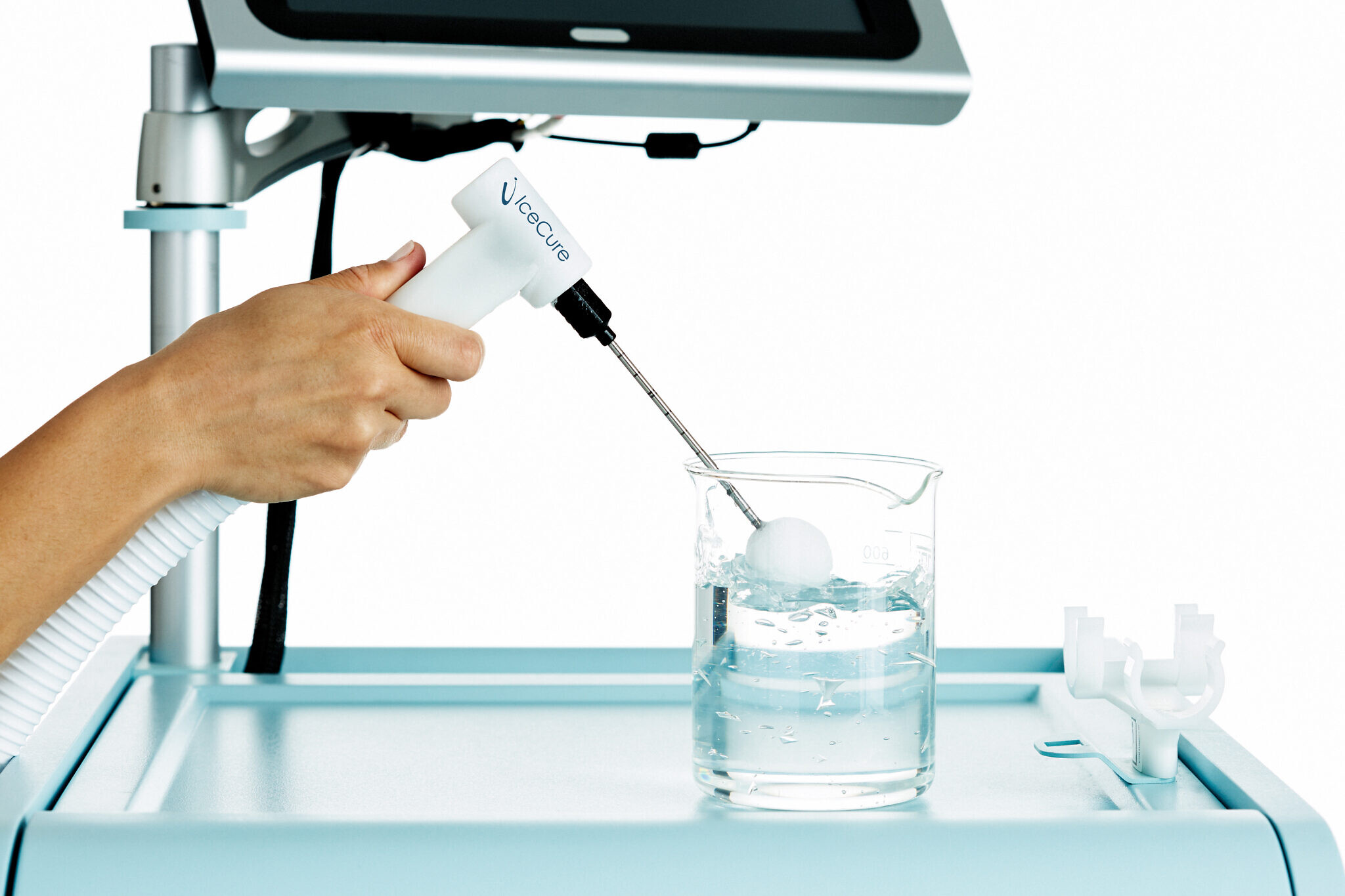
Mission and Focus: IceCure aims to provide women with the choice of cryoablation, a minimally invasive alternative to surgery for small, low-risk breast cancers.
The current standard of care for such types of breast cancers is lumpectomy, in which a patient, usually under general anaesthesia, has the tumour and a certain margin of heathy tissue removed from the breast. Cryoablation for breast cancer seeks to give women the choice of a minimally invasive alternative.
The procedure is generally performed in an outpatient setting with only a local anaesthetic, such as lidocaine. Using a small needle-like cryoprobe inserted into the breast under ultrasound guidance, the tumour is then destroyed using extreme freezing temperatures in a freeze-thaw-freeze cycle. No tissue is removed from the breast and there is minimal scarring.
Breakthrough Innovation: IceCure harnesses the power of liquid nitrogen to destroy tumors by freezing them. The liquid nitrogen based ProSense Cryoablation achieves a sharp temperature decrease at the start of a freezing process to below –150°C which a consistently low stable freezing temperature throughout the procedure, which creates a scenario for tumour destruction.
Unlike other cryoablation systems that use argon gas, liquid nitrogen does not require gas lines, on-site technicians, or special safety rooms for storage and use, which enables the procedure to be performed in outpatient clinics and doctor’s offices, expanding access and affordability.
Funding and Backing: Approximately $120m
Impact and Reach: IceCure’s ICE3 trial was the largest multi-location clinical trial ever completed for liquid-nitrogen (LN2) –based cryoablation of small, low-risk, early-stage malignant breast tumours without subsequently removing them. The trial began in 2014 and recruited 206 patients in 19 hospitals and medical centres across the US.
According to the ICE3 study’s publication in the Annals of Surgical Oncology, of the 124 patients who received cryoablation and endocrine therapy only, ipsilateral breast tumor recurrence (IBTR) was 3.7%. Patients and physicians reported 100% cosmetic satisfaction.
The promising results of the ICE3 trial have inspired several new trials regarding breast cancer cryoablation in countries where there is already regulatory approval for the procedure including the THERMAC trial from the Netherlands, the PRECICE trial from the European Institute of Oncology, and additional trials starting soon in Brazil.
This month IceCure received FDA marketing authorization for the local treatment of low-risk breast cancer with cryoablation for women aged 70 and up when combined with endocrine therapy. ProSense has become the first and only medical device to be FDA-cleared for the treatment of breast cancer.
The ProSense System is available for direct sale in the US, and available via distribution in countries such as Brazil, India, South Africa and in major European markets like Italy, Spain, France, and Poland.
What’s Next?
As part of the FDA authorization, the FDA requested that IceCure will conduct a post-marketing study with approximately 400 patients at 30 U.S. sites with the goal to produce additional data in this indication.
The XSense next generation cryoablation system is expected to launch in the US next year.
What they say:

Eyal Shamir, CEO, said: “Breast cancer affects millions of women around the world, but at IceCure Medical, we are driven by a vision to transform breast care through innovative, minimally invasive solutions. Our mission is not just to destroy cancer with cryoablation, but to empower women with choices that preserve their dignity, confidence, and quality of life.
“With every breakthrough and each new study, we see the medical community embracing our technologies that bring real hope and less invasive care to women everywhere. Together, we are ushering in a new era where compassion and cutting-edge science go hand in hand, inspiring lasting change for generations to come.”
EZbra
About: Founded in 2011 by Efrat Roman. Located in Tel Aviv
Mission and Focus: EZbra is the first and only designated sterile dressing that is designed to meet all the needs arising from breast surgeries, and to allow patients to recover with dignity.

What challenge in breast cancer are they addressing?
Beyond the life-threatening nature of breast cancer, it often triggers a profound crisis related to a woman’s sense of femininity, body image, and self-esteem. EZbra was created to allow patients to look and feel like whole women, say the founder, even if they have just lost one of their breasts, and to offer them independence and agency while changing dressings and recovering from breast surgeries.
Breakthrough Innovation: EZbra is a patented medical device that offers a novel approach to wound care by designing organ-specific dressings that match the unique shape, anatomy, and requirements of each organ. EZbra is a two-dimensional dressing that gently conforms to the individual shape and needs of each breast it protects.
Funding and Backing: EZbra is funded by mostly private angel investors and 3 EU VCs. Total funding to date: 8M$
Impact and Reach: EZbra is being used in many hospitals and private plastic surgery clinics worldwide.
The company has a longstanding partnership with the Breast Surgery Department at Stanford Medical Centre, its earliest adopter in the US, as well as with leading hospitals and clinics across South Korea, Singapore, Chile, the Dominican Republic, and throughout the UAE, EU and in the UK, Leib Medical.
What’s Next? EZbra is already approved by the FDA, CE, and ISO. The company’s mission is to reach every setting where breast surgeries are performed, providing patients with a sterile, adjustable, and feminine post-operative dressing that supports both healing and dignity. EZbra is launching distribution in India, where breast cancer rates are among the highest, and continuing to expand its global presence.
What they say:
Efrat Roman, founder of EZbra says: “When we talk about breast cancer, we must address two critical aspects: its alarming prevalence, affecting nearly 1 in 8 women, and its profound impact on a woman’s most intimate sense of femininity and identity. It is not enough to continue accepting breast removal as the default solution. We must demand better and other solutions, focused research on the development of real preventative solutions, and find a vaccine for this epidemic.”
FeminAI
About: Founded in 2023 by Dr Karny Ilan (General Surgeon), Shani Klein Antman (Data scientist, M.Sc in Electrical engineering specializing in AI), and Gal Yanuka (Biomedical engineer, BSc).
Located in Tel Aviv, Israel (R&D); Boston, USA (Clinical & Commercial team)
Mission and Focus: FeminAI is tackling the global gap in early breast cancer detection, especially for women who are underserved by current screening methods due to geography, access or age. FeminAI’s mission is to make accurate, affordable, and accessible breast cancer screening available from home.
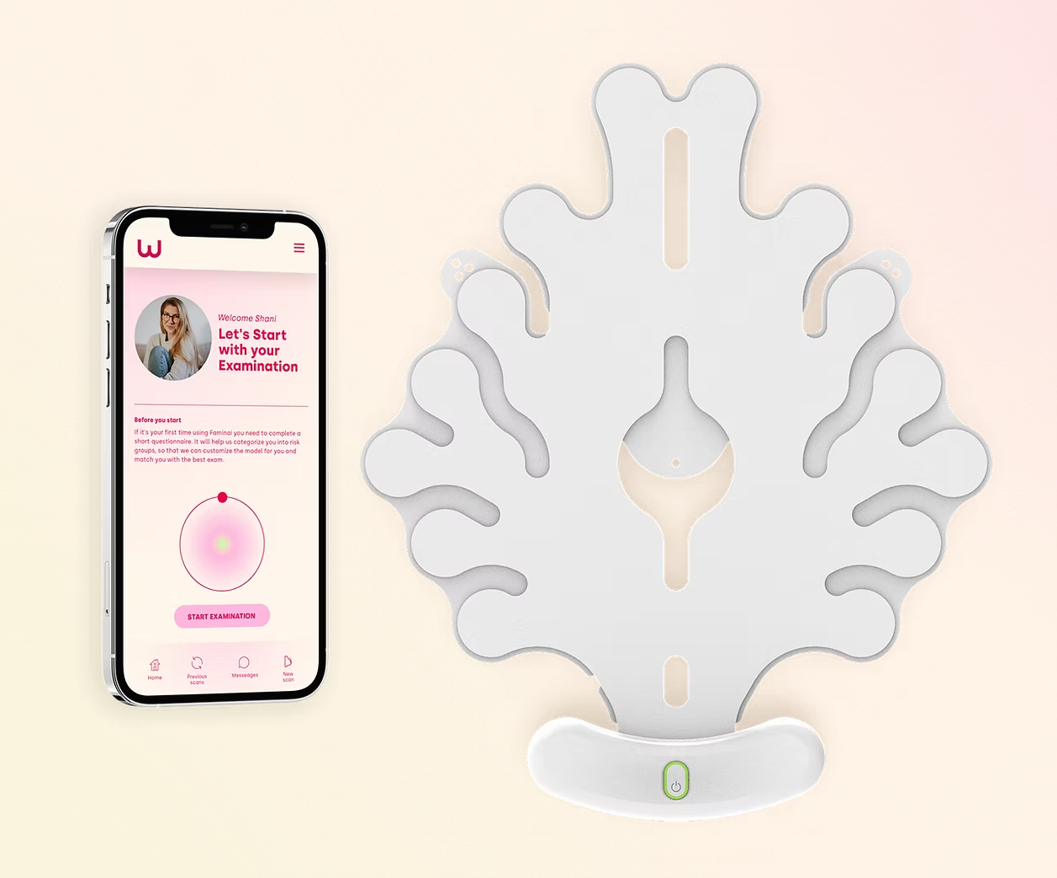
Breakthrough Innovation: FeminAI has developed the first remote breast cancer screening patch that combines unique sensors with AI analysis.
How it works: Women apply a wearable patch for a short exam at home. The device measures physiological signals from the breast. Our AI then analyses the data and delivers a personalized Breast Health Report, alerting physicians if further attention is needed. The system has demonstrated 96% sensitivity and 98% negative predictive value in early clinical trials.
Funding and Backing: Approximately $2m to date through a mix of non-dilutive grants and early-stage investment including leading healthcare investors.
Impact and Reach: FeminAI completed a successful clinical validation study at Sheba Medical Centre and is preparing for a US-based trial in partnership a major imaging chain across the US. Its technology is being integrated into leading telehealth platforms, bringing screening directly to women’s homes.
What’s Next? FeminAI preparing for FDA clearance, launching a US feasibility study later this year, and expanding commercial pilots with women’s health clinics. Long-term, FeminAI aims to pursue broader regulatory approval and scale within public healthcare systems.
What they say:

Dr Karny Ilan, co-founder & CEO, said: “Breast cancer screening hasn’t evolved to match how women live today. FeminAI is about putting powerful, clinically-validated tools directly into women’s hands — wherever they are. Our goal is to detect more cancers, earlier, without the barriers that so many face today.”
MICA
About: Founded in 2020 by Lior Wayn, Lilia Shwartsman, Dr. Dov Tamarkin, Dr. Roni Weitzen
Located in Tel Aviv, Israel
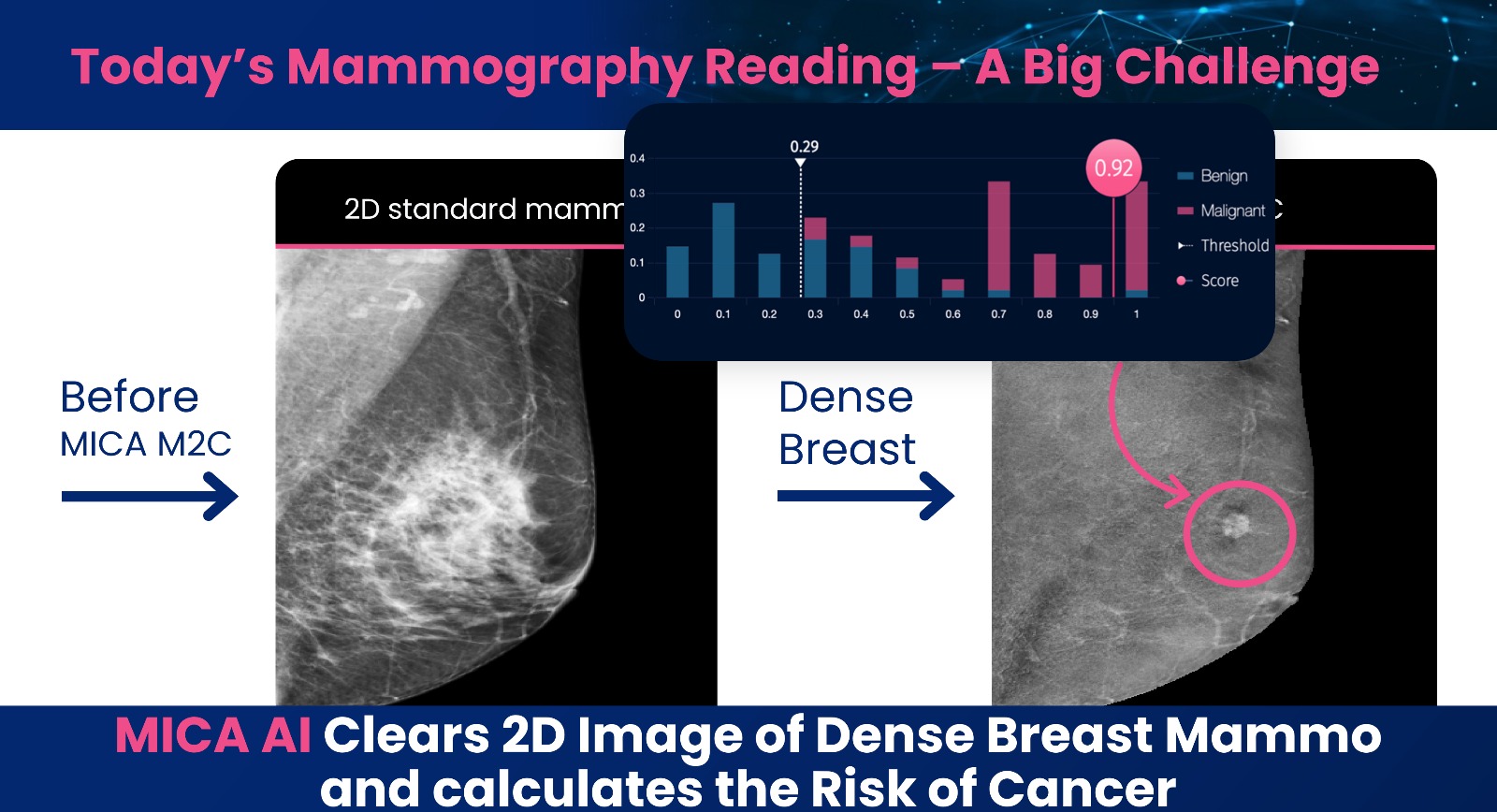
Mission and Focus: MICA addresses a critical global challenge in early breast cancer detection: nearly 50% of women worldwide have dense breast tissue, which significantly limits the sensitivity of standard mammography and complicates the detection of malignancies. MICA’s mission is to enhance diagnostic accuracy and reliability-without the need for contrast agents, invasive procedures, or unnecessary and potentially harmful radiation exposure.
Breakthrough Innovation:
MICA’s flagship solution, M2C, is an advanced AI and GenAI-based diagnostic system designed specifically for women with dense breast tissue. The technology analyses standard imaging inputs and provides a non-invasive, contrast-free diagnostic layer that empowers radiologists with enhanced accuracy and decision-making efficiency.
By eliminating the need for painful, expensive, and less-accessible secondary tests, M2C increases early detection rates and reduces unnecessary interventions-delivering a transformative impact on patient care.
Funding and Support: MICA has secured approximately $6m in private investment and competitive research grants.
Impact and Market Adoption:
Clinical validation: Ongoing and expanding clinical collaborations with leading medical centres in the US., Europe, and Israel to validate the system’s performance.
Adoption in hospitals: The M2C solution is already deployed in hospital environments, including the Sheba Medical Centre
Regulatory milestones: MICA holds regulatory approval from the Israeli Ministry of Health and Argentina and is preparing its FDA submission.
Strategic partnerships: In collaboration with Sheba Medical Centre, ARC Innovation, and over 20 leading institutions across the US, Europe, and Israel.
Business model: B2B offering, targeting hospitals and radiology clinics globally.
What’s next: Submission and pursuit of FDA and CE approvals as well as expansion into new international markets and strengthening strategic partnerships and scaling clinical studies
What they say:

Lior Wayn, MICA co-founder and CEO, says: “Our vision at MICA is to ensure that every woman-regardless of where she lives or the complexity of her case-has access to fast, accurate, and body-friendly breast cancer diagnostics. We believe that advanced AI technology not only saves time and cost-it saves lives.”
Click here for Startup Nation Central’s full list of startups in this area

Keep community journalism free.
Jewish News is free for everyone. No paywall. No barriers. Just trusted journalism for anyone who wants to stay connected to Jewish life in Britain.
If you value that, please support us.
From as little as £5 a month, you can help keep our journalism free and accessible to all.
Every day, we report on the issues that matter to our community. We celebrate achievements, support charities, challenge antisemitism and ensure Jewish voices are heard more widely.
From as little as £5 a month, you can help us continue to:
- Report on the stories shaping Jewish life in the UK and beyond
- Bring our community together through shared stories, events and campaigns
- Celebrate the people, culture and moments that define our community
- Support organisations doing vital work across Jewish Britain
You can make a one-off donation or become a regular supporter. Every contribution helps keep our journalism free, independent and accessible to all.
If everyone who values Jewish News gave a small amount, it would make a real difference to our future.