Prefer Jewish News on Google
Israeli missing as Nepal-Tibet floods leave hundreds dead
The man disappeared after crossing into Nepal, where more than 900 people are missing and at least 398 have died
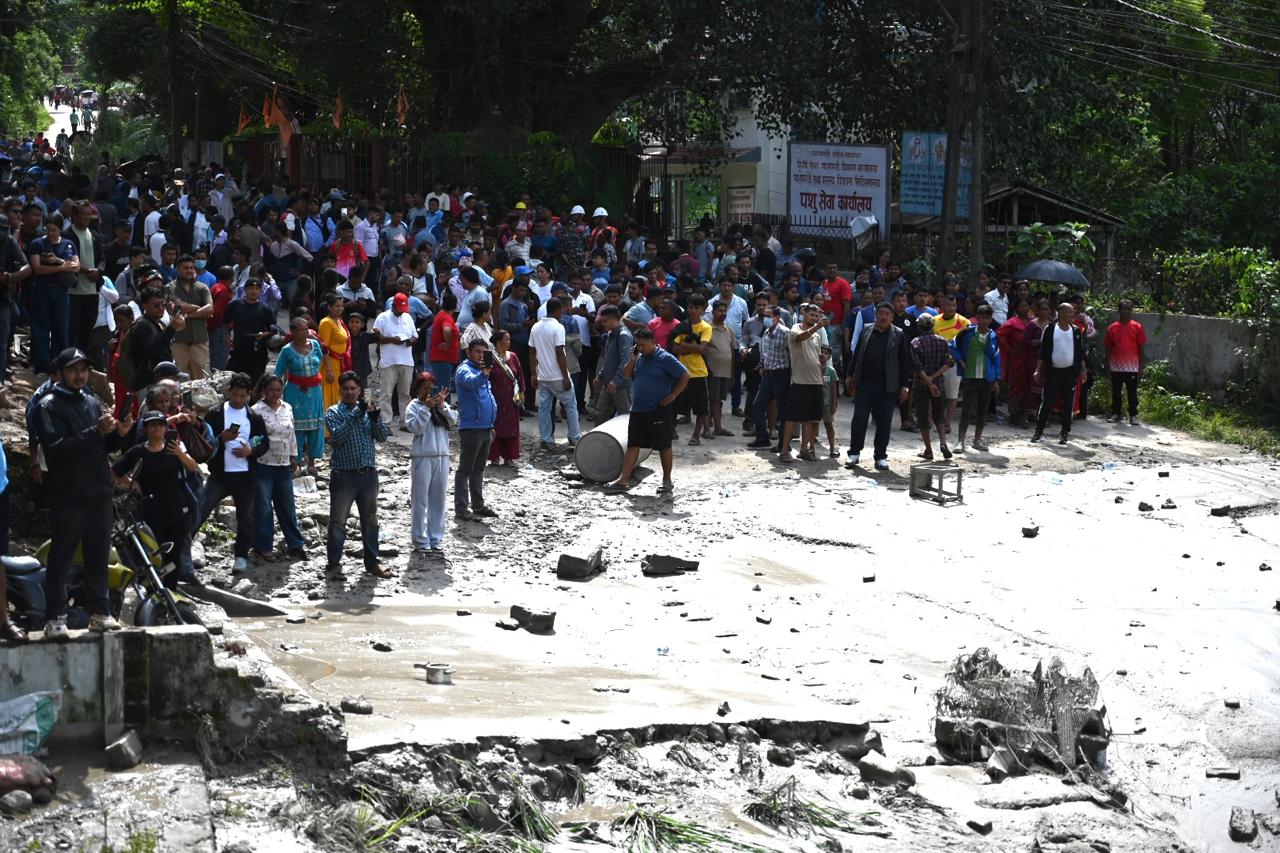
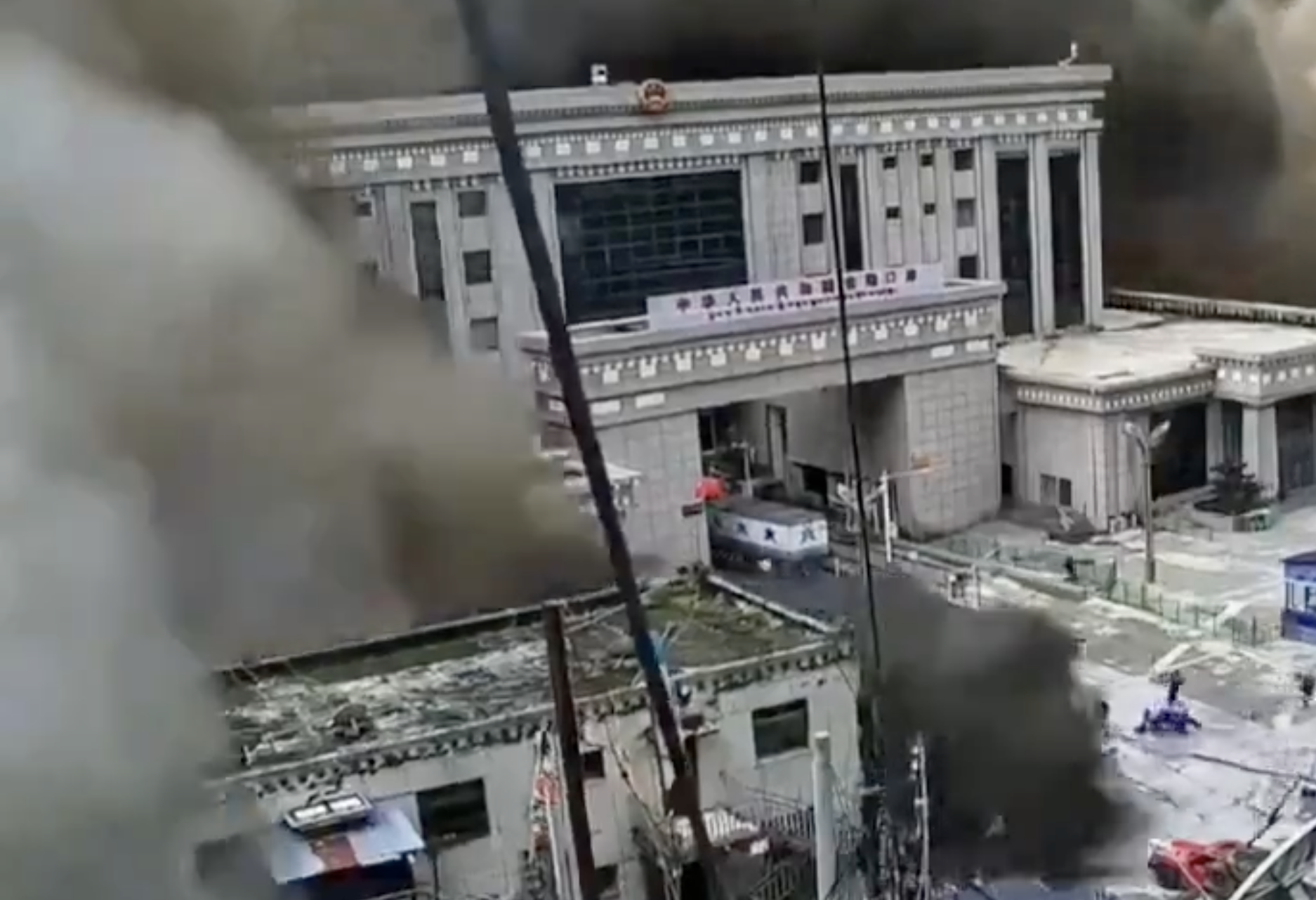
An Israeli man is missing after catastrophic flash floods swept through Nepal and Tibet, killing hundreds and leaving more than 800 unaccounted for in Nepal alone
The man, who is in his 60s, crossed from Tibet into Nepal on Wednesday morning shortly before the disaster struck and has not been heard from since.
Israel’s Foreign Ministry confirmed on Thursday that efforts were under way to find him, with officials working alongside his family.
The ministry said the Israeli consulate in Beijing and its Department for Israelis Abroad were in contact with his relatives “and are assisting with all available means in an effort to locate him”, according to the Times of Israel.
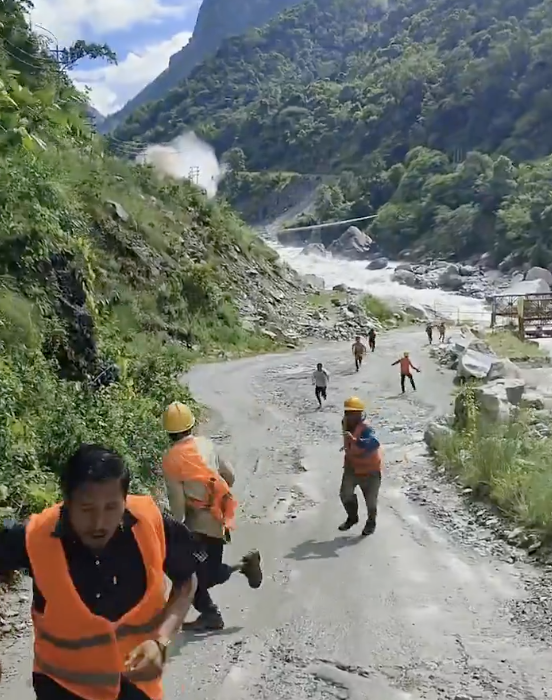
Rescue operations continued on Thursday across the Himalayan border region after a sudden torrent of water, mud and rock tore through communities, destroying homes, roads and bridges.


At least 398 people have died, and more than 1000 remain missing in Nepal, according to the latest figures reported by the BBC.
Hundreds of foreign nationals are among those unaccounted for, including 65 Americans, 35 Australians and 33 Britons.
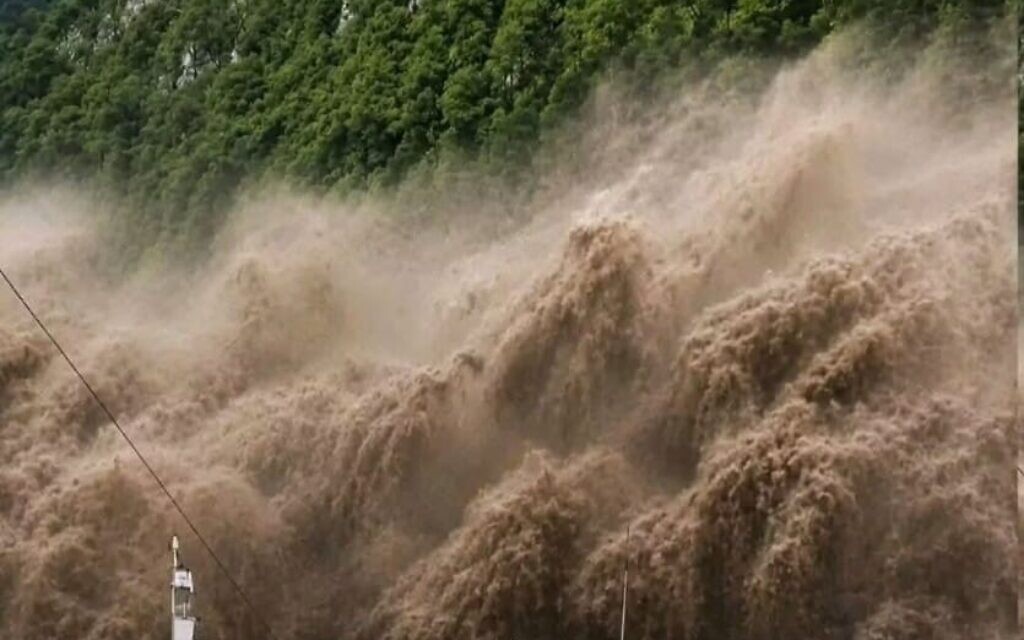
In Tibet, at least 558 people are also reported missing, and three deaths have been confirmed. It remains unclear whether the missing-person figures reported on the two sides of the border overlap.
The disaster struck an area heavily used by tourists, trekkers and pilgrims travelling between Nepal and Tibet.
The Israeli crossed the border as part of an organised group before contact was lost with him.
Chabad emissary Rabbi Chezki Lifshitz told Ynet that there were relatively few Israelis in Nepal when the floods struck.
Several Israelis who had recently left on treks had yet to make contact, he said, but they were travelling in areas unaffected by the flooding and were not thought to be in danger.
The destruction has made the search for survivors particularly difficult. Dozens of bridges have been destroyed and large stretches of road damaged, cutting off some of the worst-hit communities.
Nepal’s army deployed helicopters on Thursday and said more than 100 people had been rescued from affected areas. Bodies have been recovered as far as around 100 kilometres downstream from the main disaster zone, while injured survivors have been flown to Kathmandu for treatment.
Around 1,200 people have been displaced from at least three villages, according to the Nepal Red Cross Society.
The cause of the disaster is still being investigated, but scientists believe a major glacial collapse high in the Himalayas triggered the flooding.
Satellite images examined by researchers indicated that part of a glacier may have broken away before falling thousands of metres into the valley, bringing huge quantities of rock and sediment with it.
The disaster comes amid growing concern over the effect of rising temperatures on the Himalayan region, where glaciers have been retreating rapidly.
Israeli humanitarian organisation NATAN Worldwide Disaster Relief said it was dispatching an emergency team to Nepal to provide medical and mental health support to survivors.
Gil Reines, chair of NATAN’s executive board, said: “We are returning to Nepal with the experience and partnerships we built with the Nepali people since the 2015 earthquake.”
The organisation said its volunteers, including medical and mental health professionals, would work alongside local responders to provide care to survivors and support healthcare services affected by the disaster.
World Jewish Relief has launched an emergency appeal for those affected by the floods, with its local partner already working in the disaster zone.
The British Jewish humanitarian charity said the Community Self-Reliance Centre (CSRC) reached the affected area within 24 hours and was assessing needs and assisting survivors.
Money raised through WJR’s Nepal Flash Flood Appeal will go towards essentials including safe drinking water, food, emergency shelter and medicine.
Paul Anticoni, chief executive of World Jewish Relief, said: “The distressing images of this catastrophic disaster have been horrific. But the rapidity and timeliness of our local partner getting volunteers to the affected area so quickly has been inspiring.
“Now we all need to play our part and show our Jewish generosity in supporting those affected. I am forever grateful to all of you for your kindness.”
WJR has worked with CSRC since 2016, including during the Covid-19 pandemic, when the organisation provided medical supplies, food and help with the cost of ambulance transport.
Search and rescue operations are continuing across the affected region, with the Israeli man among those who remain unaccounted for.

Keep community journalism free.
Jewish News is free for everyone. No paywall. No barriers. Just trusted journalism for anyone who wants to stay connected to Jewish life in Britain.
If you value that, please support us.
From as little as £5 a month, you can help keep our journalism free and accessible to all.
Every day, we report on the issues that matter to our community. We celebrate achievements, support charities, challenge antisemitism and ensure Jewish voices are heard more widely.
From as little as £5 a month, you can help us continue to:
- Report on the stories shaping Jewish life in the UK and beyond
- Bring our community together through shared stories, events and campaigns
- Celebrate the people, culture and moments that define our community
- Support organisations doing vital work across Jewish Britain
You can make a one-off donation or become a regular supporter. Every contribution helps keep our journalism free, independent and accessible to all.
If everyone who values Jewish News gave a small amount, it would make a real difference to our future.