
 Prefer Jewish News on Google
Israeli scientists develop ‘safe peanut’ treatment that could transform allergy care
Sheba Medical Centre trial saw most severely allergic children later able to eat peanuts without serious reactions
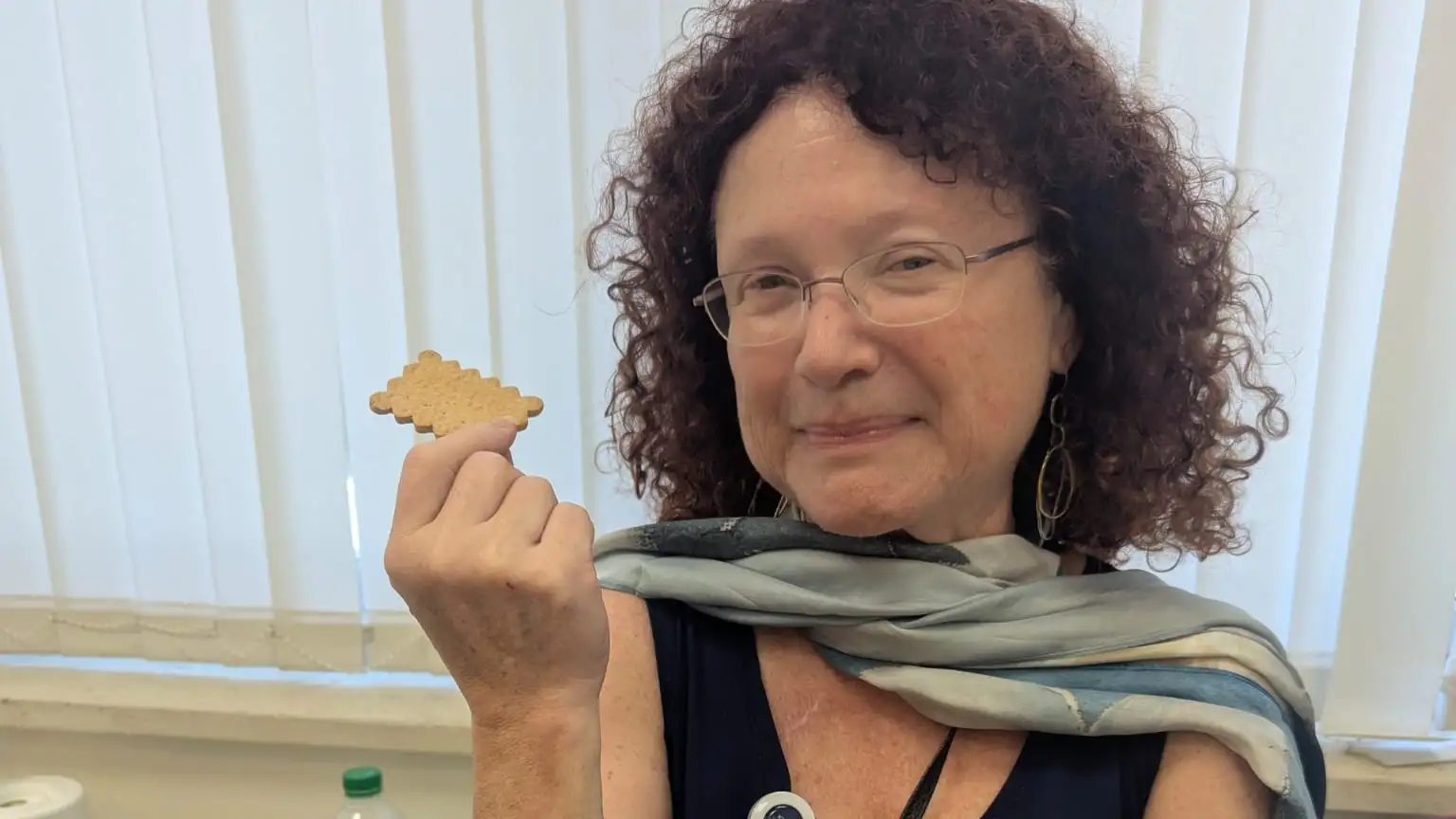
Israeli researchers say they have developed a modified peanut treatment that could dramatically reduce the danger faced by children with severe peanut allergies.
Scientists at Sheba Medical Centre created what they describe as a “safe peanut” by altering the structure of peanut proteins so the immune system no longer identifies them as a major threat.
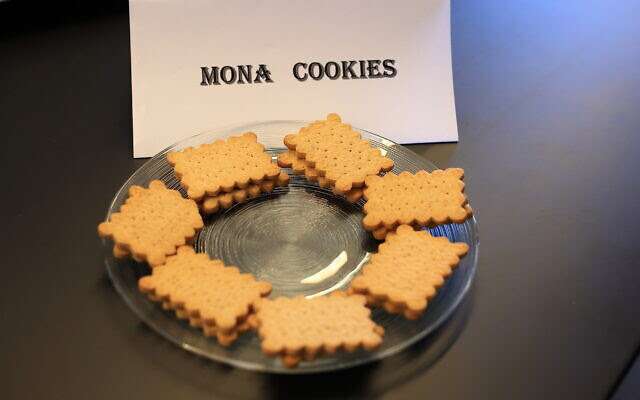
The breakthrough treatment was tested on children with serious peanut allergies using specially developed biscuits known as “Mona Cookies”, named after lead researcher Professor Mona Kidon.
According to results reported by The Jewish Chronicle, 28 out of 32 children who took part in the trial were later able to eat small amounts of peanuts without suffering dangerous allergic reactions after completing the treatment programme.
The children reportedly ate two cookies a day over a period of around nine months as part of the study.



Prof Kidon, head of Sheba’s Food Allergy Research Programme, said the team took a different approach from traditional immunotherapy.
“We actually invented a new peanut,” she said.
“Instead of making the immune system adapt to the peanut (we said) let’s make the peanut a little bit different.”
Researchers worked alongside the Volcani Institute, Israel’s national agricultural research centre, to develop the modified peanut strain.
The scientists say the peanut proteins were “unfolded”, so immune cells no longer reacted aggressively to them.
“An allergy is actually a wrong decision,” Prof Kidon said. “Your immune system is deciding that these proteins that you see in milk or in egg or in peanuts are something that is really dangerous.”
She added: “We changed the peanut, not the patient.”
None of the children involved in the trial reportedly experienced severe allergic reactions during treatment, although four had what researchers described as minimal reactions.
The team now plans to expand testing to larger placebo-controlled trials involving hundreds of children.
Peanut allergies are significantly less common in Israel than in the UK, with researchers often pointing to the widespread popularity of the peanut-based snack Bamba among young Israeli children as a possible reason for lower allergy rates.
Researchers cautioned that the treatment is still experimental and not yet publicly available, but said the early findings suggest it could eventually help reduce the risk of life-threatening accidental exposure for many allergy sufferers.

Keep community journalism free.
Jewish News is free for everyone. No paywall. No barriers. Just trusted journalism for anyone who wants to stay connected to Jewish life in Britain.
If you value that, please support us.
From as little as £5 a month, you can help keep our journalism free and accessible to all.
Every day, we report on the issues that matter to our community. We celebrate achievements, support charities, challenge antisemitism and ensure Jewish voices are heard more widely.
From as little as £5 a month, you can help us continue to:
- Report on the stories shaping Jewish life in the UK and beyond
- Bring our community together through shared stories, events and campaigns
- Celebrate the people, culture and moments that define our community
- Support organisations doing vital work across Jewish Britain
You can make a one-off donation or become a regular supporter. Every contribution helps keep our journalism free, independent and accessible to all.
If everyone who values Jewish News gave a small amount, it would make a real difference to our future.





















