Prefer Jewish News on Google
A blizzard, a cancelled show and a story that had to be told
At Carnegie Hall, Letters, Light and Love traced 3,000 years of Holy Land mail on one extraordinary snowy night
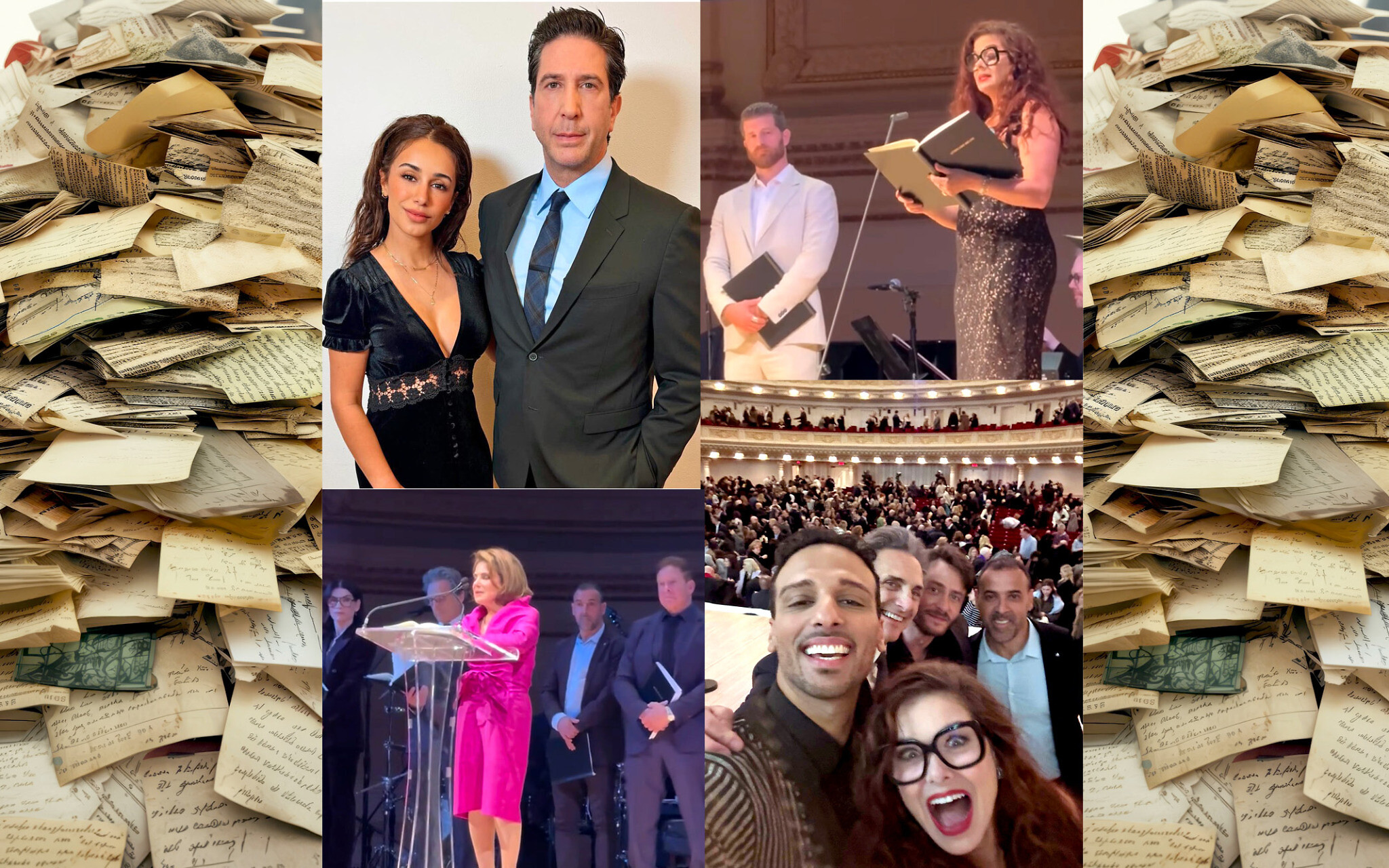
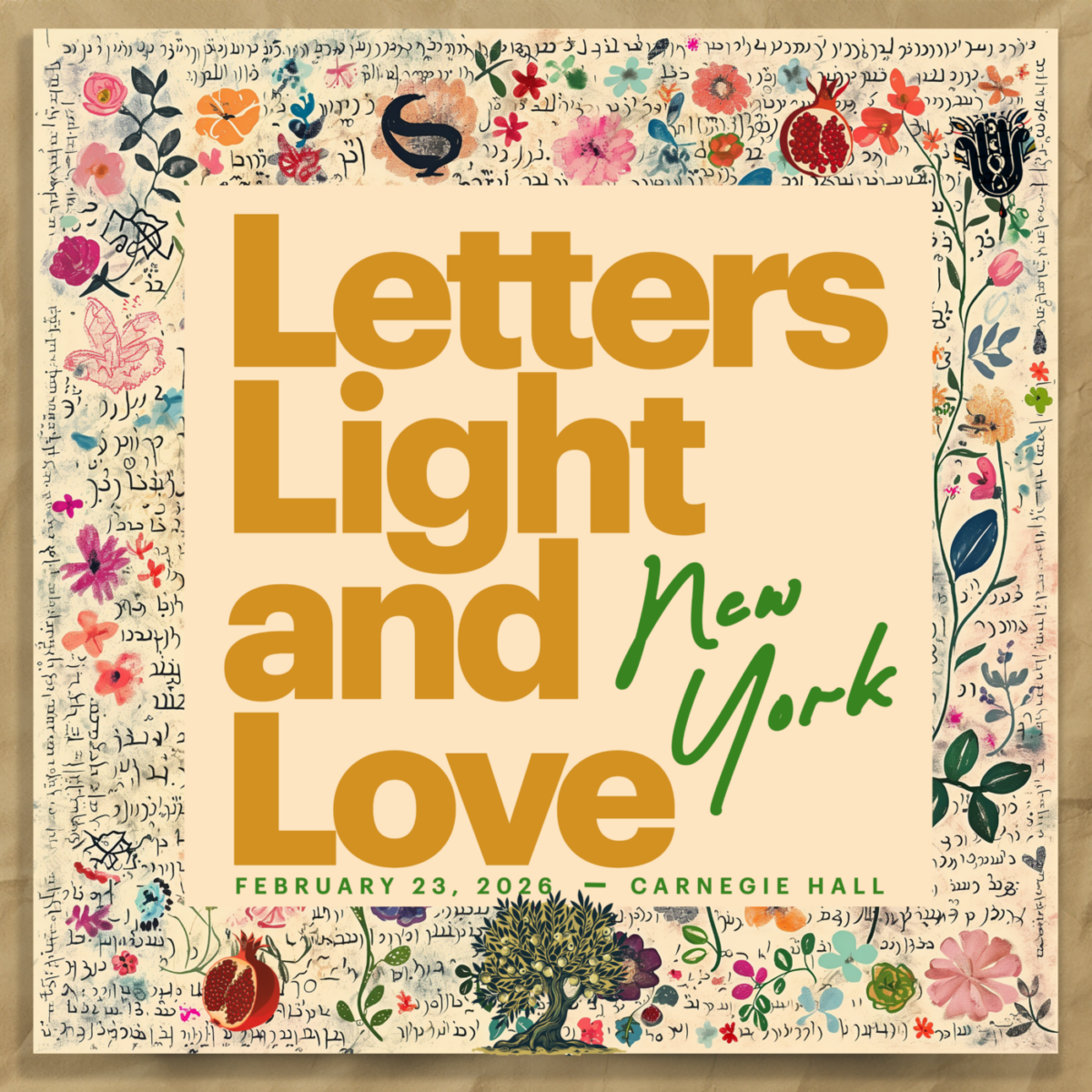
The snow nearly stopped New York. On the Friday morning, Sarah Sultman and her co-producer Michal Noé stood on the stage at Carnegie Hall, ready to greet the cast flying in for the sold-out (2,804 seats) show on the Monday night. By the Saturday evening, an unscheduled blizzard had escalated to a state of emergency and flights were cancelled. By 10am on the Sunday, Carnegie Hall confirmed Letters, Light and Love could not go ahead.
“Then, unbelievably, Carnegie said we could have Tuesday – they were amazing,” said Sarah. “So, we were like, ‘Okay, we can do this.’” Commitments meant five cast members couldn’t shuffle – among them Jason Isaacs – but three stepped in – cantor Azi Schwartz, comedian Judy Gold and Shtisel’s Michael Aloni, who was in NYC and had done the show in London.
The show survived the weather, and survival is the integral theme of this show which premiered at the Theatre Royal Haymarket. Sponsored by the UJIA (and UJA-Federation in NYC), all proceeds go towards rebuilding Kibbutz Be’eri, which was destroyed by Hamas on October 7.
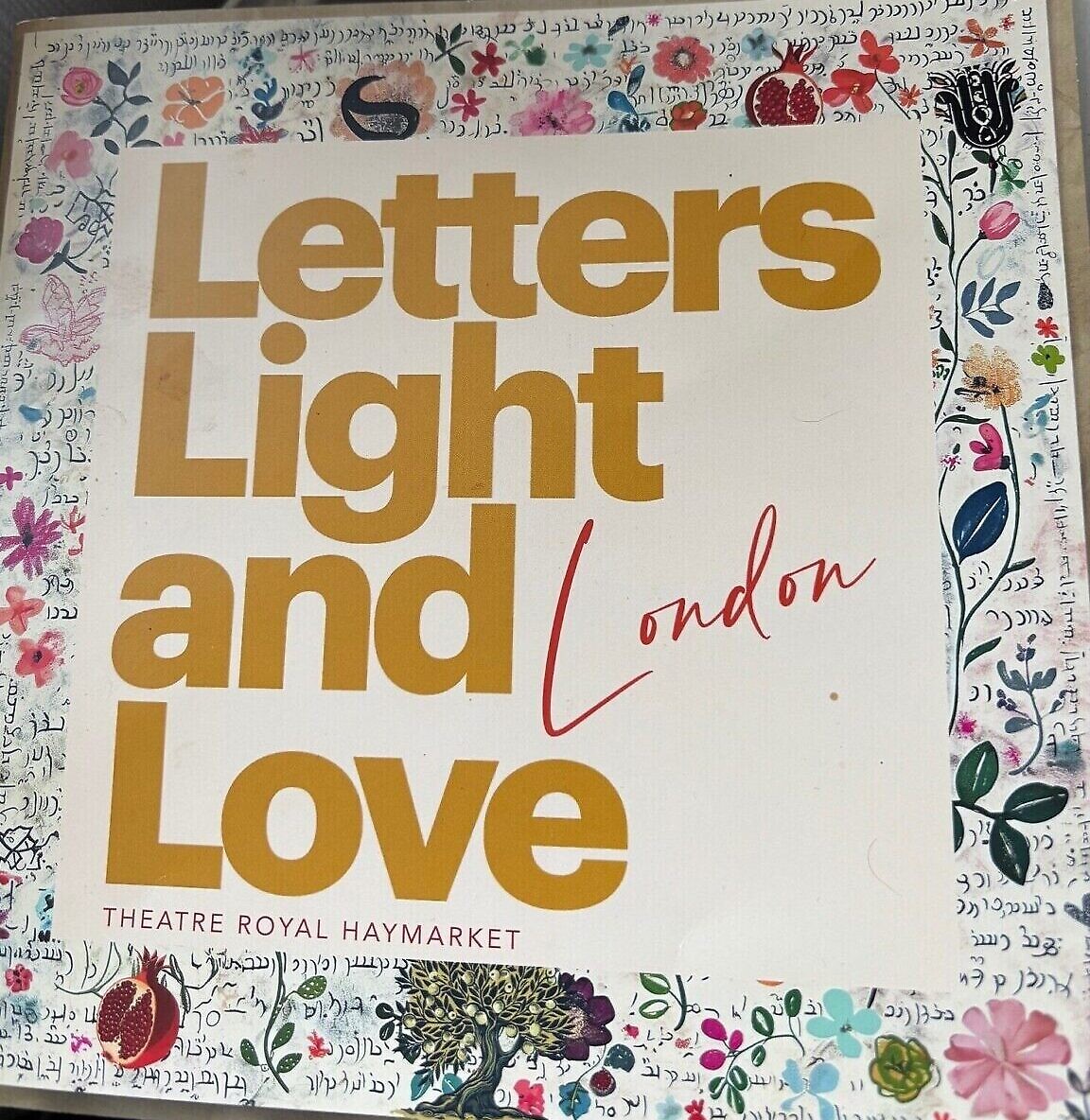
At the London show in July 2024, the audience was raw. They knew the names of the brutally murdered and were praying for hostages still held in Gaza. “New York felt different,” said Sarah. “It was more about people coming together to own their history and feel proud of where they come from.”
For Sarah and Michal, it also felt like a necessary moment of shelter – a theatrical blue blanket under which the audience could briefly hide from intensified antisemitism and hostility towards Zionists.

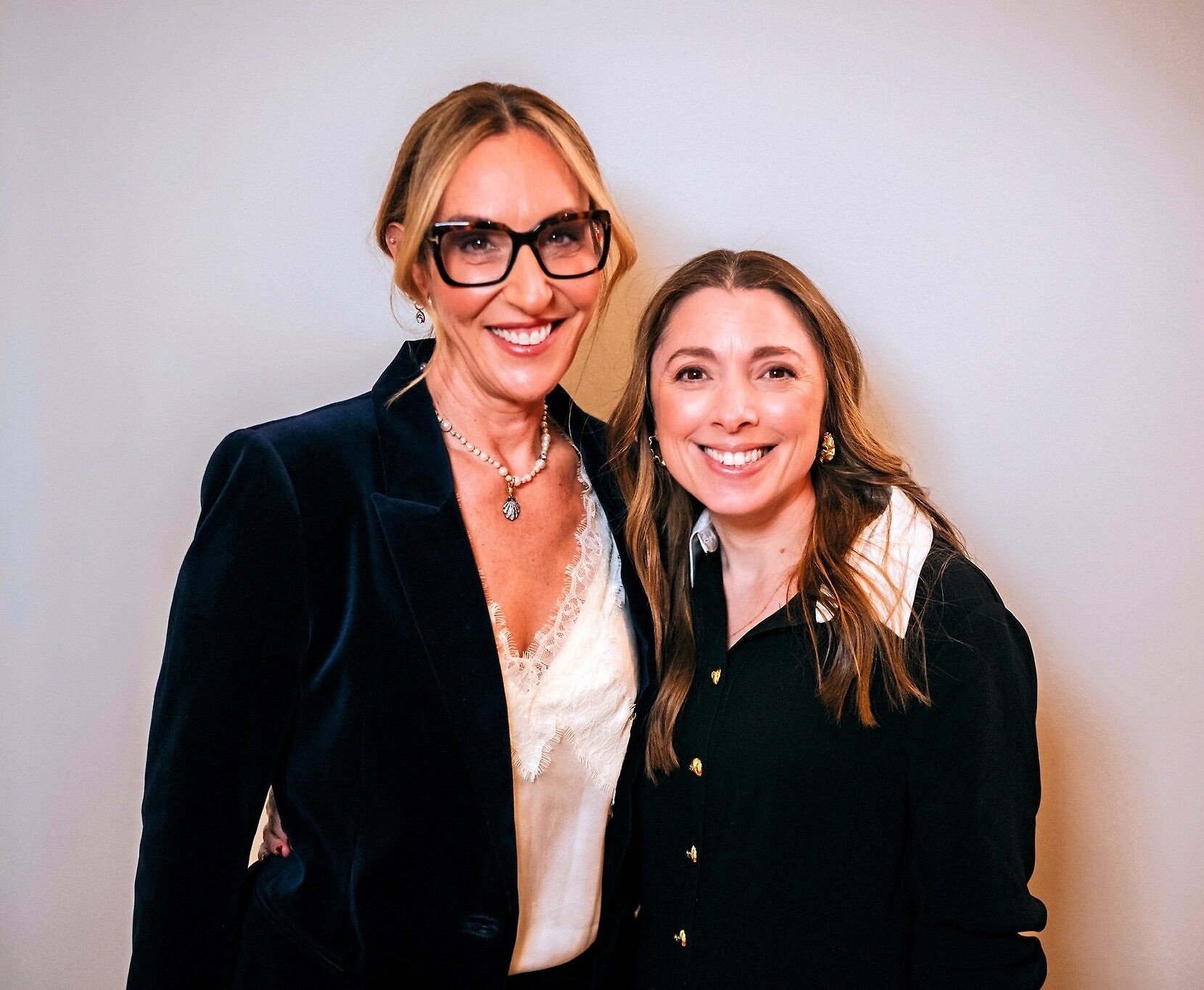
The idea for Letters, Light and Love began in the weeks after October 7, when Sarah went to Israel on an early solidarity mission, visiting the Gaza envelope and devastated kibbutzim. What stayed with her was not only the scale of the trauma, but the speed with which the narrative abroad had shifted.
“I kept thinking, ‘How is there a way that we can address this?’ The accusation that we’re white colonisers who should go back to Poland. The idea that Israel only began in 1948. This post-truth world we live in – it really bothered me.”
A long-time attendee of ‘Letters Live’ events, Sarah loves the power of words written in their time, and from that came the lightbulb moment that sparked the show.
“I thought, ‘We as a people, have 3,000 years’ worth of letters. What if we were to research them and do our own version of Letters Live?’”

Months of research followed. Working alongside Shantelle Stein, Sarah began tracing correspondence about Israel across centuries. Lachish Letters, letters by Maimonides, Julius Caesar, Golda Meir and Albert Einstein. And there were letters of the deeply personal kind – written by lesser-known Jews whose lives were touched by Israel.
With help from the National Library of Israel, hundreds of documents were gathered. They covered Sarah’s dining room table. “We added and took away and added back again,” said Sarah, who also felt it was important to consider the historical context of the language used in many letters.
“During the early 20th century, Zionist letters referred to ‘settlers’, and Israel was known as ‘Palestine’. Given the current politically-charged climate, it is crucial to heed these lexical choices for what they were.”
Sarah had no intention of altering them. “There is enough historical revisionism in the world right now.” Great as they were, Sarah also realised a recital of letters would not hold an audience. They needed a narrative arc – exile, longing, diplomacy, survival, return. “What we wanted to do,” she adds, “was take the audience on a journey and tell a story.”
At that point, Michal Noé joined as producer and, together, they went in search of venues and a cast and structured the evening with music, even securing Malcolm Green to design exquisite programmes voluntarily. Everything felt right.
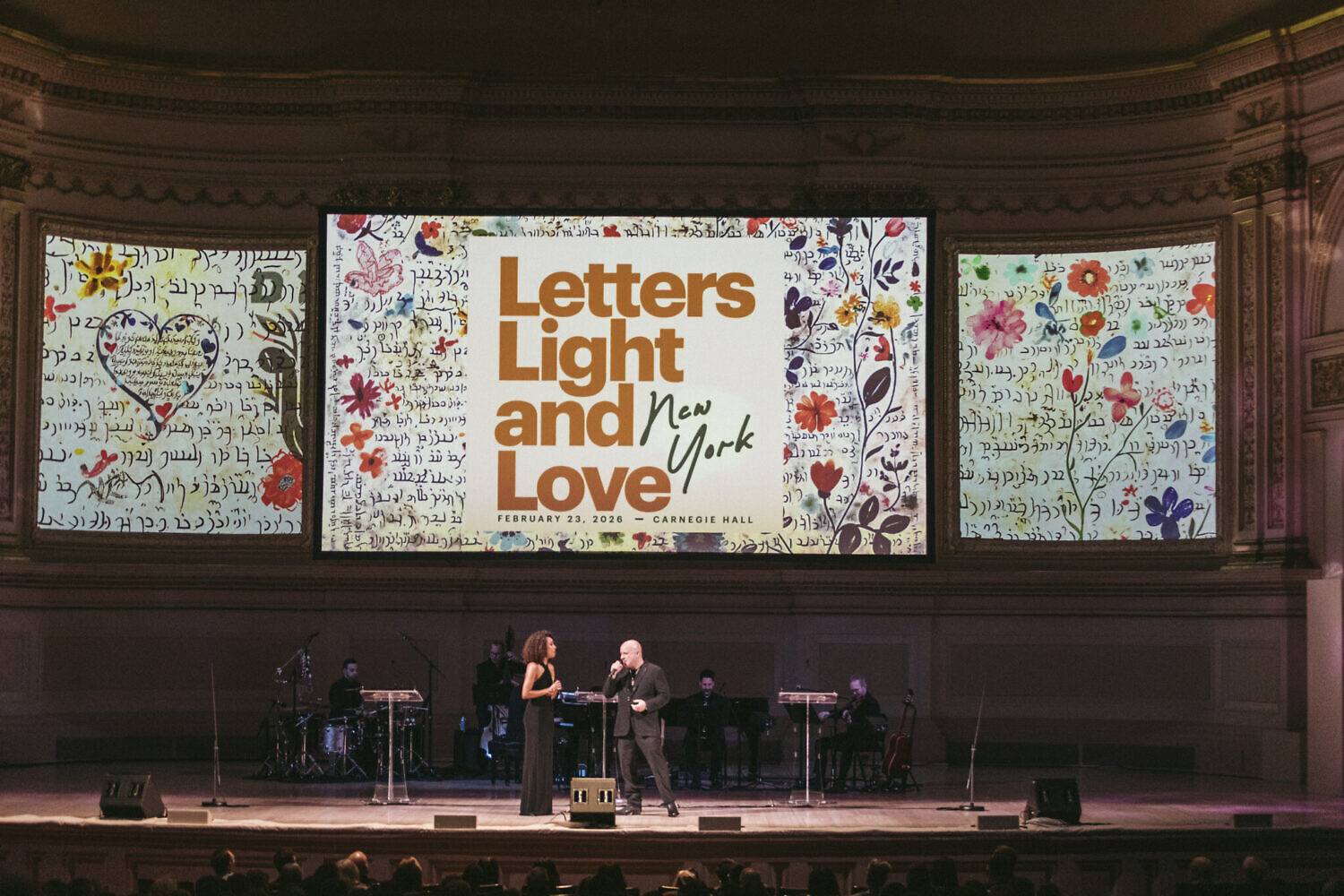
In London, among the many who sang was Ethiopian Israeli Ester Rada, who sang again at Carnegie Hall and joined David Draiman, frontman of Disturbed, for a duet of Leonard Cohen’s Hallelujah.
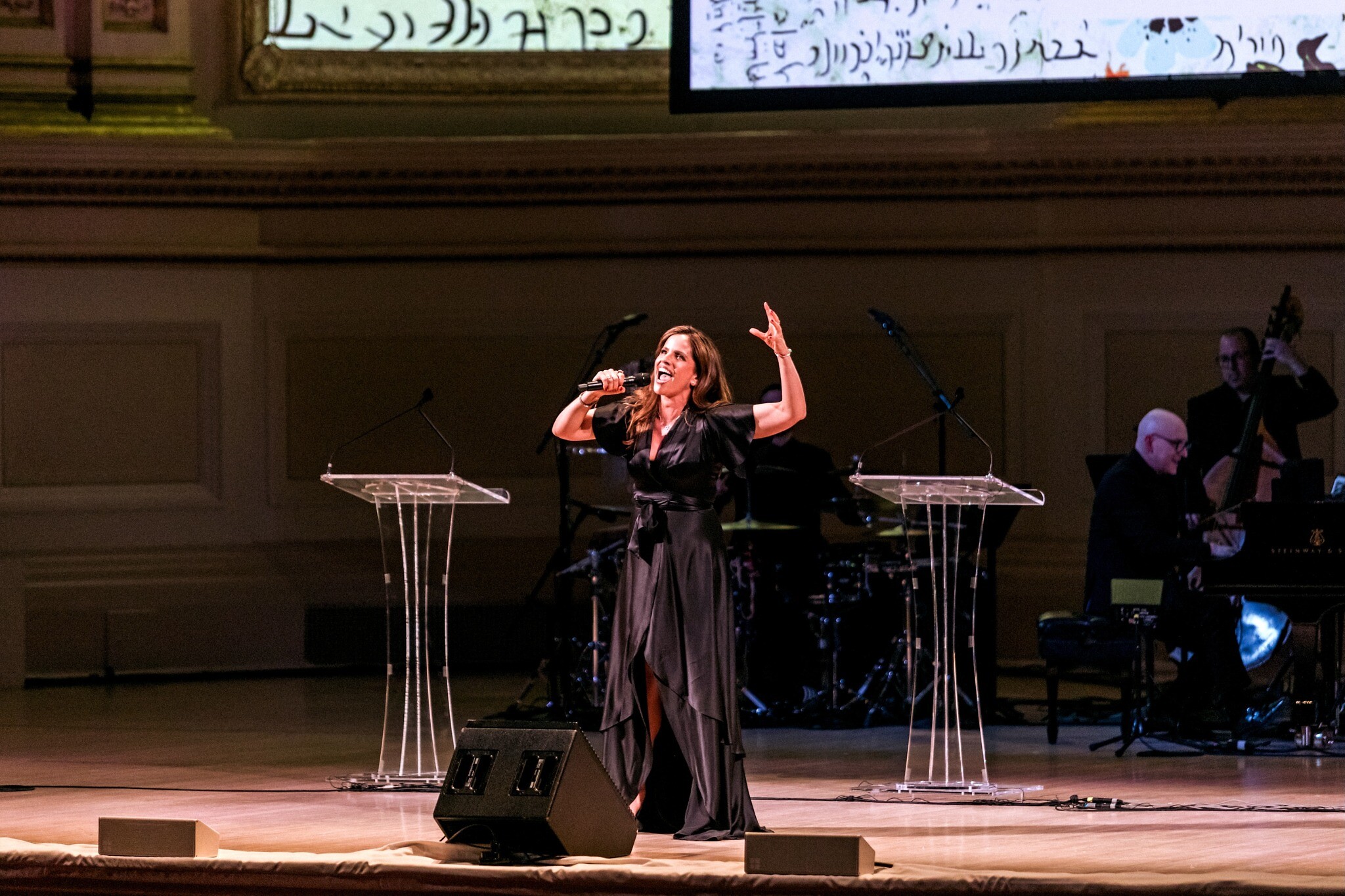
In New York, another musical moment after the Exodus letter was Noa Tishby singing Somewhere Over the Rainbow.“After Mandy Patinkin performed the song at Zohran Mamdani’s inauguration, I questioned whether it still belonged in the script,” said Sarah, “Then I thought, ‘We have to own this. It’s written by Harold Arlen and Yip Harburg, sons of Eastern European Jewish immigrants. It’s about our survival and we’re going to sing it at Carnegie Hall.’”
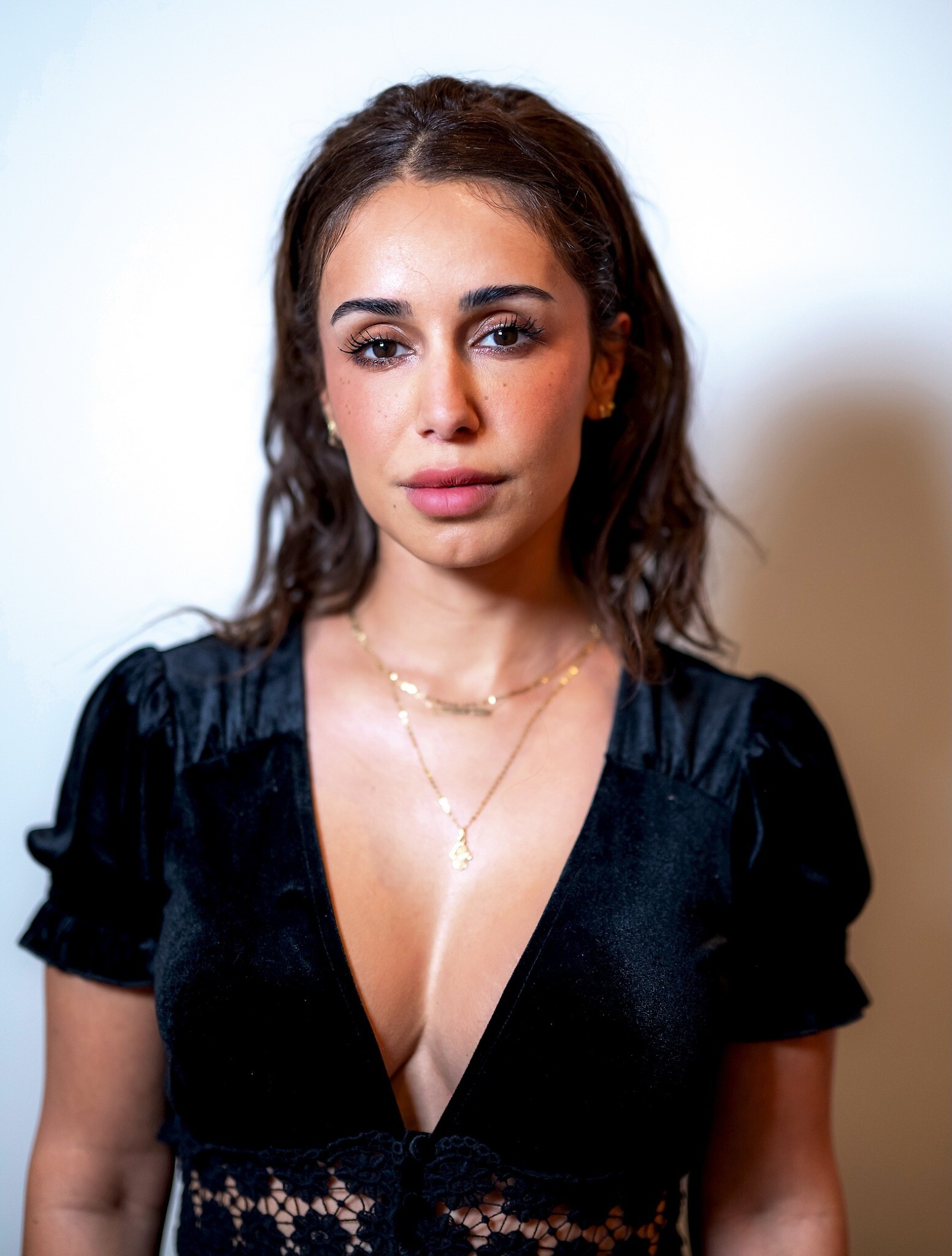
At the NYC show, pro-Israel Iranian-born lawyer Elica Le Bon read a 1919 letter from Emir Feisal, the former king of Iraq, expressing support for Jewish national aspirations.
….We will do our best, in so far as we are concerned, to help them through. We will wish the Jews a most hearty welcome home. Sincerely Emir
With her history of speaking up for persecuted Iranians, Elica’s presence at Letters, Light and Love is even more poignant now. Realising that some of the letters read in London would not translate across the pond, Sarah and Michal replaced some with a letter from Chaim Weizmann to Harry S. Truman, another by John Adams and a moving note from Leonard Bernstein. Winston Churchill, however, was transatlantic-worthy and his correspondence with Moses Gaster was read in New York by Elliot Levey, who is now starring in the play Giant on Broadway.
Churchill felt entirely apt in America. A leader recognised on both shores, whose position on Zionism endures.
And the establishment of a strong, free Jewish state astride of the bridge between Europe and Africa, flanking the land roads to the East, would be
not only an advantage to the British Empire, but a notable step towards the harmonious disposition of the world among its people. Yours faithfully Winston Churchill
Inside Carnegie Hall, Churchill’s words were read with reverence. A few days later in Westminster, his statue would be defaced with red paint by Gaza supporters.
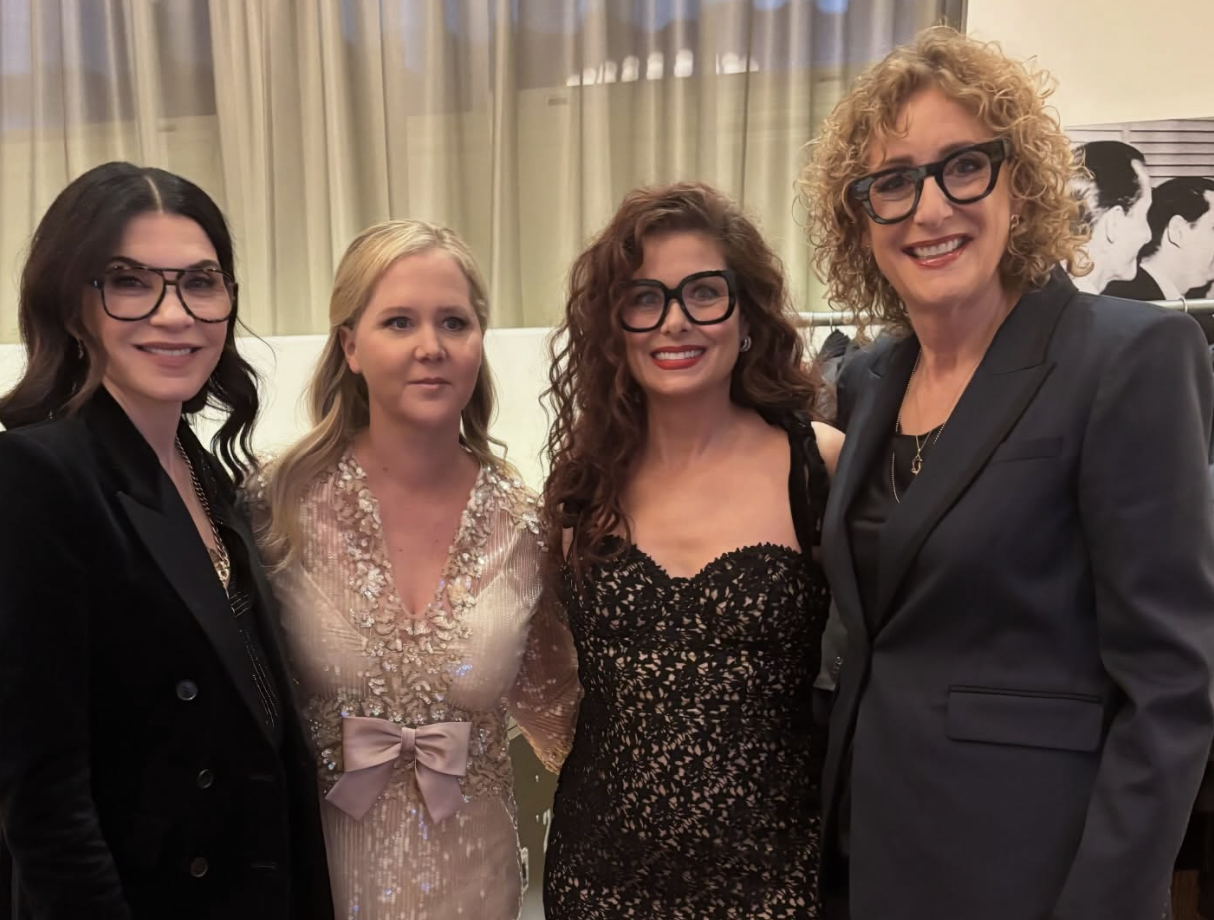
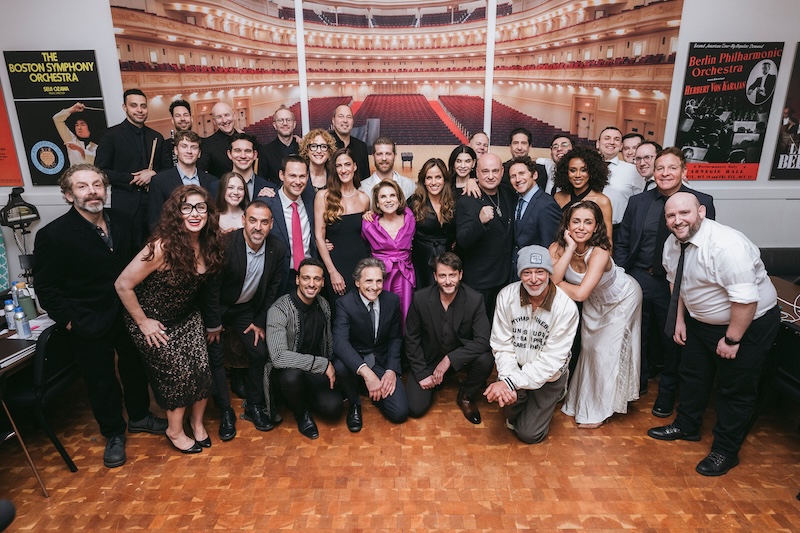
The New York cast included actors Debra Messing, Amy Schumer, Mark Feuerstein, David Schwimmer, Jonah Platt, Julianna Margulies, Tovah Feldshuh, Ari’el Stachel, Emmanuelle Chriqui, musician Matisyahu, Fauda’s Rona-Lee Shimon and producer Lawrence Bender. Big names are what the audience expects in the Big Apple, but there was one name that brought the audience to their feet twice.
Eli Sharabi, former resident of Kibbutz Be’eri who survived 491 days
in captivity, was there to represent his home and his murdered wife, Lianne and two daughters, Noiya and Yahel.
To be led into the Hatikvah by a man who survived October 7 will be remembered by everyone who was at Carnegie Hall on Tuesday 25 February 2026. It should have been a Monday, but the audience stayed standing to sing One Day, which felt like a communal act of healing. A blizzard tried to stop the night. It did not. And nothing will stop the next performance. But where next is the question. “LA or Sydney?” says Sarah. No doubt she’ll send a letter when she knows.

Keep community journalism free.
Jewish News is free for everyone. No paywall. No barriers. Just trusted journalism for anyone who wants to stay connected to Jewish life in Britain.
If you value that, please support us.
From as little as £5 a month, you can help keep our journalism free and accessible to all.
Every day, we report on the issues that matter to our community. We celebrate achievements, support charities, challenge antisemitism and ensure Jewish voices are heard more widely.
From as little as £5 a month, you can help us continue to:
- Report on the stories shaping Jewish life in the UK and beyond
- Bring our community together through shared stories, events and campaigns
- Celebrate the people, culture and moments that define our community
- Support organisations doing vital work across Jewish Britain
You can make a one-off donation or become a regular supporter. Every contribution helps keep our journalism free, independent and accessible to all.
If everyone who values Jewish News gave a small amount, it would make a real difference to our future.