Prefer Jewish News on Google
Jewish antiquities dealer who exposed British Museum theft scandal dies aged 61
Israeli-born antiquities dealer honoured by museum before death after helping uncover missing artefacts case
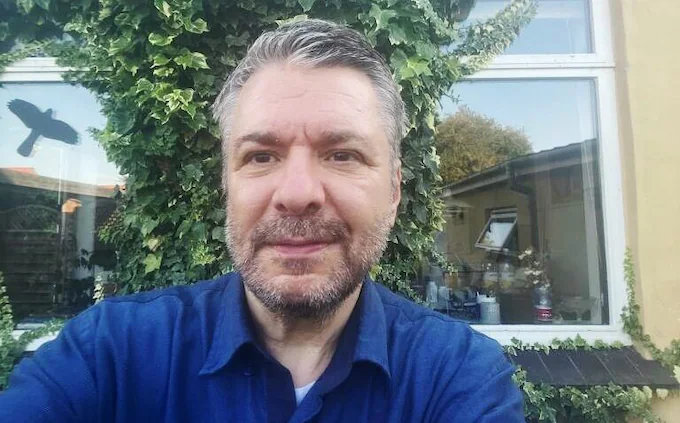
Dr Ittai Gradel, the Israeli-born antiquities dealer who played a central role in exposing the theft of hundreds of objects from the British Museum, has died aged 61 following a battle with cancer.
Gradel, who was born in Haifa before moving to Denmark as a child, spent years pressing museum officials to investigate concerns that ancient artefacts from its collection were being sold online.
The former academic turned dealer first raised concerns in 2021 after identifying gems and antiquities he believed had originated from the museum appearing on eBay, sometimes for only a few pounds.
According to reporting by the BBC, Gradel repeatedly warned museum leadership but initially faced resistance from senior management, who told him the collection had been checked and his concerns were unfounded.

The scandal later erupted publicly in 2023 when the museum revealed around 2,000 items had been stolen, damaged, or were missing from its collection. The controversy led to the resignation of then-director Hartwig Fischer, who acknowledged the institution had failed to respond adequately to earlier warnings.


Gradel became a key figure in the case after helping trace objects he believed had been removed from the museum’s stores. He provided evidence to the police and was expected to play an important role in future legal proceedings.
Former senior curator Peter Higgs has been accused by the museum of stealing, damaging and selling artefacts. He denies wrongdoing.
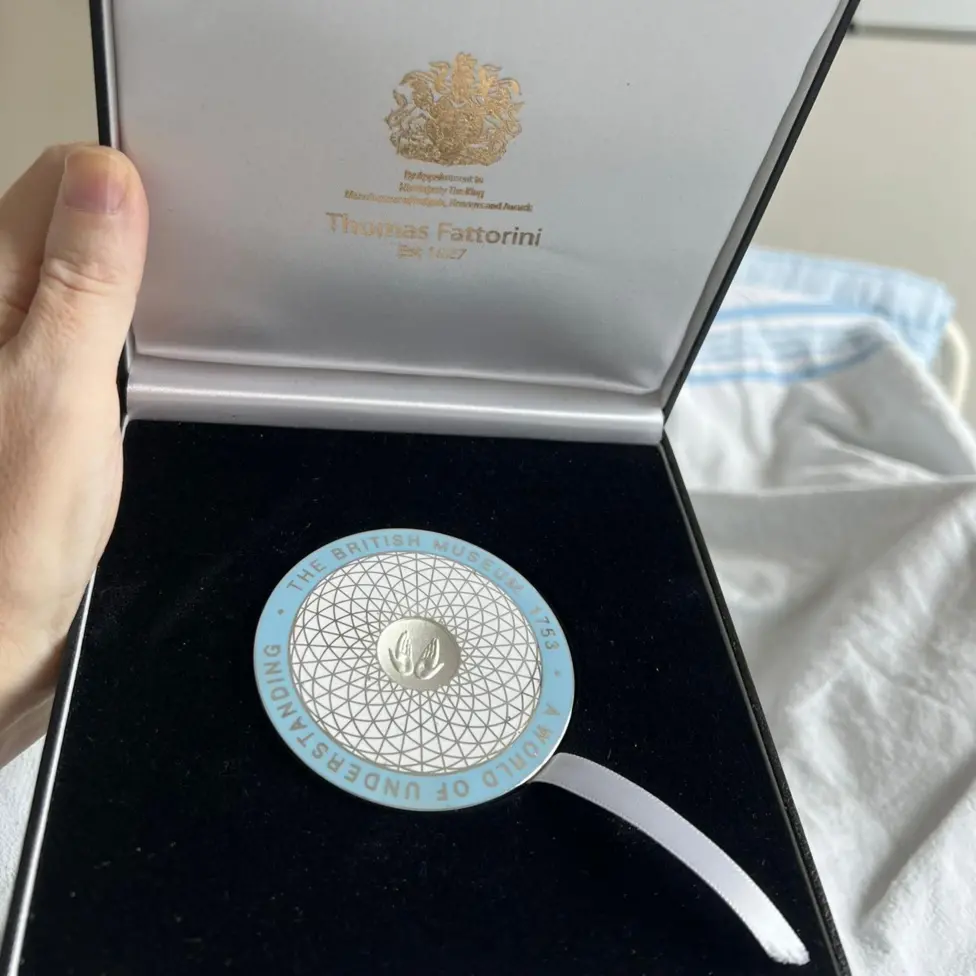
In recognition of his efforts, the museum awarded Gradel a rarely presented medal during his final weeks in a Danish hospice. Current director Nicholas Cullinan praised his “very significant contribution” to uncovering the case.
Gradel, who specialised in ancient engraved gemstones from Greece and Rome, spent years buying and selling antiquities after leaving academia. Friends and colleagues described him as deeply knowledgeable, meticulous and driven by a passion for forgotten historical objects.
He ultimately returned more than 360 artefacts he had unknowingly acquired, which were later linked to the museum’s missing collection.
The investigation by the Metropolitan Police Service remains ongoing, with developments reportedly expected in the coming months.

Keep community journalism free.
Jewish News is free for everyone. No paywall. No barriers. Just trusted journalism for anyone who wants to stay connected to Jewish life in Britain.
If you value that, please support us.
From as little as £5 a month, you can help keep our journalism free and accessible to all.
Every day, we report on the issues that matter to our community. We celebrate achievements, support charities, challenge antisemitism and ensure Jewish voices are heard more widely.
From as little as £5 a month, you can help us continue to:
- Report on the stories shaping Jewish life in the UK and beyond
- Bring our community together through shared stories, events and campaigns
- Celebrate the people, culture and moments that define our community
- Support organisations doing vital work across Jewish Britain
You can make a one-off donation or become a regular supporter. Every contribution helps keep our journalism free, independent and accessible to all.
If everyone who values Jewish News gave a small amount, it would make a real difference to our future.