Prefer Jewish News on Google
Jewish Bletchley Park codebreaker Ruth Bourne dies aged 99
Manchester-born Jewish veteran who helped defeat Nazi Germany remembered as a quiet hero of Britain’s wartime intelligence
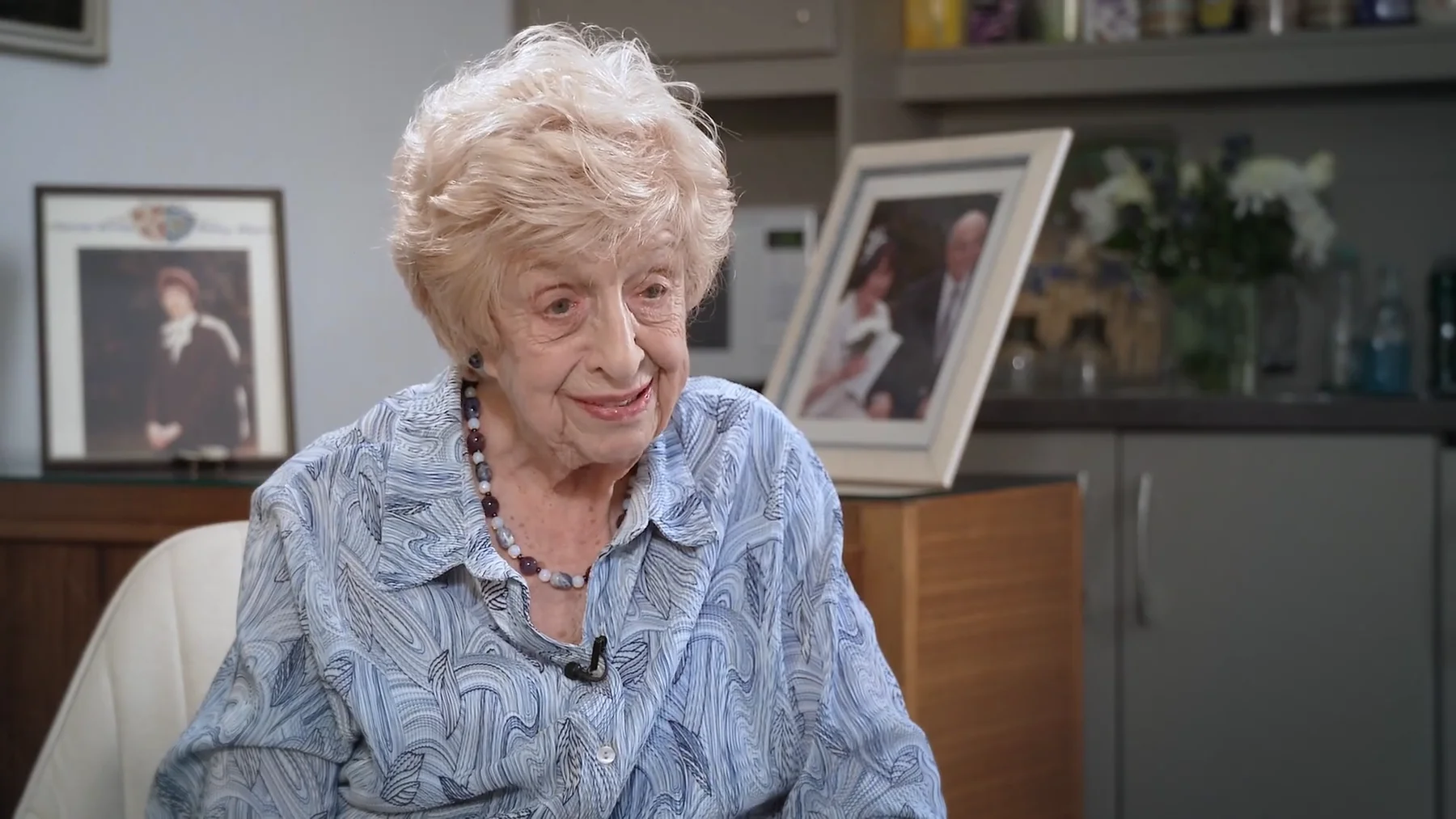
A Jewish Second World War codebreaker who played a vital role in defeating Nazi Germany has died aged 99.
Ruth Bourne (née Henry), who worked as a Bombe machine operator and checker at Bletchley Park and its outstations, was part of the secret intelligence effort that cracked Germany’s Enigma code – work widely acknowledged to have shortened the war by up to four years.
Born in Manchester in 1926 and raised in Birmingham, Bourne joined the Women’s Royal Naval Service (WRNS) in 1944 straight from sixth form. After training in Scotland, she was categorised for “special duties” and informed the work would be secret, demanding, offer no promotion, and that once assigned, she could not leave. She agreed, signed the Official Secrets Act, and was told she would be involved in breaking German codes.
She was transferred to Bletchley Park and later to Bombe outstations at Eastcote and Stanmore, where she operated the electromechanical machines initially designed by Alan Turing. The Bombes were capable of replicating the work of 36 Enigma machines and, at times, identifying daily cipher settings in as little as 15 minutes.
Bourne was responsible for fixing circuits and changing the rotating drums that mimicked Enigma’s rotors – work that was highly pressurised and required total accuracy. Bombe operators worked eight-hour shifts around the clock, seven days a week. Decoded messages were then passed to linguists and intelligence officials who determined how the information would be used.
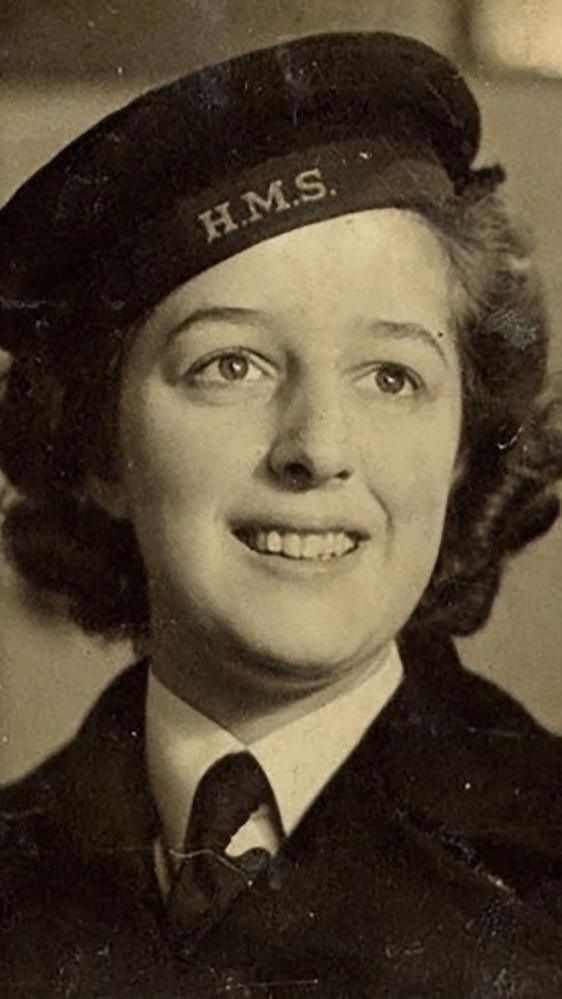
At the height of the operation, around 8,000 people were directly involved in codebreaking, supported by a further 4,000 staff. At the end of the war – on the orders of Winston Churchill, the 211 Bombe machines were dismantled – and Bourne found herself destroying the very machines she had spent years operating.
Despite the scale of achievement, Bourne later recalled that she had little sense of its wider impact at the time. Sworn to secrecy, she said: “I only knew my bit.” Reflecting later, she said she gained “a little bit of personal satisfaction” from her role in anti-Nazi operations.
In December 1946, she married Stephen Bentall, a Czech national serving in the RAF, at West London Synagogue. The couple had two sons. In civilian life, Bourne ran a laundrette in north London, once remarking wryly: “There I was sitting in front of 12 machines with the drums going around – it literally was a home from home.”
She never lost her connection to Bletchley Park and spent more than two decades volunteering as a tour guide, demonstrating a rebuilt Bombe machine to visitors. In 2011, she met the Queen when a long-overdue memorial was unveiled at the site.
In 2009, the UK government formally recognised Bletchley veterans by awarding Bourne and others a commemorative badge engraved with the words: “We also served.” In 2018, she was awarded the Légion d’honneur France’s highest military honour.
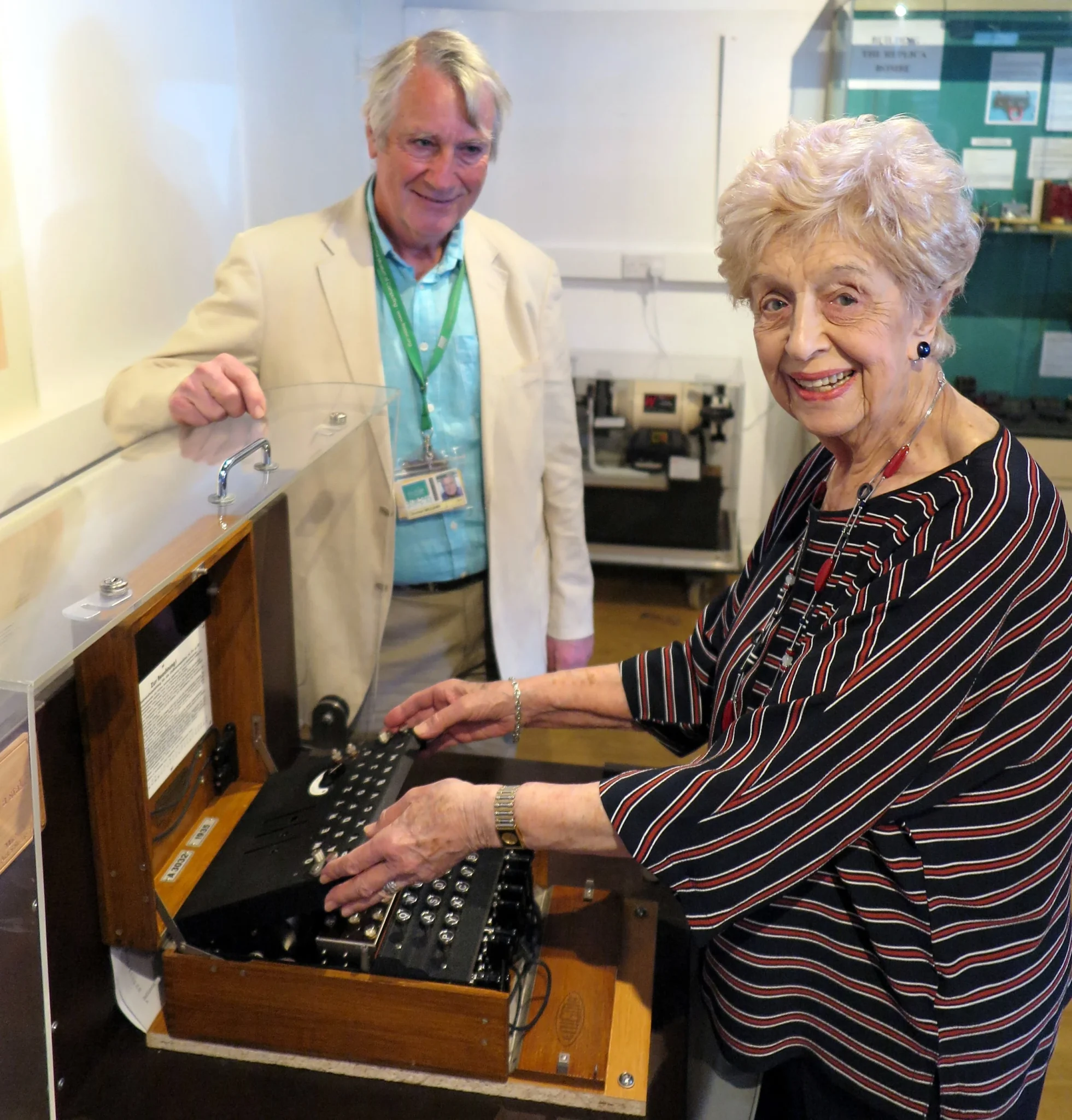
Credit: The National Museum of Computing
Dan Fox, chair of AJEX – the Jewish Military Association – paid tribute, saying: “Sometimes wars are won on battlefields, and sometimes far away from the frontlines. Women like Ruth Bourne applied their intelligence and persistence in anonymous huts, to decipher the Nazi enemy, saving countless lives and supporting operations that turned the tide of WWII towards Allied victory. We owe them everything. They were also heroes.”
Bourne was an AJEX member, appeared in an AJEX Remembrance parade campaign, and featured in the book Jews in Uniform. She later lived in High Barnet, north London.
Her grandchild Bee said: “It was our family’s privilege to share Ruth with the world. My grandmother was such a bright spark – intelligent, creative and witty.”
They added: “She was always delighted to give her time to educating others about her codebreaking contributions. She lives on in books, in her pottery and art, and in our memories.”

Keep community journalism free.
Jewish News is free for everyone. No paywall. No barriers. Just trusted journalism for anyone who wants to stay connected to Jewish life in Britain.
If you value that, please support us.
From as little as £5 a month, you can help keep our journalism free and accessible to all.
Every day, we report on the issues that matter to our community. We celebrate achievements, support charities, challenge antisemitism and ensure Jewish voices are heard more widely.
From as little as £5 a month, you can help us continue to:
- Report on the stories shaping Jewish life in the UK and beyond
- Bring our community together through shared stories, events and campaigns
- Celebrate the people, culture and moments that define our community
- Support organisations doing vital work across Jewish Britain
You can make a one-off donation or become a regular supporter. Every contribution helps keep our journalism free, independent and accessible to all.
If everyone who values Jewish News gave a small amount, it would make a real difference to our future.