Prefer Jewish News on Google


Jewish students unearth powerful stories of former pupils lost to war
City of London School sleuths spent four years researching the 528 young men on their School War Memorial who perished in the two World Wars
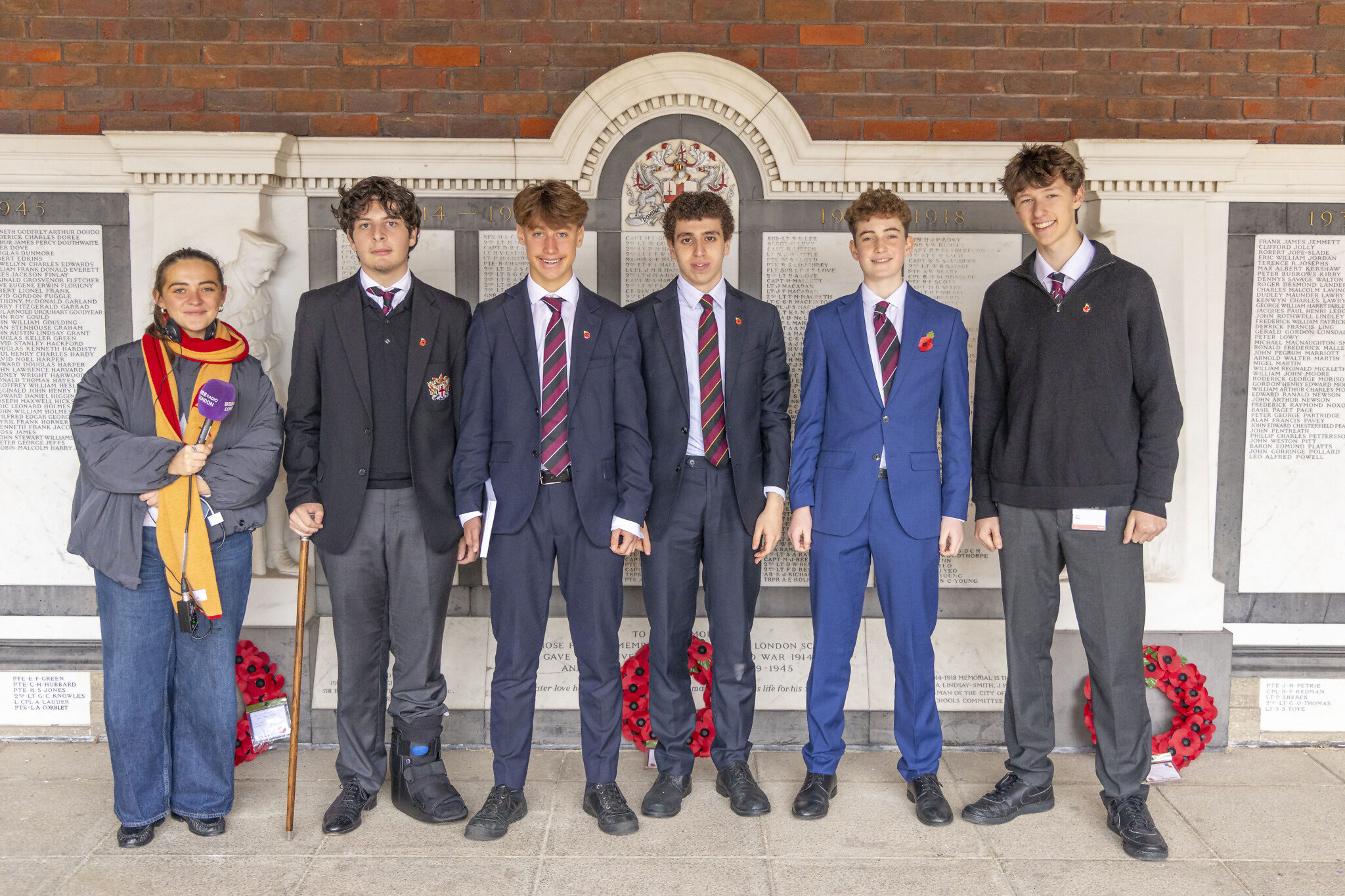
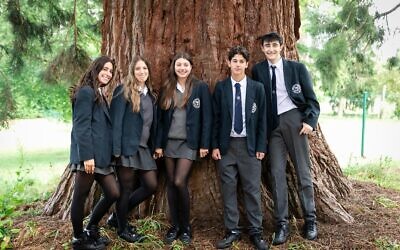
Four Jewish students at City of London School were part of efforts to piece together the lives of 528 former pupils who died in the two World Wars, determined to ensure that the names on their school’s war memorial are never forgotten.
Alongside two non-Jewish students in their History Society, David Shirin, Joseph Nathan, Asher Quint and Aron Winston uncovered stories of bravery, tragedy and young lives cut short, with the school becoming the first in the country to add its research to the Commonwealth War Graves Commission’s For Evermore initiative.
What began as one pupil’s question about the men commemorated on City of London School (CLS)’s War Memorial became an extraordinary investigation, revealing the devastating impact of war on the school community.
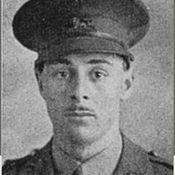
347 CLS alumni perished in World War One – 15 of them on the first day of the Battle of the Somme – and 181 in World War Two, many likely still in their teens and early twenties.
Among the 528 lives researched were five sets of brothers, including three sons of a celebrated Daily Telegraph correspondent, Bennet Burleigh. His sons Bennet, James and Robert were killed in 1915, 1916 and 1917, aged just 20, 23 and 21 respectively.
Other remarkable stories include:
- An unarmed vicar who became one of the First World War’s most decorated heroes. The Reverend Theodore Bailey Hardy, a former CLS pupil and latterly a headmaster who taught novelist D. H. Lawrence, joined the Army as a chaplain aged 51. His courage, as an unarmed member of the Army, earned him the Victoria Cross, Distinguished Service Order and Military Cross, making him WW1’s most decorated non-combatant.
- A 22-year-old British secret agent caught in a Gestapo trap. Captain Jacques Paul Henri Ledoux was recruited by the Special Operations Executive for his French language skills. Parachuted into occupied France in February 1944 to sabotage German transport networks, he and three fellow agents were arrested on landing after their communications were compromised. Ledoux was subsequently executed at Gross-Rosen concentration camp. He has no known grave.
- A young soldier whose death left his family devastated and his mother unable to speak of him again. Born in 1897, Hampstead-born, Sampson Goldstone Katz served on the Western Front, where he was wounded twice and contracted trench fever. He never fully recovered and died in July 1918, aged just 21, after developing pneumonia. In a heartbreaking diary account, his younger sister Peggy recalled how their mother was so devastated by the loss of her eldest and favourite son that she never spoke of him again.
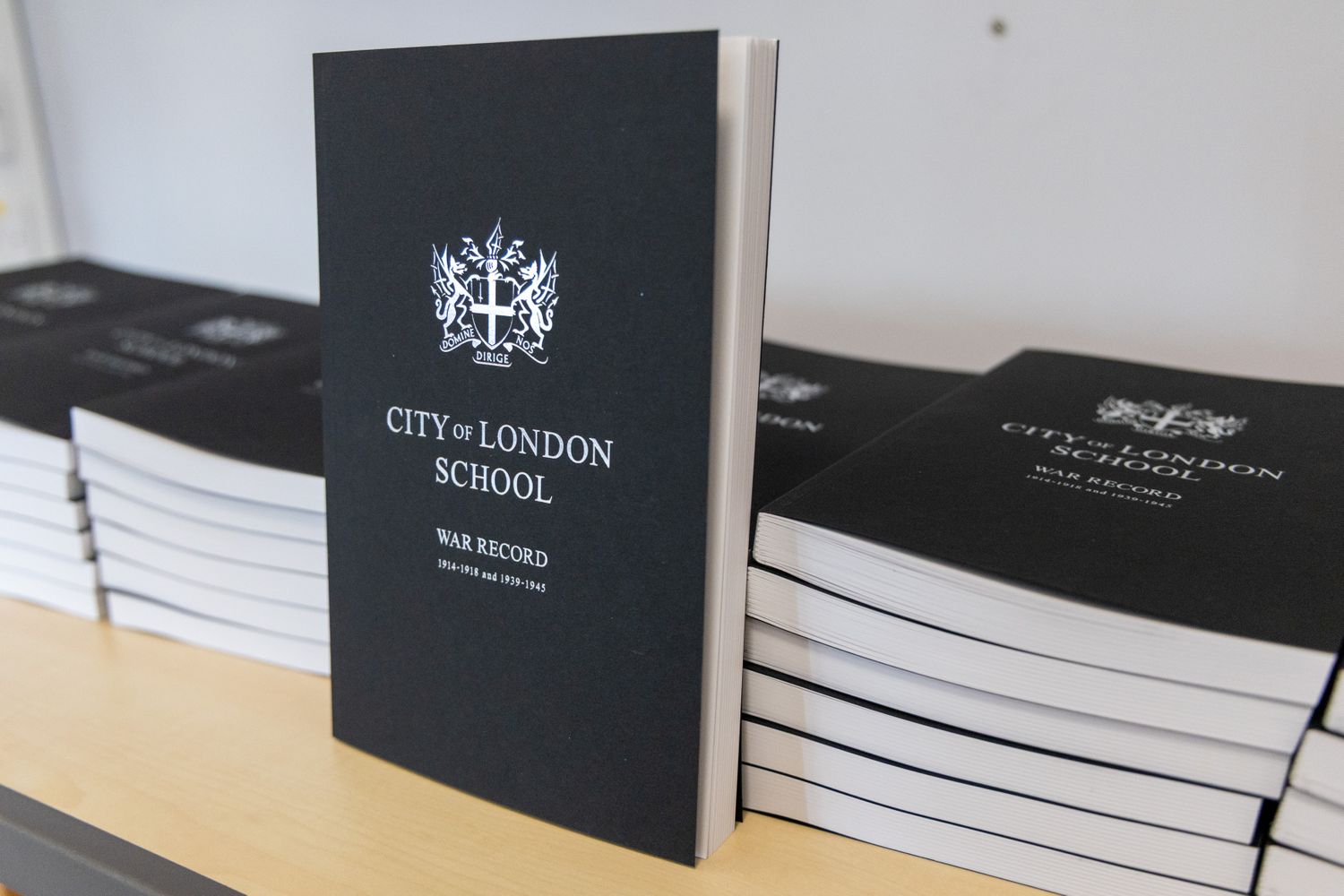
Pupils have unveiled a digital archive and a commemorative book, preserving the biographies, photographs and military histories of those who never returned.
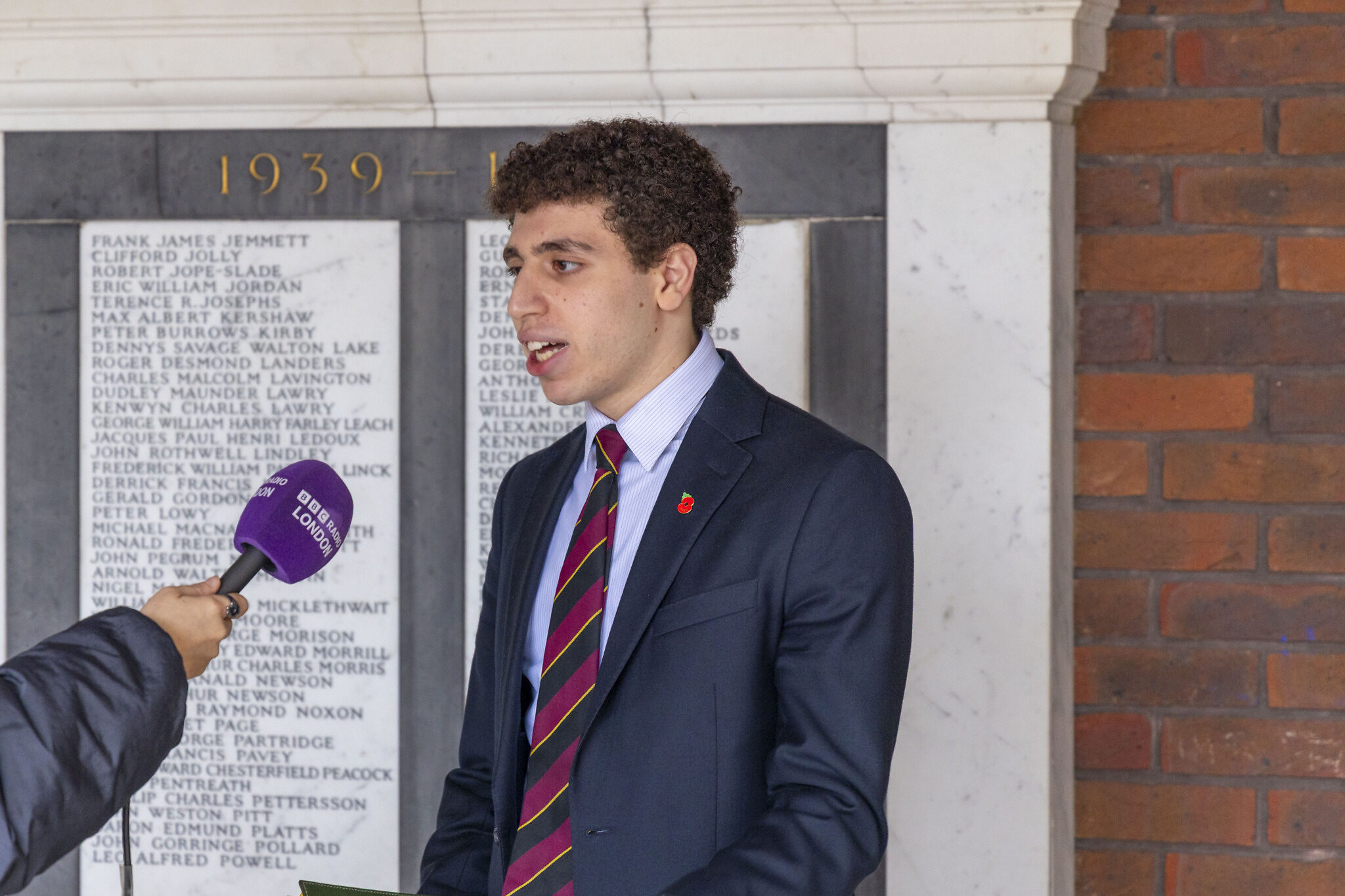
The project was conceived by Joseph Nathan, now 17, who was just 13 when he began this work, after realising how little was known about those commemorated at the school’s annual Remembrance service.
Together with fellow History Society members Julius Falcon, Jonah Bevan, and supported by history teacher Philip Wright, the four Jewish boys spent four years researching military records, personal histories and burial locations.
Nathan said: “Every year we hold remembrance events at the school war memorial remembering the school’s fallen soldiers. I realised that nobody actually knew anything about the lives of the men we remember each year. Over the decades, the humanity of these men, their hopes and dreams, their friends and family, have faded into the stone etching that bears their names. I started the project to bring their stories back to life and ensure that they are not forgotten.”
The boys devoted lunchtimes, school holidays and GCSE revision time to research and write individual obituaries. And rather than arranging the book alphabetically, they organised it by school year, allowing former classmates to be remembered together.
Nathan added: “The main point of the book was to not order from A–Z, where some names can easily be missed, but in school years, where people who shared lessons together would be remembered together.”
Philip Wright, history and politics teacher at CLS, who oversaw the project, said: “More than a century separates the boys who carried out this research from many of those whose lives they have uncovered, yet they share something very special – they all belonged to the same school. The young men who went off to war had the same hopes, ambitions and friendships as the pupils walking our corridors today, but so many never had the chance to fulfil them.”
He added: “I am incredibly proud of what the pupils have achieved. They have shown real dedication, giving up their own time to research, investigate and piece together these stories. It has been a privilege to support them in creating something so meaningful and a powerful reminder that remembrance isn’t just about looking back – it’s about ensuring that future generations understand the human cost of war.”
- The project was supported by the Commonwealth War Graves Commission (CWGC), which commemorates more than 1.7 million Commonwealth service personnel who died in the two World Wars.

Keep community journalism free.
Jewish News is free for everyone. No paywall. No barriers. Just trusted journalism for anyone who wants to stay connected to Jewish life in Britain.
If you value that, please support us.
From as little as £5 a month, you can help keep our journalism free and accessible to all.
Every day, we report on the issues that matter to our community. We celebrate achievements, support charities, challenge antisemitism and ensure Jewish voices are heard more widely.
From as little as £5 a month, you can help us continue to:
- Report on the stories shaping Jewish life in the UK and beyond
- Bring our community together through shared stories, events and campaigns
- Celebrate the people, culture and moments that define our community
- Support organisations doing vital work across Jewish Britain
You can make a one-off donation or become a regular supporter. Every contribution helps keep our journalism free, independent and accessible to all.
If everyone who values Jewish News gave a small amount, it would make a real difference to our future.