Prefer Jewish News on Google
JK Rowling’s agent launches a new chapter for muted writers
For writers struggling to find publishers because of who they are, this week literary agent Neil Blair launched High Line
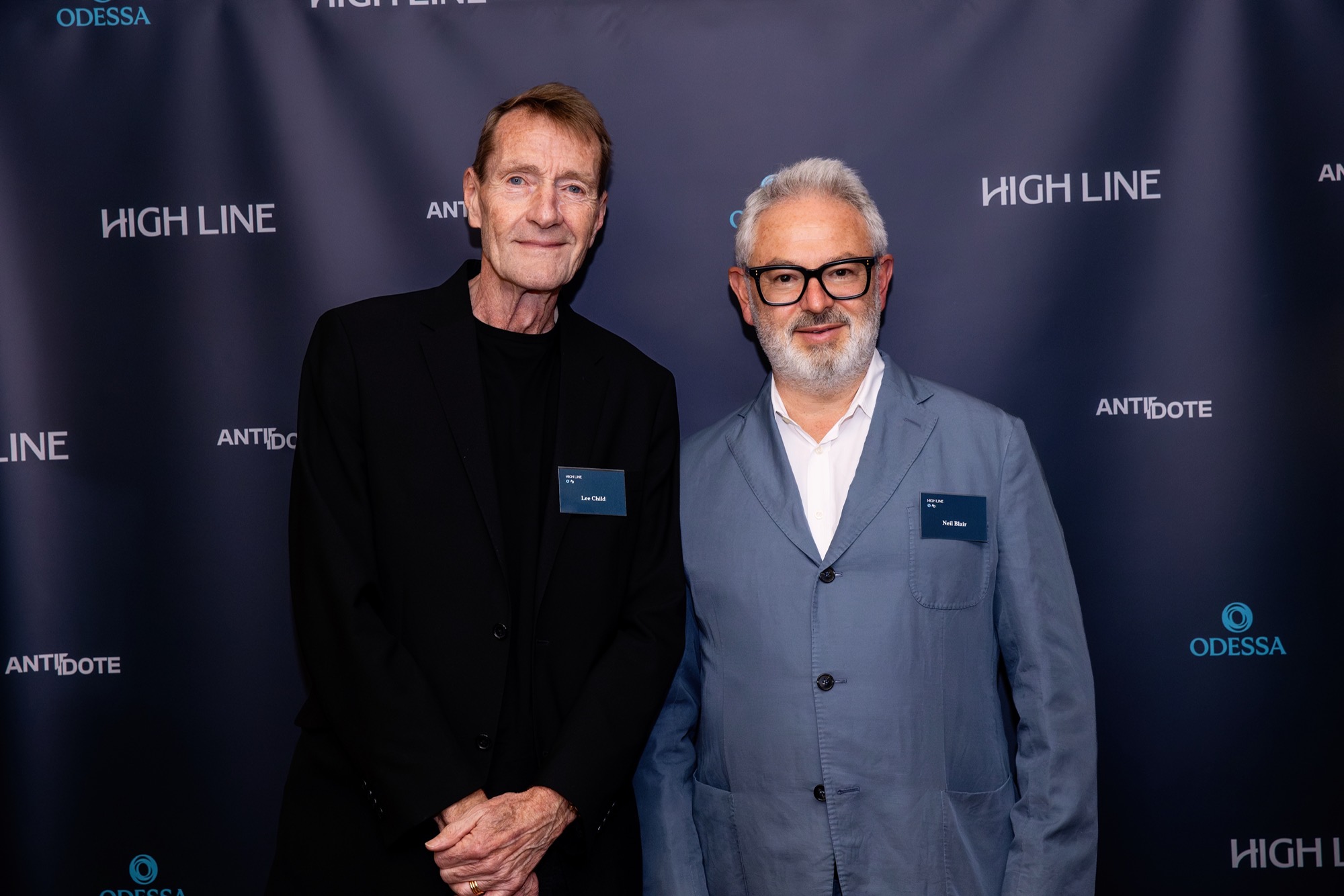
There are plenty of people in publishing who will privately admit that the industry has become increasingly nervous about what it publishes and who it is prepared to upset. Literary agent Neil Blair has spent several years watching that nervousness at close quarters and has now decided to do something about it.
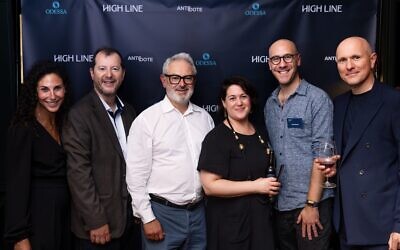
Blair, best known as J.K. Rowling’s literary agent, was speaking at the official launch of High Line , the new independent publishing company he has founded to give a platform to original voices and ideas he believes are increasingly being overlooked by the mainstream.
“I felt for quite a while there was something not quite right in the publishing space,” he told the room. “I saw great authors or new authors and new voices struggling to get published, not because of the quality of their writing or a lack of original thinking, but because their perspectives didn’t conform with the increasingly narrowing views in mainstream publishing.”
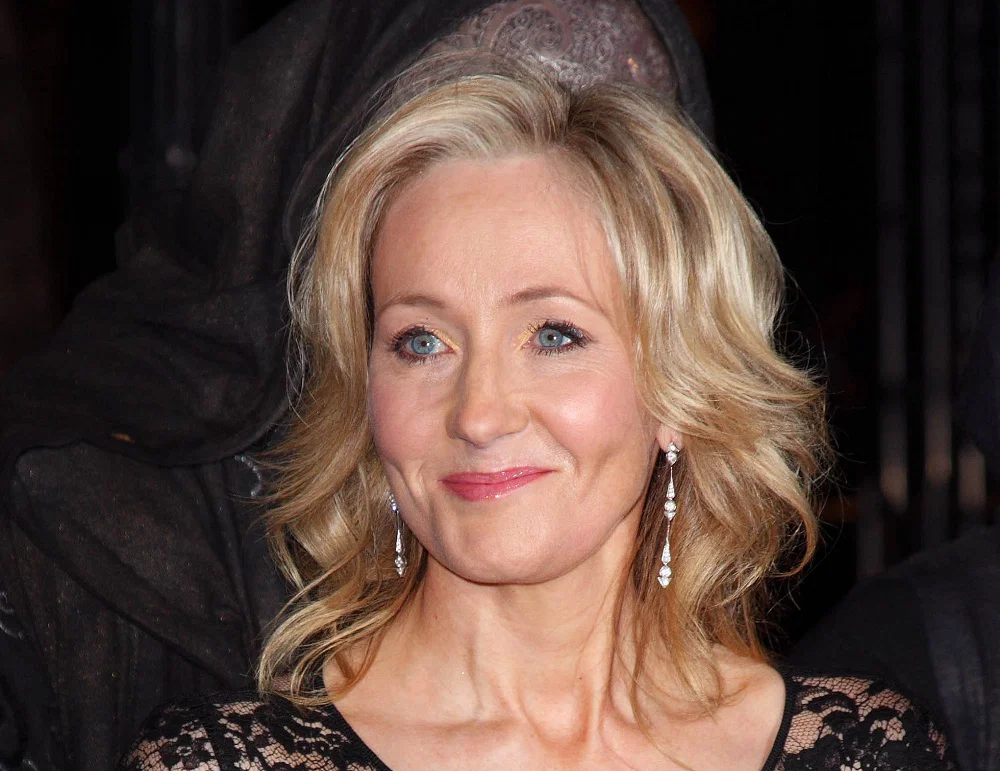
For Blair, the warning signs had been there for some time, as of the most striking involved was his most famous client. When Rowling spoke publicly on gender issues over six years ago, she was preparing to publish a children’s book with Little, Brown.
“A good number of the predominantly young employees wrote a letter to the CEOs, demanding not only that Little, Brown didn’t publish the book, but they sacked her as a client,” Blair said. The company refused, but he regarded the episode as “chilling and significant”.



He began seeing the same problem elsewhere. Gender-critical writers came to him after finding themselves without representation, while he says publishers were unwilling even to consider some of the authors he submitted because they feared a backlash from activist employees. Writers on the political centre-right encountered similar difficulties. “And I’m not talking about extreme people or hate speech,” Blair said. “I’m just talking about people with regular, everyday points of view that just didn’t fit with the same mindset as the norm in publishing.”
After October 7 what concerned Blair took on a new urgency. “Particularly for Israeli writers — actually Jewish writers,” he said. “These writers weren’t writing on issues that Israel was facing, it was just because of the tribe that they came from.”
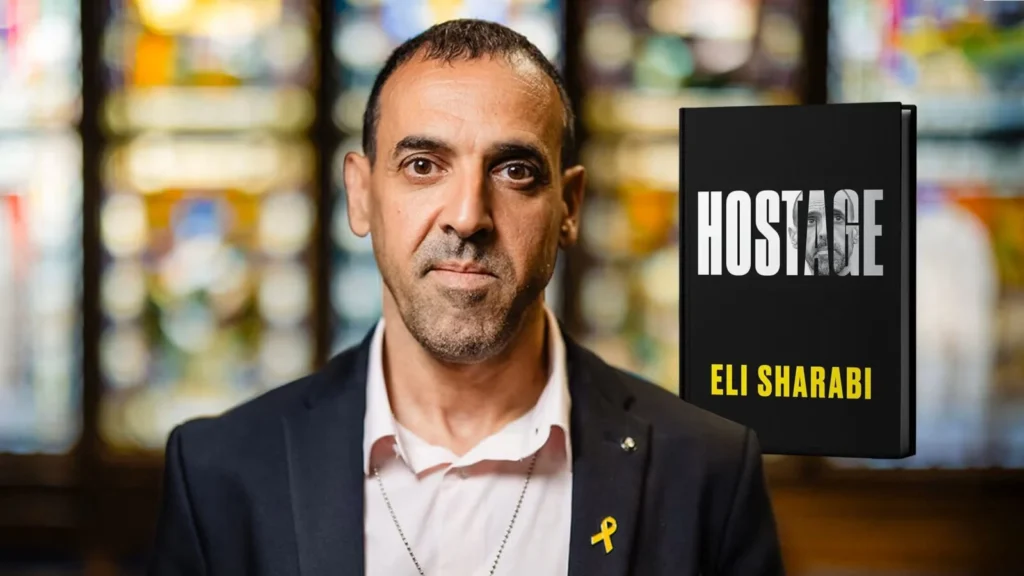
Among those who came to Blair was former hostage Eli Sharabi, whose memoir he represents. He secured a mainstream American publisher and, Blair said, the book went on to sell more than 350,000 hardbacks. In Britain, he could not find a single mainstream publisher willing to take it.
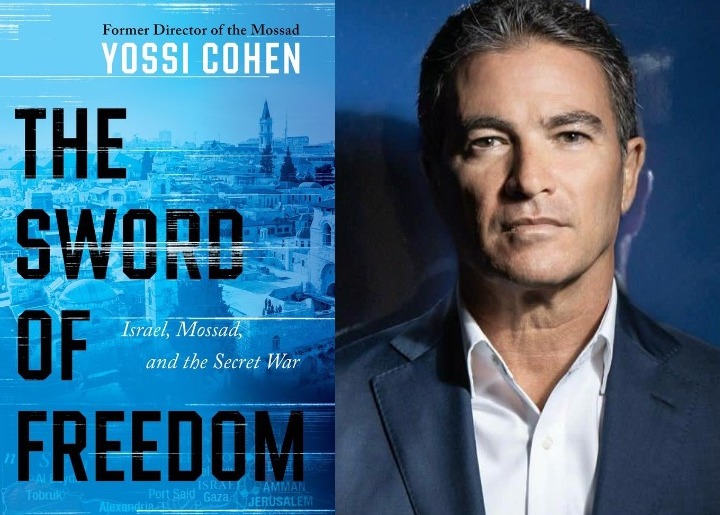
Fortunately, he said, Swift Press stepped in and published the book, but the experience stayed with him as did his experience with Yossi Cohen, a former head of Mossad, whose book was published by HarperCollins but which Blair says received little support from the publisher.
“I decided I wanted to do something about it rather than just complain,” said Blair – and the result is High Line, named after New York’s elevated park, where a familiar city can be viewed from an entirely different perspective. Blair saw in it as an appropriate metaphor for what he wanted his new publishing house to be: “a new vantage point for original ideas and excellent writing.”
Oli Malcolm
Joining Blair at High Line is Adam Cannon, one of the UK’s leading media lawyers, as Executive Chair, alongside an executive committee and advisory board whose members include internationally bestselling author Lee Child, who was among those at the launch. Oliver Malcolm, who leads the High Line team after more than 20 years in senior roles across the publishing industry, was careful not to portray his former colleagues or High Line’s new competitors as the problem.
“The industry is awash with talent,” he said. “There are brilliant people.” What concerns him is what he sees as the “sameness and homogeneity of ideas” that has crept into the business and, with it, a loss of something fundamental to publishing: the willingness to put conflicting ideas into the hands of readers. “We have to publish books that we don’t agree with,” he said. “We have to see sameness as a villain.”
High Line’s first two imprints will approach that ambition from very different directions. Antidote Books led by Executive Publisher Joel Simons, will publish provocative non-fiction across politics, history, economics, culture, technology and international affairs, while Odessa Editions has a mission to create a global home for Jewish and Israeli writing. For Odessa publisher Jacky Klein, its creation began not in a boardroom but in a living room in Jaffa nearly two years ago. She was reading an article about antisemitism in UK publishing which described what she called “the quiet freeze on Jewish writers”, declining sales for Israeli-authored books and the pressure on some writers to make their Jewishness less visible in order to remain publishable.
“It was deeply dispiriting,” she said. “But a really simple thought immediately struck me: I want to do something about this.”
Twenty-four hours after moving back to London from Israel, Klein met Blair for coffee. From that meeting, Odessa began to take shape. “Its name looks back some150 years ago to a city that was once one of the great centres of Jewish literary life,” revealed Klein, “It was home to an extraordinary collision of writers, languages, ideas and cultures and associated with figures including Isaac Babel, Bialik, Sholem Aleichem and Jabotinsky.
But Klein’s ambitions are very much about the present.“Our mission, quite simply, is to reassert the presence of great Jewish writing on the international stage, exactly where it deserves to be.”And Klein is equally clear about what she does not want Odessa to become.“This isn’t a new ghetto,” she said. “The doors will also be open to Arab Israeli writers, books connected to Israel and the Middle East and books on Jewish themes written beautifully by anyone.”
For writers attending the launch who have felt doors closing, the announcement brought a sigh of relief and Klein to close borrowed a thought attributed to the composer Philip Glass: ‘if there is no seat at the table, go and build your own table.’” High Line is asking writers to pull up a chair.

Keep community journalism free.
Jewish News is free for everyone. No paywall. No barriers. Just trusted journalism for anyone who wants to stay connected to Jewish life in Britain.
If you value that, please support us.
From as little as £5 a month, you can help keep our journalism free and accessible to all.
Every day, we report on the issues that matter to our community. We celebrate achievements, support charities, challenge antisemitism and ensure Jewish voices are heard more widely.
From as little as £5 a month, you can help us continue to:
- Report on the stories shaping Jewish life in the UK and beyond
- Bring our community together through shared stories, events and campaigns
- Celebrate the people, culture and moments that define our community
- Support organisations doing vital work across Jewish Britain
You can make a one-off donation or become a regular supporter. Every contribution helps keep our journalism free, independent and accessible to all.
If everyone who values Jewish News gave a small amount, it would make a real difference to our future.