Prefer Jewish News on Google
Know the warning signs: expert guide to preventing and managing type 2 diabetes
With 17 percent of Jewish people aged 65+ reporting diabetes, nutritionist Ruth Kander shares prevention and management advice

Type 2 diabetes is one of the most common long-term health conditions worldwide, but many people live with it for years before it is diagnosed. The good news is that early recognition and lifestyle changes can make a major difference. In many cases, type 2 diabetes can be delayed or even prevented, and people already diagnosed can successfully manage their condition and reduce the risk of complications.
Type 2 diabetes develops when the body becomes resistant to insulin or does not produce enough insulin to keep blood glucose levels within a healthy range. Insulin is the hormone that helps glucose move from the bloodstream into the body’s cells to provide energy. When this process does not work effectively, blood sugar levels rise.
Recognising the early symptoms
The symptoms of type 2 diabetes can develop gradually and may be easy to overlook. Some people feel perfectly well and only discover they have diabetes during a routine blood test. However, recognising the warning signs early is important.
Common symptoms include:
- Feeling unusually thirsty
- Passing urine more often, especially at night
- Tiredness and low energy
- Blurred vision
- Unexplained weight loss
- Frequent infections such as thrush or urinary infections
- Cuts or wounds that heal slowly
- Increased hunger
- Tingling or numbness in the hands and feet
- Some people may also notice darker patches of skin around the neck or armpits, which can be linked to insulin resistance
If any of these symptoms are present, it is important to seek medical advice and ask for a blood glucose test.
Who is at higher risk?
Anyone can develop type 2 diabetes, but certain factors increase the risk. These include:
- Being overweight, particularly carrying weight around the waist
- Having a family history of diabetes
- Being over the age of 40
- Having high blood pressure or high cholesterol
- Physical inactivity
- A history of gestational diabetes during pregnancy
- Certain ethnic backgrounds, including South Asian, Black African,
- African-Caribbean and Middle Eastern populations.
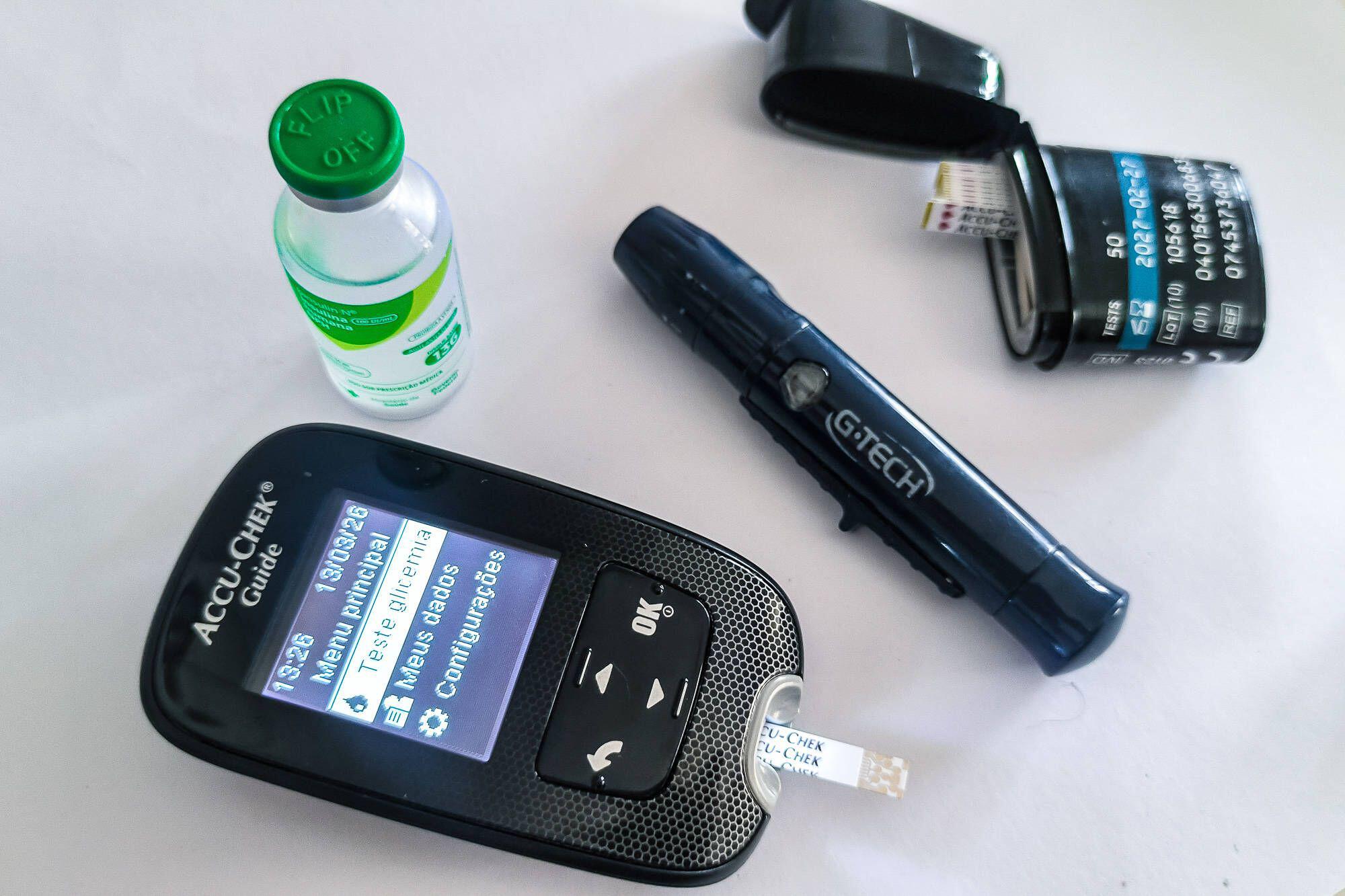
Insulin pens for the treatment of diabetes. Photo: Adriana Toffetti
Understanding personal risk factors can help motivate early action.
Practical lifestyle steps to prevent type 2 diabetes
Small, sustainable lifestyle changes are often more effective than strict diets or unrealistic exercise plans. Prevention focuses on improving insulin sensitivity and maintaining a healthy body weight.
1. Eat regular, balanced meals.
Aim for meals that include:
- High-fibre carbohydrates such as wholegrains, quinoa, bulgur wheat, buckwheat, oats, barley, brown rice and wholegrain bread such as multi-seed or granary bread
- Lean proteins, including fish, eggs, beans, lentils and poultry
- Plenty of vegetables and salad
- Healthy fats such as olive oil, nuts and seeds
- Balanced meals help stabilise blood glucose levels and reduce hunger between meals.

2. Reduce sugary foods and drinks
Sugary drinks can rapidly increase blood glucose levels and contribute to weight gain. Try replacing:
- Fizzy drinks with water or sugar-free alternatives
- Sweetened tea or coffee with reduced-sugar options
- Cakes, biscuits and sweets with fruit or yoghurt
- Reading food labels can help identify hidden sugars in packaged foods.
3. Increase physical activity
Regular movement improves the body’s response to insulin. Exercise does not need to involve a gym membership. Helpful activities include:
- Brisk walking
- Dancing
- Gardening
- Swimming
- Cycling
- Chair-based exercises for those with mobility difficulties.
Aim for at least 150 minutes of moderate activity per week, spread across several days. Even short 10-minute walks after meals can help lower blood glucose levels.

4. Manage weight gradually
Losing even a small amount of weight can significantly improve blood glucose control. A weight loss of 5–10 percent of body weight can reduce diabetes risk and improve overall health.
Avoid crash diets. Slow, realistic changes are more likely to be maintained long-term.
5. Prioritise sleep and stress management.
Poor sleep and ongoing stress can affect blood sugar levels and increase cravings for high-sugar foods. Helpful strategies include:
- Maintaining a regular sleep routine
- Limiting screen time before bed
- Relaxation exercises
- Mindfulness or breathing techniques
- Spending time outdoors.

6. Stop smoking and limit alcohol.
Smoking increases the risk of diabetes complications, including heart disease and poor circulation. Excess alcohol can also affect blood glucose control and contribute to weight gain.
Seeking support from healthcare professionals can make lifestyle changes easier and more achievable.
Managing Type 2 Diabetes after Diagnosis
A diagnosis of type 2 diabetes can feel overwhelming, but many people live healthy and active lives with the condition. Management usually involves a combination of healthy eating, regular activity, monitoring blood glucose and, for some people, medication.
Regular health checks are important to monitor blood pressure, cholesterol, kidney function, eye health and foot health. These checks help identify complications early when they are most treatable.
Building healthy habits one step at a time is often the most successful approach. Small changes made consistently can lead to major long-term benefits.
Final thoughts
Type 2 diabetes is a serious but manageable condition. Recognising the early symptoms and taking preventative lifestyle steps can reduce the risk of developing diabetes and improve overall well-being. The key is not perfection, but consistency. Choosing healthier foods, staying active, sleeping well and seeking support when needed can all make a meaningful difference to long-term health.
Useful Resources:
This article is part of Jewish News’ diabetes awareness campaign in partnership with Jewish Blind and Disabled.
- Ruth Kander, BSc (Hons), MSc, RD MBDA AFHEA, is a Consultant Dietitian at Your Diet Matters

Keep community journalism free.
Jewish News is free for everyone. No paywall. No barriers. Just trusted journalism for anyone who wants to stay connected to Jewish life in Britain.
If you value that, please support us.
From as little as £5 a month, you can help keep our journalism free and accessible to all.
Every day, we report on the issues that matter to our community. We celebrate achievements, support charities, challenge antisemitism and ensure Jewish voices are heard more widely.
From as little as £5 a month, you can help us continue to:
- Report on the stories shaping Jewish life in the UK and beyond
- Bring our community together through shared stories, events and campaigns
- Celebrate the people, culture and moments that define our community
- Support organisations doing vital work across Jewish Britain
You can make a one-off donation or become a regular supporter. Every contribution helps keep our journalism free, independent and accessible to all.
If everyone who values Jewish News gave a small amount, it would make a real difference to our future.