
 Prefer Jewish News on Google
Leap of faith: friendship needs to be worked at
We must learn to judge each other with compassion
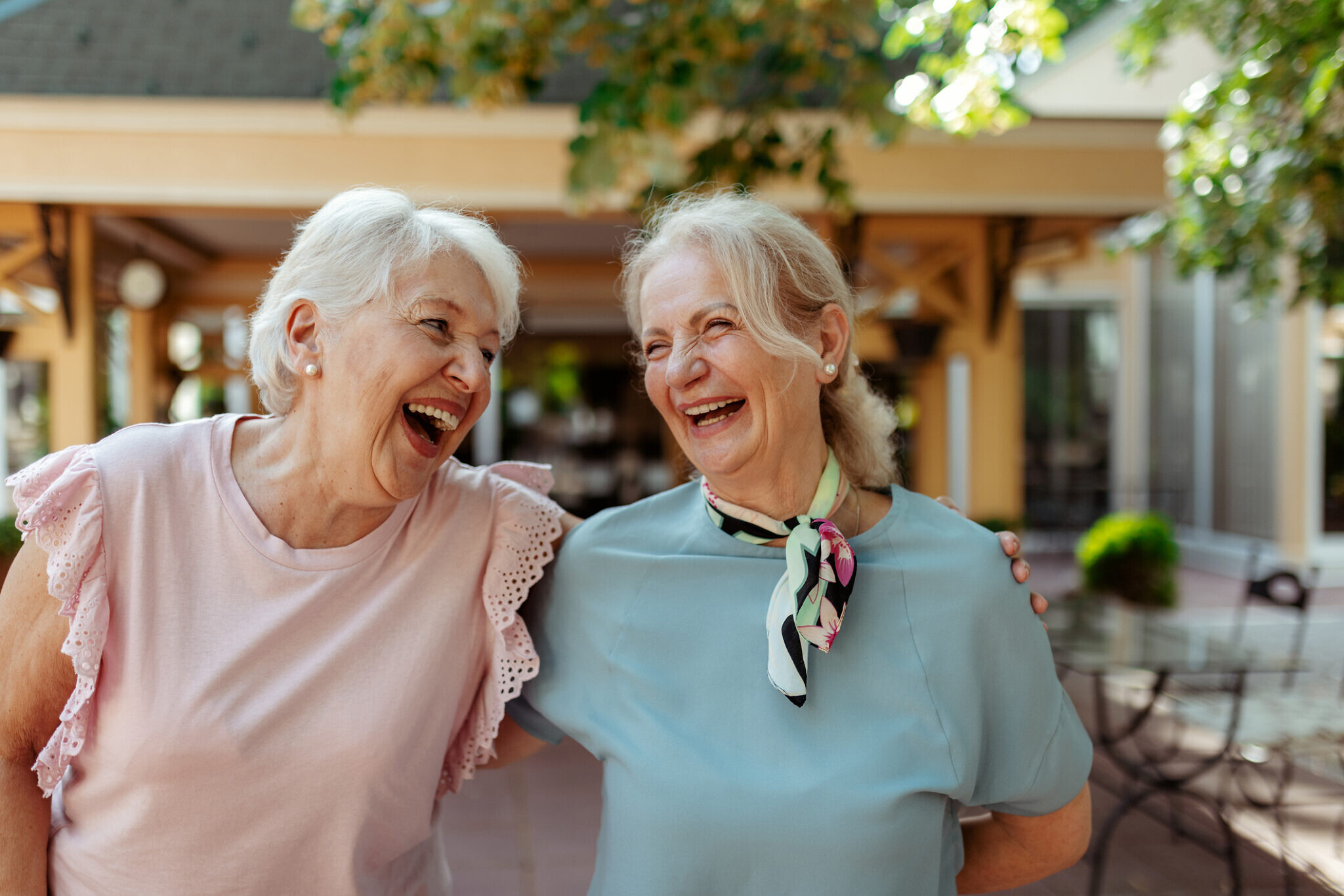
The International Day of Friendship, which we celebrated just a couple of weeks ago, was proclaimed in 2011 by the UN General Assembly. It promotes the idea that friendship between peoples, countries, cultures and individuals might inspire peace efforts and build bridges between communities.
There are over a hundred such international days – dedicated to raising awareness of a multitude of issues in society – and it can feel a little strange and tokenistic to create such moments in the calendar. We might wonder what value such days have in highlighting complex social issues.
There is no doubt that friendship is a basic human need, possibly the single most important thing in supporting our psychological and physical health. Without social connections to others, we quickly decline – studies have shown that depression and cognitive acuity are affected by lack of relationships, and this is something that our own tradition notes.
Ecclesiastes writes “two are better than one…for one can raise the other”. The Talmud tells the story of Honi HaMe’agel, who woke after 70 years to find no one alive whom he knew. He was so distressed he prayed for death, and about him Rava said: “This is why people say ‘either friendship or death, as one who has no friends is better off dead.’” Possibly most famously, in Pirkei Avot we read the advice of Joshua ben Perachia: “Appoint for yourself a teacher, acquire for yourself a friend, and judge everyone favourably.”
Maimonides comments that this means a person must work hard to create friendship, categorising three types of friend – one who provides benefit in practical matters, one who you can trust and enjoy life with, and one “for virtue”, where both of you desire to be better people and help each other to become so by challenging and supporting.


In recent months many of us have found that those we thought were such friends have melted away. Many of my colleagues are questioning the value of interfaith work given so many of our partners in this work stayed silent after October 7. The increasing polarisation of people’s positions on a variety of social and political issues has meant that any chance of discussion or nuanced debate has vanished. Trauma has led to extreme and angry responses.
I take heart from the many Israelis such as Joanna Chen or Jonathan Zeigen, who hold on to the idea of working for the “friendship of virtue”, who continue to build relationships and hold the vision of coexistence in the land. We all need to work at friendships, and to judge each other with compassion.
Rabbi Sylvia Rothschild is at Lev Chadash, Milan

Keep community journalism free.
Jewish News is free for everyone. No paywall. No barriers. Just trusted journalism for anyone who wants to stay connected to Jewish life in Britain.
If you value that, please support us.
From as little as £5 a month, you can help keep our journalism free and accessible to all.
Every day, we report on the issues that matter to our community. We celebrate achievements, support charities, challenge antisemitism and ensure Jewish voices are heard more widely.
From as little as £5 a month, you can help us continue to:
- Report on the stories shaping Jewish life in the UK and beyond
- Bring our community together through shared stories, events and campaigns
- Celebrate the people, culture and moments that define our community
- Support organisations doing vital work across Jewish Britain
You can make a one-off donation or become a regular supporter. Every contribution helps keep our journalism free, independent and accessible to all.
If everyone who values Jewish News gave a small amount, it would make a real difference to our future.





















