Prefer Jewish News on Google
Life-sustaining treatment can be withdrawn from two-year-old girl, rules judge
Alta Fixsler suffered a severe brain injury at birth and her doctors say she cannot breathe, eat or drink without sophisticated medical treatment.
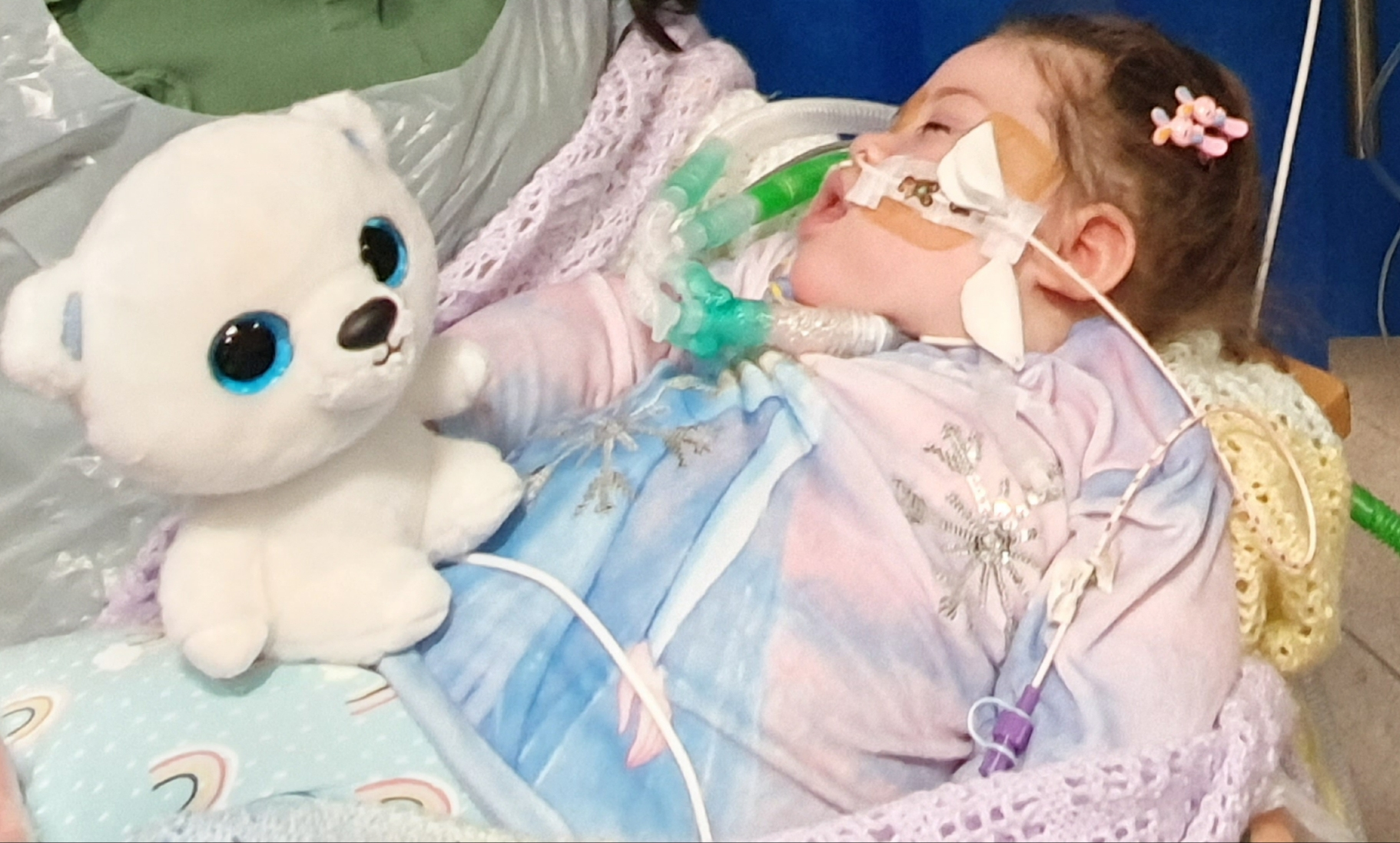
A seriously ill two-year-old girl can have life-sustaining treatment withdrawn in her best interests, a High Court judge has ruled.
Alta Fixsler suffered a severe brain injury at birth and her doctors say she cannot breathe, eat or drink without sophisticated medical treatment.
Manchester University NHS Foundation Trust, which has responsibility for her care, asked a High Court judge to decide whether it is in Alta’s best interests to withdraw life-sustaining treatment and put her on a palliative care regime.
At a hearing last week, lawyers representing the trust told the court that there is “no prospect of her ever getting better”.
But Alta’s parents said their Jewish faith means they cannot agree to steps which would lead to her death and want to take her to a hospital in Israel.

Their barrister Victoria Butler-Cole QC said: “They would like her to be treated in Israel by doctors who share their religious beliefs and ethical framework, and struggle to understand why the trust will not agree to this.
“Hospitals in Israel are willing to accept Alta, the risks of transfer are very low, and the costs of transporting Alta safely will be met.
“The parents implore the trust to reconsider their position.”
In a judgment delivered on Friday, Mr Justice MacDonald ruled that “it is in Alta’s best interests for the treatment that is currently sustaining her precious life now to be withdrawn”.
He said taking Alta to Israel for treatment to continue there would “expose Alta to further pain and discomfort during the course of transfer for no medical benefit in circumstances where all parties accept that the treatment options now available for Alta provide no prospect of recovery”.
The judge added: “The parents cannot be criticised for having reached a different decision informed by the religious laws that govern their way of life.
“But applying the secular legal principles that I must, and according due respect to the deeply held religious convictions of the parents, I cannot agree with their assessment and am required to act accordingly.”
Mr Justice MacDonald concluded: “It is not in the best interests of Alta for life-sustaining medical treatment to be continued, and … it is in her best interests for a palliative care regime to be implemented.”
In a statement released after the ruling, Mat Culverhouse, a solicitor at Irwin Mitchell law firm representing Alta and her family, said: “Naturally, Alta’s parents are disappointed with today’s decision.
“They are devastated at the prospect of her treatment being withdrawn and are now considering their options with regard to appealing.
“We’ll continue to support them throughout this difficult time.”

Keep community journalism free.
Jewish News is free for everyone. No paywall. No barriers. Just trusted journalism for anyone who wants to stay connected to Jewish life in Britain.
If you value that, please support us.
From as little as £5 a month, you can help keep our journalism free and accessible to all.
Every day, we report on the issues that matter to our community. We celebrate achievements, support charities, challenge antisemitism and ensure Jewish voices are heard more widely.
From as little as £5 a month, you can help us continue to:
- Report on the stories shaping Jewish life in the UK and beyond
- Bring our community together through shared stories, events and campaigns
- Celebrate the people, culture and moments that define our community
- Support organisations doing vital work across Jewish Britain
You can make a one-off donation or become a regular supporter. Every contribution helps keep our journalism free, independent and accessible to all.
If everyone who values Jewish News gave a small amount, it would make a real difference to our future.