Prefer Jewish News on Google
Lipstadt: Antisemitism shape-shifts to survive and now unites left and right
Former US antisemitism envoy Deborah Lipstadt warned at Limmud that Jew-hatred adapts to every era and ideology
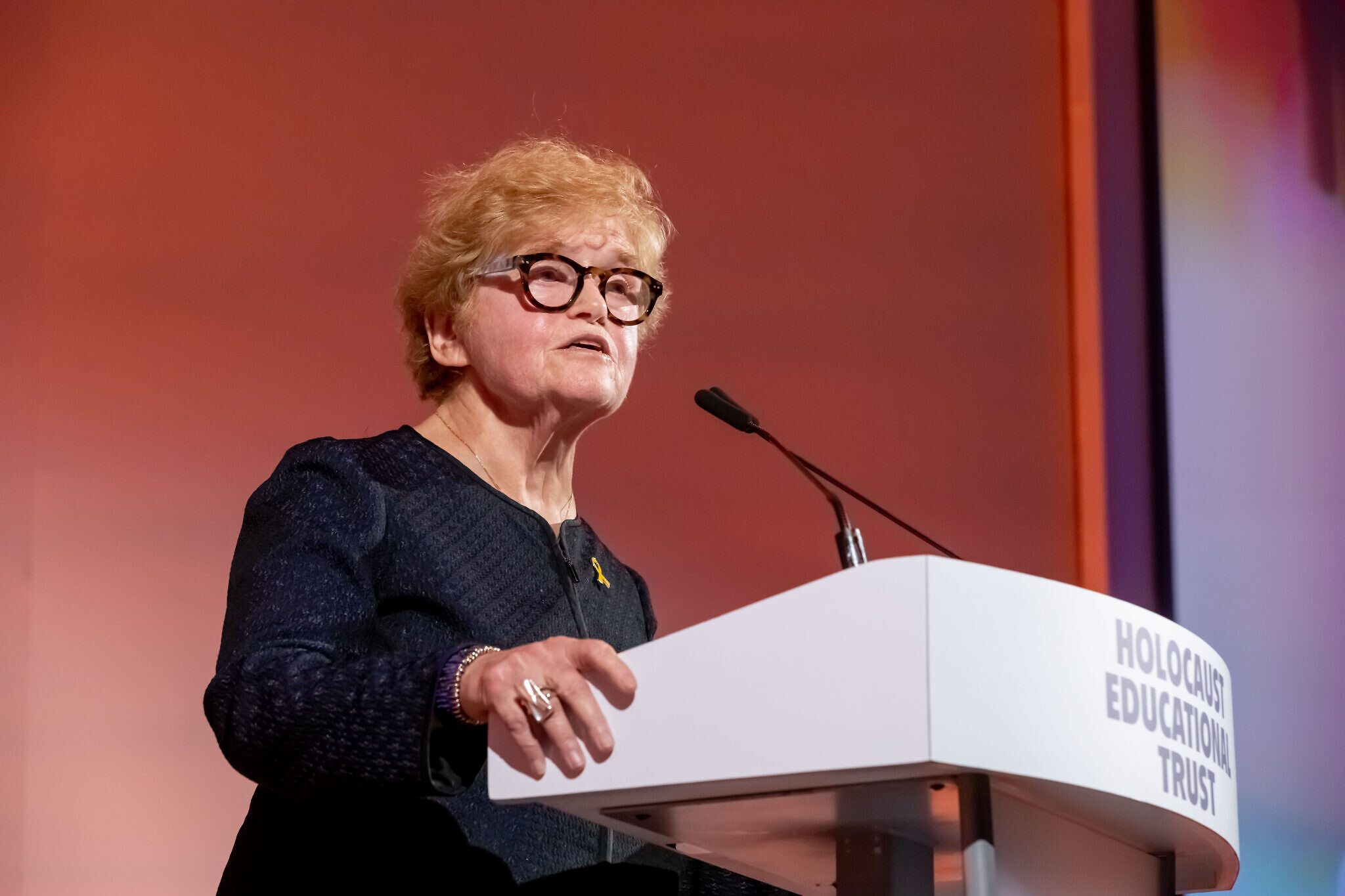
Deborah Lipstadt has warned that antisemitism remains uniquely dangerous because of its ability to reinvent itself across history – and now thrives simultaneously on the far left, far right and among Islamist extremists.
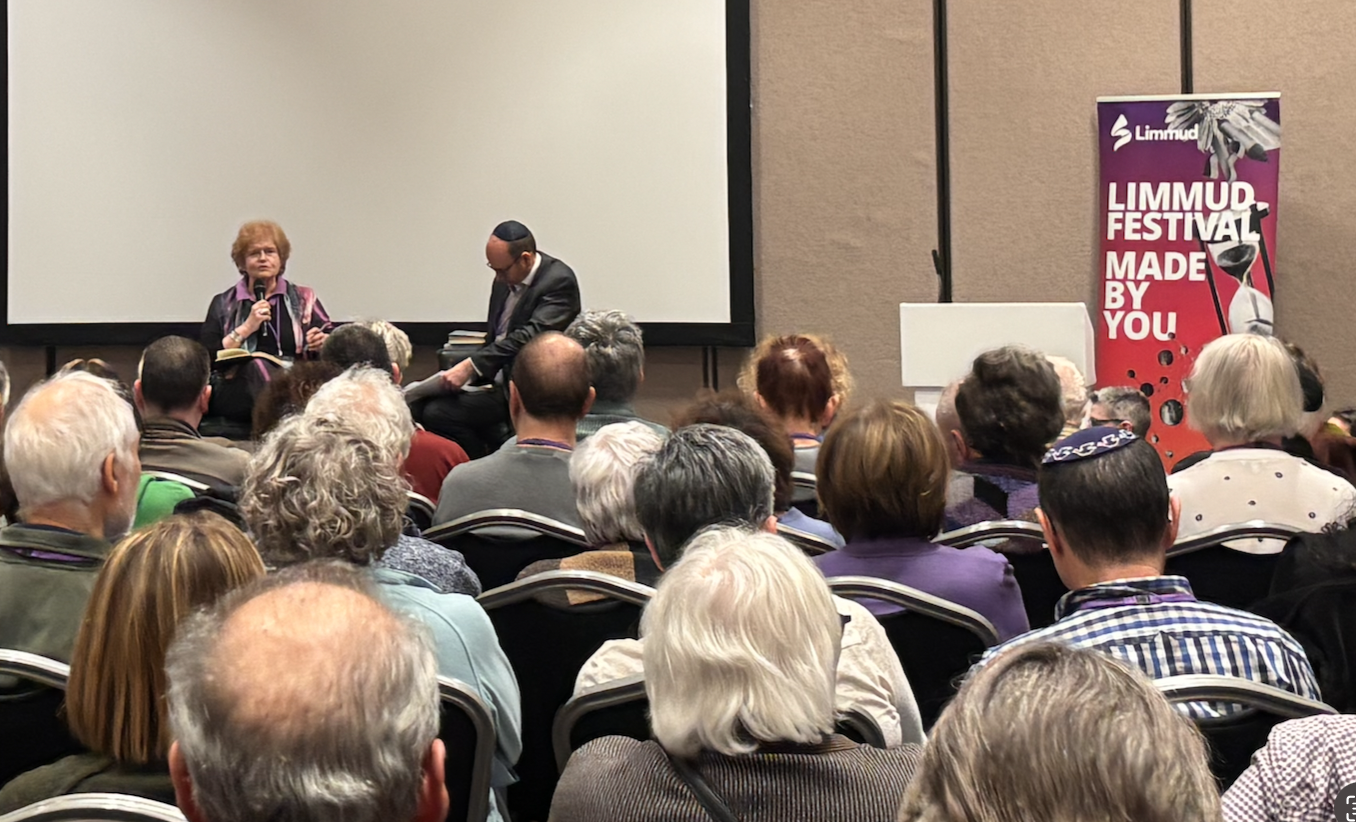
Speaking at a packed session at Limmud, the former US State Department Special Envoy to Monitor and Combat Antisemitism, described antisemitism as “often called the world’s oldest hatred,” but one that is also “adaptable, malleable and shape-shifting”.
Tracing its evolution over millennia, Lipstadt explained how hostility towards Jews has repeatedly changed form – from early religious prejudice to racial and pseudo-scientific theories, and today to political expressions often framed as opposition to Israel.
She stressed that criticism of Israel is not in itself antisemitism, pointing out that protest is a core feature of democratic societies. However, she warned that antisemitism emerges when criticism relies on classic antisemitic tropes or when hatred of Jews is repackaged as hostility to Israel’s existence.
Lipstadt told the audience that antisemitism differs from most other forms of prejudice because it does not simply target Jews as inferior but portrays them as dangerously powerful.

“The Jew is depicted as all-powerful,” she said, explaining that Jews have long been accused of controlling finance, governments, religion and global events. “And if a group is believed to be all-powerful, people conclude it must be stopped by any means necessary.”
She said this belief has underpinned some of history’s worst atrocities – from medieval blood libels to the Holocaust – and continues to shape contemporary antisemitic narratives.
Turning to modern politics, Lipstadt highlighted what she described as a “strange alliance” between parts of the radical left and Islamist movements, sometimes referred to as the “red-green alliance”. Despite holding opposing views on democracy, women’s rights and LGBTQ+ equality, she said these groups are often united by hostility towards Jews and Israel.
She also noted that similar conspiratorial claims about Jewish power now circulate at ideological extremes, warning that antisemitism no longer fits neatly on a left-right spectrum.
Lipstadt said antisemitism is frequently minimised because Jews are perceived as privileged or successful, making it harder for complaints to be taken seriously by institutions. She pointed to growing concern on university campuses, where Jewish students report feeling ignored or dismissed when raising antisemitism.
Throughout the session, Lipstadt returned to a central theme: that antisemitism persists not because of Jewish actions, but because it functions as a default scapegoat in times of social and political anxiety.
Lipstadt, a Distinguished University Professor at Emory University, is internationally known for successfully defending herself against a libel lawsuit brought by Holocaust denier David Irving – a case that exposed the mechanics of Holocaust denial in court.
She concluded by urging vigilance and precision in confronting antisemitism, particularly when it appears in new political forms.
“Language matters,” she warned, arguing that history shows the cost of failing to recognise antisemitism when it adapts to new guises.

Keep community journalism free.
Jewish News is free for everyone. No paywall. No barriers. Just trusted journalism for anyone who wants to stay connected to Jewish life in Britain.
If you value that, please support us.
From as little as £5 a month, you can help keep our journalism free and accessible to all.
Every day, we report on the issues that matter to our community. We celebrate achievements, support charities, challenge antisemitism and ensure Jewish voices are heard more widely.
From as little as £5 a month, you can help us continue to:
- Report on the stories shaping Jewish life in the UK and beyond
- Bring our community together through shared stories, events and campaigns
- Celebrate the people, culture and moments that define our community
- Support organisations doing vital work across Jewish Britain
You can make a one-off donation or become a regular supporter. Every contribution helps keep our journalism free, independent and accessible to all.
If everyone who values Jewish News gave a small amount, it would make a real difference to our future.