Prefer Jewish News on Google
Lithuania Lost Shtetl Museum dedicated to 200 Jewish communities destroyed by Nazis
SPECIAL REPORT: Actor Liev Schreiber lends support to ambitious Šeduva project restoring 'the faces and names of a community that once lived here'
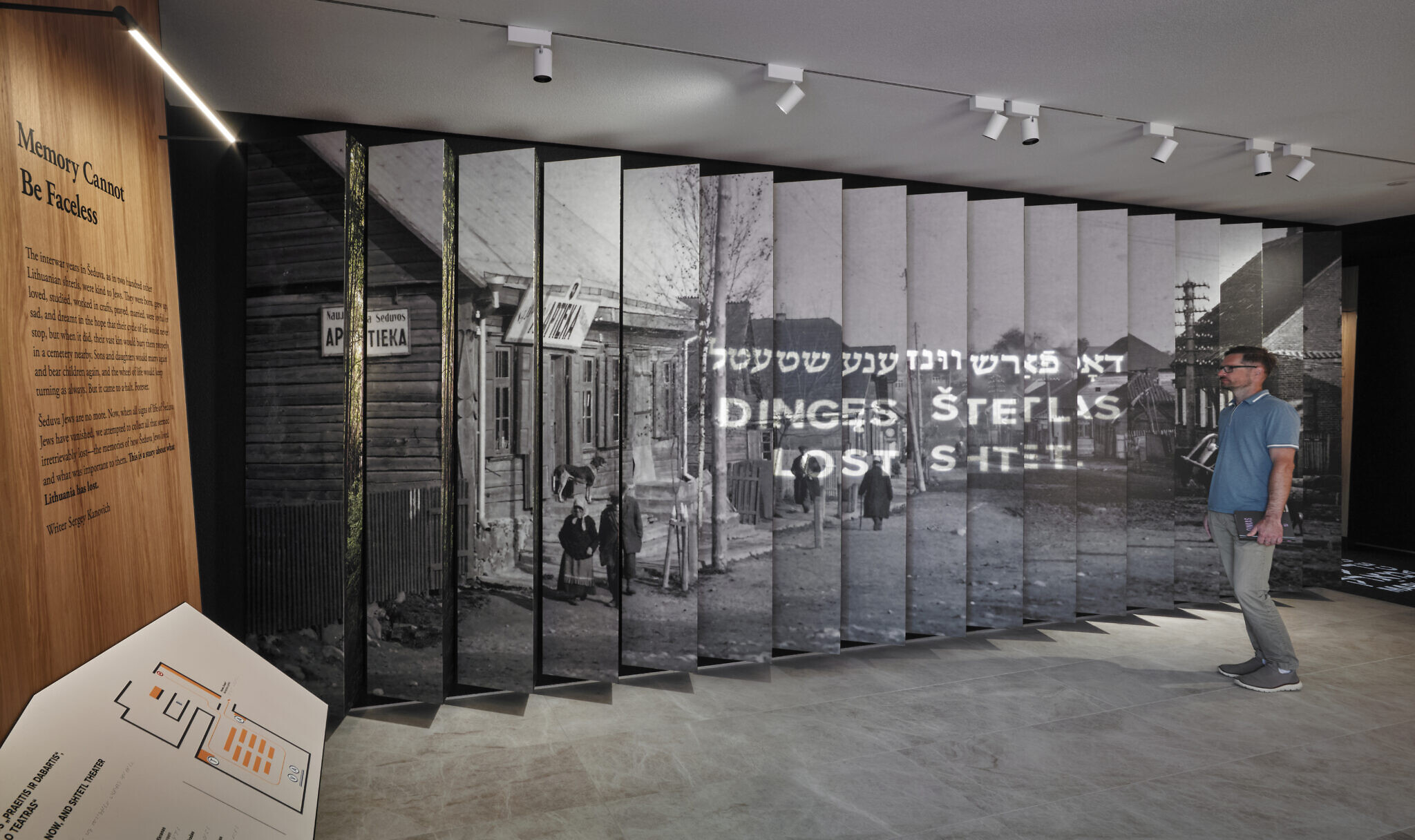
An ambitious project a decade in the making, the Šeduva Jewish History “Lost Shtetl” Museum in Lithuania officially opened its doors in September 2025 to great excitement, with every single guided tour now booked until April.
Against a global backdrop of huge waves of antisemitism, the region’s biggest museum dedicated to shtetl culture in the Baltics was developed and realised by an international team of historians, architects, and Jewish cultural experts.
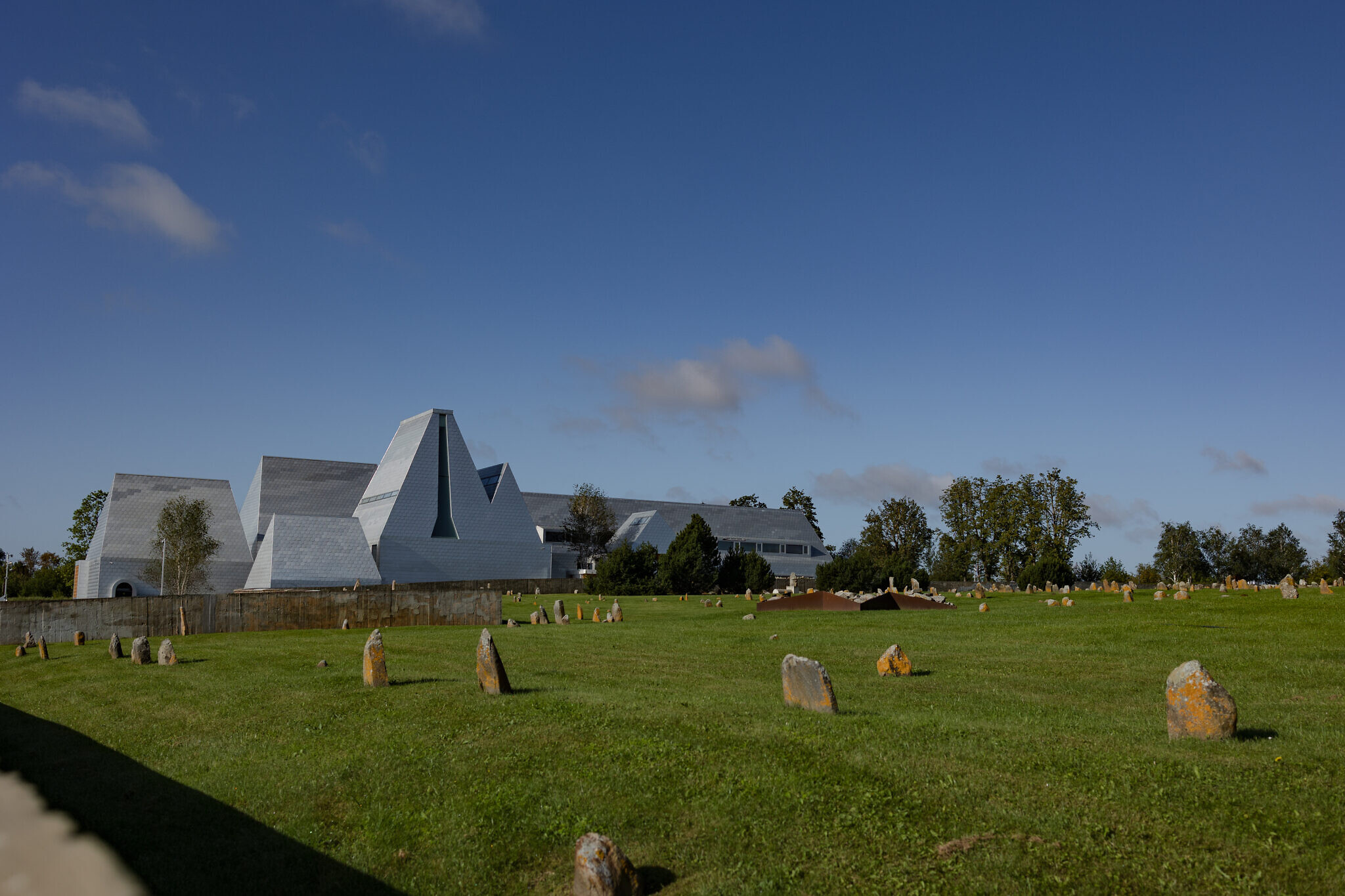
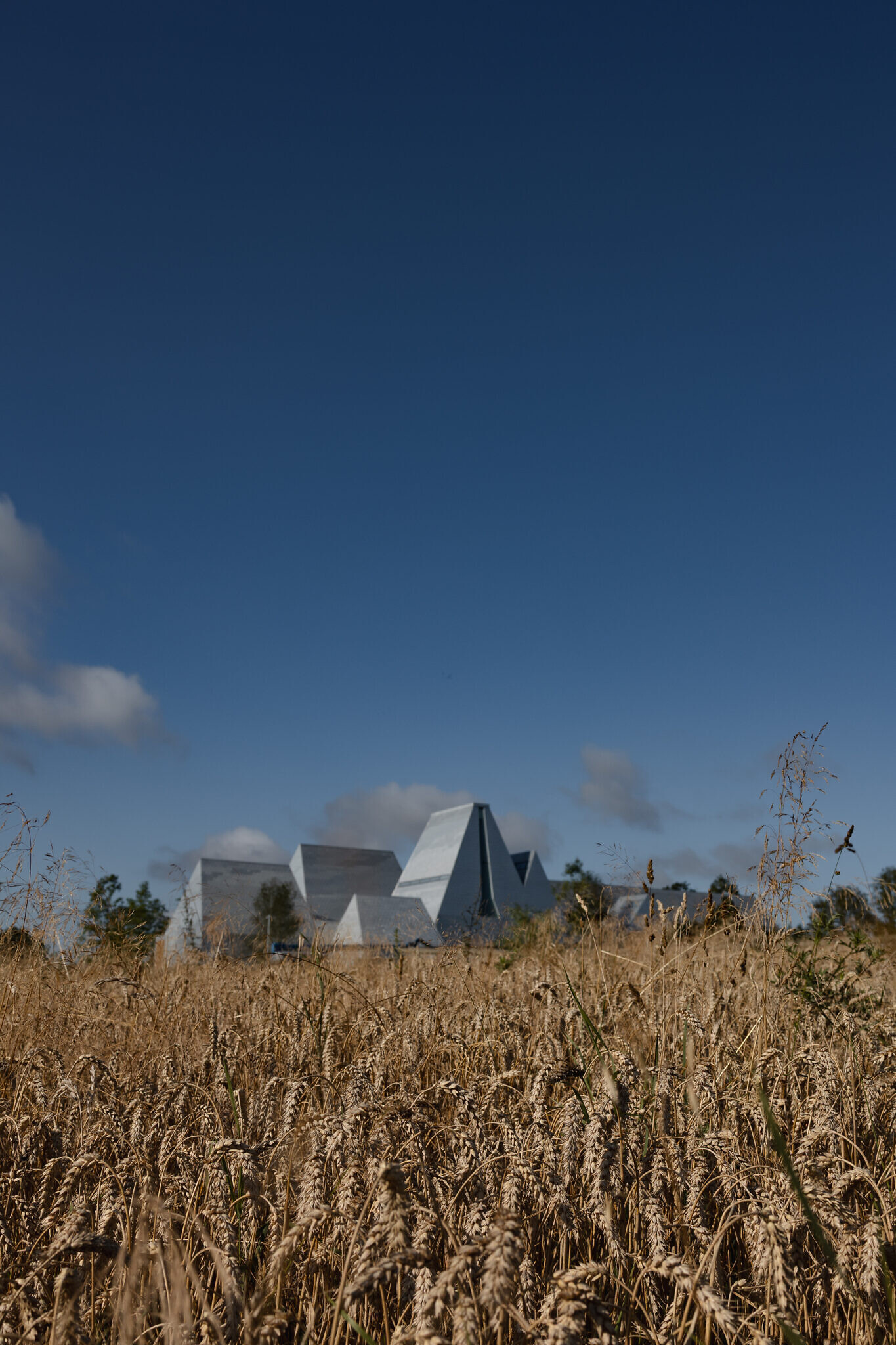
Based in Šeduva, whose Jewish history dates back at least to the 15th century, the museum structure resembles a small town, its rooftops visible from afar across the flat Lithuanian landscape, and encompasses a series of distinct halls beneath the gabled roofs of “individual houses,” each designed to house a specific part of the exhibition.
Original historical artifacts form the foundation of the museum – many donated or loaned by descendants of Šeduva’s Jews and other institutions.
Offering free admission during its first year, the “Lost Shtetl” Museum has emerged as a new space for reconciliation and dialogue for a new generation; the extraordinary number of local visitors flowing to the venue shows a Lithuania ready to face its past; most recently, in September 2025, hundreds of students, ambassadors, and local officials joined the annual March of the Living in Lithuania, commemorating the destruction of the country’s Jewish community in the Holocaust.
Jonas Dovydaitis, director of The Lost Shtetl museum, told Jewish News the site’s opening to the public and first visitors “mark the culmination of a long and collaborative journey, involving hundreds of individuals – experts, creatives, and historians from Lithuania, the United States, the Netherlands, Poland, Finland, and Switzerland”.
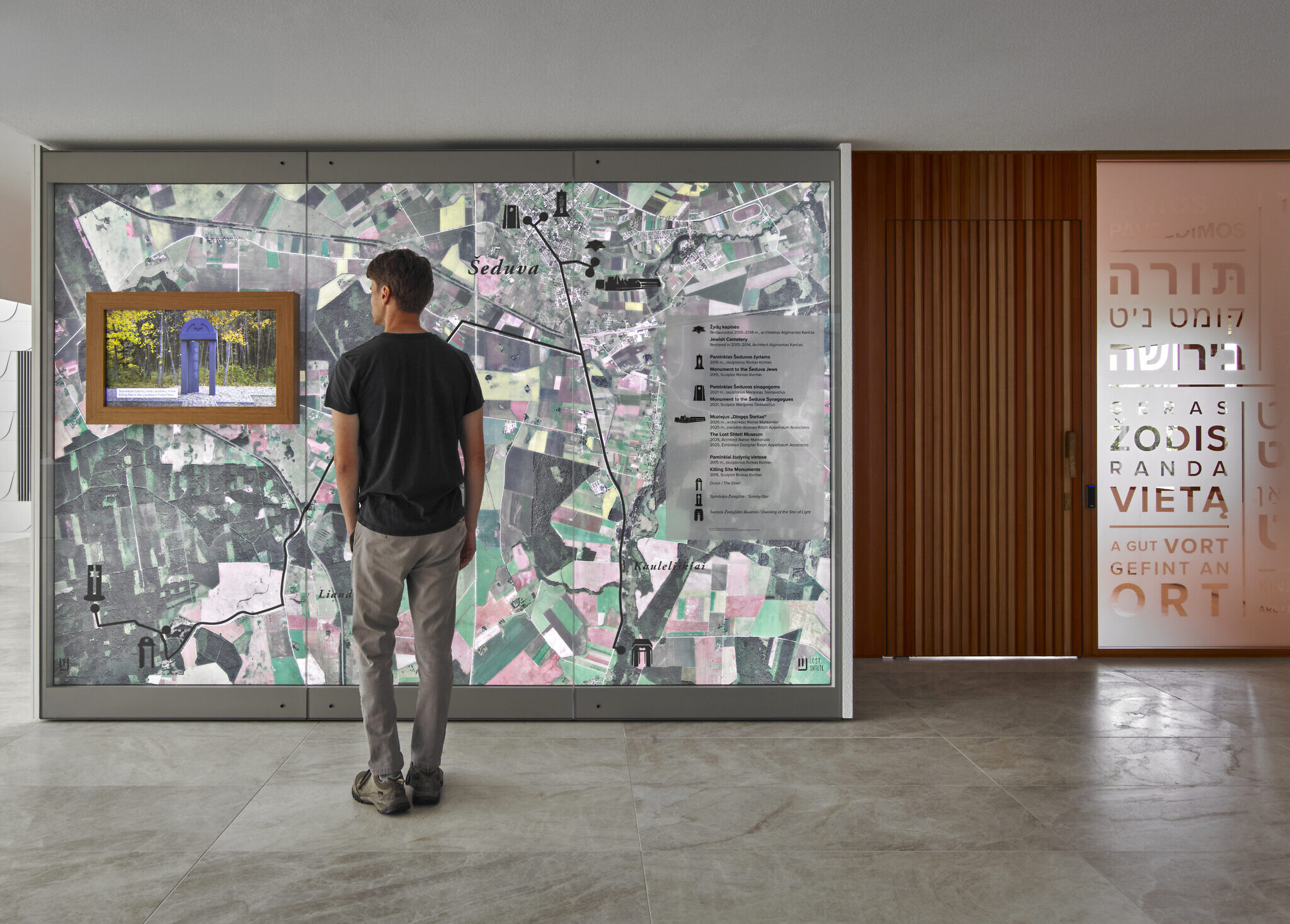
He notes that each contribution “has helped reconstruct the lost shtetl of Šeduva, restoring the faces and names of a community that once lived here and was tragically destroyed. This is the core mission of the museum – and I hope every visitor leaves carrying at least one name, one story of someone who once lived here. May these names never be forgotten again.”
Two hundred shtetls dotted the Lithuanian landscape just over 80 years ago. Derived from Yiddish, the word shtetl means “small town” – and is how Jews referred to their local communities. These were not separate enclaves but the same towns and villages also inhabited by Lithuanians.
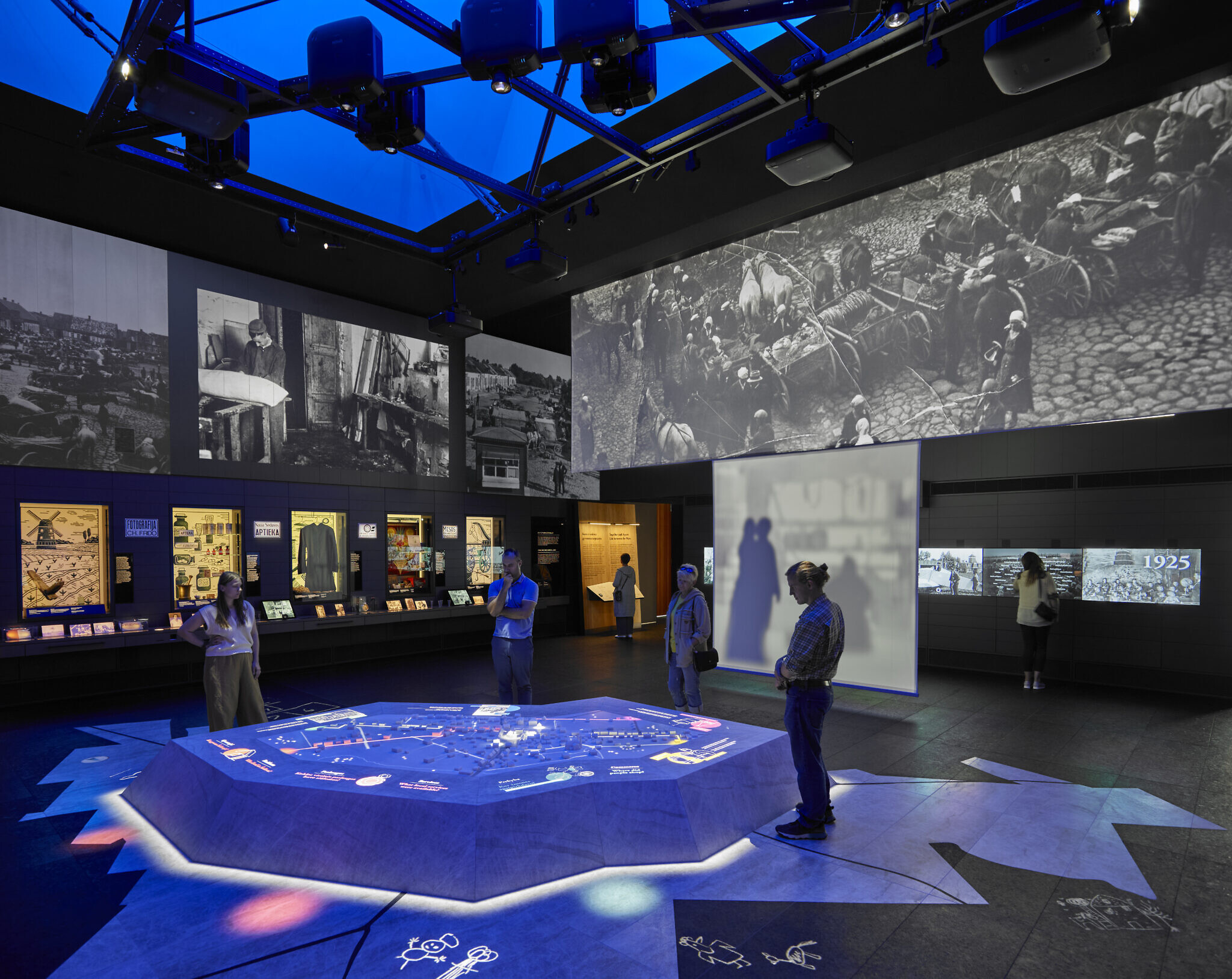
Sandra Petrukonytė, the museum’s chief curator explains: “For centuries, Lithuanians and Jews lived side by side in these towns – but the Holocaust obliterated Lithuania’s Jewish population. With their destruction, the shtetl disappeared as well.”
According to her, the museum’s very name – The Lost Shtetl – encapsulates its essence: it tells the story of what no longer exists. “You cannot recount the history of the Šeduva shtetl without speaking of how the Jewish community that lived here was annihilated.”
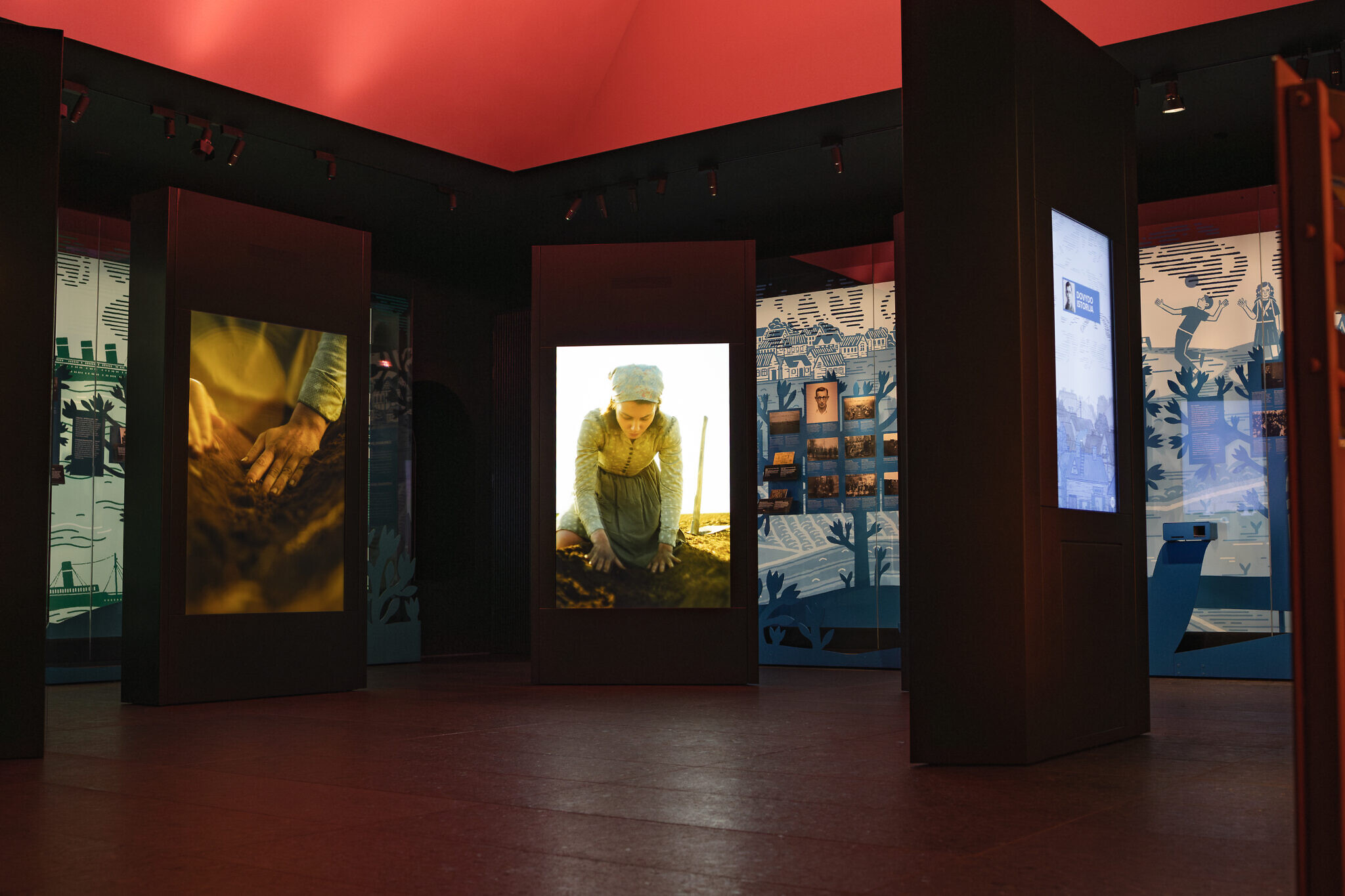
The museum’s exhibition spans ten galleries, beginning with an introductory film tracing the arrival of Jews to the territory of present-day Lithuania and their life here until World War I.
Next to the museum is the newly unveiled Memory Park – a living memorial honouring the memory of Šeduva’s once-vibrant Jewish community.
The main part of the exhibition focuses on the interwar period, World War II, and its aftermath.
The life of Šeduva, like that of all of Lithuania, was irreversibly altered by Soviet occupation and the Nazi invasion that followed.
In the summer of 1941, Šeduva’s Jewish community was forced into a temporary labour camp. On August 25–26, Nazi forces and local collaborators murdered 664 men, women, and children in the Liaudiškiai Forest, just a few kilometers from Šeduva – nearly the entire Jewish population of the town.
“The Holocaust is the darkest part of the narrative – one we cannot skip over or sugarcoat. We’ve worked with historians to present the facts, leaving space for visitors to draw their own conclusions. The exhibition includes historical photos, documents, eyewitness testimonies, and silent witnesses – four WWII-era shell casings found during the 2015 restoration of the Liaudiškiai mass grave site,” says Petrukonytė.
Visitors are invited to explore the Šeduva shtetl of that era, its religious and social life, migration stories, professions and aspirations, through immersive displays, with the largest gallery recreating the town’s market square – not just a commercial hub, but a space for civic and cultural life.
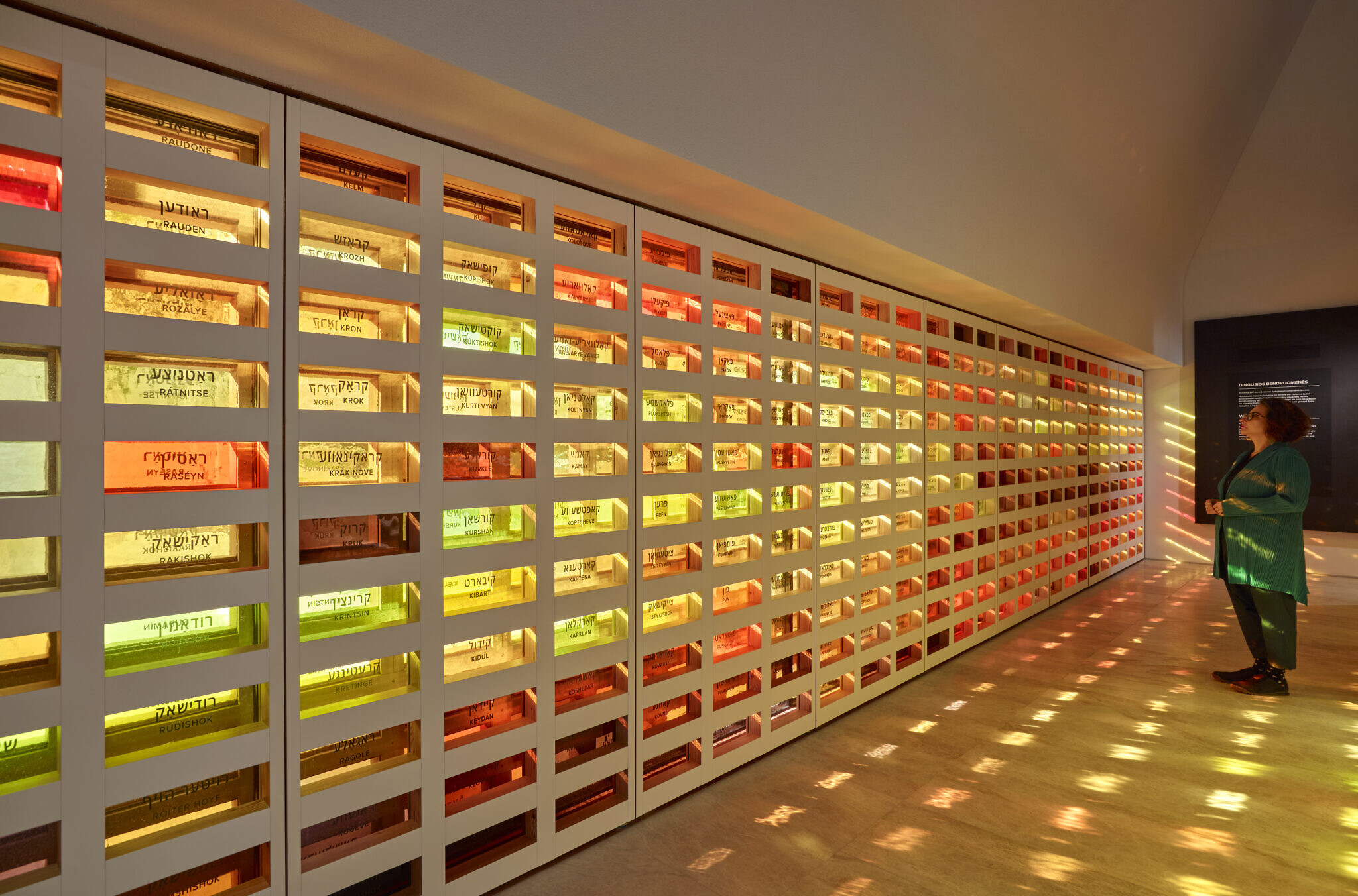
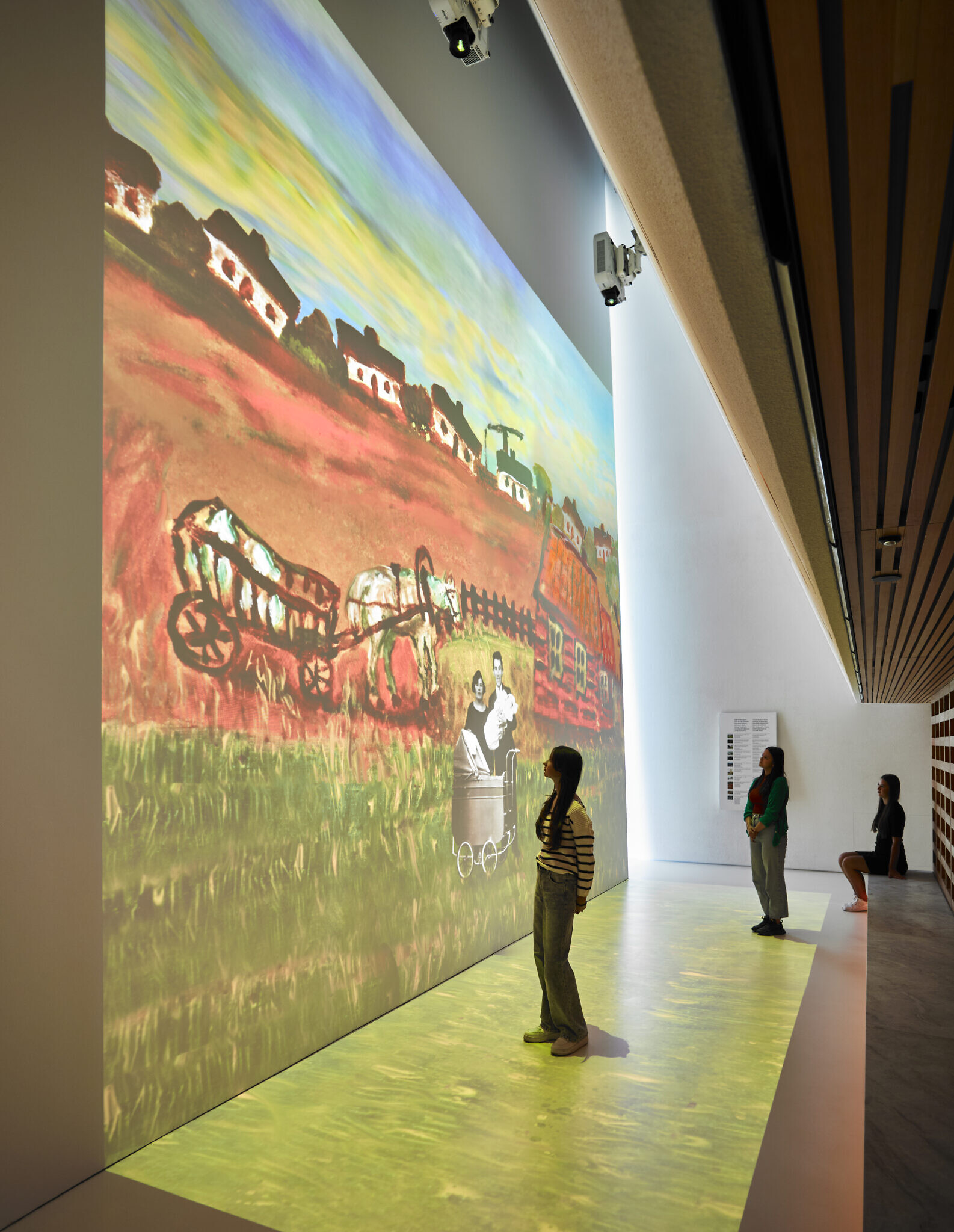
The museum commissioned a series of documentary re-enactment films that chronicle the life of a Jewish family from Šeduva. The opening film is narrated in Lithuanian by actress Jovita Jankelaitytė and in English by renowned Jewish-American actor Liev Schreiber, whose family hails from Ukraine. The films were directed by Roberta Grossman, a member of the Academy of Motion Picture Arts and Sciences.
Also available are audio guides inspired by local residents who once lived in Seduva – pharmacist Nochum Berman and Shula Nol, the wife of a fabric merchant. Using historical records and family stories, the museum retraced their steps through Šeduva to view history through their eyes.
The exhibition design was created by Ralph Appelbaum Associates, a U.S.-based firm known for designing the U.S. Holocaust Memorial Museum in Washington, D.C.
Petrukonytė explains that the museum wants visitors “to understand from the outset that Jews lived alongside Lithuanians for centuries – arriving in the Grand Duchy of Lithuania in the 14th century, settling near estates and in towns at the invitation of nobles, engaging in trade, crafts, and tax administration.
“Over time, a unique shtetl civilisation emerged – stretching from the Baltic to the Black Sea – made up of thousands of small towns where Jewish communities spoke Yiddish, practiced Judaism, and lived according to the Talmud. Yet they were never isolated – always living alongside Lithuanians, Poles, Latvians, Ukrainians, and Belarusians.”

Keep community journalism free.
Jewish News is free for everyone. No paywall. No barriers. Just trusted journalism for anyone who wants to stay connected to Jewish life in Britain.
If you value that, please support us.
From as little as £5 a month, you can help keep our journalism free and accessible to all.
Every day, we report on the issues that matter to our community. We celebrate achievements, support charities, challenge antisemitism and ensure Jewish voices are heard more widely.
From as little as £5 a month, you can help us continue to:
- Report on the stories shaping Jewish life in the UK and beyond
- Bring our community together through shared stories, events and campaigns
- Celebrate the people, culture and moments that define our community
- Support organisations doing vital work across Jewish Britain
You can make a one-off donation or become a regular supporter. Every contribution helps keep our journalism free, independent and accessible to all.
If everyone who values Jewish News gave a small amount, it would make a real difference to our future.