Art prices are down and opportunity is up
The market may be in a lull, but expert Philip Hoffman tells Candice Krieger how influential Jewish collectors are stepping in and why it's an opportune moment to start collecting
The art market may appear subdued but it’s setting the stage for a bold revival. With prices down and competition thinner, the next 12 months could be a once-in-a-decade opportunity for serious collectors.

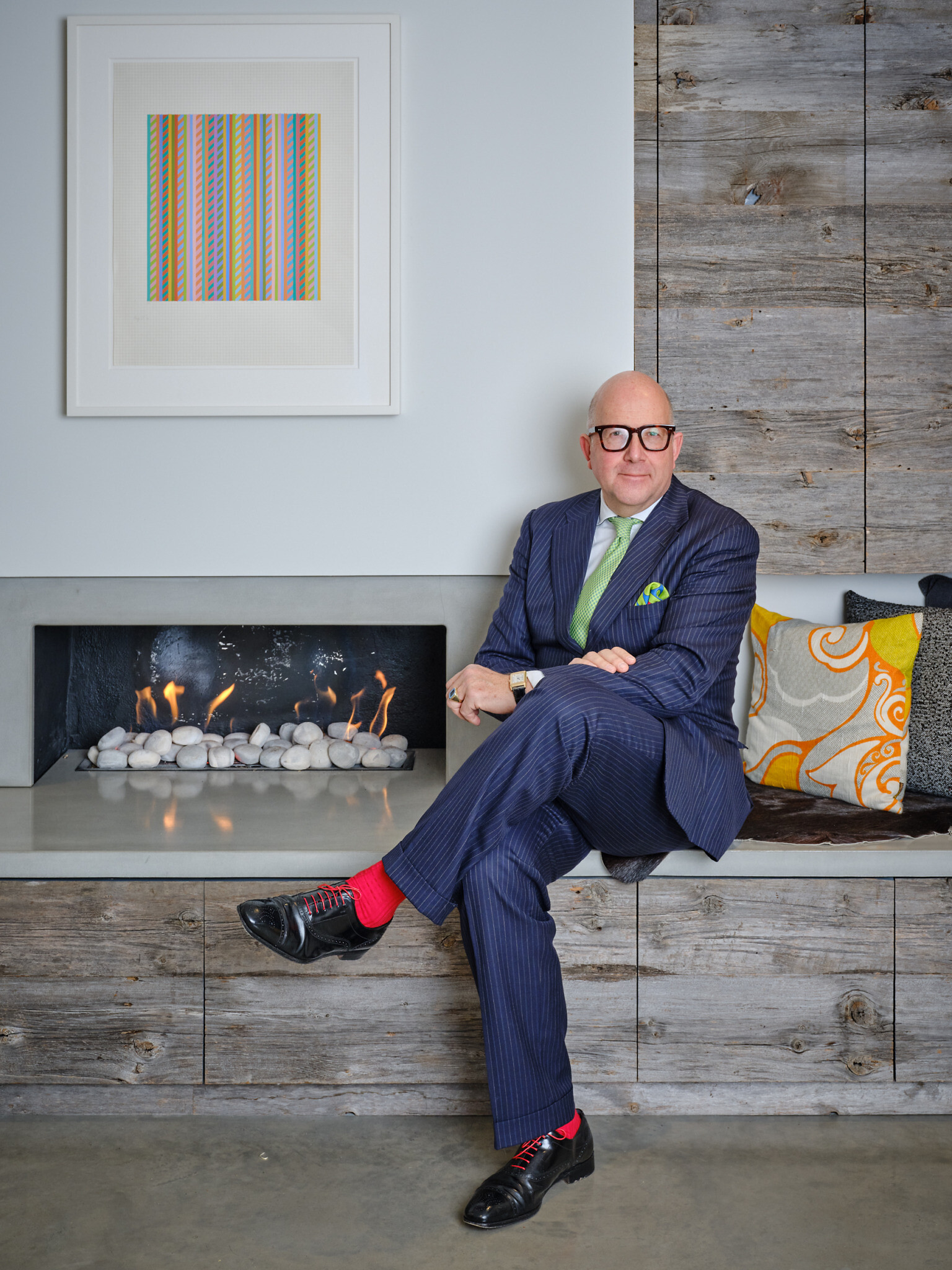
Philip Hoffman, founder of The Fine Art Group – which advises on $10–20 billion (£7-14bn) in art annually and has managed $2–3bn in transactions – calls it bluntly: “We’re as close to the bottom of the market as we’ll get. This is the moment.” After intense growth, the global art market is experiencing a slowdown – shaped by a complex geopolitical landscape, persistently high interest rates and a post-pandemic correction in asset prices. Key buyers from Russia, China and parts of Asia have stepped back. “Cheap capital and surging demand pushed prices too high,” explains Hoffman.
“Money was too easy to borrow at 0 percent, and it was ploughed into art. Now we’re seeing a 20-25 percent drop in top-tier prices. That’s healthy – it clears the field for strategic buyers.”
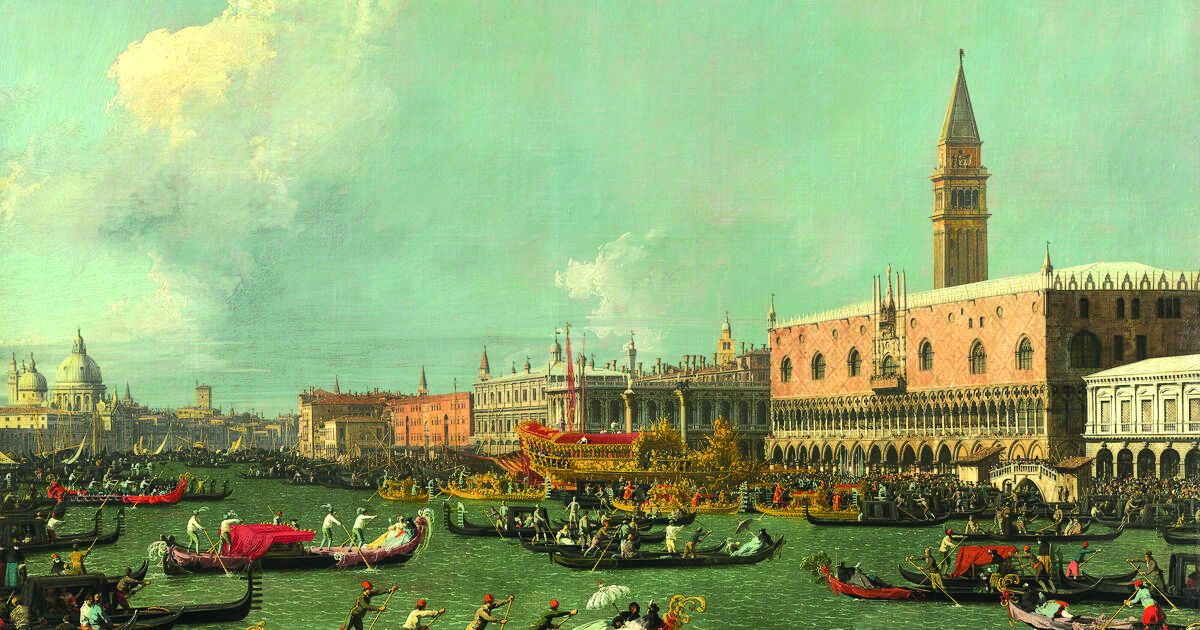
While average works have dropped by 20–50 percent, museum-quality pieces continue to achieve strong results. A recent Canaletto, Hoffman points out, fetched $31.9m – proof that quality continues to command premium prices, even in a cautious market. “If I were stock-picking right now,” he says, “I’d be heavily investing in the blue-chip areas of the art market.”
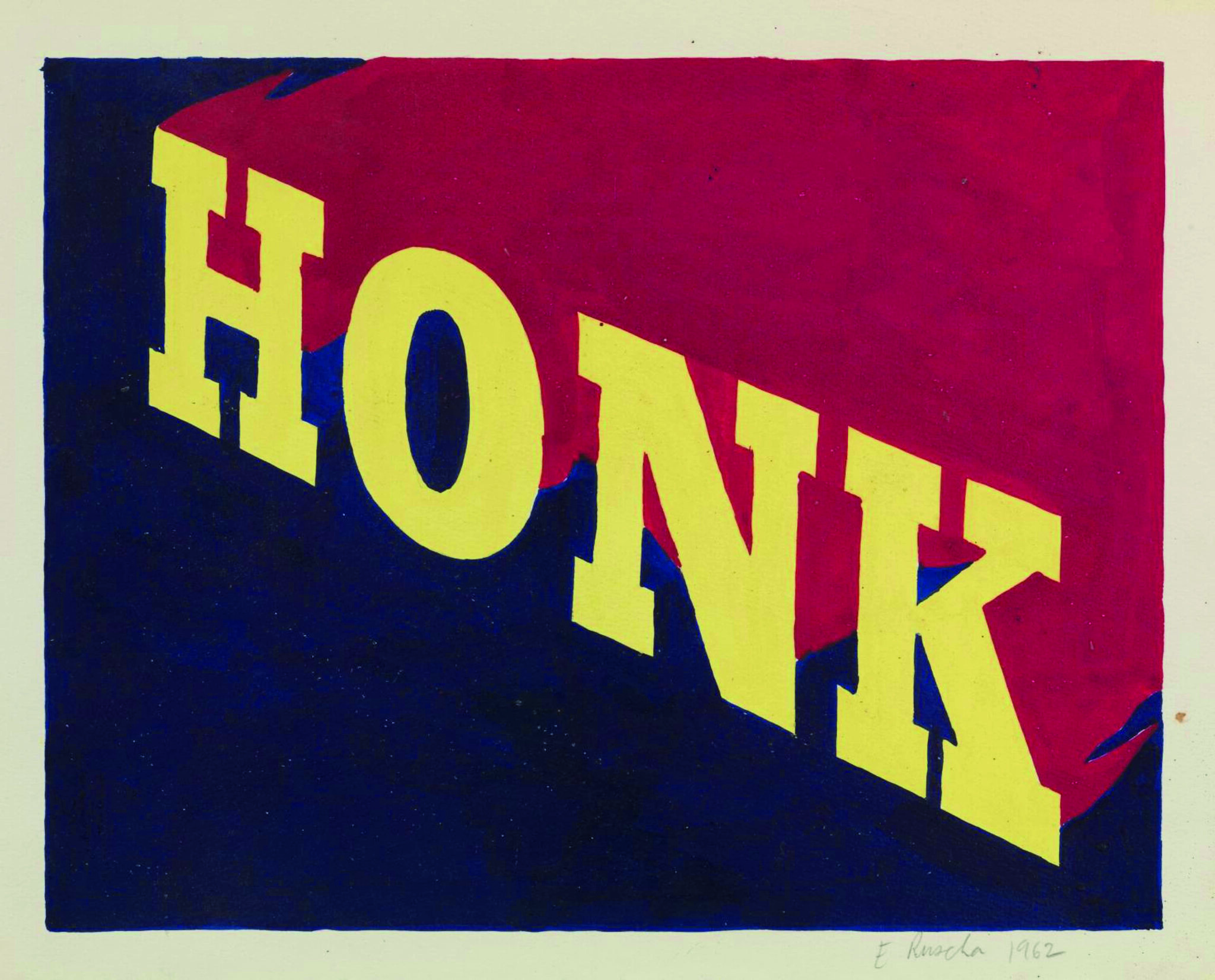
He cites Warhol, Picasso, Peter Doig, Ed Ruscha – and David Hockney. “Hockney is undervalued relative to his stature,” says Hoffman. “He’s one of Britain’s greatest living artists, and yet prices for key works are still well off their peak.” This might be hard to compute, considering Hockney’s Portrait of an Artist (Pool with Two Figures) sold for $90m in 2018.
To help navigate this shifting terrain, Hoffman has joined forces with a select group of art-world veterans to launch New Art Perspectives – a discreet advisory platform designed for ultra-high-net-worth individuals. The team includes Patti Wong (former chairman of Sotheby’s Asia), Ed Dolman (ex-CEO of Christie’s and Phillips), his son Alex Dolman of Dolman Partners and Brett Gorvy (formerly co-head of contemporary art at Christie’s, now principal of L évy Gorvy & Dayan).
The initiative focuses on sourcing rare, investment-grade works while avoiding the public exposure and high fees of traditional auctions. “2025 to 2026 will be the sweet spot – before interest rates fall and the market swings back up,” says Hoffman. Works priced between $150,000 and $1m are seeing good volume and auction activity. But the mid-tier segment ($10 –50m) is relatively illiquid. At the very top end, works over $50m attract consistent buying from billionaires and cultural institutions.
“There’s no denying Sotheby’s and Christie’s are probably down 40 percent in volume since their height three or four years ago,” he says. “But demand hasn’t disappeared –it’s become more selective.”
The buyer landscape is evolving too. Russian and Chinese collectors, once responsible for up to 15 percent of top-end purchases, are now largely absent. In their place are newly -wealthy families from the US, Middle East and Asia, particularly those emerging from tech, private equity and hedge funds.
“They’re often bypassing Old Masters and Impressionists in favour of contemporary works . “They’ve built wealth through innovation and they want their collections to reflect that , ” says Hoffman.
Hoffman himself didn’t plan to enter the art world. After graduating from York University with an economics degree, he trained as a chartered accountant with KPMG. He joined Christie’s as finance director and, aged just 29, became a board member – staying at the auction house for 13 years before launching The Fine Art Fund in 2001. Now rebranded as The Fine Art Group, the firm offers art investment, advisory, finance, sales agency and philanthropic services worldwide.
Its 80-person team represents more than 350 family offices in 28 countries, including celebrities and some of the world’s wealthiest families. Clients typically receive returns of between five and 15 percent per annum . In recent years, the Group has expanded into luxury watches, fine jewellery, cars, wine and rare collectibles. One third of the team are former Sotheby’s and Christie’s staff, and the group has launched partnerships such as Patti Wong & Associates in Asia and a collaboration with New York-based advisor Allan Schwartzman.
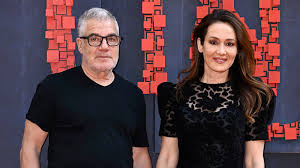
Among today’s most engaged collectors, Hoffman highlights Jewish and Israeli business families. “Some of the biggest and best-known Jewish families continue to buy – and are among the largest art owners in the world,” he says. “Despite the conflict, Israeli collectors remain highly active.” The Israeli-based Ofer family, for instance, are internationally recognised collectors and philanthropists. Eyal Ofer is a major supporter of institutions such as MoMA, Tate Modern and the Tel Aviv Museum of Art, while Batia and Idan Ofer focus on post-war and contemporary art and youth access to culture. “
I’ve seen this before – early ’90s crash, the Lehman collapse, the pandemic. This moment is no different , ” says Hoffman. “The correction is part of the cycle – and for those who understand timing, it’s a moment of real opportunity.”

Keep community journalism free.
Jewish News is free for everyone. No paywall. No barriers. Just trusted journalism for anyone who wants to stay connected to Jewish life in Britain.
If you value that, please support us.
From as little as £5 a month, you can help keep our journalism free and accessible to all.
Every day, we report on the issues that matter to our community. We celebrate achievements, support charities, challenge antisemitism and ensure Jewish voices are heard more widely.
From as little as £5 a month, you can help us continue to:
- Report on the stories shaping Jewish life in the UK and beyond
- Bring our community together through shared stories, events and campaigns
- Celebrate the people, culture and moments that define our community
- Support organisations doing vital work across Jewish Britain
You can make a one-off donation or become a regular supporter. Every contribution helps keep our journalism free, independent and accessible to all.
If everyone who values Jewish News gave a small amount, it would make a real difference to our future.