Prefer Jewish News on Google
Lords back Walney proposal for new protest group category after Palestine Action ban row
Move by crossbench peer would designate 'extreme criminal protest groups' (ECPGs) under the Crime and Policing Bill.
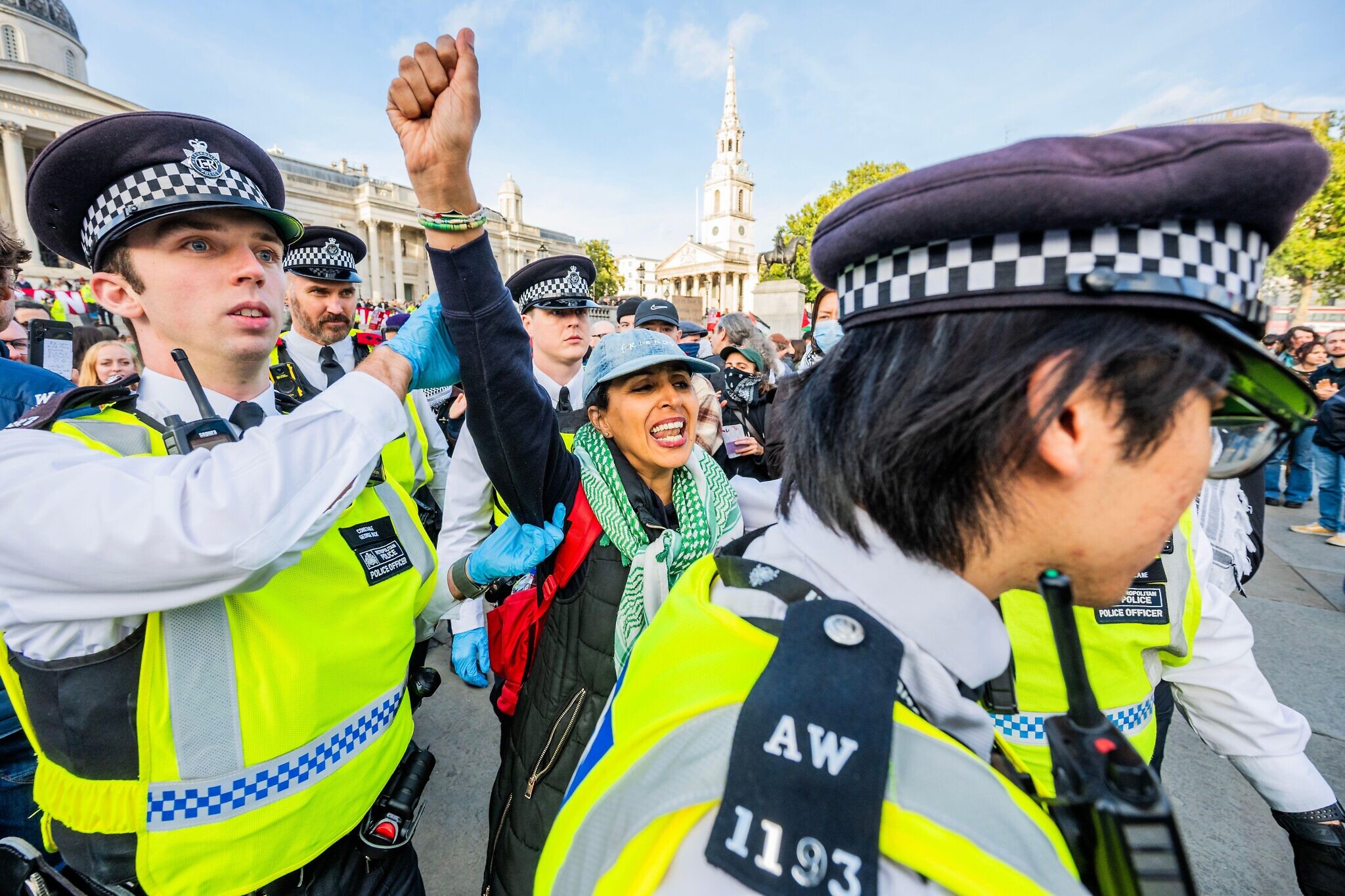
The House of Lords has backed a proposal to create a new legal category for violent protest groups, allowing them to be banned without labelling their supporters as terrorists.
The amendment, introduced by independent crossbencher and former Labour MP Lord Walney, would designate certain organisations as “extreme criminal protest groups” (ECPGs) under the Crime and Policing Bill.
The measure is intended for groups whose supporters engage in violent disorder, property damage, or disruption of national infrastructure.

As he introduced the measure, Lord Walney called the government’s decision to ban Palestine Action under the Terrorism Act 2000 “divisive and controversial.”

He added: “The sight of people being arrested and charged for holding up signs is uncomfortable.”
Walney described his proposal as “an appropriately limited measure that can make a significant difference while completely preserving the right to protest and freedom of expression and association.”
He acknowledged, “There are a range of views in this House and of course in the country over the proscription of Palestine Action.
“Whether it was right or wrong, it is undeniable that the measure and its impact has been divisive and it has been controversial.
“The sight of people being arrested and charged for holding up signs is uncomfortable whether or not you blame the law or the police or the protesters themselves.”
He later told the Lords: “I would hazard there is not great public support or understanding for branding as ‘terrorist’ those whose methods are largely limited to the intimidation that comes from criminal damage.”
Under the proposal, members or financial backers of ECPGs could face up to three years in prison and a fine, but people expressing support for such groups would not face criminal penalties.
Former Metropolitan Police Chief Lord Hogan-Howe described the amendment as “narrowly defined,” focused on intent to cause serious harm or influence public policy.
He urged ministers to consider the measure or something similar to address gaps in current law.
Home Office minister Lord Hanson opposed the proposal, arguing that existing legislation is sufficient to deal with criminal protest groups and warning that a parallel regime to terrorism laws is unnecessary and could threaten free speech and association.
Despite government objections, the Lords passed the amendment by 200 votes to 162.

Keep community journalism free.
Jewish News is free for everyone. No paywall. No barriers. Just trusted journalism for anyone who wants to stay connected to Jewish life in Britain.
If you value that, please support us.
From as little as £5 a month, you can help keep our journalism free and accessible to all.
Every day, we report on the issues that matter to our community. We celebrate achievements, support charities, challenge antisemitism and ensure Jewish voices are heard more widely.
From as little as £5 a month, you can help us continue to:
- Report on the stories shaping Jewish life in the UK and beyond
- Bring our community together through shared stories, events and campaigns
- Celebrate the people, culture and moments that define our community
- Support organisations doing vital work across Jewish Britain
You can make a one-off donation or become a regular supporter. Every contribution helps keep our journalism free, independent and accessible to all.
If everyone who values Jewish News gave a small amount, it would make a real difference to our future.