Prefer Jewish News on Google
Louis Danker: Why I remain hopeful about the future of Jewish life in Britain
Optimistic outgoing UJS president reflects on a year of campus antisemitism, leadership, a defining Downing Street speech and the students giving him confidence in the future

When Louis Danker was elected president of the Union of Jewish Students with the highest voter turnout in the organisation’s history, he wanted to help write a new chapter for Jewish students.
His campaign was built around three words: “Proud. Diverse. United.”
Proud was about helping Jewish students reclaim ownership of their own story. Diverse was about ensuring UJS remained welcoming to students from every Jewish background and denomination. United was about standing together in the face of growing challenges.
Over the following year, he would address the Prime Minister at Downing Street, challenge universities over their handling of antisemitism, oversee UJS’s landmark Time for Change report, meet vice-chancellors and policymakers across the country and emerge as one of the leading young Jewish voices in Britain.

It was also a year in which British Jews faced some of their most serious security concerns in recent memory. The attack on Heaton Park Synagogue, the stabbing of two Jewish men in Golders Green and a string of attempted arsons targeting synagogues and Jewish communal buildings heightened anxieties across the community and reinforced concerns many students were already raising on campus.



Yet when asked what he will remember most from his presidency, Danker does not mention Downing Street, ministers or reports.
He talks about students.
The student who turned up to a Friday night dinner for the first time.
The committee member who spent hours organising events around exams.
The Jewish Society that refused to shrink itself despite the pressure around it.
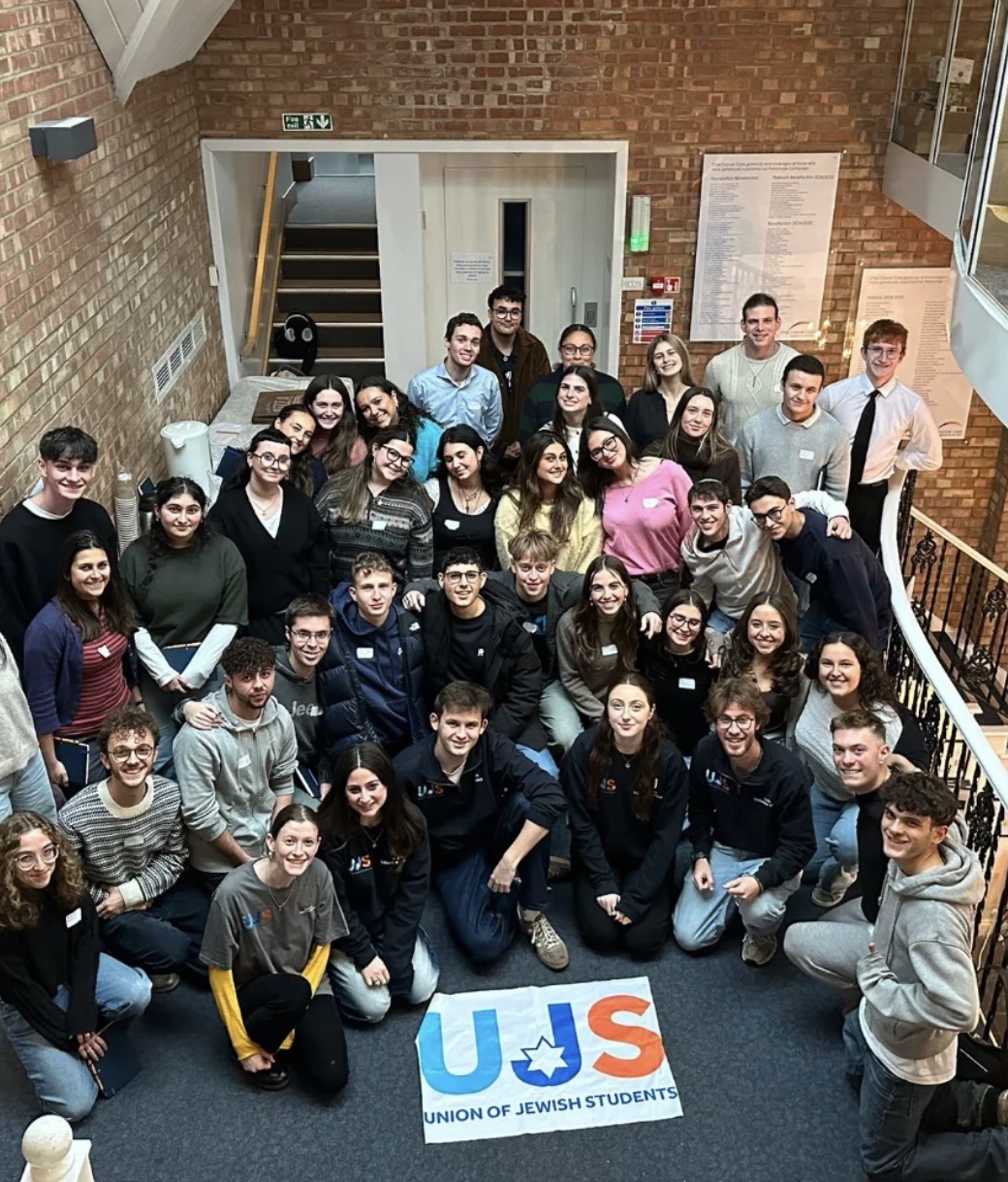
“We need to be the ones writing our own story,” he tells Jewish News.
Throughout the year, UJS spent countless hours responding to incidents, supporting students, meeting university leaders and pushing institutions to take antisemitism more seriously.
“I don’t think that these attacks have defined the year. And I don’t think that these attacks define the Jewish student experience,” he says.
Instead, he speaks about what he calls “Jewish pride and resilience”.
“Jewish life doesn’t exist in opposition to those who hate us,” he says.
For Danker, one of the dangers facing the community is allowing antisemitism to become the only lens through which Jewish life is viewed.
“We as a community talk a lot about the need to protect,” he says. “But we also need to think about what we’re protecting.”
The answer, he argues, is vibrant Jewish life.
That belief shaped some of UJS’s biggest initiatives this year.
Jewish Experience Week brought dozens of events to campuses across Britain, inviting students to engage with Jewish culture, traditions and community life. There were food tastings, cultural events, educational programmes and celebrations designed to show a side of Jewish life often absent from public debate.
“Regaining the definition of Jewish life on our terms has been a big theme of the year,” he says.
We as a community talk a lot about the need to protect,” he says. “But we also need to think about what we’re protecting.
The same thinking informed comments he made at Limmud last December, where he pushed back against descriptions of university campuses as hostile territory for Jews.
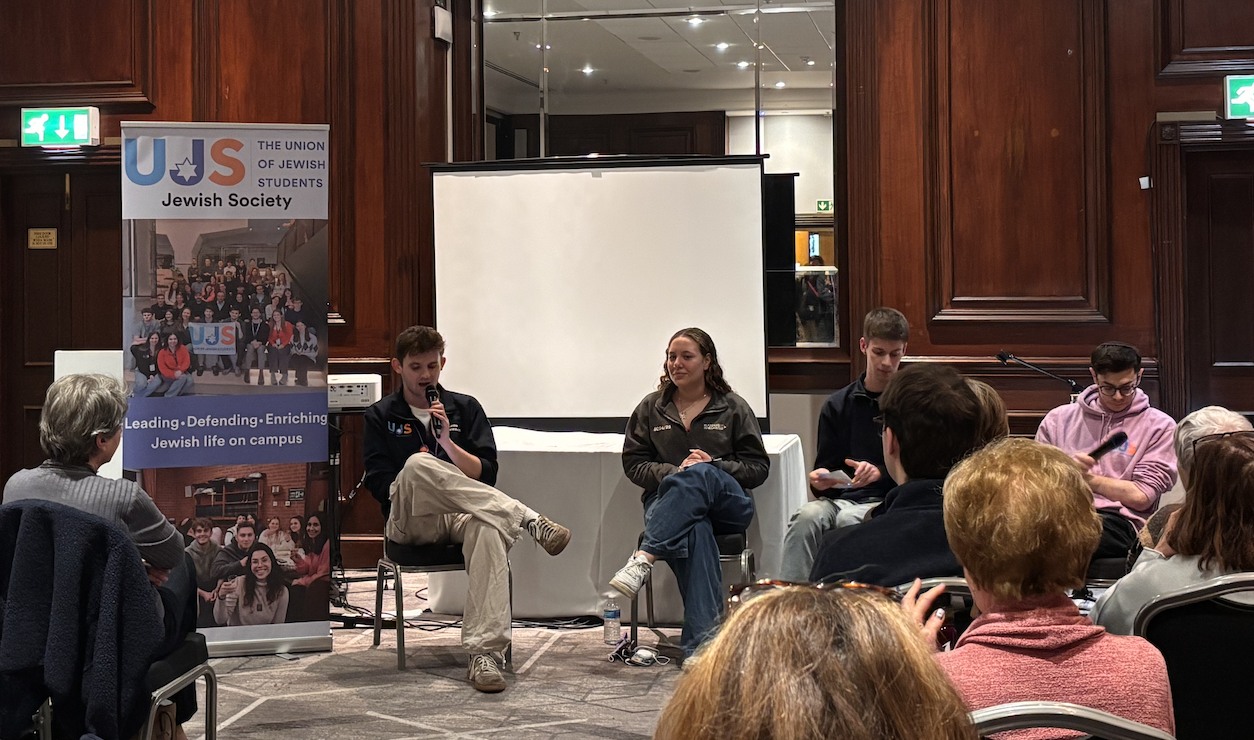
At the time, some criticised his suggestion that campus was not a “war zone” for Jewish students.
Months later, he remains unapologetic.
“I think Jewish life on campus is okay,” he says before pausing.
“Sorry, it’s not okay. It’s great”.
That does not mean ignoring the reality of antisemitism. Far from it.
The Time for Change report published by UJS this year laid bare the scale of the challenge facing many students. Among its findings was that one in five students would be reluctant to share accommodation with a Jewish student, prompting national discussion and renewed scrutiny of how universities respond to antisemitism.
Yet Danker is equally wary of narratives that suggest Jewish students should avoid university life altogether.
Parents regularly ask him which campuses their children should stay away from.
His answer rarely changes.
“What do they want to study and where do they want to live?”
He worries that constantly framing universities as safe or unsafe risks creates a self-fulfilling prophecy.
“If we decide there are places that are no-go areas for Jewish students, they will become that.”
One university he points to as an example of good practice is Durham.
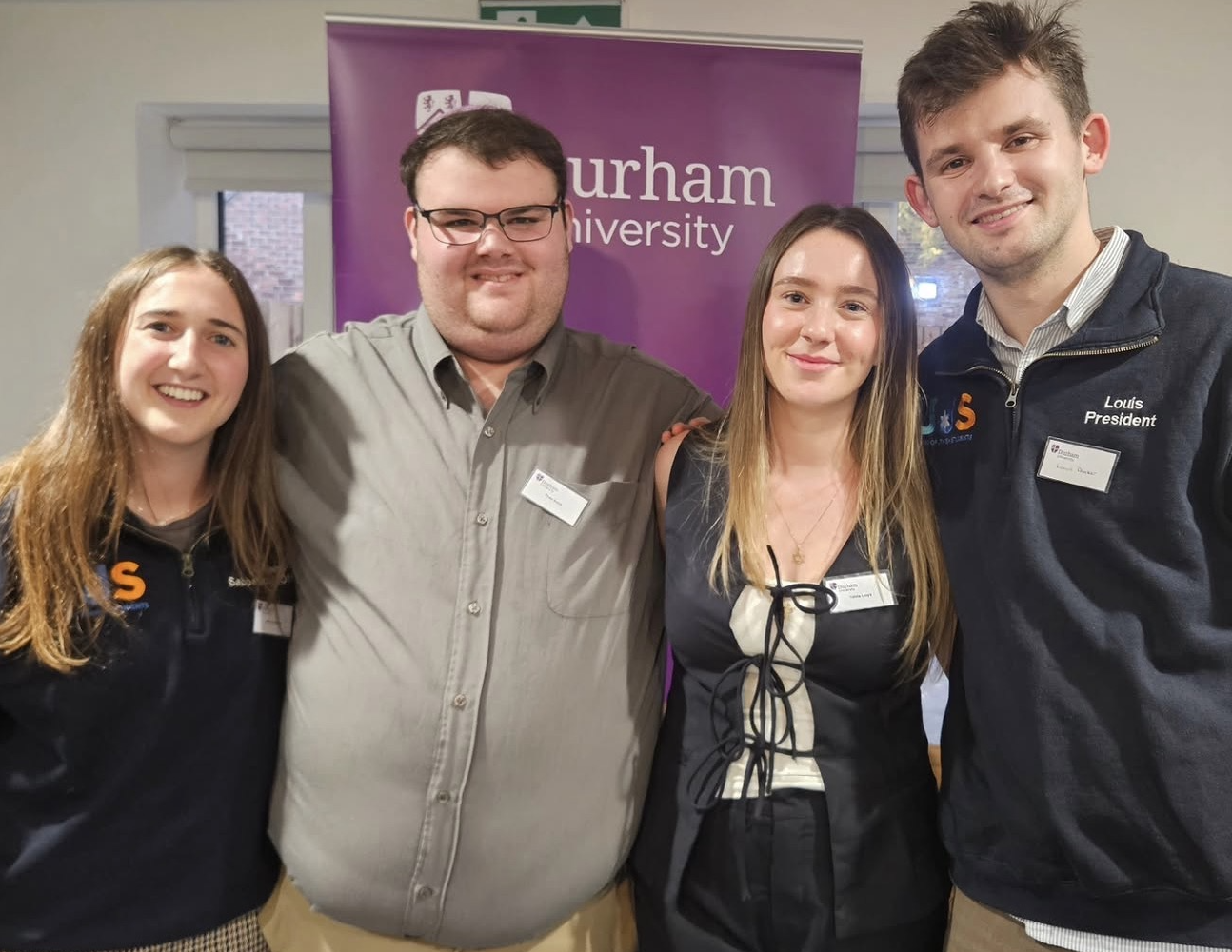
While no campus is without challenges, he says Durham’s leadership has made a concerted effort to work closely with Jewish students, meeting regularly with UJS and maintaining open lines of communication when concerns arise.
“They meet regularly with us. They keep us posted,” he says.
“They’re also tapped into the local community in a really positive way. They work with the local authority and police to be on top of issues relating to community cohesion.”
For Danker, that willingness to engage consistently – rather than only when problems emerge – has helped build trust.
Long before Louis Danker became UJS president, his father Tony held the same role during the years surrounding the Oslo peace process.
If we decide there are places that are no-go areas for Jewish students, they will become that.
Asked what advice stayed with him most, Danker does not hesitate.
“The importance of building relationships. All the work we do is built on strong relationships,” he says.
One of the defining public moments of his presidency came at the Downing Street Antisemitism Summit following the Golders Green stabbings.
Standing before Prime Minister Sir Keir Starmer and senior figures from government and civil society, Danker delivered a speech that resonated throughout the Jewish community.
“I think what resonated was the sense that the Jewish community, a minority group under attack in Britain, were not feeling the same level of support,” he says.
“We need a mass movement of support.”
Yet despite the challenges of the past year, one thing has troubled him more than antisemitism itself.
It is the growing suggestion that Jews no longer have a future in Britain.
He rejects that argument outright.
“There are thousands of young Jews who want to build a future here,” he says.
A quote he heard during the year has stayed with him ever since.
“Telling stories of our own decline only hastens it”.
The evidence, he argues, is visible on campuses across the country.
Under his leadership, UJS supported more than 900 Jewish Society events, carried out more than 300 campus visits, launched a Student Refugee Ambassador Programme and expanded its leadership programmes and sixth-form outreach.
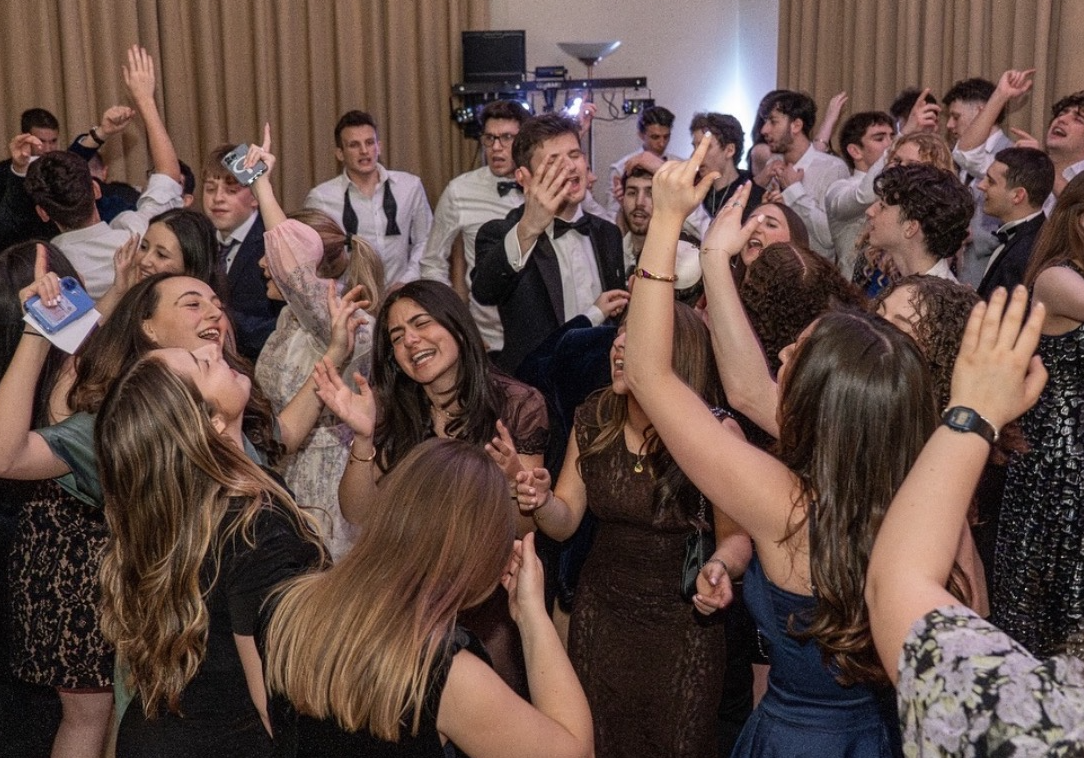
There were cultural festivals, educational programmes, Friday night dinners and social events across Britain and Ireland. Booze 4 Jews, UJS’s flagship student social, sold 1,200 tickets in just 21 minutes.
For Danker, those moments mattered just as much as meetings with ministers or university leaders. They represented the kind of Jewish life he believes is too often overlooked amid headlines about antisemitism and campus tensions.
Telling stories of our own decline only hastens it.
He points to UJS’s leadership programmes and interfaith initiatives as examples of the kind of work he would like to see grow.
“The core principle is productive discomfort,” he says.
“My generation isn’t very good at disagreeing.”
Universities, he argues, should remain places where students learn how to engage with people who think differently from them rather than retreat into ideological camps.
As he prepares to hand over to incoming president Raphi Leon, he is careful not to prescribe exactly what his successor’s priorities should be.
“Every president inherits different challenges. Every president leaves their own mark”.
But he believes the role that UJS plays in developing future leaders has never been more important.
“The challenge is not letting it be defined by hate and antisemitism, but actually ensuring it is defined by the amazing things that the British Jewish community contributes to British life,” he says.
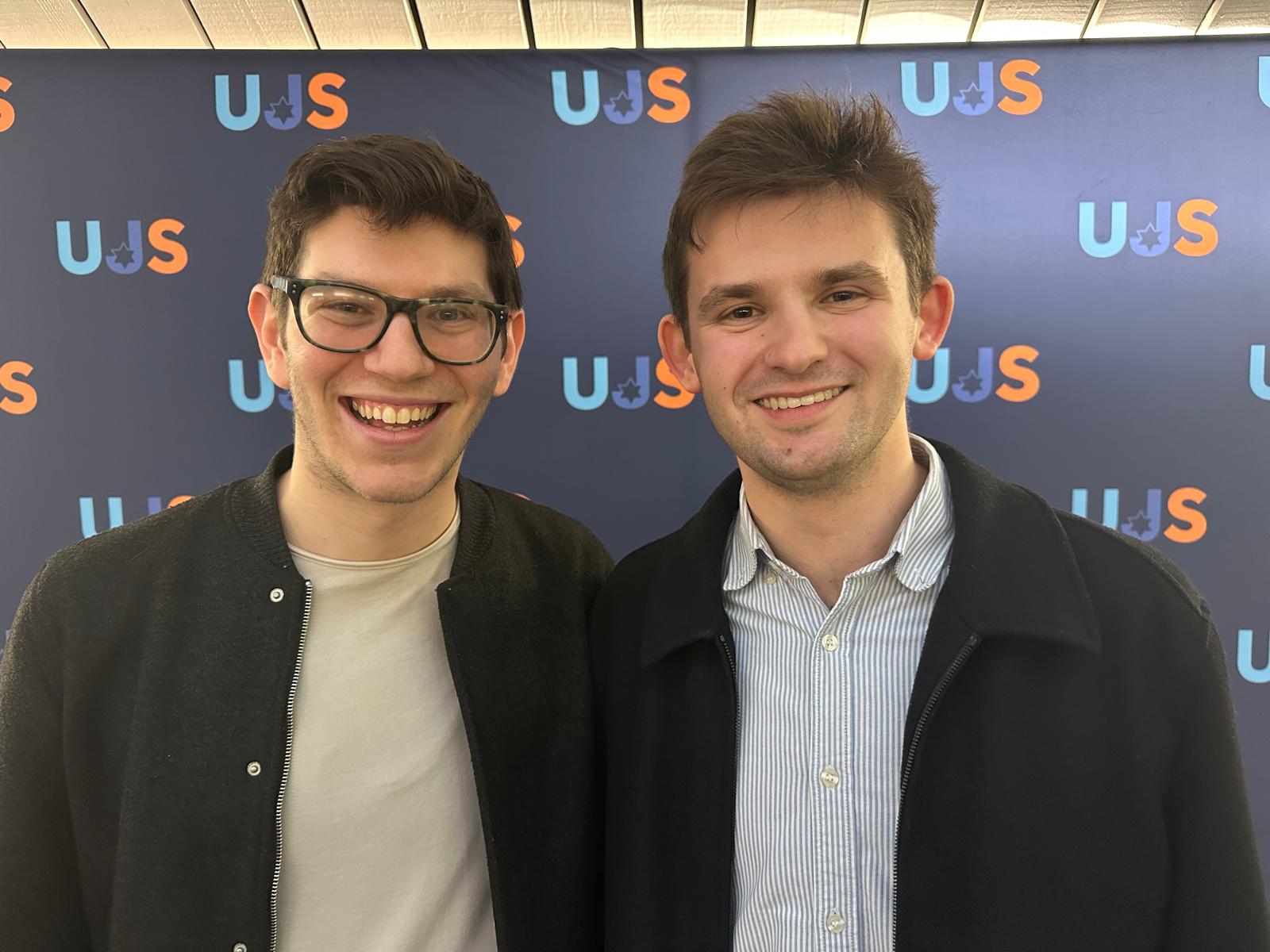
He rejects suggestions that Jews have no future in Britain and believes the next generation is already proving otherwise.
“The thing that gives me hope is that there are hundreds and hundreds of young Jews who are utterly driven and motivated to build exciting, dynamic Jewish life,” he says.
After a year spent at the centre of Jewish student life, that is ultimately the future Louis Danker believes is already being built.

Keep community journalism free.
Jewish News is free for everyone. No paywall. No barriers. Just trusted journalism for anyone who wants to stay connected to Jewish life in Britain.
If you value that, please support us.
From as little as £5 a month, you can help keep our journalism free and accessible to all.
Every day, we report on the issues that matter to our community. We celebrate achievements, support charities, challenge antisemitism and ensure Jewish voices are heard more widely.
From as little as £5 a month, you can help us continue to:
- Report on the stories shaping Jewish life in the UK and beyond
- Bring our community together through shared stories, events and campaigns
- Celebrate the people, culture and moments that define our community
- Support organisations doing vital work across Jewish Britain
You can make a one-off donation or become a regular supporter. Every contribution helps keep our journalism free, independent and accessible to all.
If everyone who values Jewish News gave a small amount, it would make a real difference to our future.