Making sense of the sedra: Ekev
The unlikely challenge of plenty
In Parshat Ekev this week the Torah talks about the Jews travelling through the wilderness. We are told that the reason for this is “…in order to afflict you, to know what was in your heart, whether you keep his commandments or not”. This description makes it sound like their travels through the desert was a torment – their lips cracked from lack of water, their bodies broken and bent by the demands of the desert.
Yet in the very next verse we are told that they had all the food they could desire in the form of the manna from heaven. “Their clothes did not wear out and their feet did not swell for 40 years”. It is accepted throughout the Medrash that there was a well of water which miraculously followed the Jewish people throughout their pilgrimage in the desert. In what way is this an affliction? In what way were the Jewish suffering?
Rabbi Obadia Sforno (1475-1549) explains in his commentary that God’s test to the Jewish people was to ascertain whether “they would do his will without any pain”. This explanation is fascinating, because it suggests that comfort is as much of a test to mankind as discomfort and, furthermore, can cause equal amounts of pain. It is logical to suggest that if the pain being referenced here is not physical – the Jews had all they needed – then it must be psychological. Having it all does not mean a lack of pain – to the contrary it is a sure indicator of emotional torment.
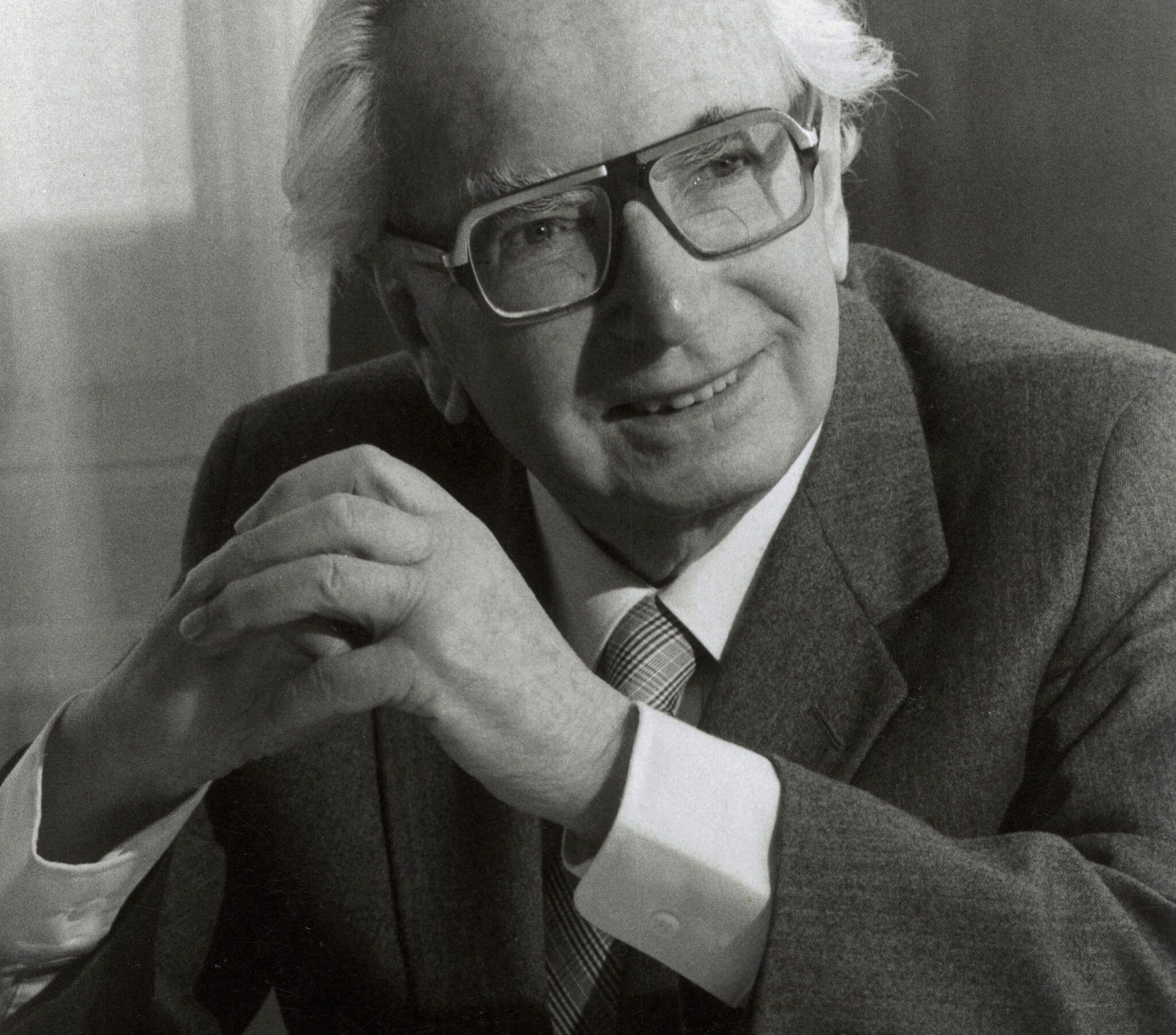
Viktor Frankel, the father of Logotherapy, argued in his book Man’s Search for Meaning that when people do not have a sense of purpose the result is “existential angst” – a feeling of sadness and emptiness. Perhaps once we have all that we could possibly need, the sense of purpose which had driven us thus far disappears, and there is a possibility that without that purpose, suffering results.
Perhaps this was the test with which the Jewish people were faced. In Egypt, the Jews as slaves were challenged by lack – whether it be for food or clothes. That provided them with clear purpose. Now, as free men and women, they were challenged by plenty. They had it all – clothes that never needed to be changed (such a challenge to the fashion designers among them!), food and water. Would they be able to find purpose in service of God now that the challenge of lack had been removed from their midst? Could they change their mindset from one of lack to one of plenty? Could they stop thinking of their next meal, and focus on the idea that the source of all food would ensure that they did not lack for anything?



In 2024, the United Kingdom carried out a census of mental health for adults between the ages of 16 and 64. Their findings were alarming. Nearly 23 percent of those surveyed were found to be experiencing mental health difficulties. This astounding statistic (nearly a quarter!) of our population can have its causes in many things – the cost of housing, climate change, social media – to name just a few. Perhaps another reason for a lack of mental wellness could be could a sense of having it all, and at the same time lacking any real focus and purpose.
Ironically, our generation could be far closer to the first Israelites crossing the desert than is first apparent. The common denominator is plenty, and the challenge is purpose.
Rabbi Steven Dansky is at Cranbrook Synagogue

Keep community journalism free.
Jewish News is free for everyone. No paywall. No barriers. Just trusted journalism for anyone who wants to stay connected to Jewish life in Britain.
If you value that, please support us.
From as little as £5 a month, you can help keep our journalism free and accessible to all.
Every day, we report on the issues that matter to our community. We celebrate achievements, support charities, challenge antisemitism and ensure Jewish voices are heard more widely.
From as little as £5 a month, you can help us continue to:
- Report on the stories shaping Jewish life in the UK and beyond
- Bring our community together through shared stories, events and campaigns
- Celebrate the people, culture and moments that define our community
- Support organisations doing vital work across Jewish Britain
You can make a one-off donation or become a regular supporter. Every contribution helps keep our journalism free, independent and accessible to all.
If everyone who values Jewish News gave a small amount, it would make a real difference to our future.