Making sense of the sedra: Emor
We must live proudly as Jews
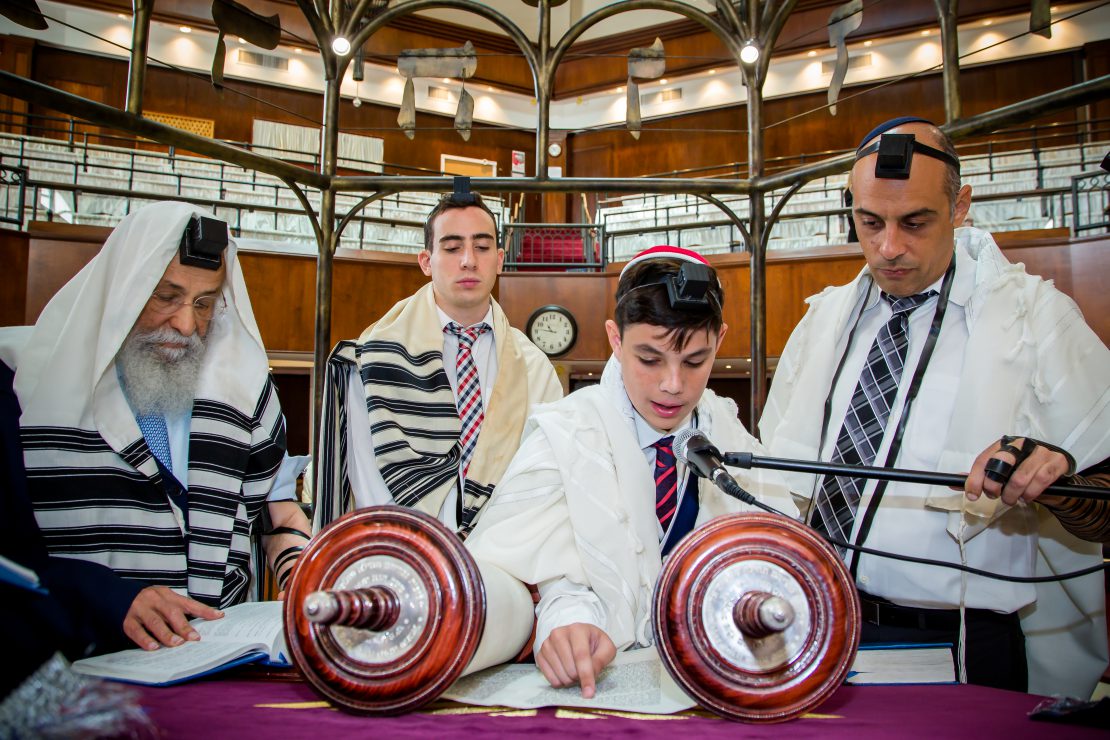
In this week’s parasha, Emor, the verse “I will be sanctified among the children of Israel” teaches that holiness is not only a private matter but something expressed within the community. One of the clearest ways this is seen is through prayer with a quorum of 10 and the study of Torah in a communal setting. Sanctifying God’s name is therefore not just about belief; it is about living as part of a people.
Many understand “Kiddush Hashem”, the sanctification of God’s name, as referring primarily to martyrdom: a person may be called upon to give up their life rather than betray their faith. Jewish history has tragically shown this reality in terrible moments, including the Holocaust and the murders of October 7. Those who died simply because they were Jews are remembered with deep reverence and holiness.
Yet Maimonides presents a deeper and more challenging perspective. He begins with the command that a person should live by the mitzvot, and only afterwards notes that in extreme circumstances one may be required to give up their life. This order is significant. It suggests that the primary purpose of Torah is not death, but life. The highest expression of sanctifying God’s name is to live as a Jew: to embrace Jewish identity, follow Torah, and use each day to fulfil more commandments.
This interpretation is especially powerful in our own time. When Jewish institutions are attacked and antisemitism rises, as we have seen in the last few weeks in London, the response should not only be fear or withdrawal, but pride. To live openly and confidently as Jews is itself an act of sanctification. In the UK, where Jews are still able to pray, study, celebrate festivals, and keep mitzvot freely, there is a precious opportunity to demonstrate what Jewish life looks like at its best.
The article also calls for honest self-reflection. Am I living as a proud Jew? Pride in Jewish identity may be shown outwardly through symbols such as a Magen David or hostage tags, but there is a deeper challenge: to be proud of observance itself. Pride in Torah, in prayer, in charity, and in Jewish conduct has a ripple effect. When others see a Jew living nobly and joyfully, they may be inspired to deepen their own commitment.
Kiddush Hashem does not always require dramatic sacrifice. More often, it is found in the quiet, consistent decision to live visibly and faithfully as a Jew. That kind of life proclaims dignity, resilience, and devotion. In that sense, sanctifying God’s name is not only about how one dies, but far more importantly, about how one lives.
Rabbi Steven Dansky is at Cranbrook Synagogue

Keep community journalism free.
Jewish News is free for everyone. No paywall. No barriers. Just trusted journalism for anyone who wants to stay connected to Jewish life in Britain.
If you value that, please support us.
From as little as £5 a month, you can help keep our journalism free and accessible to all.
Every day, we report on the issues that matter to our community. We celebrate achievements, support charities, challenge antisemitism and ensure Jewish voices are heard more widely.
From as little as £5 a month, you can help us continue to:
- Report on the stories shaping Jewish life in the UK and beyond
- Bring our community together through shared stories, events and campaigns
- Celebrate the people, culture and moments that define our community
- Support organisations doing vital work across Jewish Britain
You can make a one-off donation or become a regular supporter. Every contribution helps keep our journalism free, independent and accessible to all.
If everyone who values Jewish News gave a small amount, it would make a real difference to our future.