Prefer Jewish News on Google
Making sense of the sedra: Shabbat Chol Hamoed Succot
Awaiting the return
As we enter this Shabbat Chol Hamoed Succot, we find ourselves in a time that is not only rich from a seasonally perspective with rich reflection and joyous undertones but, this year, carries with it an added anticipation of the long-awaited return of our hostages and first vestiges of possible, please God, peace in our homeland.
The Haftorah reading for this Shabbat, from Ezekiel 38:18-39:16, aptly conveys this powerful message of hope, illustrating a future post-war where God’s greatness is acknowledged by all nations. Ezekiel foretells a moment when God will reveal His greatness and holiness, proclaiming: “And I will reveal myself in my greatness and in my holiness and will be recognised in the eyes of many nations.” This prophetic vision can be lent on for reassurance as we navigate the complexities of our current reality. Perhaps indeed there is light now at the end of this very dark tunnel.
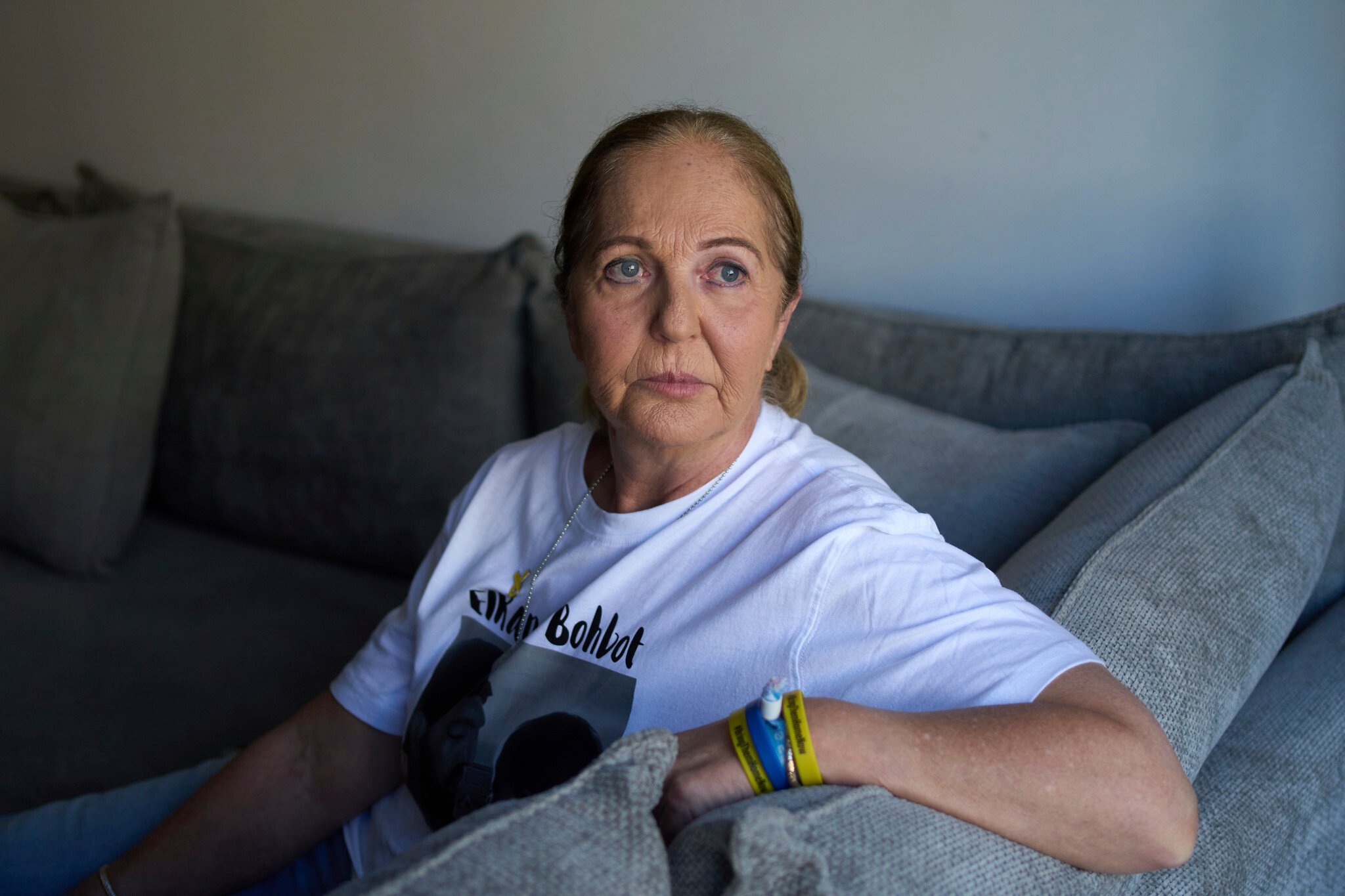
For two years now, we have consistently held the hostages in our prayers. Among them is Elkana Bohbot, who has been adopted by our community for special prayers and focus. His name stands, we believe, at the top of the list of living hostages, a symbol of the urgency and pain we collectively feel. As we gather this Shabbat, the question looms: will this be the final time we must pray for their return?
This question is particularly poignant as we celebrate Succot, a festival that symbolises unity, shelter and faith. The Succah serves as a reminder of Hashem’s protection and presence among us, a presence we yearn for during these challenging times. Just as we have found comfort and community within our Succah, we must also seek that divine shelter of protection over our people.
In addition to the Haftorah, this week we read from the Torah portion Ki Tisa, which discusses God’s compassion following the sin of the golden calf. At the conclusion of this portion, Moses asks to see God’s glory, and God agrees, telling Moses he will only see God’s “back”, not his “face.” This intriguing encounter offers crucial insight: sometimes, we can only comprehend God’s presence when looking backward at our experiences, especially when faced with adversity. This notion resonates deeply as we reflect on the challenges and hardships of the past two years. In hindsight, we pray that we may begin to observe God’s guiding hand, supporting us even during the last two year’s darkest moments.

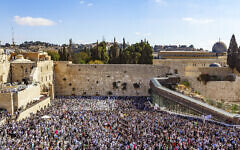

As we enter Shabbat Chol Hamoed Succot, let us channel our sincerest prayers and hopes for peace. May this season herald the return of hostages and the cessation of conflict, allowing us to transform the painful memories of the past two years into a brighter future. Let us inspire one another with the belief that we can dwell safely in our land and in all lands under the shelter of God’s abiding presence. Finally, may this truly be a Shabbat Shalom, a Shabbat of a much anticipated beginning of peace.
Rabbi Elchonon Feldman is Chair of the Rabbinical Council of the United Synagogue and Senior Rabbi of Bushey United Synagogue

Keep community journalism free.
Jewish News is free for everyone. No paywall. No barriers. Just trusted journalism for anyone who wants to stay connected to Jewish life in Britain.
If you value that, please support us.
From as little as £5 a month, you can help keep our journalism free and accessible to all.
Every day, we report on the issues that matter to our community. We celebrate achievements, support charities, challenge antisemitism and ensure Jewish voices are heard more widely.
From as little as £5 a month, you can help us continue to:
- Report on the stories shaping Jewish life in the UK and beyond
- Bring our community together through shared stories, events and campaigns
- Celebrate the people, culture and moments that define our community
- Support organisations doing vital work across Jewish Britain
You can make a one-off donation or become a regular supporter. Every contribution helps keep our journalism free, independent and accessible to all.
If everyone who values Jewish News gave a small amount, it would make a real difference to our future.