Prefer Jewish News on Google
Making sense of the sedra: Vayakhel–Pekudei
Judaism practised at synagogue but lived at home
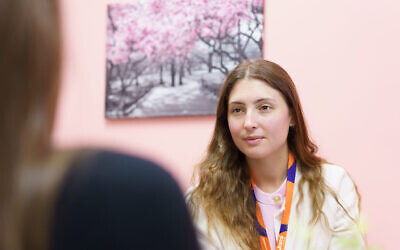
Recently I had the privilege of co-chairing a training day for Barnet Council social workers and other key members of staff titled: Working with the Jewish Community, Improving your Cultural Competence. The session took place in a beautiful synagogue in north west London, an impressive setting in which to discuss Jewish life, community structures and cultural sensitivity.
As we described synagogue life, communal prayer and the rhythms of the Jewish calendar, I noticed an interesting assumption forming among some of the participants. From the way we were speaking, it seemed they were drawing a natural conclusion: that the synagogue must be the centre of Jewish life.
At one point I paused and gently corrected that impression. The synagogue is certainly important. It is where we gather to pray, learn and celebrate together. But if you want to understand where Judaism truly lives and breathes, I explained, you have to look somewhere else entirely, to the very place the attending participants would most likely be visiting: the Jewish home.
Judaism may be something we practise in synagogue, but it is lived at home.
That insight resonates powerfully this Shabbat. As we read the double portion of Vayakhel–Pekudei, describing the completion of the Mishkan, we also mark Shabbat HaChodesh, the special reading that heralds the arrival of the month of Nissan and the approach of Pesach.


The additional Torah reading begins with the words: “HaChodesh hazeh lachem rosh chodashim (this month shall be for you the beginning of months).” It marks the birth of the Jewish calendar and the first commandment given to the Jewish people as a nation. Yet when the Torah turns to the central ritual of Pesach, the offering of the Korban Pesach, something striking happens. It is not organised around a central sanctuary or communal space. Instead, the Torah emphasises the household: “Seh lebeit avot, seh labayit (a lamb for each family, for each home).”
From the very beginning of Jewish nationhood, the Torah signals that the most powerful arena for Jewish continuity is not the public institution but the private home. This idea echoes the famous words of the Shema: “V’shivtecha b’veitecha u’vlechtecha baderech (when you sit in your home and when you walk along the way).” Jewish life is meant to accompany us everywhere, but it begins within the walls of our homes.
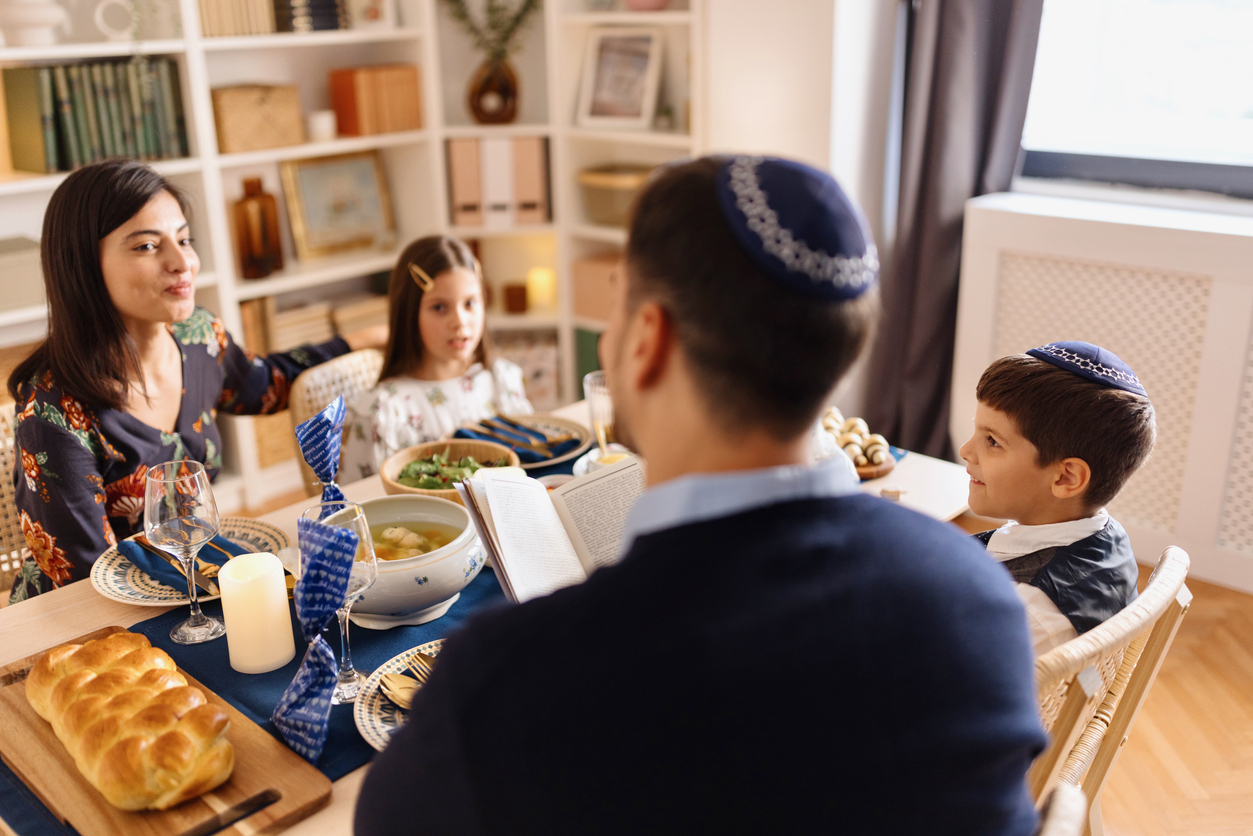
That is why the defining rituals of Pesach take place around the Seder table. It is there that parents tell the story of the Exodus to their children. It is there that questions are asked, traditions are passed down and Jewish identity is quietly shaped. Synagogues may be the visible landmarks of Jewish life, but Jewish continuity has always been built around the kitchen table, the Shabbat candles and the conversations that unfold in the home.
As Pesach approaches, Shabbat HaChodesh instructs us where the real work of Jewish continuity happens. Preparing for Pesach is not only about cleaning cupboards or shopping for matzah. It is about creating a home environment in which our families can encounter the beauty, meaning and pride of Jewish life. The synagogue may inspire us, but it is the home that sustains us.
As we prepare for the festival of freedom, may our homes become spaces where the story of our people is told and lived, ensuring that the next generation carries it forward. Shabbat Shalom
Rabbi Elchonon Feldman is Chair of the Rabbinical Council of the United Synagogue and Senior Rabbi of Bushey United Synagogue.

Keep community journalism free.
Jewish News is free for everyone. No paywall. No barriers. Just trusted journalism for anyone who wants to stay connected to Jewish life in Britain.
If you value that, please support us.
From as little as £5 a month, you can help keep our journalism free and accessible to all.
Every day, we report on the issues that matter to our community. We celebrate achievements, support charities, challenge antisemitism and ensure Jewish voices are heard more widely.
From as little as £5 a month, you can help us continue to:
- Report on the stories shaping Jewish life in the UK and beyond
- Bring our community together through shared stories, events and campaigns
- Celebrate the people, culture and moments that define our community
- Support organisations doing vital work across Jewish Britain
You can make a one-off donation or become a regular supporter. Every contribution helps keep our journalism free, independent and accessible to all.
If everyone who values Jewish News gave a small amount, it would make a real difference to our future.