Prefer Jewish News on Google
Mel Brooks: The first 100 years
Judd Apatow talks about the Jewish comedy genius who shaped his life and inspired an extraordinary new documentary
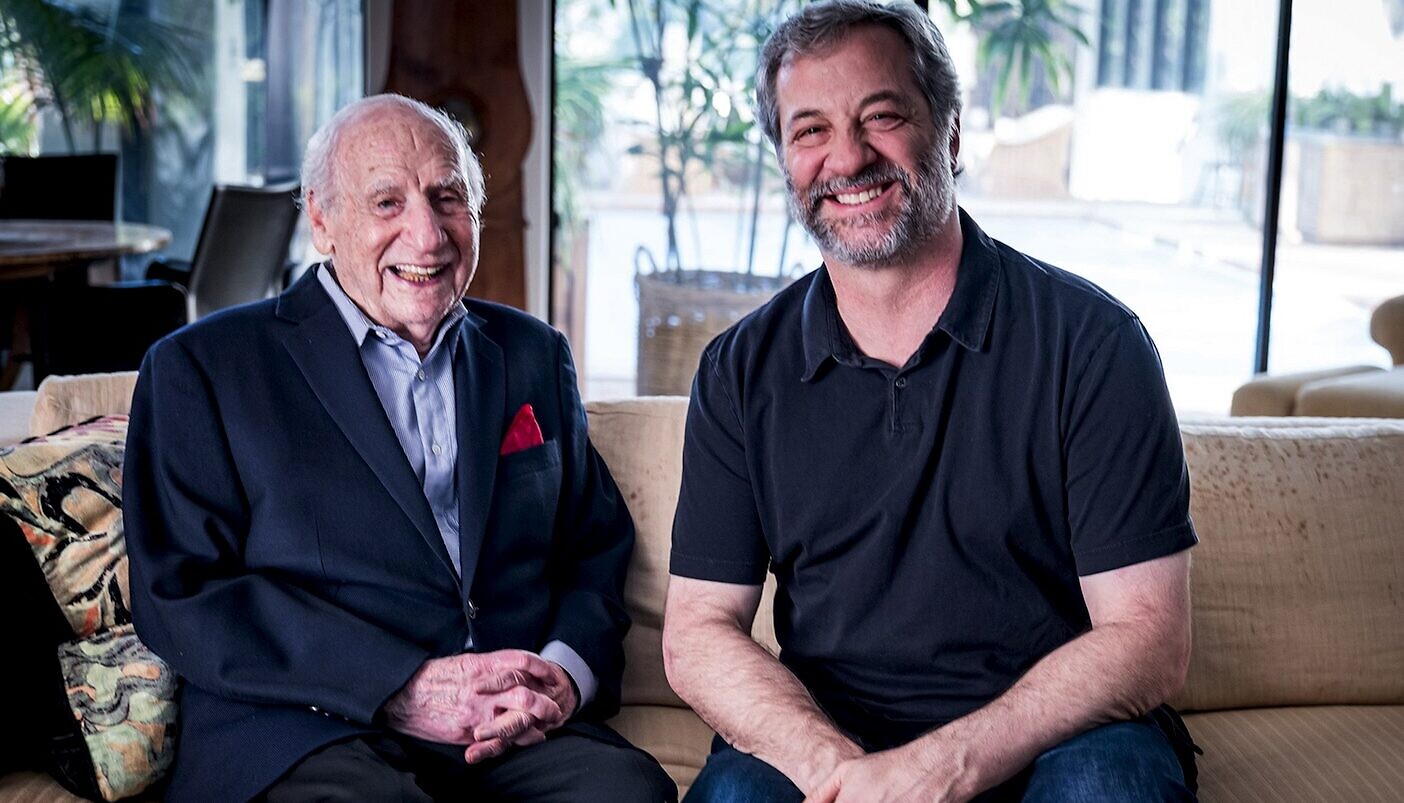
 “If that guy can be the coolest guy in the world, maybe a weirdo like me can do okay.” For Judd Apatow, now 58, discovering Mel Brooks as a child gave him tacit approval to become a funny, emotional, defiantly Jewish adult comfortable being himself. We were honestly wowed when Judd agreed to talk to LIFE about his two-part documentary Mel Brooks: The 99-Year-Old Man! released ahead of Brooks’ 100th birthday on 28 June.
The documentary is so joyous, rich and emotional that thanking Judd for making it felt the polite way to open the conversation.
This is no ordinary documentary. It spans Mel’s triumphs and heartbreaks, includes access to never-before-seen family photographs and features an impressive roll call of Jewish entertainers paying tribute to the man himself.
It is obvious this project was more than just a conventional documentary for Judd. Not that he really does conventional. The director behind The 40-Year-Old Virgin, Knocked Up and Funny People has built his career around emotionally messy, offbeat comedy.


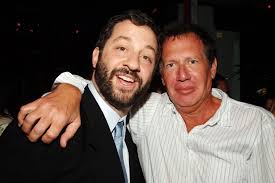
Alongside his feature films, he has also preserved the comedy legends he grew up admiring, making acclaimed documentaries about George Carlin and his mentor Garry Shandling, with more projects about American comic greats in the works.
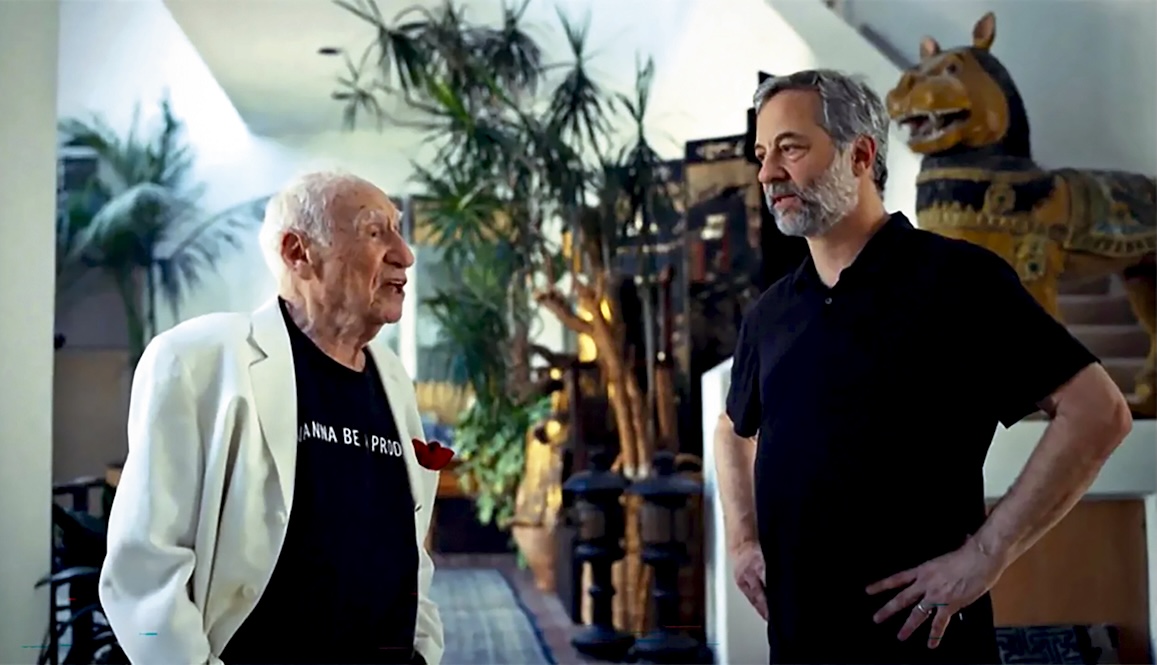
His portrait of Mel is a love letter from someone who grew up worshipping him and somehow ended up sitting in his living room having the sort of conversations usually reserved for close friends. Yet Judd doesn’t want to overstate the relationship, which began when he first visited Brooks as “an admiring young director”.
“He asked me to interview him at Q&As occasionally and I’ve also written forewords for his books and also did for Carl Reiner. But I don’t want to say I’m Mel’s friend,” says Judd carefully. “We have a warm relationship.”
Yet Mel still needed persuading to do the documentary. “It took many months to convince him,” the director admits. “Finally, I said, ‘Mel, if we don’t make this documentary, we don’t have a reason to hang out. If you do it, we can hang out all the time.’ And then he said, ‘Okay, I’ll do it.’”
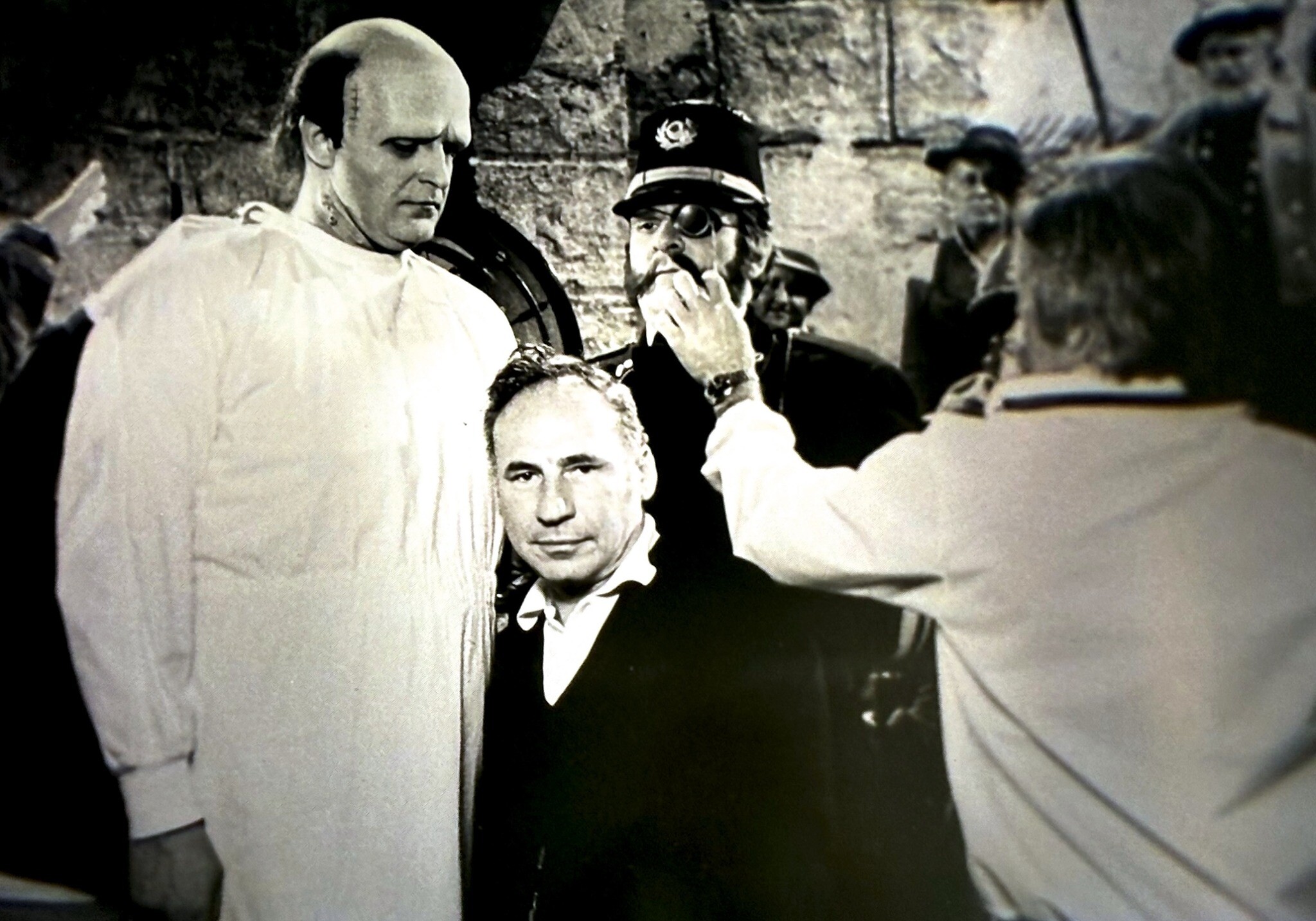
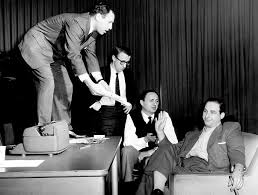
The result is a film that goes beyond revisiting the milestones. It becomes a time-travelogue through Mel’s start in the Catskills, the writers’ room of Sid Caesar alongside Carl Reiner, Neil Simon and Woody Allen, and the films – The Producers, Blazing Saddles and Young Frankenstein – that changed comedy forever.
“It’s a big life,” notes Judd. “When someone’s 99 years old, there’s a lot of ground to cover. So he had all these wonderful anecdotes, but we were interested in how it felt to fight in World War Two, live through the Depression, and then make comedies targeting racism and authoritarianism. I wanted to know about his two marriages, his children and how you can be a parent when you have this gigantic career.”
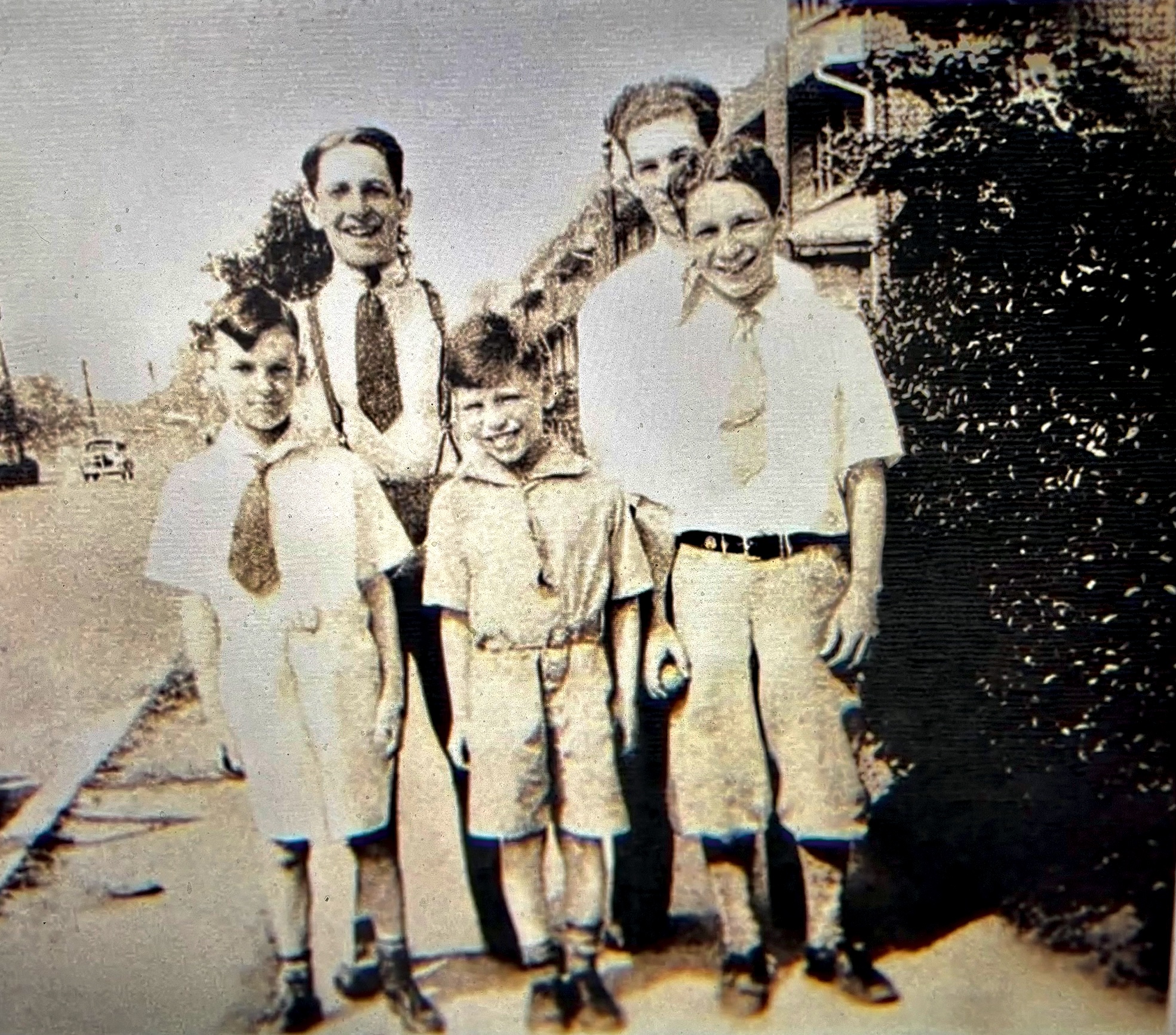
The one-time Melvin Kaminsky was the youngest of four brothers born in Brooklyn to Kitty Brookman and Max Kaminsky. After Max died when Brooks was two, Kitty raised the boys alone.
Brooks recalls being “the comic conscience of the neighbourhood” while every one of the 22 apartments at 365 South Third Street seemed to send workers to New York’s Garment District – a future he feared might await him too.
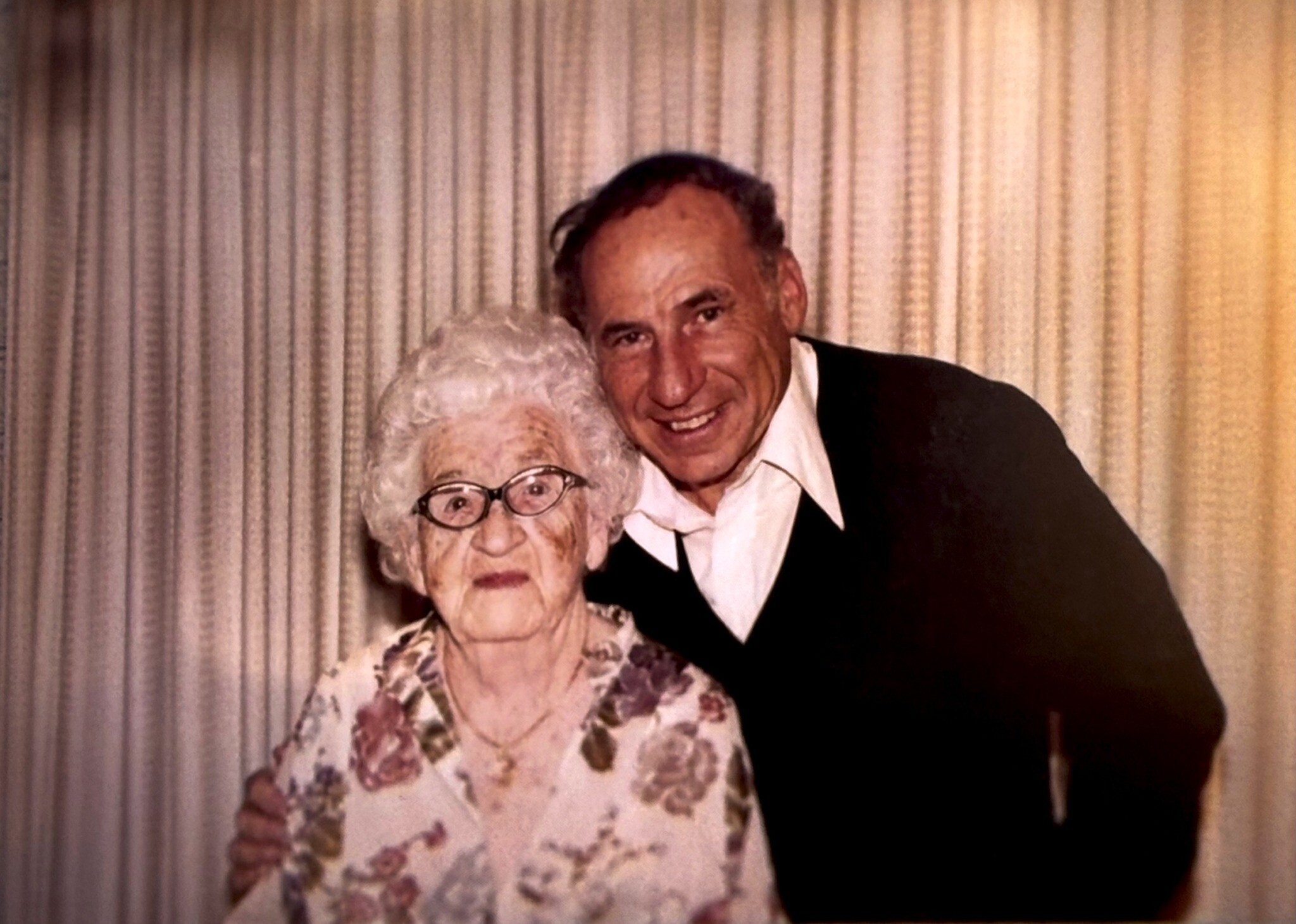
But as Judd’s deep dive into the archives shows, Brooks had been trying his hand at comedy before and after serving in the US Army, which he joined aged just 17, going “from a provincial tenement in Brooklyn to wartime France”.
It’s not simply the scale of Brooks’ journey that impresses, but what that journey meant to generations of Jewish comedians. Judd, who listened to the 2000 Year Old Man albums “from the moment I was born”, remembers Brooks being presented on American television as “the Beyoncé of comedy”.
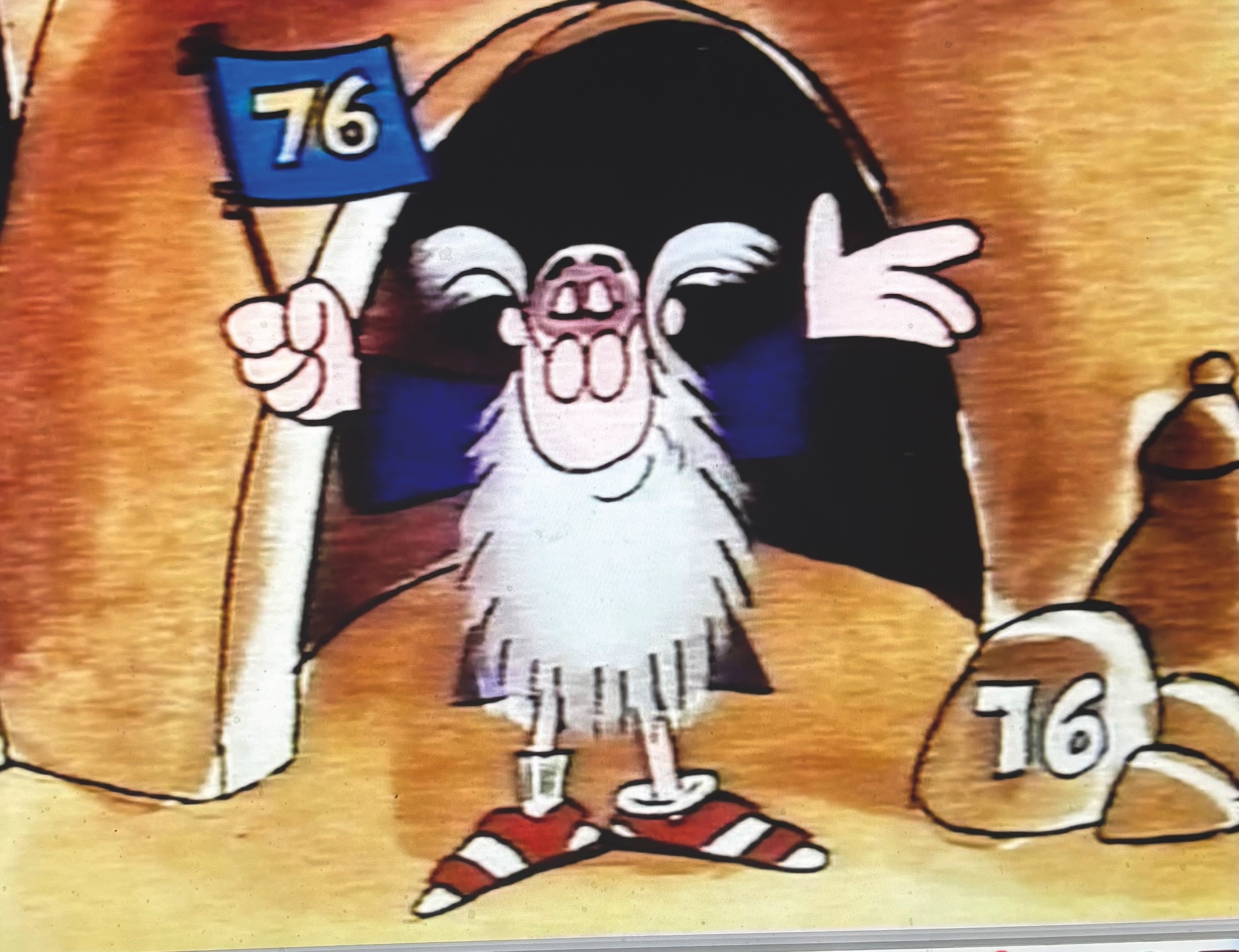
For comedians such as Sarah Silverman, Jerry Seinfeld and Adam Sandler, who also appear in the documentary, Brooks was the fearless Jewish comic hero who made them realise what they could become.
“I think when people talk about seeing people like themselves on television being important, that’s what it means to me,” says Judd. “It also encourages the next generation to get involved in telling their stories.”
Judd believes Mel may now be “more popular than ever.” With Spaceballs 2 on the horizon, in which he reprises his role of Yogurt, Brooks is still finding new fans
Stewardship matters to Judd, who spoke movingly about Garry Shandling and how that shaped the way he works with younger performers and writers today.
“Part of the trade-off is: I’m going to teach you everything I know, and you’re going to collaborate creatively on these projects. That’s how we make our comedy world flourish.”
The film became a true collaboration between Mel and Judd, who made huge efforts to tread carefully around the darker moments in Mel’s life. The result was that he persuaded him to speak for the first time about his marriage to Florence Baum, the glamorous Broadway dancer who was the mother of his children Nicky, Eddie and Stefanie.
Previously unseen home movies reveal a side of Mel audiences seldom see, as he tells Judd: “The marriage suffered because I was very difficult to live with, because I was just disgusted at reaching a dead end to my creativity… I don’t blame her for divorcing me. It was just hell living with me.”
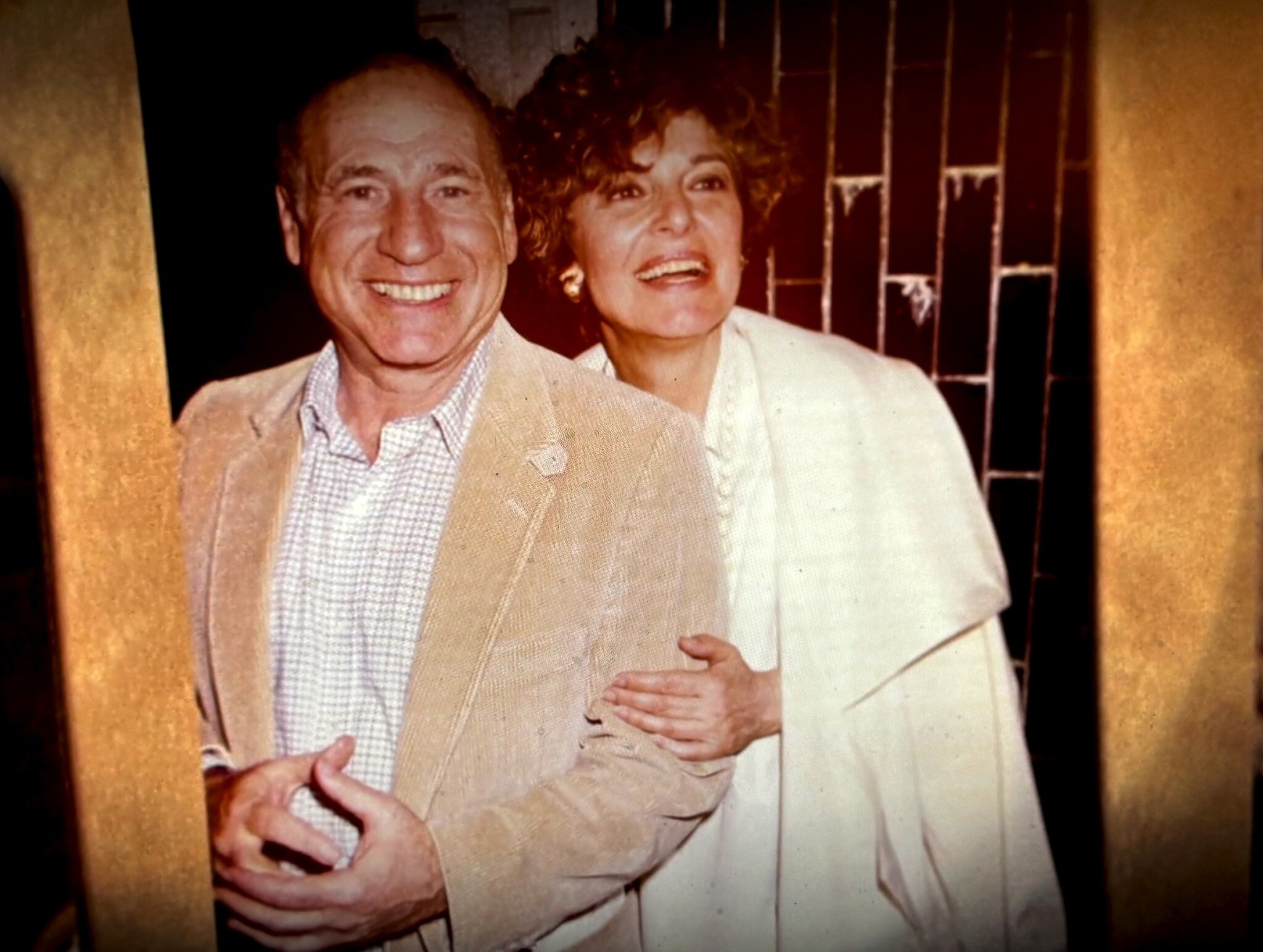
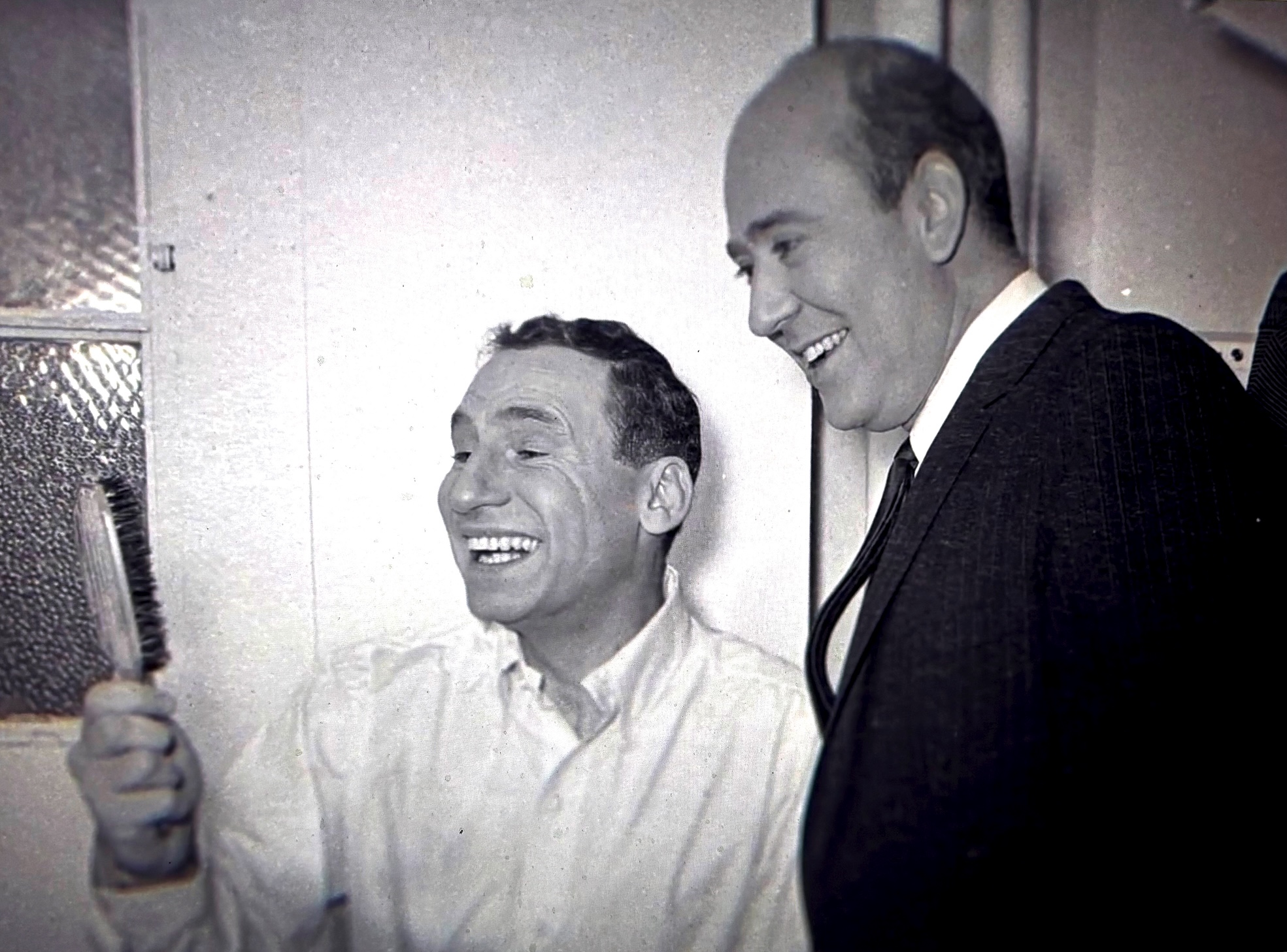
But the emotional heart of the film is Mel’s enduring love story with Anne Bancroft, who died in 2005 aged 73, and his unparalleled friendship with Reiner, who died in 2020 aged 98.
Previously unseen home movies reveal a side of Mel audiences seldom see
Adding to the poignancy is the appearance of Carl’s son, Rob Reiner, who was murdered alongside his wife Michele in December 2025. “We interviewed Rob 10 months before finishing the film and had a lovely day with him. A lot of it was about how Mel and Carl grieved for their wives by spending almost every night eating dinner and watching old movies together.”
After Carl’s death, Brooks kept returning to his friend’s house.
“And I asked Mel about it. I said, ‘You feel like he’s there?’ And he said, yeah, that he wanted to be close to him.”
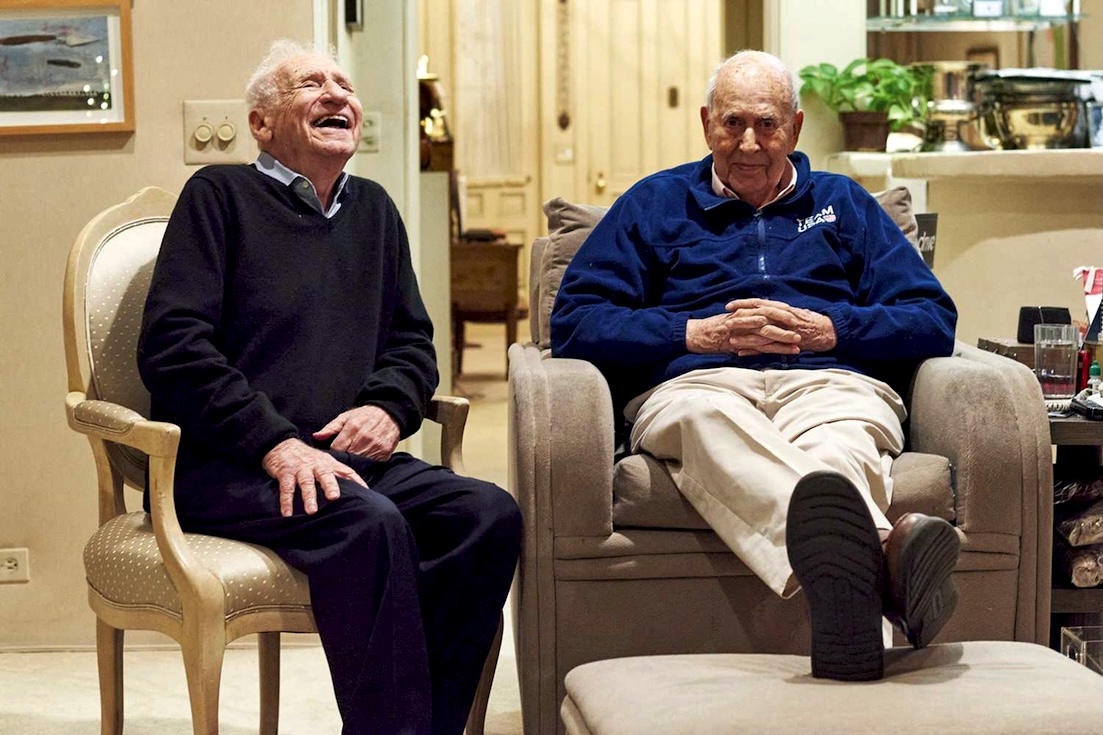
In his interview, Rob joked about prospective buyers of the Reiner home being told “they get Mel with the house”.
“When Rob died, we didn’t recut the documentary,” says Judd, “but it became much more powerful, because Rob is talking about how Mel dealt with grief, and we’re listening to it trying to use Rob’s wisdom to get over our grief about him. He was a wonderful, giving person.”
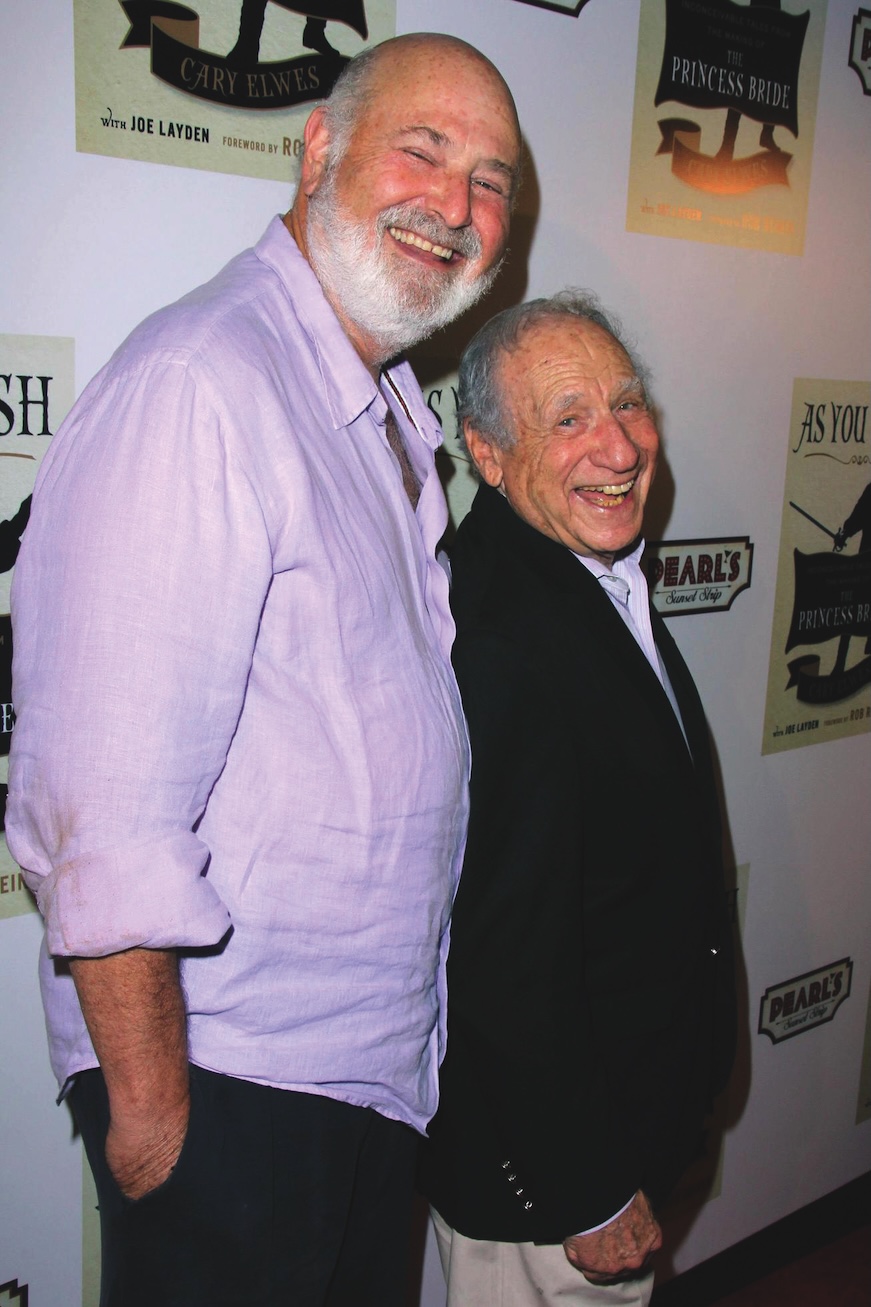
One observation from Rob also changed the way Judd understood the Mel/Carl friendship. “I asked Rob why they were such close friends. And he said, ‘I think Mel looked at my dad as a father figure.’ I had never thought about it in those terms.”
Judd later asked Mel directly. “And he said, ‘Yeah, of course. He’s tall, he’s kind, he’s wise. Who wouldn’t want Carl Reiner to be your dad?’”
Suddenly the 2000 Year Old Man routines looked different to Judd.
“Once you notice it, you can’t unsee it. Even when they were older and Carl was getting the AFI Award, Mel was like a little kid trying to make his dad laugh – that giddy enthusiasm of a child cracking up a parent. And that was the magic.”
Reflecting on Mel losing Carl after more than 70 years of friendship, Judd’s voice catches. “It’s almost unspeakable what it must feel like to lose it. When you live that long, you are the last man standing, and that must really be difficult.”
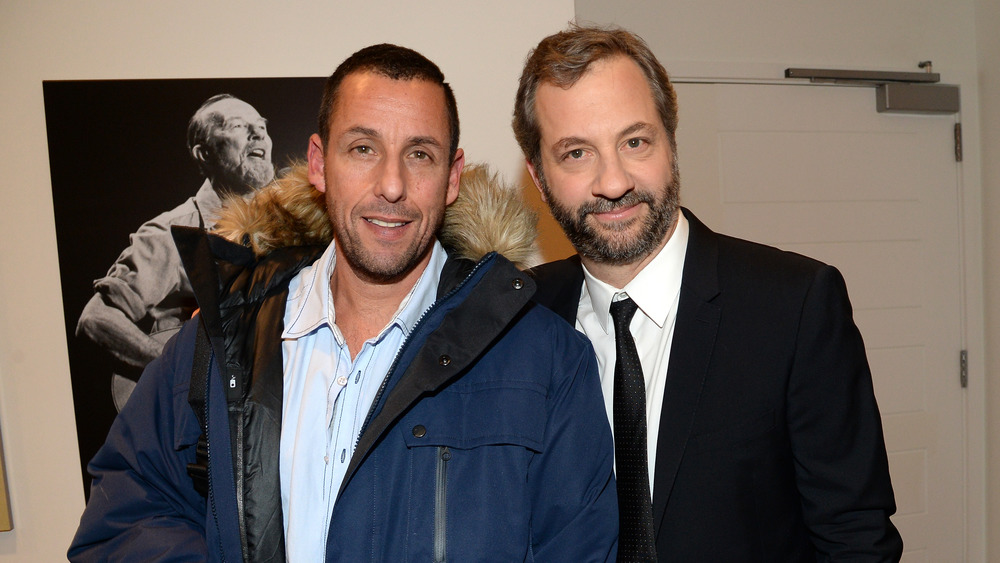
Their friendship also made Judd think about his own comedy pals, such as “Adam Sandler, who I lived with when we both finished college. We’ve had a long relationship. Those kinds of connections are very special.”
Laughing, he adds he would happily recreate the Mel-and-Carl supper ritual himself. “I’m willing to do it right now, even before anyone dies. I wish everyone wanted to watch more movies together and just eat food out of TV trays.”
That loss hangs over the documentary and is reinstated with every appearance of Anne Bancroft. Judd reveals he was cautious even asking about her. “I felt bad even entering into it, because he’s so sensitive about it. It’s just something that never fully heals. So I only asked a few questions about Anne, and everything Mel said was so profound and powerful.”
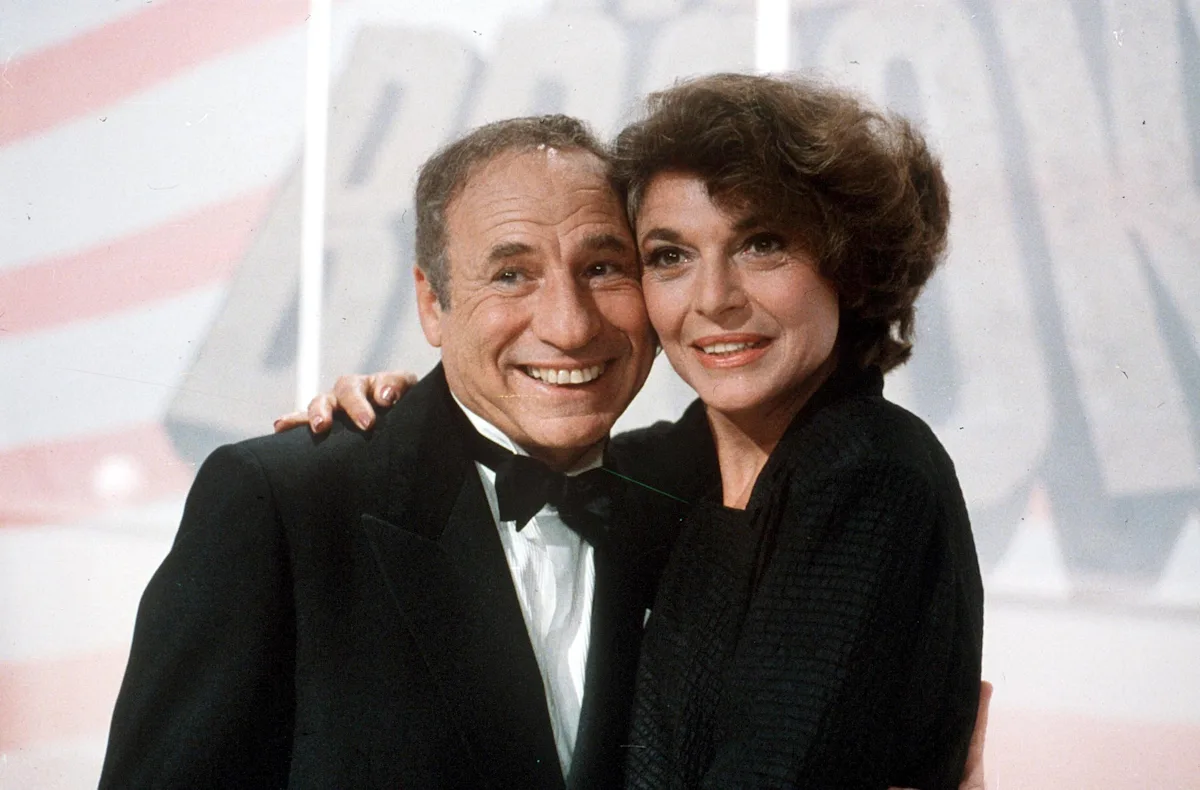
Finally, Judd asked one simple question: what do you miss most about Anne? “He looked at me and said, ‘There are no words that I could ever use that could make you understand.’ I thought that was going to be it,” Judd recalls. “And then he said: ‘I miss the way she would suddenly turn, when she decided what she was going to do.’ So there was no reason to ask another question. It was so beautiful and poetic.”
The connection between Judd and Mel is key to The 99-Year-Old Man. Underneath, the acclaimed director still sounds like the teenager interviewing comedians for his school radio station simply because he wanted to be near them and learn. And Brooks, turning 100, clearly feels that love.
“I think Mel really appreciates when people acknowledge what he’s given
to the world. He loves people, and it means so much to him to know that the work stands up and it still makes people happy.”
Judd believes Mel may now be “more popular than ever.” With Spaceballs 2 on the horizon, in which he reprises his role of Yogurt, Brooks is still finding new fans, nearly a century after he first started making people laugh.
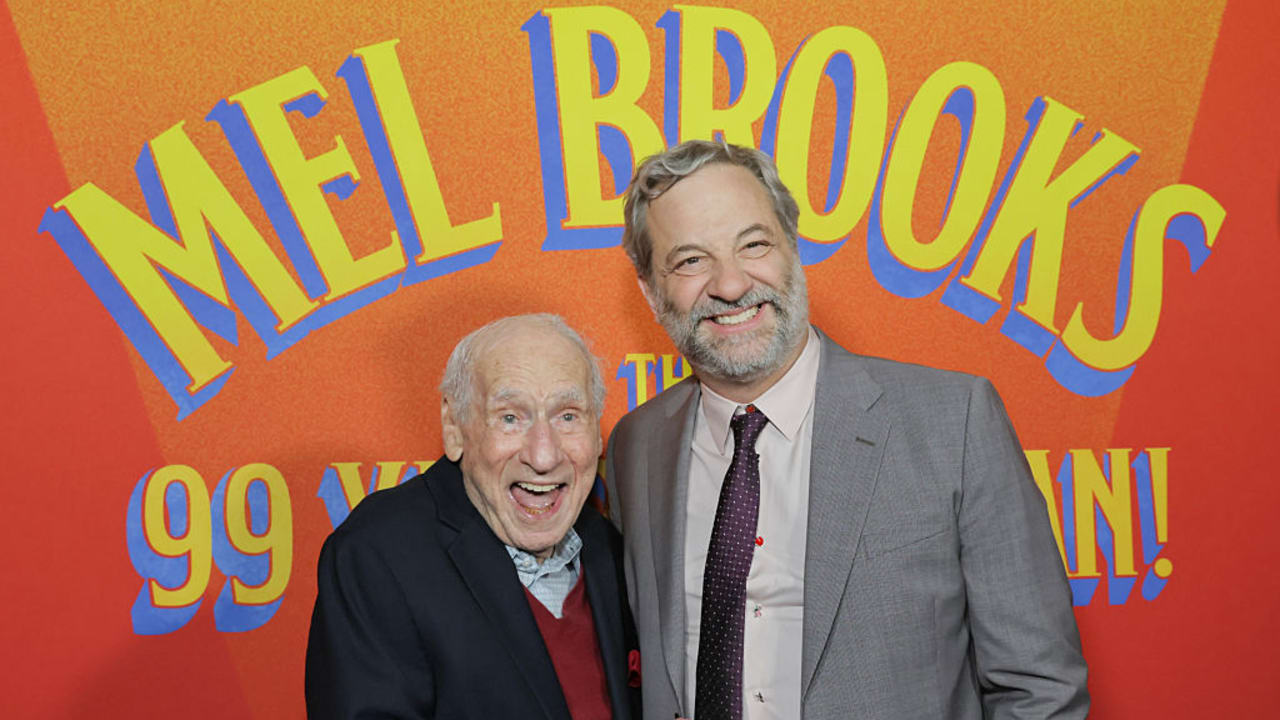
After Rob’s death, Judd and director Michael Bonfiglio held a Los Angeles premiere for The 99 Year Old Man and were unsure whether Brooks, 99, would feel able to attend.
“I didn’t think he would come,” Judd nods. “They told me, ‘We’ll find out on the day if he feels up to it.’ But he came.” Judd smiles. “He was wonderful to everybody. He walked the press line – me and him did a little Q&A – and he was so funny. Someone asked whether he was planning to travel to London for the revival of The Producers and he said: ‘I can barely make it from the bed to the bathroom at night. The only way I could make it is if they let me sit in the toilet inside the jet for the entire flight.’”
Judd laughs warmly. He knows that at the age of 100 the king of comedy is still landing the punchline.
Thoughts on my 100-year-old father, Mel, by Max Brooks
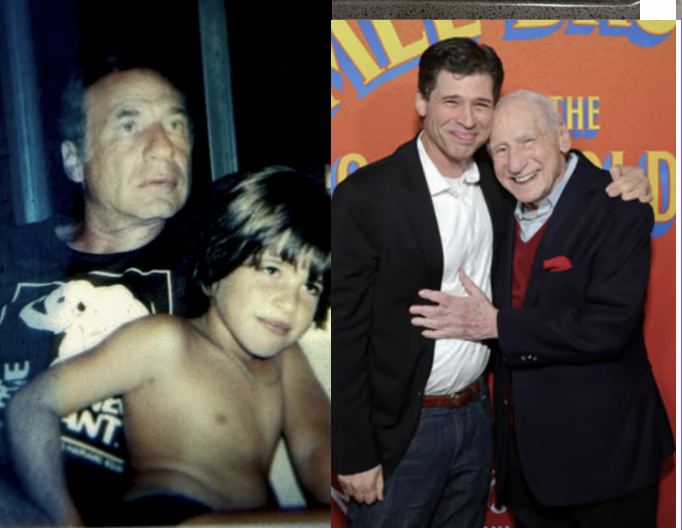 “Was my father funny at home? He had his funny moments. He had his not-funny moments. But he’s a brilliant guy – one of the smartest men who has ever lived, completely self-taught and one of the greatest Americans.
He came from nothing. He didn’t have a father, and grew up in dire poverty, then pulled himself up, fought in World War Two and built a career from absolutely nothing.
Watching him work was an education in itself. The greatest gift he ever gave me was teaching me that something which appears glamorous, like show business, is still just a job at the end of the day. There’s no way around the hard work, the discipline, the patience and the resilience.
Physically, he’s healthy, there’s nothing wrong with him, and he’s still as sharp as ever. He can sum up the world in a single soundbite. He’s not a man of his time — he’s a man for all time, and his humour is timeless.”
Interview in Jewish News’ Life Magazine summer 2026 edition
Mel Brooks: The 99-Year-Old Man! is available on HBO Max and Now TV. The Producers is at the Garrick Theatre.
Additional reporting by Jenni Frazer

Keep community journalism free.
Jewish News is free for everyone. No paywall. No barriers. Just trusted journalism for anyone who wants to stay connected to Jewish life in Britain.
If you value that, please support us.
From as little as £5 a month, you can help keep our journalism free and accessible to all.
Every day, we report on the issues that matter to our community. We celebrate achievements, support charities, challenge antisemitism and ensure Jewish voices are heard more widely.
From as little as £5 a month, you can help us continue to:
- Report on the stories shaping Jewish life in the UK and beyond
- Bring our community together through shared stories, events and campaigns
- Celebrate the people, culture and moments that define our community
- Support organisations doing vital work across Jewish Britain
You can make a one-off donation or become a regular supporter. Every contribution helps keep our journalism free, independent and accessible to all.
If everyone who values Jewish News gave a small amount, it would make a real difference to our future.