Prefer Jewish News on Google

Mikveh episode of Nobody Wants This portrays the resonance of special ritual
TV show portrays transformative nature of the three immersions
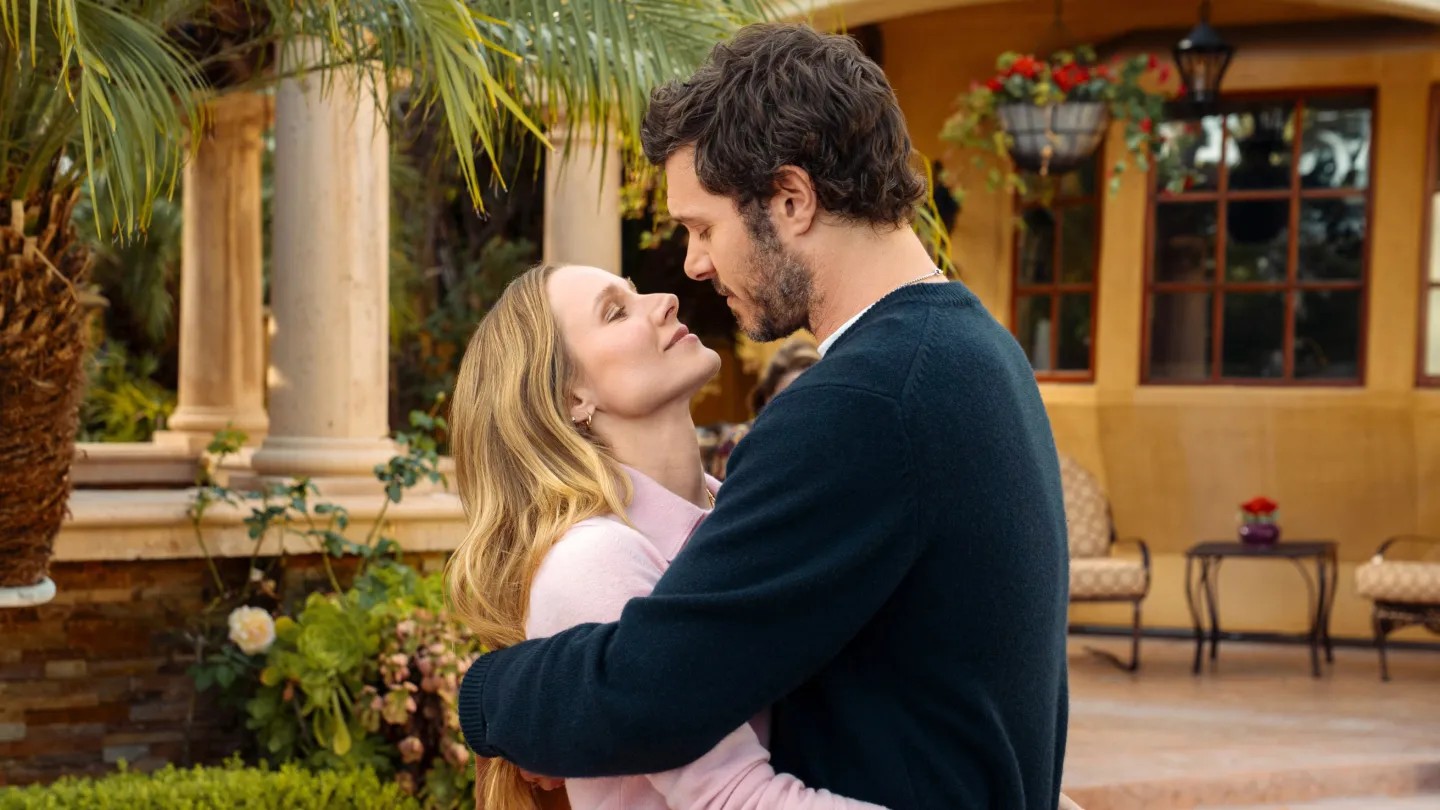
Thank you Netflix. You say “Nobody Wants This” but I really did want it (and you didn’t let me down).
Whether you are planning a wedding or still carry the resentment of compromises you had to make to keep others happy or if you just need your daughter-in-law to know you aren’t ‘that’ bad, enjoy the escapism of the new series of Nobody Wants This.
Putting the political views of the lead actor aside, have a laugh at the well-observed stereotypes played out within Jewish family and synagogue life. They certainly put the com in romcom and we must admit are only funny because they are all behaviours we recognise all too well – in others, not in ourselves of course!
Yet I have a rather niche and also big thank you to the writers of this particular series for a number of reasons.
They gifted synagogue lay-leadership the reminder not to overlook women rabbis for promotion because of the “hot” male rabbi who assumes the role is his. Although whilst it should be a thank you from me, having never experienced glass ceilings in my own career I see it as a situation I’m hoping we’ve begun to move past, in the Progressive world at least.



They also made me grateful for how delicately they explained that Jews don’t need Christmas. This is a particularly personal one. My husband has often warned me about how unpopular I become at this time of year as I often use these column inches to take on the persona he has named as Rabbi Grinch but I liked their subtle messaging that Jews can leave Christmas to those who don’t have the joys of Rosh Hashanah lunch, Seder nights and weekly Friday night dinners.
My thank you isn’t just that they find words to so beautifully explain that reasons for a conversion journey can be fluid. Sometimes one starts converting somewhat superficially, but ultimately it’s through living a Jewish life and engaging in real learning that one begins to find one’s own connection, commitment and Jewish identity.
I don’t think it’s a spoiler to say that my true excitement culminated in this romcom providing the most beautiful and touching explanation of mikveh. If you still think of mikveh as something only for orthodox women after menstruation and something secretive and full of judgement, I invite you to watch Joanne’s mikveh moment at the end of the series.
She does use the biggest, most beautiful mikveh, which I have to admit I’m not sure I’ll be able to easily recreate in Finchley, and this gives an advantage to making the moment special. Yet what struck me was their ability to show the transformative nature of the three immersions enabling a transition from one chapter of life to the next.
We may not have the climate to use the coast for our immersions year-round, but we can learn a lot from the demonstration of the transformative power of the mikveh ritual. Something we can recreate in a beautiful indoor mikveh where we gain warmth, privacy and the ability to think beyond the conventional uses for conversion and marriage, as well as the opportunity to remember we go through so many other wonderful and tragic delineating life moments which we can also mark with a mikveh.
Had the rabbis of old known we would get terminal diagnoses that we could live with for a decade or that we would retire from work and be challenged by a shift in identity, they too would have certainly prescribed a mikveh.
Joanne may have been the only one who had rabbis helping her to immerse with purpose that day but had I been in that house and seen the strained relationships and identity crises being struggled with by all her relatives, I think I might have had them all queuing to have their moment too.
We are told that “our days are like scrolls – write on them what we want to be remembered” but maybe to do that well we need to be better at leaving a few blank lines to end each chapter and start the new one with purpose and clarity.
When even Netflix gives the world the episode The Plunge, the message to me loud and clear is that British Jewry are doing exactly the right thing in building Wellspring, a mikveh for all those moments of transition.
Rabbi Miriam Berger is Founder of Wellspring UK, a centre of wellbeing with mikveh at its heart

Keep community journalism free.
Jewish News is free for everyone. No paywall. No barriers. Just trusted journalism for anyone who wants to stay connected to Jewish life in Britain.
If you value that, please support us.
From as little as £5 a month, you can help keep our journalism free and accessible to all.
Every day, we report on the issues that matter to our community. We celebrate achievements, support charities, challenge antisemitism and ensure Jewish voices are heard more widely.
From as little as £5 a month, you can help us continue to:
- Report on the stories shaping Jewish life in the UK and beyond
- Bring our community together through shared stories, events and campaigns
- Celebrate the people, culture and moments that define our community
- Support organisations doing vital work across Jewish Britain
You can make a one-off donation or become a regular supporter. Every contribution helps keep our journalism free, independent and accessible to all.
If everyone who values Jewish News gave a small amount, it would make a real difference to our future.