Prefer Jewish News on Google
Musician, singer and record executive Derek Shulman has written his life story
Giant Steps digs deep into personal stories as well as charting a fanatastic career in the music industry
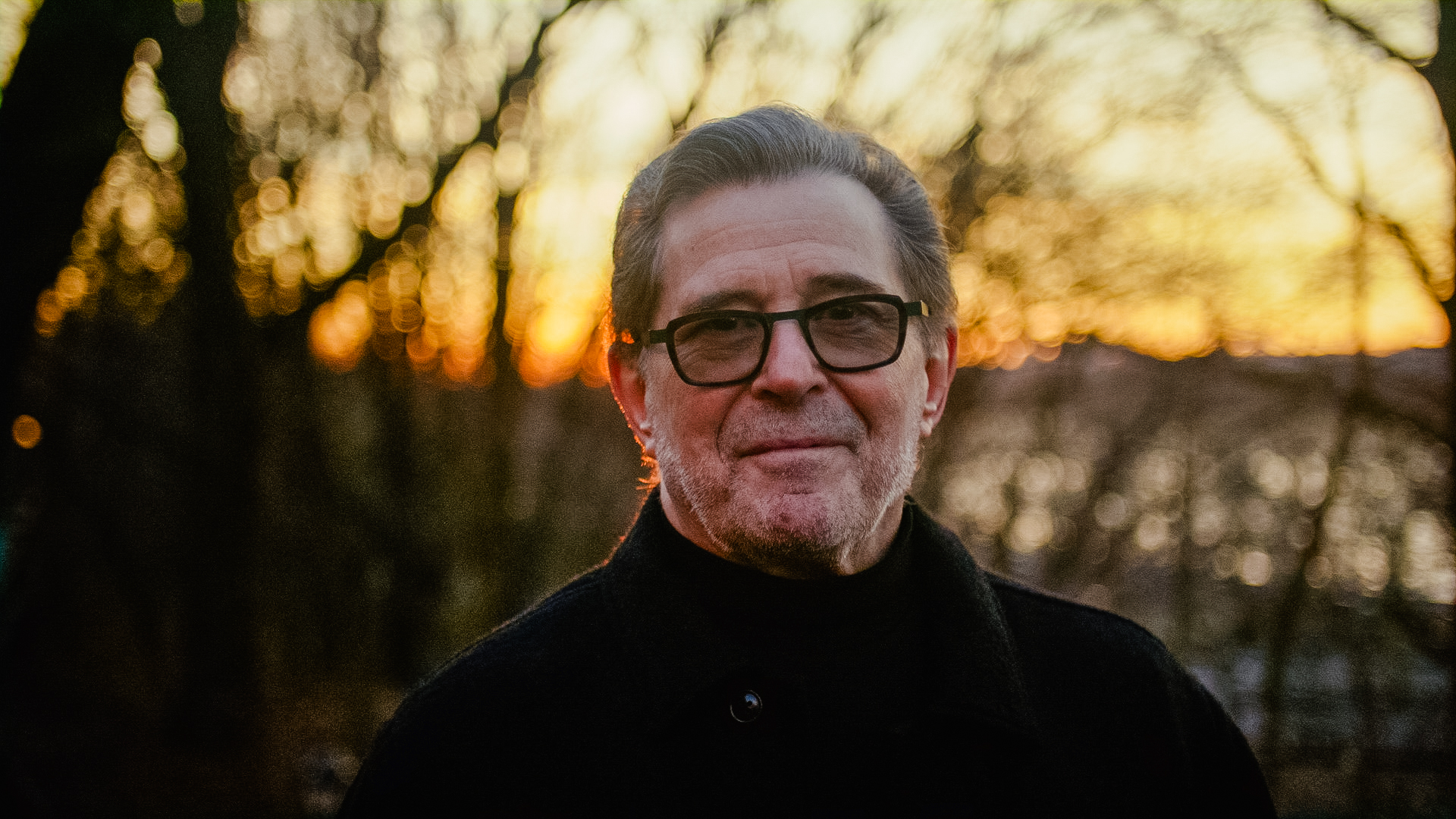
Derek Shulman is not your typical music mogul. Born in Glasgow and largely brought up Portsmouth as part of a relatively poor Jewish family, he knew he wanted to follow in the footsteps of his father, a successful local jazz musician.
In Portsmouth, the Shulmans, who are not particularly religious, were part of a tiny Jewish community. Derek says he “encountered a kind of shrouded antisemitism, because I was one of two Jews in a school of 2,000 kids”. (The other was his cousin.)
Now based in New York, Jewish culture clearly still matters to him. Shulman has not encountered much antisemitism during his career. However, having been aware of it from such a young age, he has zero tolerance for anti-Jewish hate. “I was asked to do a debate with Roger Waters. And I declined it, because this guy is not just anti-Israel, he is a complete antisemite,” he reveals to Jewish News. “To talk someone out of a cult is almost impossible.”
It’s the only moment in our 30-minute conversation where I sense anything even resembling anger from the mild-mannered and chatty man on the other end of the phone.
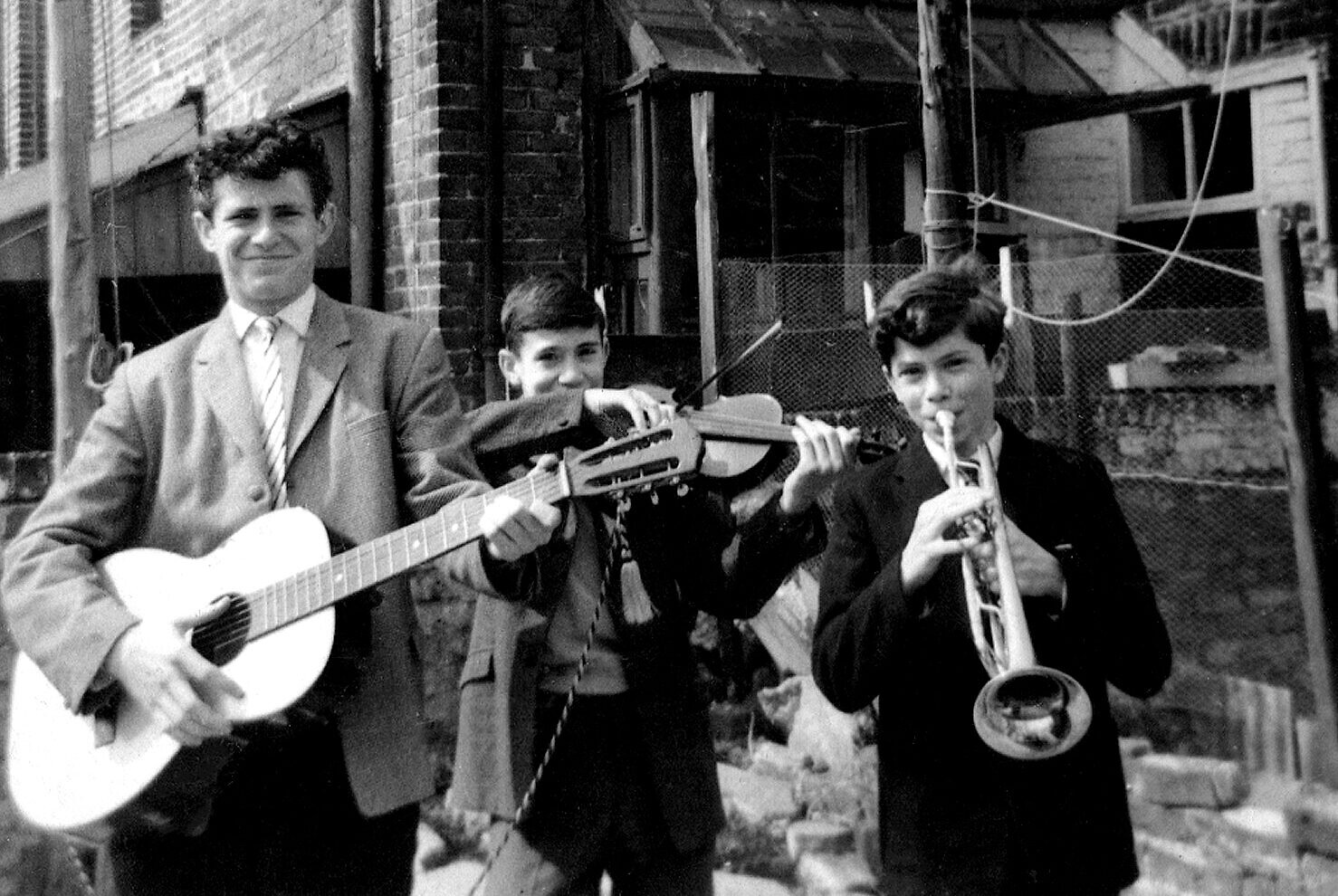
Tragically for him and his siblings, their father Lewis, who they saw “drinking his poison of choice for decades” as well as “smoking up to 60 cigarettes a day,” died of a heart attack at home. Derek was still school age at the time, and his mum wouldn’t let him miss out on his studies, even as the family sat shiva.


The importance of this moment in Shulman’s life is made clear by the fact he starts his new autobiography, Giant Steps, by describing that terrible morning. “It was very important to give the book some of existential feeling” and not have it be “just about me being a musician and having fun in the music business. It had something to with being a family and understanding what these traumas do to people,” he explains.
Indeed, Shulman emphasises he was, quite understandably, “completely traumatised” by his father’s untimely passing. Yet, reading his book and speaking to him, you get the sense he was galvanised by it. Seeing how short life can be drove him on to practise more, write more, gig more.
At one point relatively early in their career, Shulman and his bandmates were involved in a serious road accident on their way to a recording session in London. They dusted themselves off and made it to the studio on time.
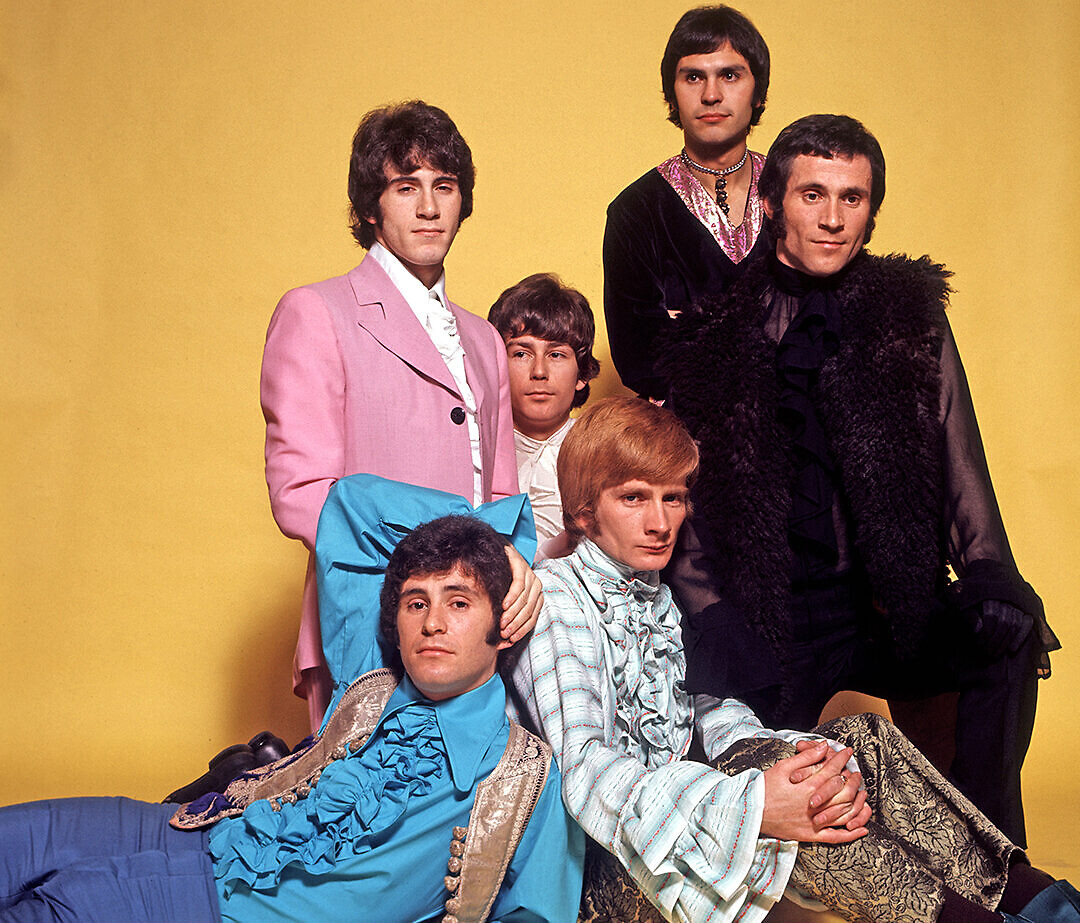
The commitment paid off. Shulman went on to have popular records with bands Simon Dupree and the Big Sound, notably with hit single Kites in 1967. This was followed up by the more proggy band Gentle Giant. In both instances, he was performing alongside his brothers Phil and Ray. Sister Eve was musically talented too but not encouraged in the same way as her male siblings. She did, however, team up and do some songwriting for her brothers.
It wasn’t all hard work, though. During one pause in recording at Abbey Road Studios, Shulman and a bandmate couldn’t resist jumping on a bed left by John Lennon and Yoko Ono. Unfortunately for them, the Beatle and his partner walked in on them and were none too impressed.
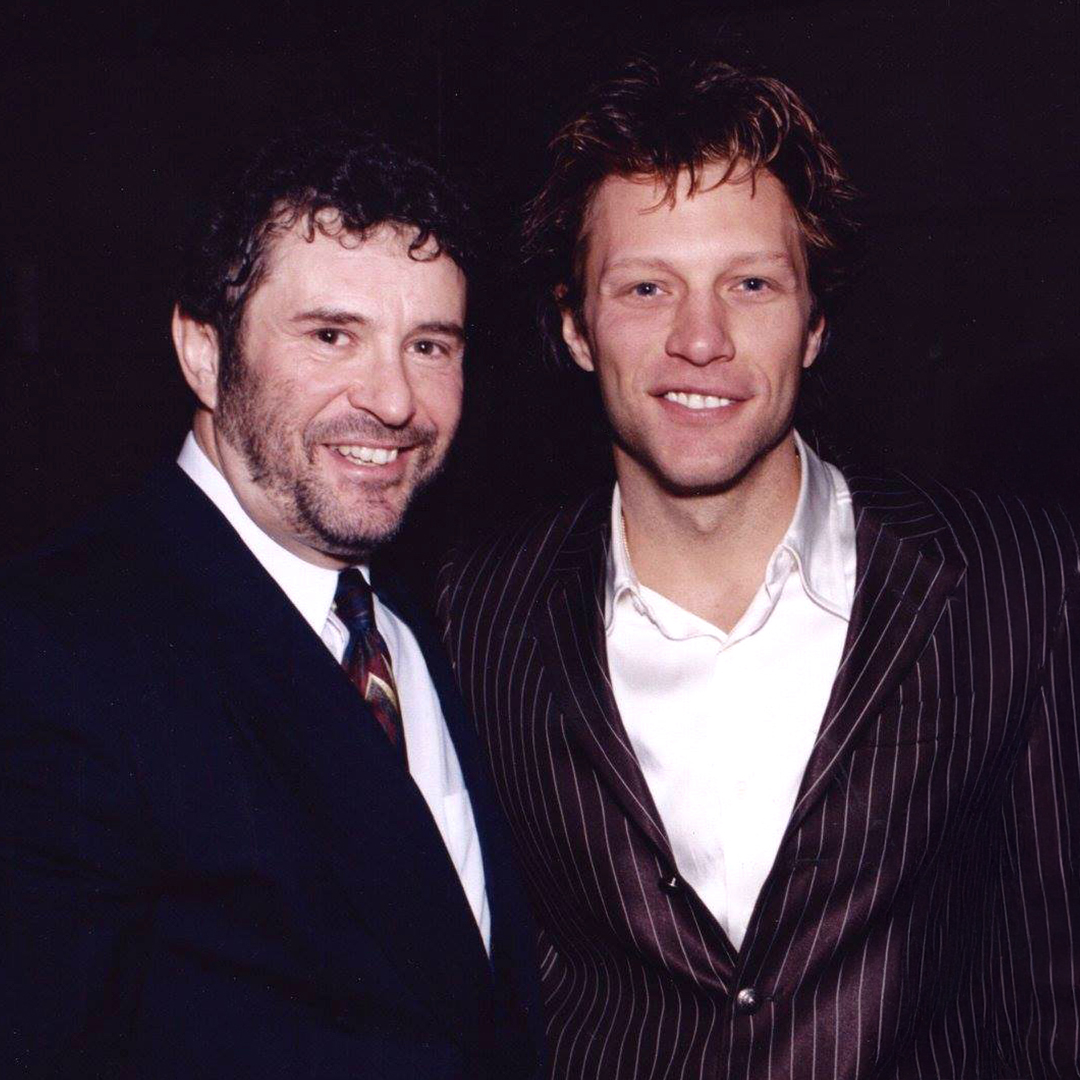
Having performed for years, Shulman then went on to oversee the careers others. The first band he signed when he crossed into the corporate ranks was a band from New Jersey. They were called Bon Jovi.
“Who is it and what is it you want to be?” At one meeting, Shulman asked singer Jon at one meeting.
“He just had a new single that was out and I was basically his mentor in certain respects as well as signing him. And he looked at me square in the eye without any blinking and said, he wanted to be as big or bigger than Elvis.”
Whether the rocker ever quite reached those heights is a debate for another time, but Shulman’s guidance certainly set him on the path to global superstardom.
Shulman has also worked with other hugely successful bands such as Pantera and Slipknot (both personal favourites of this writer!) as an executive. Of heavy metal band Pantera, he says: “I became a fan after three songs.”
It’s not just hits like Livin’ on a Prayer or Wanted Dead or Alive that Shulman was looking for though. There is a certain something that drove him to support the bands he did. “All the bands that I worked with were authentic,” he explains. “They weren’t followers. They were leaders in their field, whatever genre you were in, whether it was Bon Jovi or Pantera or Slipknot or [progressive metallers] Dream Theater – whoever they were, they were leaders.”
Shulman went on to lead the renowned rock and metal label Roadrunner, so we can add Killswitch Engage and Nickleback to the list of bands he has collaborated with as well.
As an executive Shulman also helped mastermind AC/DC’s legendary show in Moscow and massive Bon Jovi records. Yet those moments are not his personal career highlights. “On a scale of one to 10, they’re nine,” he says, reflecting. “But I remember a show that Gentle Giant did in LA in 1976. That was a 10, where we were on fire as a band and we played two encores, and the audience wouldn’t let us off the stage.”
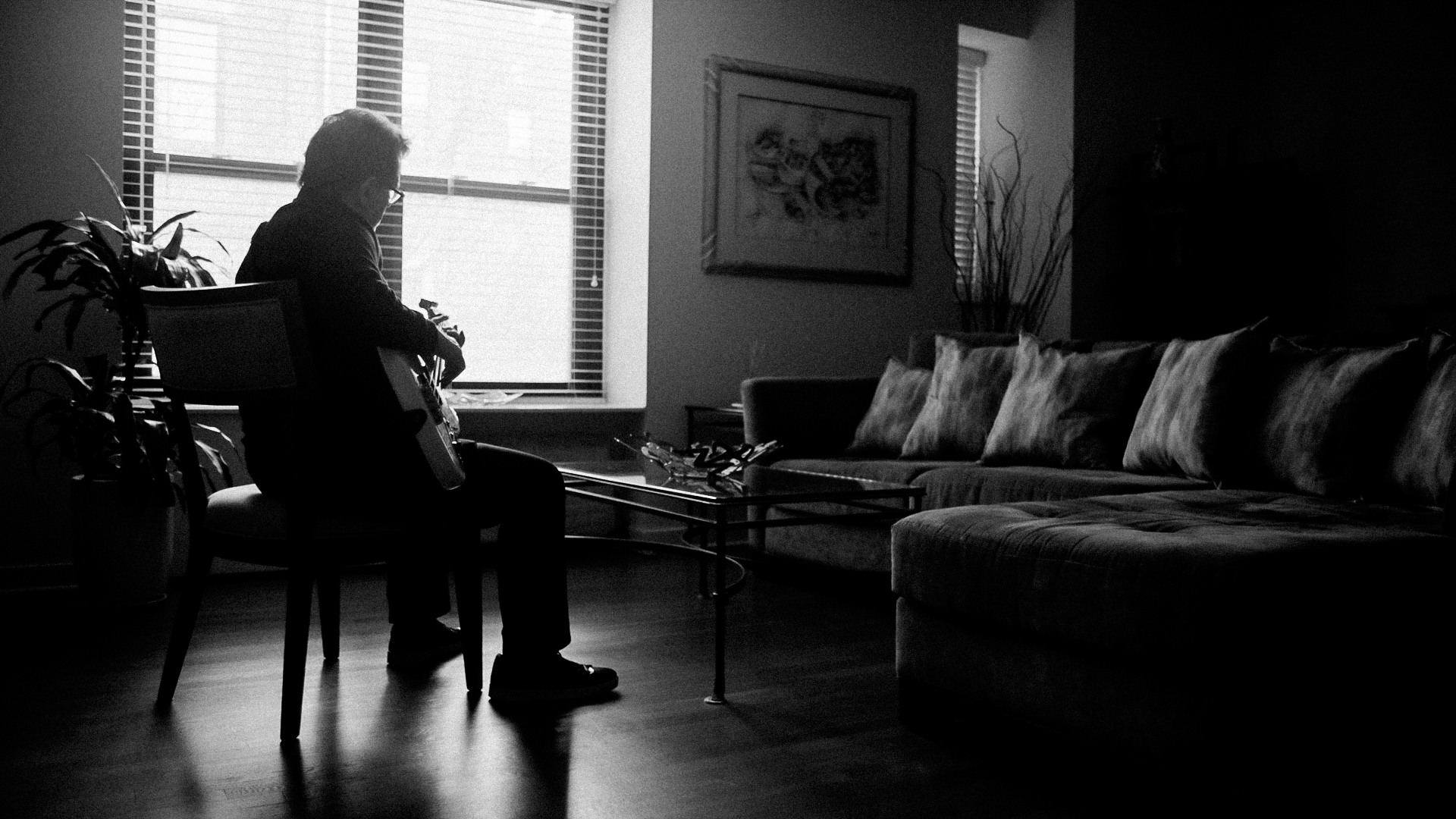
He may have taken giant steps in his life, but deep down Derek Shulman is still the kid from a close Jewish family who wants to pick up his guitar and play in front of as many people as he can, just like his dad.

Keep community journalism free.
Jewish News is free for everyone. No paywall. No barriers. Just trusted journalism for anyone who wants to stay connected to Jewish life in Britain.
If you value that, please support us.
From as little as £5 a month, you can help keep our journalism free and accessible to all.
Every day, we report on the issues that matter to our community. We celebrate achievements, support charities, challenge antisemitism and ensure Jewish voices are heard more widely.
From as little as £5 a month, you can help us continue to:
- Report on the stories shaping Jewish life in the UK and beyond
- Bring our community together through shared stories, events and campaigns
- Celebrate the people, culture and moments that define our community
- Support organisations doing vital work across Jewish Britain
You can make a one-off donation or become a regular supporter. Every contribution helps keep our journalism free, independent and accessible to all.
If everyone who values Jewish News gave a small amount, it would make a real difference to our future.