Prefer Jewish News on Google
Mohammed Hijab clashes with barrister in libel case against Douglas Murray
Influencer in witness box in Royal Courts of Justice libel case involving the Spectator magazine and its associate editor
Social media personality Mohammed Hijab appeared in the witness box at the Royal Courts of Justice on Monday in a libel case he has brought against the Spectator magazine and its associate editor, Douglas Murray.
Hijab, who has 1.28 million YouTube subscribers and lives in St John’s Wood –where he told the court he had many “Jewish friends and neighbours” – is suing the magazine and Murray over an article published in September 2022. The article, it is alleged, suggested Hijab had aggravated racial tension between Muslims and Hindus in Leicester, which led to violent riots in the city that summer.
Hijab claims the article caused him reputational damage and lost him financial deals as a result. He also claims it caused him “to suffer damage to his reputation, distress, humiliation, embarrassment, hurt and injury to his feelings”.
The Spectator and Murray, however, say that as a public figure who has regularly engaged in controversial actions, Hijab’s behaviour is already subject to scrutiny. Any “adverse consequences” to the YouTuber stem from his own behaviour, not the article, lawyers for the magazine and Murray state.
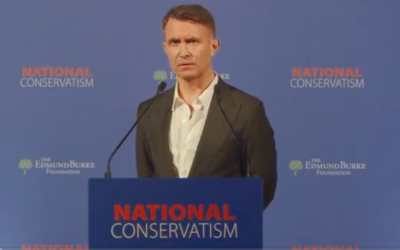
Although Murray’s article focused on what happened in Leicester in the summer of 2022, his barrister, William Bennett KC, instructed by Mark Lewis of Patron Law, chose to direct his questioning of Hijab in relation to his appearances at two events over the weekend of May 22 and 23 2021 — first in Golders Green on Saturday and the next day outside the Israeli embassy.

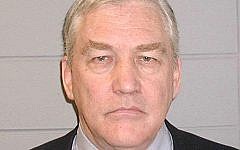
Mr Bennett, closely questioning Hijab about his reasons for going to Golders Green on the Jewish Sabbath, was told: “I wasn’t paying any attention to it being the Sabbath. It wasn’t at the forefront of my mind.”
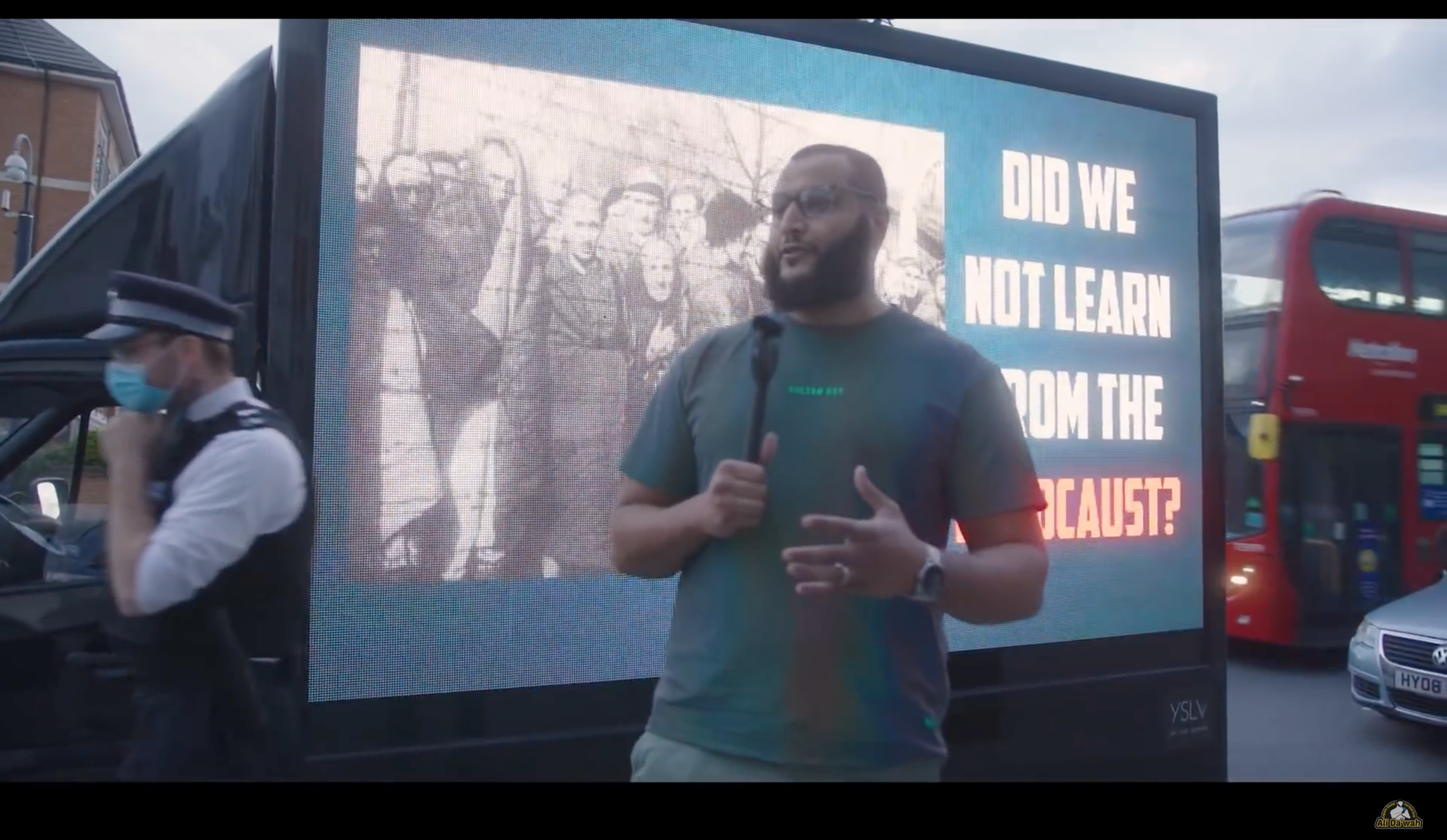
He insisted that photos showing him next to a van covered with images of dead or wounded Palestinian children, together with a Holocaust image, were not of his making. “It was not my van. I’m not responsible for everything that takes place in the perimeter of where I am standing.”
A billboard beside the van bore the question: “Did we not learn from the Holocaust?” above images of the Shoah, interspersed with photographs from the Israel-Gaza conflict.
Hijab repeatedly asked Jewish passers-by their views on Israel.
He later told Mr Bennett that he had chosen to go to Golders Green — which he did not accept had a majority Jewish population — “because I was told that if you want to find the Zionists, you should go to Golders Green.”
Hijab added: “I can acknowledge that [going there] was an injudicious and provocative thing to do, but I reject the allegation that I was stoking antisemitism. I wouldn’t go back to Golders Green to do the same thing again.”.
He said he had condemned antisemitism “multiple times on the public record”, and made a distinction between Jews and Zionists. His YouTube video of the event was entitled “Muslims confront radical Israelis”.
He had, he claimed, gone to Golders Green in order to engage in conversation with people about what was happening in Israel. He accused some in his vicinity of “laughing” at the images of dead Palestinians.
At one point, during Mr Bennett’s questioning of his actions outside the Israeli embassy on the day after the Golders Green event, Hijab accused the barrister of “a failure to understand the English language” because he [Bennett] did not accept his responses. “I completely object to this line of questioning,” Hijab complained.
In riots in Leicester in the summer of 2022, Hijab travelled to the city to address a group of mainly masked men. Hindu-owned buildings had been attacked and many arrests had been made.
Hijab told the crowd: “I’m saying this directly to all the so-called Hindutva wannabe gangsters: Don’t ever come out like that again”. He also led calls of “Allahu Akbar”. Hindutva is understood to be a far-right extremist Hindu nationalist group and lawyers for the Spectator and Murray now accept that Hijab was referring to them, rather than all Hindus.
Murray – who declined to attend the court hearing – had written that Hijab had “cropped up” in Leicester to “whip up his followers” and that he had told the crowd: “Hijab claimed that the Hindus must live in fear because they have been reincarnated as such ‘pathetic, weak cowardly people'”.
Hijab was represented by Mark Henderson, while Greg Callus was the barrister for the Spectator.
The case, heard by Mr Justice Johnson, continues and is expected to conclude later this week.

Keep community journalism free.
Jewish News is free for everyone. No paywall. No barriers. Just trusted journalism for anyone who wants to stay connected to Jewish life in Britain.
If you value that, please support us.
From as little as £5 a month, you can help keep our journalism free and accessible to all.
Every day, we report on the issues that matter to our community. We celebrate achievements, support charities, challenge antisemitism and ensure Jewish voices are heard more widely.
From as little as £5 a month, you can help us continue to:
- Report on the stories shaping Jewish life in the UK and beyond
- Bring our community together through shared stories, events and campaigns
- Celebrate the people, culture and moments that define our community
- Support organisations doing vital work across Jewish Britain
You can make a one-off donation or become a regular supporter. Every contribution helps keep our journalism free, independent and accessible to all.
If everyone who values Jewish News gave a small amount, it would make a real difference to our future.