Prefer Jewish News on Google
Netanyahu admits Israel faces global ‘blockade’ as critics blame failed policy
PM says Qatar leading drive to isolate Israel, vows to build self-reliance in arms industry
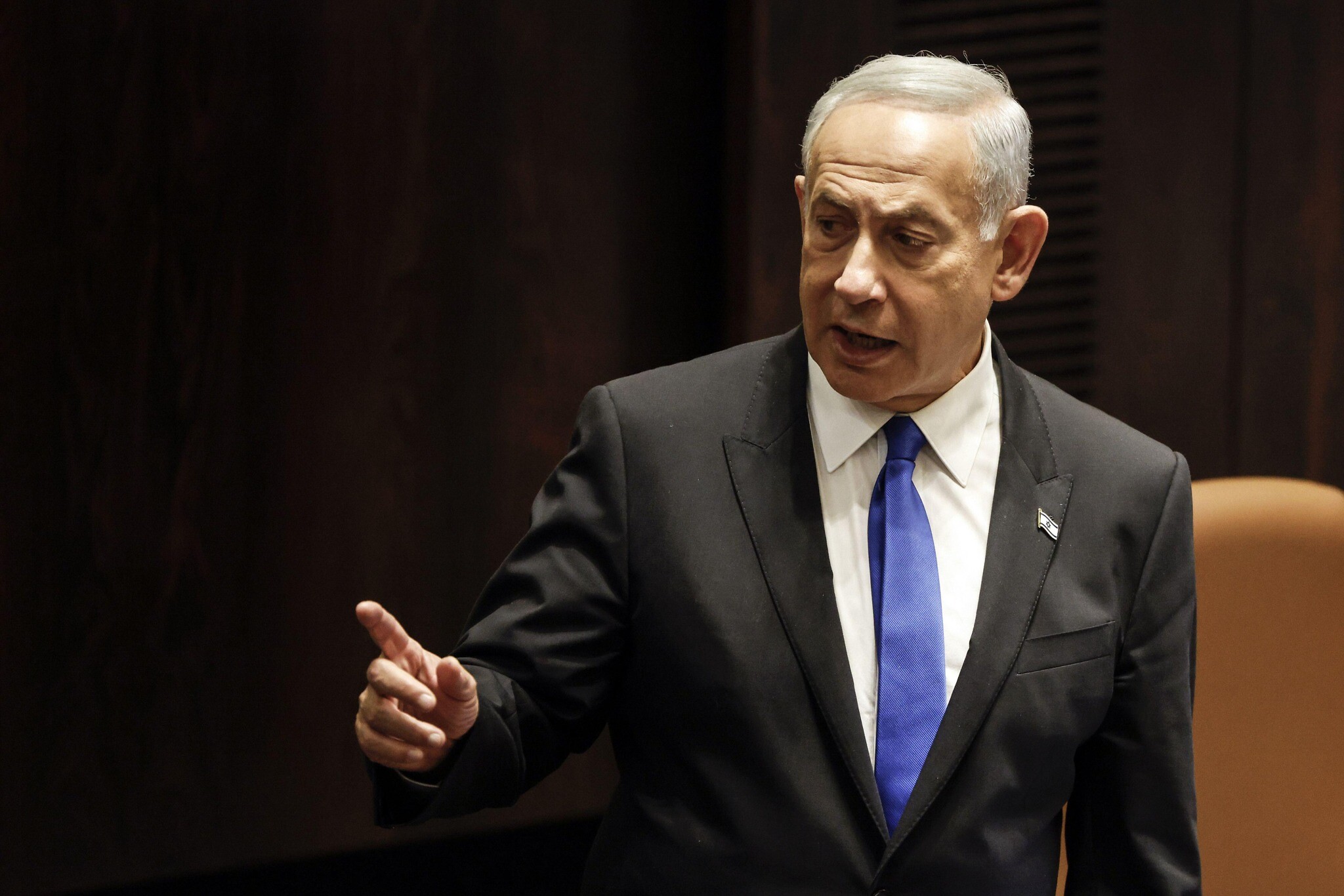
Benjamin Netanyahu has warned Israel is entering a period of “isolation” led by Qatar and hostile states, urging the country to brace for a tougher economic reality and greater reliance on its own weapons industry.
Speaking at a finance ministry conference in Jerusalem on Monday, the prime minister said Israel “must adapt to an economy that has autarkic characteristics,” becoming more self-sufficient as European governments restrict arms sales and consider sanctions over the Gaza war.
“There is currently an attempt to impose a blockade on Israel by various entities and countries, led by Qatar,” Netanyahu told the Jerusalem Post. He said the campaign included “a media blockade funded by vast sums of money from Qatar and other countries, such as China.”
Netanyahu insisted Israel would not be broken: “The intention is to impose a blockade on us, similar to the one Iran imposed, hoping it would destroy us. We broke through that barrier, and everyone can see it. We are fighting this, investing significant funds, and resources to counter this aspect of the blockade.”
But he admitted the crisis could last for years. “We’ll need to develop our weapons industry – we’re going to be Athens and super Sparta combined. We have no choice,” he said.


The comments mark one of Netanyahu’s starkest acknowledgements of the scale of Israel’s international backlash since launching the Gaza campaign nearly two years ago. The war has left Israel facing partial or complete arms embargoes from France, the UK, Spain, Italy, and the Netherlands. The US remains its primary supplier, with the Trump administration lifting a Biden-era delay on heavy bomb shipments.
Critics accused Netanyahu of turning Israel into a pariah through failed leadership. Opposition leader Yair Lapid dismissed the warnings as “a crazy statement,” saying: “Isolation is not a decree of fate; it is a product of misguided and failed policies of Netanyahu and his government. They are turning Israel into a third-world country and are not even trying to change the situation.”
Former IDF chief Gadi Eisenkot was equally scathing, warning: “There will be no second chance to repair the damage caused by him and his partners who abandoned the hostages and isolated Israel in the world.”
Netanyahu has blamed “an extreme Islamist agenda” and Qatari influence over European governments for Israel’s predicament. He said hostile states were investing heavily in shaping global discourse online, adding: “This situation threatens us with the beginnings of economic sanctions and problems importing weapons and weapon parts.”
Even as he sounded the alarm, Netanyahu struck an upbeat note on the economy, declaring Israel’s stock market “the strongest in the world” and urging foreign investors not to lose faith. Finance Minister Bezalel Smotrich backed him, pointing to falling inflation and continued market growth despite the war.
Netanyahu also appeared alongside US Secretary of State Marco Rubio, who praised Israel’s “friendship” with Washington and criticised France, Canada, and Australia over moves to recognise a Palestinian state ahead of this month’s UN General Assembly.
For Netanyahu, the message was clear: Israel must rely on its own strength. “We are Athens and Sparta, or perhaps Super-Sparta. We have no choice,” he said.

Keep community journalism free.
Jewish News is free for everyone. No paywall. No barriers. Just trusted journalism for anyone who wants to stay connected to Jewish life in Britain.
If you value that, please support us.
From as little as £5 a month, you can help keep our journalism free and accessible to all.
Every day, we report on the issues that matter to our community. We celebrate achievements, support charities, challenge antisemitism and ensure Jewish voices are heard more widely.
From as little as £5 a month, you can help us continue to:
- Report on the stories shaping Jewish life in the UK and beyond
- Bring our community together through shared stories, events and campaigns
- Celebrate the people, culture and moments that define our community
- Support organisations doing vital work across Jewish Britain
You can make a one-off donation or become a regular supporter. Every contribution helps keep our journalism free, independent and accessible to all.
If everyone who values Jewish News gave a small amount, it would make a real difference to our future.