New A-Gender: ‘When people abuse the get process, there are sanctions’
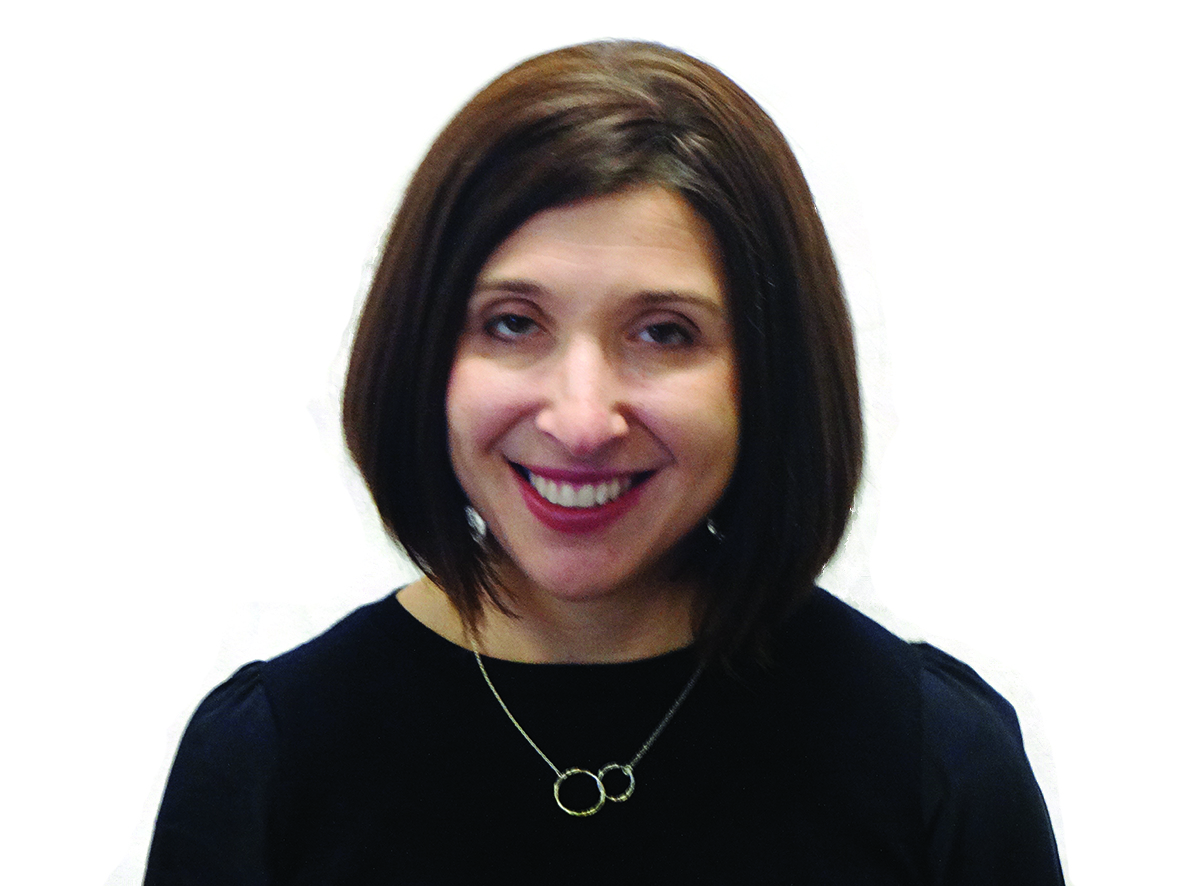
 by Joanne Greenaway

Since I started work at the Beth Din as a get caseworker, I’ve been asked many questions, most commonly: Why do people refuse the get (the Jewish divorce), is it just the men who refuse and what can you do about it? “Why do they say no?” is perhaps the hardest to answer.
The reasons are endless and each case is complex. They range from denial about the relationship breakdown to jealousy and anger at a perceived unfair settlement to resentment, to fundamental misuse of control. Although long-term get refusers are invariably men, contrary to common perceptions, it is not just men who delay the get process or use it as a bargaining tool.
Neither party can remarry Orthodox without a get. Rather than a partisan advocate for women, my role is neutral, providing support and guidance to parties, both of whom are going through what can be a deeply stressful and emotional process of divorce.
We provide professional advice and treat every case as a matter of urgency for that individual.
So, they ask: “What can you do?”, “Surely you can force them?” or, for the lawyers: “Do you really have any jurisdiction?”
The get is a private arrangement that cannot be forced or imposed and a coerced get is a real concern. But we live in a community and many of the most effective sanctions we have are communal sanctions. We are increasingly using different ways to implement sanctions. As the largest Beth Din in the country, we receive applications from across the religious spectrum and tailor our response accordingly, from a poster campaign in shtiebels in Golders Green and notices circulated to Batei Din worldwide, to newspaper adverts and demonstrations.
For United Synagogue members, we can implement regulations allowing us to withdraw membership, including burial rights. We must use our creativity and our energy and work with the tools of our age. Whereas in Rambam’s time it was encouraged to beat someone until he gave the get, this is no longer acceptable or legal. Moreover, social sanctions introduced in the 12th century were particularly effective when Jews lived in insular communities with limited mobility.
However, today we have the gift of social media and a global community that makes publicity a reality at the click of a button. We aim to allow people to move on with dignity intact, but those who abuse the process should know that strong action will be taken.
• Joanne Greenaway is a lawyer and London Beth Din get caseworker

Keep community journalism free.
Jewish News is free for everyone. No paywall. No barriers. Just trusted journalism for anyone who wants to stay connected to Jewish life in Britain.
If you value that, please support us.
From as little as £5 a month, you can help keep our journalism free and accessible to all.
Every day, we report on the issues that matter to our community. We celebrate achievements, support charities, challenge antisemitism and ensure Jewish voices are heard more widely.
From as little as £5 a month, you can help us continue to:
- Report on the stories shaping Jewish life in the UK and beyond
- Bring our community together through shared stories, events and campaigns
- Celebrate the people, culture and moments that define our community
- Support organisations doing vital work across Jewish Britain
You can make a one-off donation or become a regular supporter. Every contribution helps keep our journalism free, independent and accessible to all.
If everyone who values Jewish News gave a small amount, it would make a real difference to our future.