Prefer Jewish News on Google
Next chief Lord Wolfson warns entry-level jobs are becoming harder to find
The retail veteran says rising costs and weaker growth are squeezing hiring opportunities for younger workers
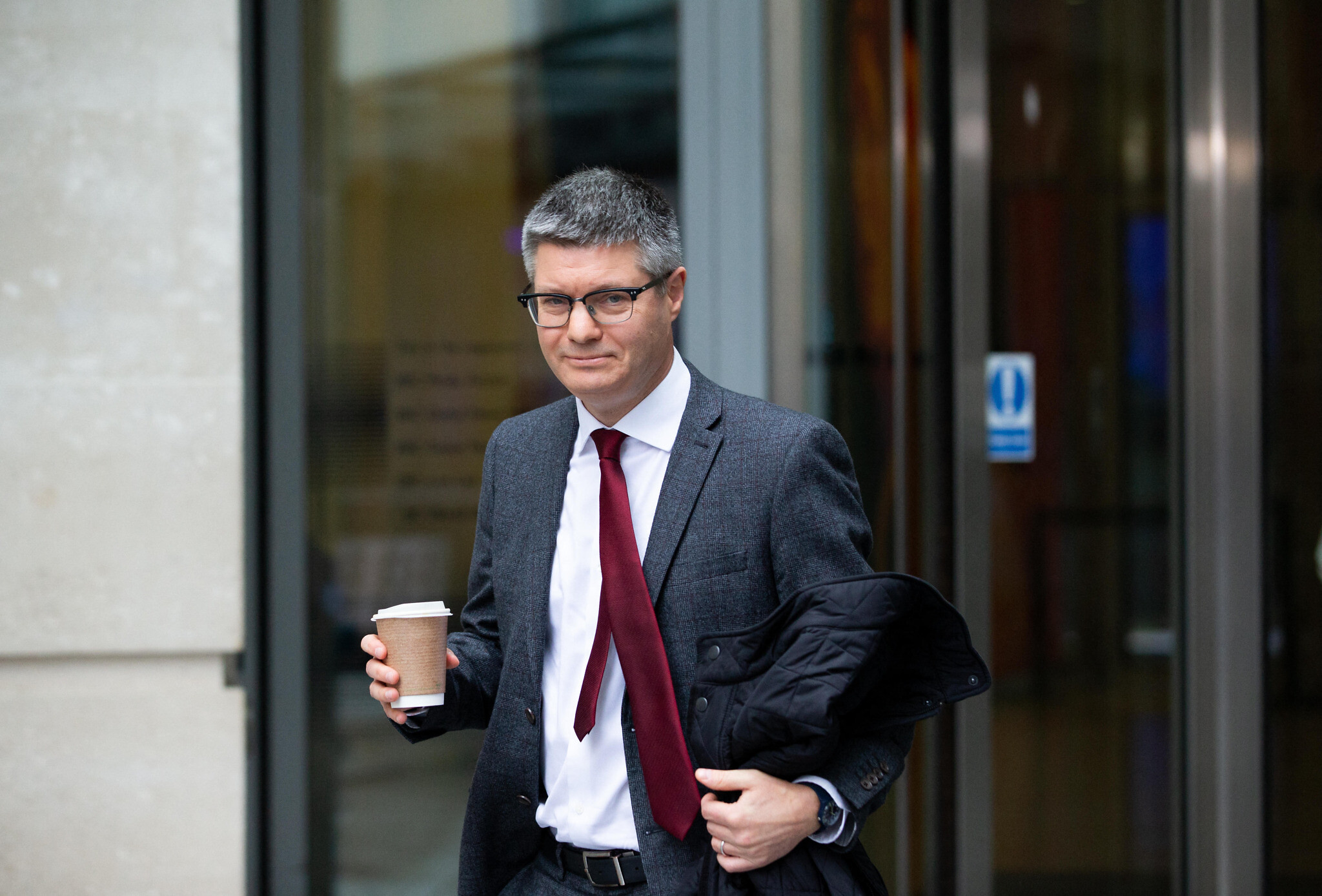
Next chief executive Lord Simon Wolfson has warned of a “dramatic fall” in entry-level job opportunities across Britain, as rising employment costs and weaker economic growth put pressure on retailers and other employers.
The long-serving retail boss said the number of applicants for shop-floor roles at Next had almost doubled in just two years, highlighting what he described as a growing “crisis” in youth unemployment.
Speaking to the BBC, he said: “Two years ago we would have had around 10 applicants for every shop job. Now we have around 19.
“That doubling of applicants for shop jobs is indicative of just how big the crisis is in youth unemployment at the moment.”
Lord Wolfson said younger workers were being disproportionately affected by a slowdown in hiring, with those lacking experience often the first to lose out when businesses cut back.
“Youth unemployment is really a symptom of wider problems with employment in the economy,” he said.
“If you’ve got fewer jobs, the people who suffer most are the people with the least experience and that is the youngest.
The comments come amid growing concern over the number of young people out of work. Latest figures show unemployment among 16 to 24-year-olds has climbed to 16.2 per cent – its highest level in almost a decade and more than three times the wider unemployment rate.
Lord Wolfson also criticised rising employment costs, including increases in employer National Insurance contributions and minimum wage rises, which he said were making it harder for retailers to create lower-paid and part-time jobs.
He warned that incoming changes under the government’s Employment Rights Act, including restrictions on zero-hours contracts, could further reduce flexibility for retailers reliant on seasonal staffing.
“You can’t afford to have the same number of people in your shop in February as you have around Christmas,” he said.
“That’s going to be bad news for colleagues who want extra hours, particularly students.”
The government has defended the reforms, saying they would provide workers with greater security and predictability, while the Treasury said higher minimum wages had boosted pay for more than 200,000 young workers.
Lord Wolfson, who joined Next as a shop-floor sales assistant in Kensington in 1991 before becoming chief executive in 2001, is widely regarded as one of Britain’s most influential retail leaders. He was made a Conservative life peer in 2010.
Under his leadership, Next has evolved from a traditional high street clothing chain into one of the UK’s strongest retail success stories, combining stores, online operations and brand acquisitions while many rivals struggled or collapsed.
The company has snapped up or taken stakes in a string of brands in recent years, including Joules, FatFace, Cath Kidston, Reiss and Made.com, helping cement its position as one of the biggest survivors of Britain’s rapidly changing retail landscape.
Next recently upgraded its full-year profit forecast to £1.2 billion after first-quarter sales rose 6.2 per cent.
Lord Wolfson rejected suggestions that profitable retailers were prioritising shareholders over workers.
“When people talk about a company making a billion pounds, they assume that’s somehow a person with a billion pounds in their pocket.
“But the nature of public companies is that we are owned by hundreds of thousands of savers whose savings are often very modest.”
He said the government should focus less on labour market intervention and more on broader economic growth, including planning reform, infrastructure and energy policy.
“All of these things are holding the economy back and if government could just take its foot off the brakes, we could have a much, much faster growing economy.”

Keep community journalism free.
Jewish News is free for everyone. No paywall. No barriers. Just trusted journalism for anyone who wants to stay connected to Jewish life in Britain.
If you value that, please support us.
From as little as £5 a month, you can help keep our journalism free and accessible to all.
Every day, we report on the issues that matter to our community. We celebrate achievements, support charities, challenge antisemitism and ensure Jewish voices are heard more widely.
From as little as £5 a month, you can help us continue to:
- Report on the stories shaping Jewish life in the UK and beyond
- Bring our community together through shared stories, events and campaigns
- Celebrate the people, culture and moments that define our community
- Support organisations doing vital work across Jewish Britain
You can make a one-off donation or become a regular supporter. Every contribution helps keep our journalism free, independent and accessible to all.
If everyone who values Jewish News gave a small amount, it would make a real difference to our future.