Prefer Jewish News on Google
Nigerian textbooks include antisemitic tropes and distortions of Jewish history, report finds
New analysis by IMPACT-se reveals troubling inconsistencies in how Nigerian students are taught about Jews, Israel, the Holocaust and minorities
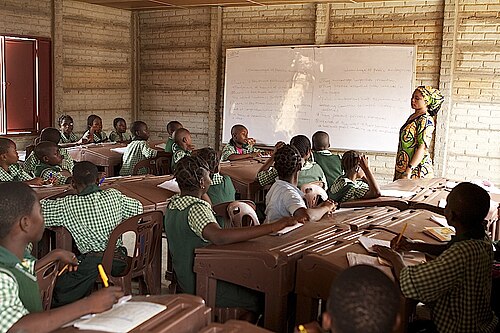
Nigeria’s school curriculum promotes messages of peace and diversity – but also includes antisemitic stereotypes, historical inaccuracies about Israel, and a failure to meaningfully recognise the Holocaust’s impact on Jews, a new report has warned.
Published by Israeli education watchdog IMPACT-se, the 70-page analysis examines more than 40-state-approved textbooks used in Nigerian schools from primary to secondary level. The findings show a “mixed portrayal”, according to the researchers, with progressive content on democracy, tolerance and human rights undermined by derogatory portrayals of Jews, contradictions in religious texts, and widespread stigmatisation of LGBTQ+ people and women.
IMPACT-se CEO Marcus Sheff said: ‘Africa is the world’s fastest-growing continent and Nigeria is its most populous country. The education that Nigerian children receive today will shape not only the country’s future, but by extension, the continent’s. What is being taught in Nigerian classrooms is the foundation of the country’s future global positioning, including its relationship with Israel and the Jewish people.”
He added: “As Israel forges new partnerships across the globe, it is essential that we have a clear understanding of how Nigeria and other African countries are educating the next generation about Jewish history, identity, and Israel. This report is an important step towards achieving this goal.”
This study, based on UNESCO-derived standards for peace and cultural tolerance, praises efforts to promote pluralism and highlights references to Nigeria’s Igbo and Jewish community. Yet it identifies harmful content in both Christian and Islamic religious studies materials.

Some Islamic Studies textbooks refer to Jews positively as “People of the Book” and trace shared ancestry through the prophets Isaac and Ishmael. However, others group Jews with “hypocrites and idol-worshippers”, with no explanation or historical context.
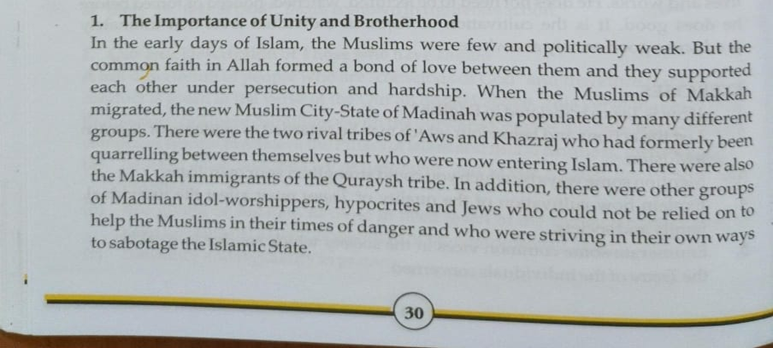
Source: Islamic Studies, Grade 12
In Christian Religious Studies, while certain books affirm Jewish continuity through stories like the Exodus and the return to Jerusalem, others echo antisemitic theology. One Grade 10-12 text blames Jews for Jesus’s death by emphasising the “Jewish trial” for “blasphemy”, reinforcing notions of collective guilt. Another claims Jesus labelled his disciple Judas “the devil”.
The Holocaust, meanwhile, is only referenced superficially, with no mention of the genocide’s Jewish victims. In contrast, a textbook aimed at younger pupils includes a section on Igbo identity and its possible links to ancient Israelite tribes, acknowledging the presence of self-identified Igbo Jews in Nigeria.
Israel is occasionally depicted in a positive light. A modern economics textbook highlights the Jewish state’s parliamentary system as a model of governance alongside the UK. But other books contain historical inaccuracies – such as maps of “Palestine at the time of Christ” or describing Abraham’s migration to “Palestine” instead of Canaan. A Christian Religious Studies book claims “Israel did not exist again as a nation” after the Babylonian exile – a view later contradicted in the same text, which affirms the rebuilding of the Temple in Jerusalem.
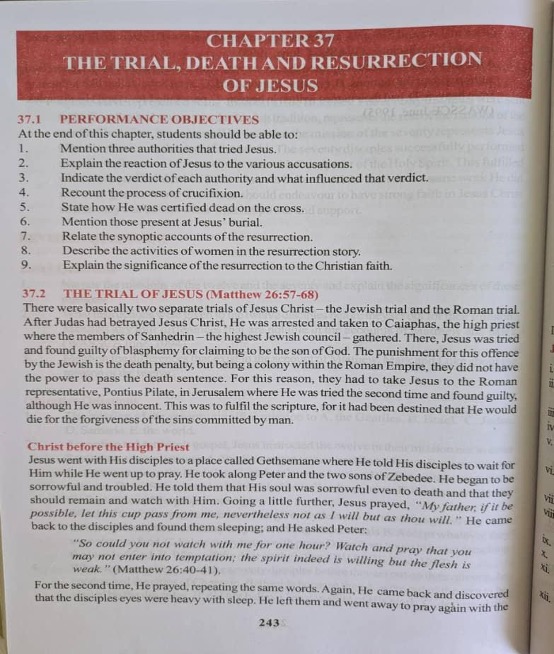
Source: Essential Christian Religious Studies textbook, Grade 10-12
Beyond Jewish and Israeli themes, the report highlights broader issues. Some textbooks promote interfaith respect and condemn gender-based violence, forced marriage and female genital mutilation. However, others include harmful stereotypes: a Grade 10 English textbook quotes an Indian proverb claiming, “Educate a woman and you put a knife in the hands of a monkey.”
LGBTQ+ people are repeatedly described as “immoral” or as symbols of “corruption”. Minority religions are sometimes labelled “cults” and migrants referred to as “economic saboteurs”.
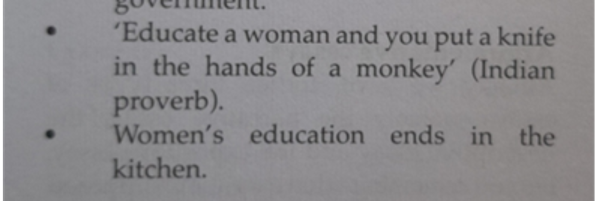
Source: English, Grades 10
Despite these contradictions, IMPACT-se says it is committed to constructive dialogue. “We will work alongside decision-makers in Nigeria to implement (the report’s) recommendations,” said Sheff. “Education matters – not just for Nigeria’s development, but for the future of global understanding and cooperation.”
The full report is available here.

Keep community journalism free.
Jewish News is free for everyone. No paywall. No barriers. Just trusted journalism for anyone who wants to stay connected to Jewish life in Britain.
If you value that, please support us.
From as little as £5 a month, you can help keep our journalism free and accessible to all.
Every day, we report on the issues that matter to our community. We celebrate achievements, support charities, challenge antisemitism and ensure Jewish voices are heard more widely.
From as little as £5 a month, you can help us continue to:
- Report on the stories shaping Jewish life in the UK and beyond
- Bring our community together through shared stories, events and campaigns
- Celebrate the people, culture and moments that define our community
- Support organisations doing vital work across Jewish Britain
You can make a one-off donation or become a regular supporter. Every contribution helps keep our journalism free, independent and accessible to all.
If everyone who values Jewish News gave a small amount, it would make a real difference to our future.