Prefer Jewish News on Google
No Hate in the Mosh Pit
As antisemitism raged at Glastonbury - Ozzy Osborne's farewell was a safe space for this heavy metal fan
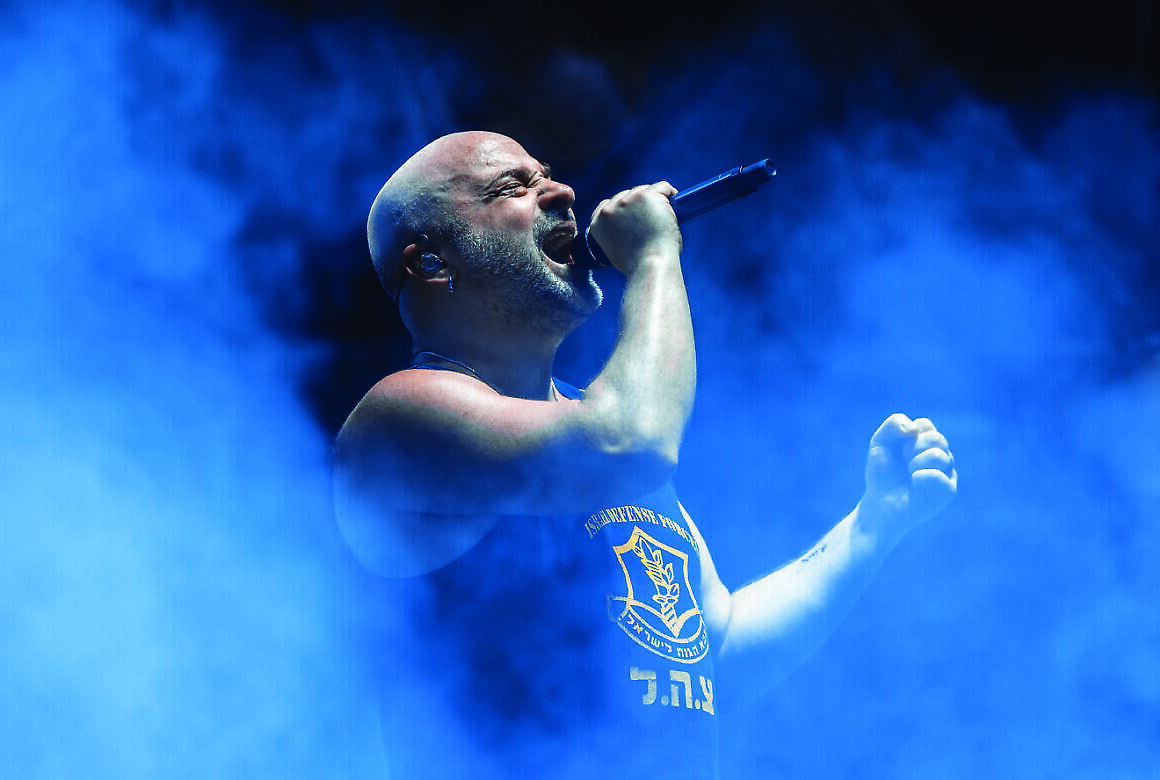
David Draiman can appear terrifying. The bald head, the long leather coat, the guttural roar at the start of Down With the Sickness — it’s menace for show. But behind the image lies something else entirely. The Disturbed frontman has become one of the most outspoken Jewish voices in music, using his platform to call out antisemitism and stand up for Israel. Since October 7, Draiman has been relentless on social media, in interviews and on stage. At one show, he led thousands in a rendition of Hatikvah. At another, he strode out defiantly in a black top with a Magen David across his chest.
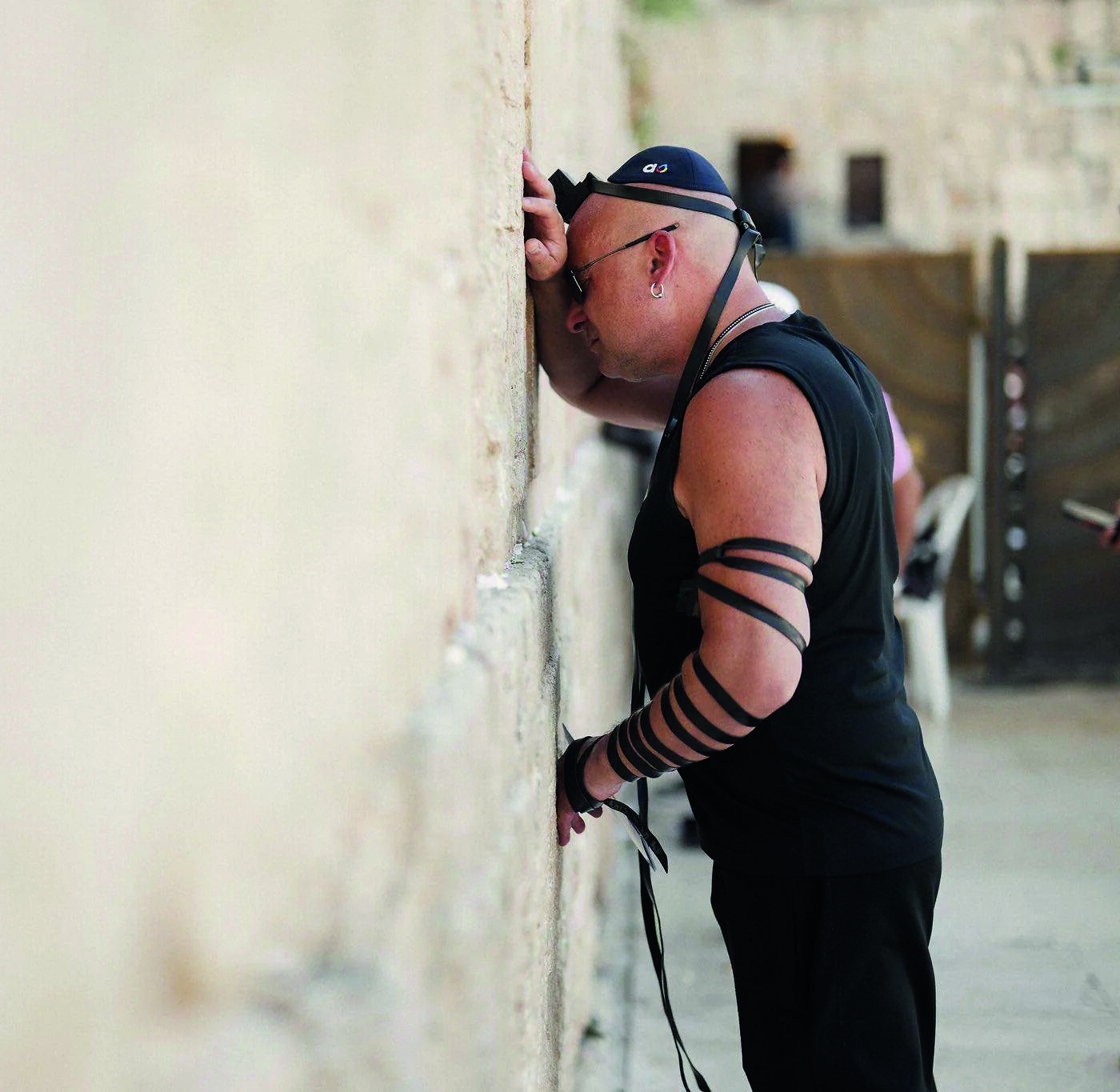
There have been moments of backlash – anger online after he signed shells for the Israel Defense Forces (IDF) – but he remains unshaken. For fans like me, seeing someone in heavy metal proudly Jewish, proudly pro-Israel, is powerful. It’s why I feel so safe in this scene.
That feeling was especially strong last month at Blackstock 2025. While you might pick up a few bruises in the mosh pit, one thing you generally don’t have to worry about at a heavy metal gig is anti-Israel hate.
At Catton Park in Derbyshire in August, the front of the crowd was a flailing mass of bodies swirling and limbs colliding. Some people were hurled towards the barriers in front of the stage, where muscular security guards grabbed them to bring them back to Earth. But I only saw one person with a Palestinian flag draped over his shoulders and, upsettingly, Bob Vylan’s sick IDF quote on a toilet door. But beyond that, nothing.
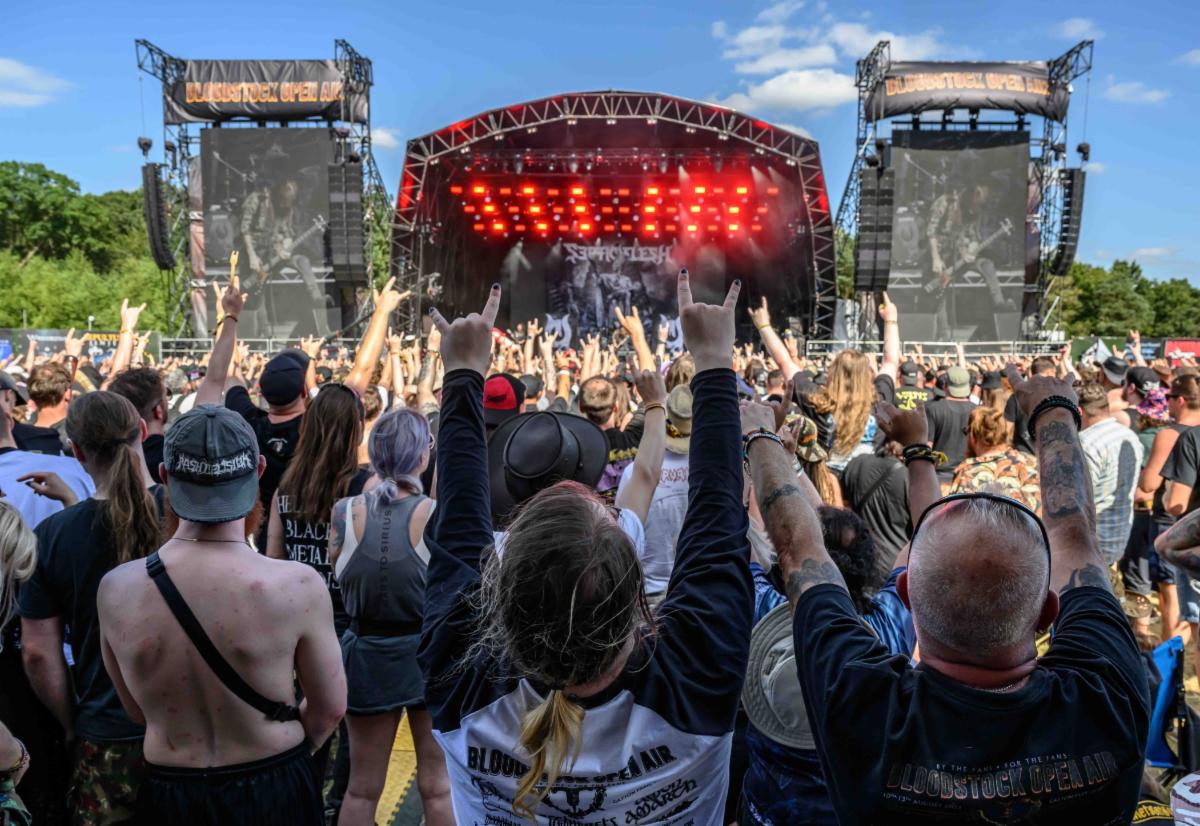
No stage speeches, no organised hate, no chant of “from the river to the sea”. I felt safe being a Jew at Blackstock. I even bought bracelets from a vendor with a Hebrew tattoo. The annual heavy metal extravaganza might have an unpleasant-sounding name, but it’s pure fun to attend. Some of the biggest metal bands on the planet took to the stage to perform their songs, not to wave flags and shout about a war in another part of the world.


This is a huge contrast to what has been going on in other music scenes and what we see at mainstream festivals. Glastonbury was full of anti-Israel sentiment led by a fame-seeking faux rasta no one had heard of until that day.
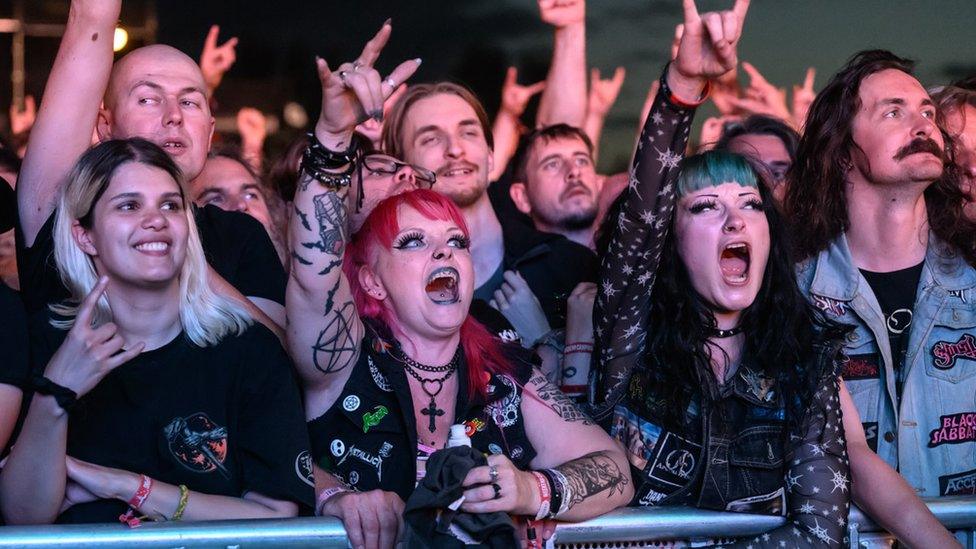
Heavy metal can look frightening – the studs, the leather, the furious vocals, but it’s one of the safest fandoms around. Big burly men in metal-studded belts and leather jackets make sure the likes of me are kept safe. People pick you up if you get knocked down. You chat to strangers at the portable loos. There is a mutual respect between fans that comes from the crowd generally being made up of outsiders, the kids who were told
they were weirdos at school.
Of course, the scene has shadows. Certain black metal offshoots are tainted by Nazi sympathies, and the graffiti at Blackstock suggests some of that poison could creep in. But, by and large, the atmosphere remains welcoming for Jews like me.
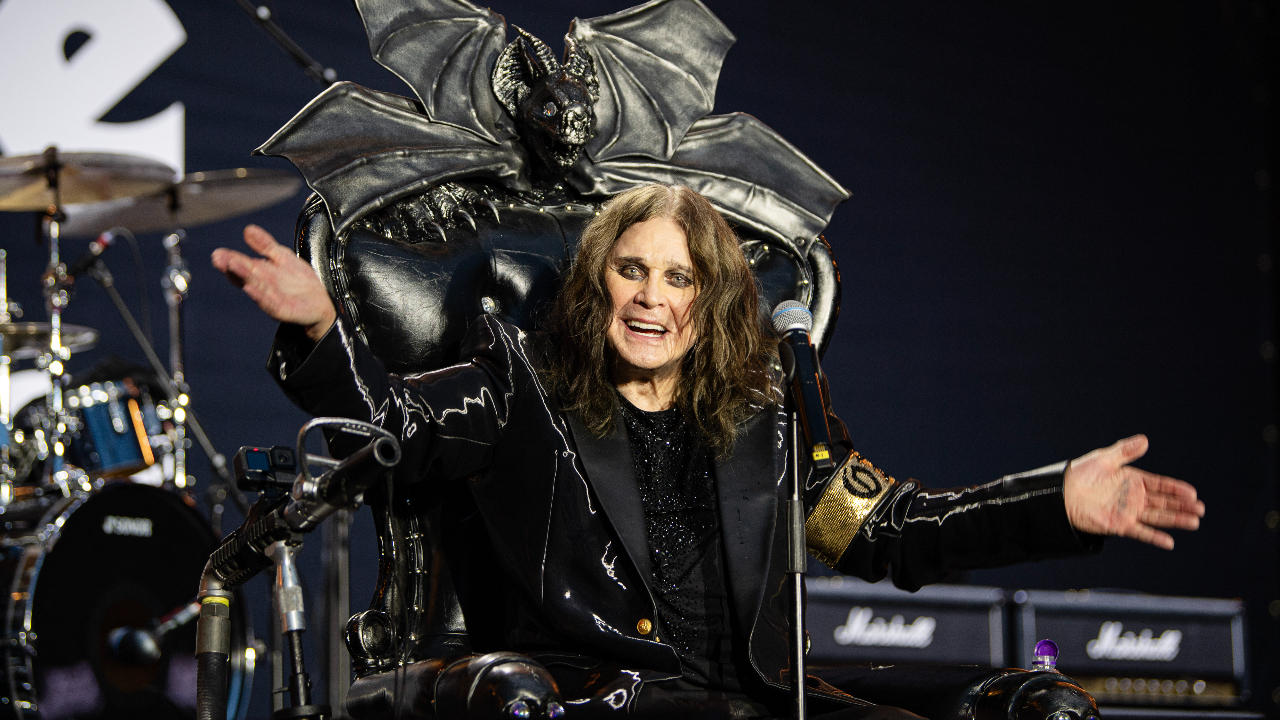
The memory of Ozzy Osbourne, the godfather of metal and co-creator of Black Sabbath, hung over Blackstock. His death in July was still raw. The first thing I saw when I arrived was his face looming from giant screens, a tribute wall scrawled with memories of The Prince of Darkness.
Almost every band mentioned Ozzy who, through his wife Sharon, was a strident Israel supporter and he performed there in spite of boycott calls. He even signed an open letter earlier this year demanding an inquiry into “systemic bias against Israel” at the BBC. Absurdly, the only boos at his last ever Black Sabbath concert at Villa Park in July were when David Draiman took the stage.
Metal is not the only genre of music I like that has proud Jewish figures. Saul Milton, better known as Chase in the drum ’n’ bass act Chase and Status, can usually be seen wearing a chai necklace while performing the duo’s hits and has long spoken about his Jewish pride.
Music has always had a political element. Artists and their work are powerful drivers of social change. But sometimes you just want a good singalong (or scream-along in the case of heavy metal) and some escapism. We don’t go to see live music to be lectured.
Attending the giant Oasis reunion tour at Wembley stadium was a pleasure because the Gallaghers understood the assignment. There were 65,000 people there for a massive party, not to listen to a monologue on the future of Gaza.
“Hello, hello, well it’s good to be back,” sang Liam in his inimitable, snarly fashion, kicking off a joyous two hours. His job was to be a rock ’n’ roll star, not a wannabe analyst on a region half the world away. It meant that, if only for an evening, everything was okay.
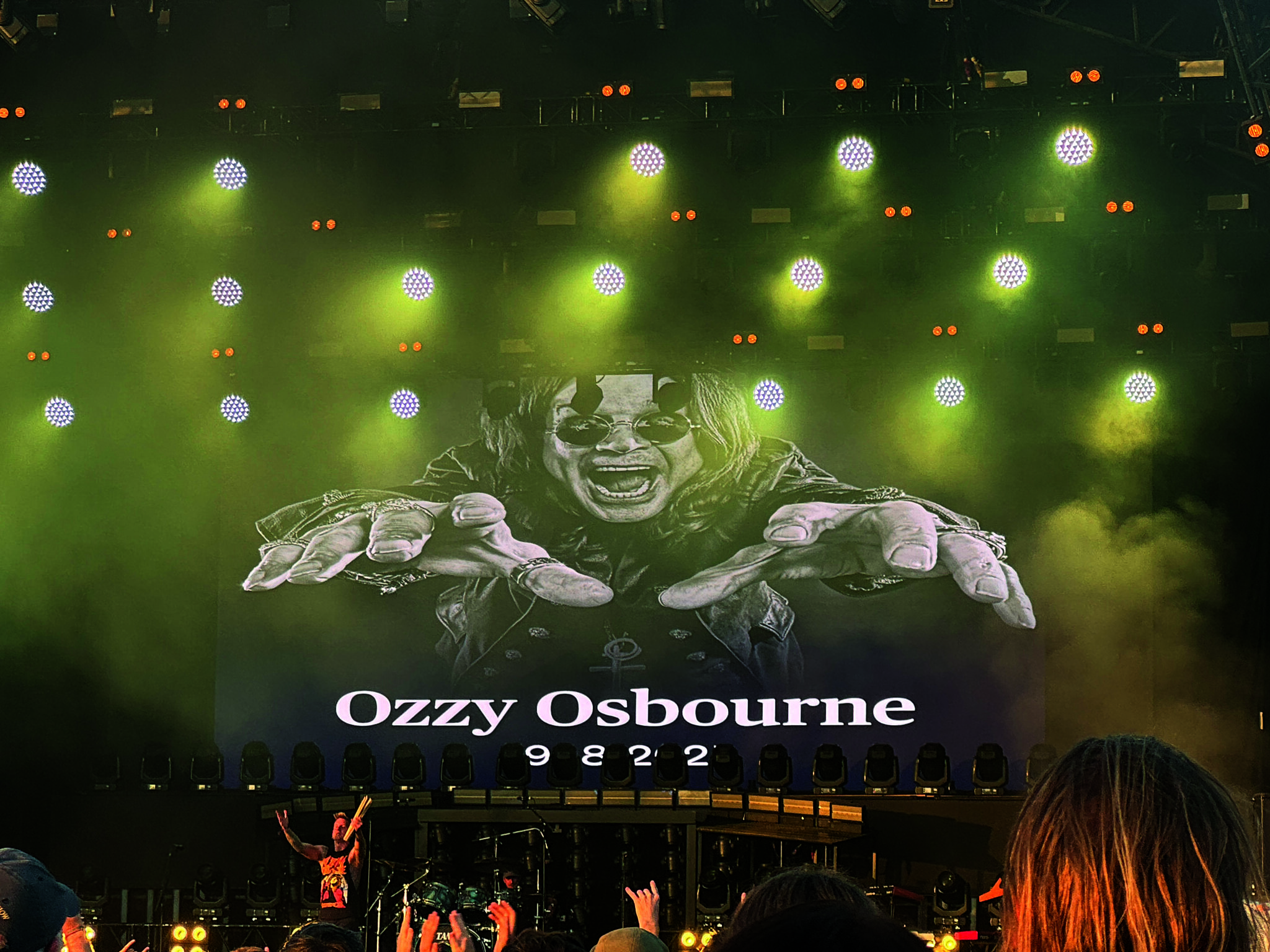 It felt the same in the middle of that Derbyshire field, too. The Blackstock weekend was filled with very heavy music and very little politics. No doubt people in the crowd had all manner of opinions on all sorts of issues, but they were irrelevant. The focus was on drinking beer, jumping around to bands and having a great time as part of a community upon which others often look down.
A sense of solidarity is one of the things making heavy metal such a wonderful thing to be a part of and I had tremendous fun headbanging at Blackstock. But my mind did periodically drift to the Nova festival and the 378 who went and never returned home. I felt so privileged to be safely doing what they had wanted to do on that world-altering day in October 2023.
It is the most grotesque of ironies that some artists have used festival platforms to sympathise with the attackers rather than the slain. Thankfully, that was not the case at Blackstock. Long may it continue.

Keep community journalism free.
Jewish News is free for everyone. No paywall. No barriers. Just trusted journalism for anyone who wants to stay connected to Jewish life in Britain.
If you value that, please support us.
From as little as £5 a month, you can help keep our journalism free and accessible to all.
Every day, we report on the issues that matter to our community. We celebrate achievements, support charities, challenge antisemitism and ensure Jewish voices are heard more widely.
From as little as £5 a month, you can help us continue to:
- Report on the stories shaping Jewish life in the UK and beyond
- Bring our community together through shared stories, events and campaigns
- Celebrate the people, culture and moments that define our community
- Support organisations doing vital work across Jewish Britain
You can make a one-off donation or become a regular supporter. Every contribution helps keep our journalism free, independent and accessible to all.
If everyone who values Jewish News gave a small amount, it would make a real difference to our future.