Prefer Jewish News on Google
Nvidia opens expanded Beersheva AI hub as Israel investment grows
The world's most valuable company has officially opened its major research hub in the southern city, with plans to hire hundreds more engineers as it continues to deepen its investment in Israel's AI ecosystem

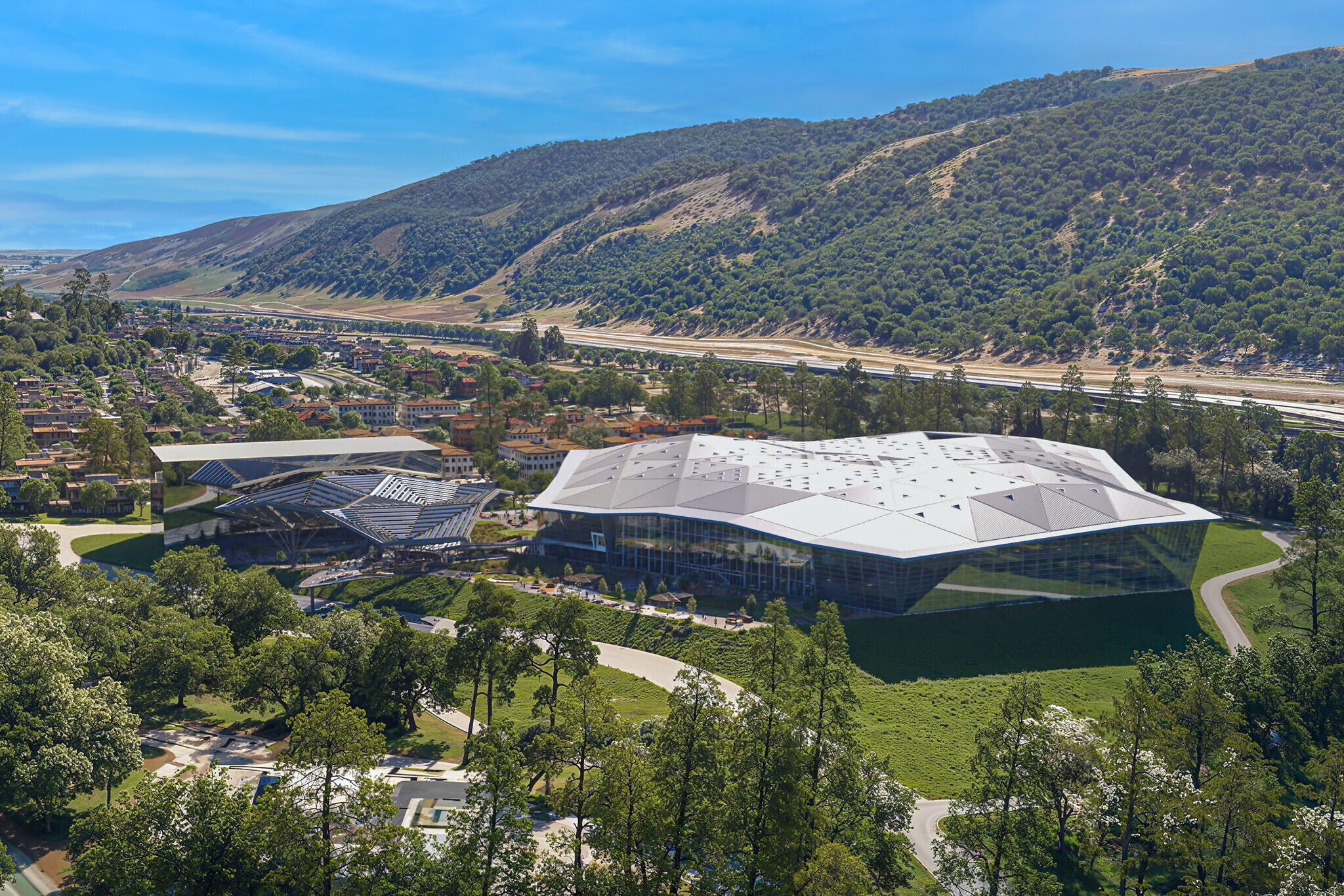
AI chip giant Nvidia has officially inaugurated its expanded research and development centre in Beersheva, tripling the site’s capacity as the world’s most valuable company continues to deepen its investment in Israel and strengthen one of its largest engineering hubs outside the United States.
The new R&D facility, located in the Gav-Yam High-Tech Park, is around three times the size of Nvidia’s previous offices in the southern city and will serve as a base for teams developing the hardware and software technologies that underpin the company’s AI infrastructure.
The centre is home to engineers working on high-speed networking and communications technologies that connect thousands of chips and processors inside the data centres used to train and run advanced artificial intelligence models.
Nvidia said it plans to recruit hundreds of additional employees for the Beersheva site over the coming years. The company now employs more than 6,000 people across five research and development centres in Israel, making it one of the country’s largest private technology employers.
Amit Krig, Senior Vice President and Head of NVIDIA’s R&D centre in Israel, said: “The R&D centre in Beer Sheva was established more than a decade ago out of a deep belief in local talent and in the connection between academia, innovation, and industry.” He added that the new site “underscores our commitment to the technology ecosystem in the south, to empowering young students, to continuing to nurture the next generation of engineers, and to developing breakthrough technologies that place NVIDIA’s activity in Israel at the heart of the AI revolution.”
The Beersheva site is Nvidia’s southernmost R&D centre in Israel and joins its operations in Yokneam, Tel Aviv, Ra’anana and Tel Hai. It is also the company’s largest research and development centre in Israel’s periphery, underscoring its continued investment beyond the country’s central technology hubs.
The opening marks the latest milestone in Nvidia’s expanding presence in Israel, which has become one of the company’s most important global research and development bases since its acquisition of Israeli networking specialist Mellanox in 2020.
Earlier this year, Nvidia announced plans for a major new campus in northern Israel that is expected to become its largest site outside the United States, capable of accommodating up to 10,000 employees.
The inauguration ceremony, which took place on Monday, was attended by Nvidia executives, including Krig and senior vice president of networking chip design Tamir Azarzar, alongside Beersheva mayor Ruvik Danilovich, who described the expansion as a significant vote of confidence in the city’s growing role as a centre for innovation and artificial intelligence.

Keep community journalism free.
Jewish News is free for everyone. No paywall. No barriers. Just trusted journalism for anyone who wants to stay connected to Jewish life in Britain.
If you value that, please support us.
From as little as £5 a month, you can help keep our journalism free and accessible to all.
Every day, we report on the issues that matter to our community. We celebrate achievements, support charities, challenge antisemitism and ensure Jewish voices are heard more widely.
From as little as £5 a month, you can help us continue to:
- Report on the stories shaping Jewish life in the UK and beyond
- Bring our community together through shared stories, events and campaigns
- Celebrate the people, culture and moments that define our community
- Support organisations doing vital work across Jewish Britain
You can make a one-off donation or become a regular supporter. Every contribution helps keep our journalism free, independent and accessible to all.
If everyone who values Jewish News gave a small amount, it would make a real difference to our future.