Prefer Jewish News on Google
NYT amends Gaza starvation story after it is shown child had severe illness
The New York Times updated a front-page report after Israeli officials said a Gazan child cited as a starvation victim had cerebral palsy and genetic disorders

The New York Times has amended a widely circulated article on starvation in Gaza after it emerged that a child featured in the piece – photographed with his mother and brother – suffers from severe pre-existing medical conditions.
Mohammed Zakaria al-Mutawaq, who was described in the original report as acutely malnourished, has cerebral palsy and additional genetic illnesses that affect his physical appearance, the paper acknowledged in an editorial note added on Tuesday.
“We have since learnt new information, including from the hospital that treated (Mutawaq) and his medical records, and have updated our story to add context about his pre-existing health problems,” the NYT wrote.
The clarification followed pressure from Israel’s Consulate in New York, which said it contacted the newspaper directly to provide medical details. A photo of the child – whose real name is also transliterated as Muhammad Zakariya Ayyoub al-Matouq – had spread widely on social media and appeared on the New York Times front page.
Israel Consul General Ofir Akunis condemned the paper’s handling of the story, saying: “It’s unfortunate that the international media repeatedly falls for Hamas propaganda. First they publish, then they verify – if at all.”


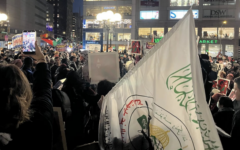
Israel’s Foreign Ministry accused multiple outlets – including the BBC, CNN, and Daily Express – of “using a sick, disabled child to push a narrative of mass starvation,” and released a second photo showing Mutawaq alongside his healthy-looking relatives.
“Without proper disclosure. Without medical context. Without journalistic ethics,” the ministry stated in a post on X.
The controversy has reignited debate over wartime reporting and the risk of employing manipulated or context-stripped imagery. The Foreign Ministry called the NYT’s correction “just the beginning” of a broader effort to counter what is described as a Hamas-led “propaganda of horrors.”
Further questions have emerged over claims about Mutawaq’s father, reportedly killed while “seeking for food.” Independent journalist David Collier challenged that version, alleging the man was killed in an Israeli strike targeting Hamas activity on al-Qassabeeb Street in Jabaliya. Collier cited video footage released by Hamas of fighters operating in the area that same week.
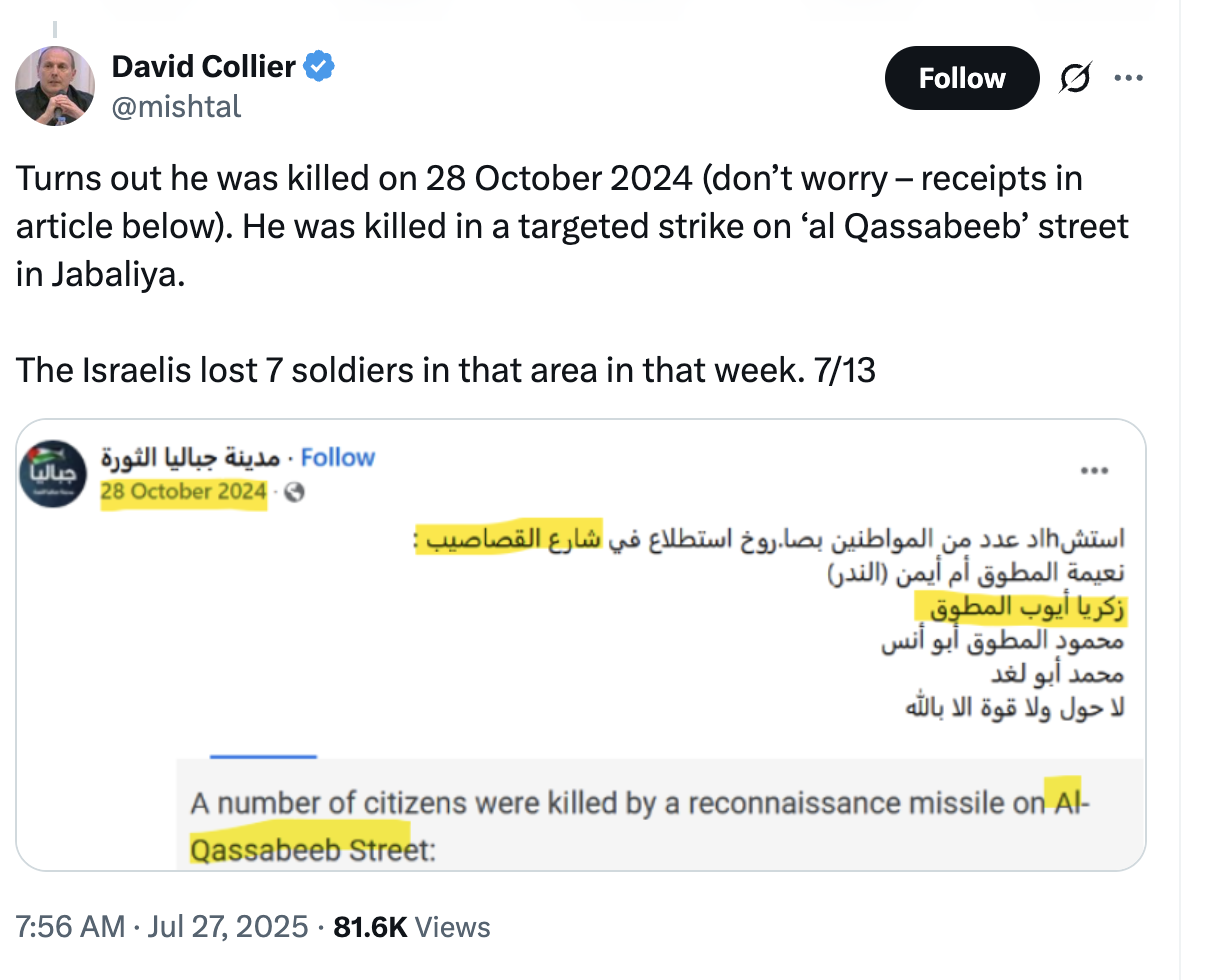 Collier said: “This is a propaganda war – and images like this are its weapons. The people who suffer are not just Israelis. They’re Palestinians too. And our media has become a vital part of that machine. It isn’t just a journalistic collapse – it’s a moral disgrace.”

Keep community journalism free.
Jewish News is free for everyone. No paywall. No barriers. Just trusted journalism for anyone who wants to stay connected to Jewish life in Britain.
If you value that, please support us.
From as little as £5 a month, you can help keep our journalism free and accessible to all.
Every day, we report on the issues that matter to our community. We celebrate achievements, support charities, challenge antisemitism and ensure Jewish voices are heard more widely.
From as little as £5 a month, you can help us continue to:
- Report on the stories shaping Jewish life in the UK and beyond
- Bring our community together through shared stories, events and campaigns
- Celebrate the people, culture and moments that define our community
- Support organisations doing vital work across Jewish Britain
You can make a one-off donation or become a regular supporter. Every contribution helps keep our journalism free, independent and accessible to all.
If everyone who values Jewish News gave a small amount, it would make a real difference to our future.