Prefer Jewish News on Google


On election day, Israelis must choose which story of 7 October their country will tell
The current divide is not simply left versus right; It is about whether the country's leaders should answer to the people.
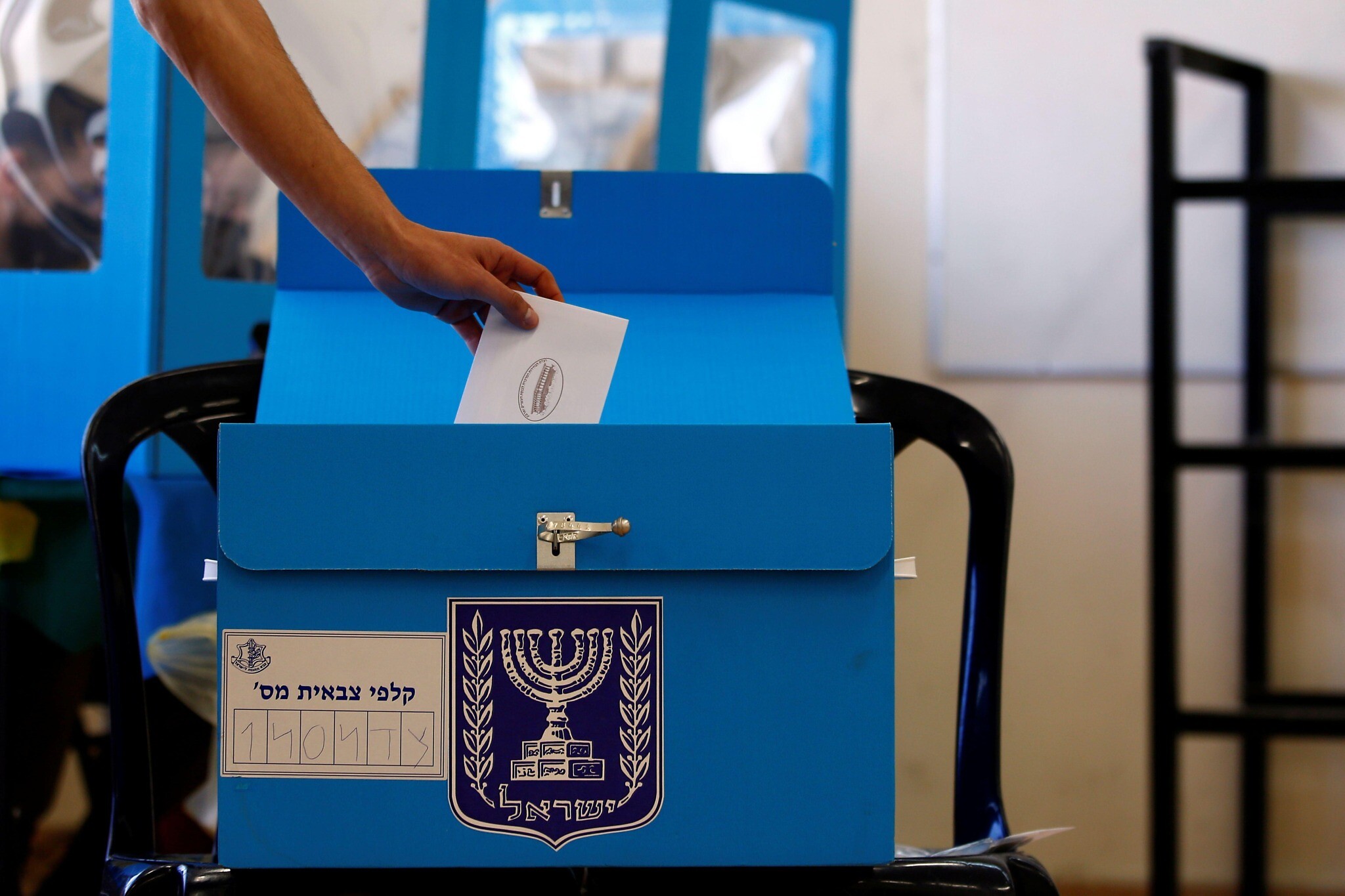
On 27 October, Israelis go to the polls. They will be choosing a government, but they will also be choosing a story.
Three years after the worst day in the country’s history, we still cannot agree on what day it is, and in many ways who we want to be.
On 5 October, the government held its official commemoration. Two days later, on 7 October itself, tens of thousands watched a separate national ceremony, organised by the bereaved families and paid for by citizens through crowdfunding. Generally, remembrance is something the state does not outsource. In Israel, the people who lost the most felt the state does not represent them.
Nor can we agree on what to call the war. Most Israelis still say Swords of Iron, the name the IDF gave it in the first hours. The Prime Minister wants the War of Revival, a name that recasts catastrophe as rebirth. The families’ ceremony called it simply the 7 October War, named for the day the state failed to show up rather than for what came after.
And we cannot agree on how to investigate it. Israel’s answer to national failure has typically been an independent state commission of inquiry, headed by a judge independent of those it examines. That is how we faced the Yom Kippur War. The government prefers a commission shaped by politicians, with coalition and opposition represented. However it is dressed up, those under scrutiny would help choose who scrutinises them. Either way, three years on and there is no commission of enquiry.
It would be easy to dismiss this as symbolism. It is not. Symbols make stories, stories make narratives, and narratives drive a country. Right now, they are driving Israel in different directions.
One story says 7 October was a failure of the state, of its leadership, its intelligence and its assumptions, and that a state which failed its citizens owes them an accounting. The other says it was a failure of the army and the security chiefs, of a “conception” held by everyone except those at the very top, and that the real story begins with the recovery.
That is why the most striking absence of these three years is not a commission or a ceremony, but a single sentence. We still have no clear statement of responsibility from the Prime Minister. Instead, we have had deflection: from the prime minister onto the security establishment, onto the protesters, onto former chiefs of staff. And there has been a persistent attempt to shrink the event to the moment he was woken. The heads of military intelligence, the Shin Bet and the IDF have all said some version of “it happened on my watch.” All except Netanyahu.
This is not a technicality. Responsibility is the foundation of trust between democratic institutions and the citizens. When a general fails, he resigns. Hence the leadership of Israel’s security apparatus have all been replaced or resigned. This seems absolutely right. However, when a Prime Minister fails and argues about the timeline, he teaches a whole society that accountability is for other people.
So what is the choice Israelis face on 27 October?
It is not simply left versus right. Many of the families involved in the ceremony on the 7th come from the heart of the right. So obviously, do many of the soldiers and reservists who have served hundreds of days in Gaza, Lebanon and Syria.
The divide is not about whether Israel should defend itself. It is about whether its leaders answer to the people.
It is a choice between two stories. In one, 7 October is something to be managed: renamed, reframed, minimized, at least by way of direct responsibility. In the other, it is something to be faced, honestly and together, so that a country broken on one day can be rebuilt on a shared truth.
The government’s supporters have said since the first week of the war that governments are changed at the ballot box. They are ostensibly right. But the logic cuts both ways. If this government is returned, the lesson will be unmistakable: a government can preside over the worst failure in the country’s history and feel no necessity to take responsibility, large or small. No family, organisation or company could flourish that way. Certainly not a country like Israel, in the neighbourhood it lives in, where the price of the next failure is paid in lives.
Israelis have shown throughout these three years which story they belong to. Before the high command and government organised their response, thousands of Israelis streamed to the south, later in the civilian war rooms, and then reservists who turned up in record numbers before they were called. And they showed it on 7 October 2026, paying out of their own pockets for the memorial their state would not hold.
On 7 October 2023, the state was AWOL. Three years on, it was missing from the ceremony. The people have been ahead of their leaders at every turn.
On 27 October 2026, they get the choice to make a change of course. Wars are usually named by those who win them. This one should be named by those who vote.
- Daniel Goldman is the founder of The Institute for Jewish and Zionist Research, and former chair of Gesher and World Bnei Akiva. Daniel is the founding partner of Goldrock, a multi-family office, and lives in Israel with Debralee and their 5 children.

Keep community journalism free.
Jewish News is free for everyone. No paywall. No barriers. Just trusted journalism for anyone who wants to stay connected to Jewish life in Britain.
If you value that, please support us.
From as little as £5 a month, you can help keep our journalism free and accessible to all.
Every day, we report on the issues that matter to our community. We celebrate achievements, support charities, challenge antisemitism and ensure Jewish voices are heard more widely.
From as little as £5 a month, you can help us continue to:
- Report on the stories shaping Jewish life in the UK and beyond
- Bring our community together through shared stories, events and campaigns
- Celebrate the people, culture and moments that define our community
- Support organisations doing vital work across Jewish Britain
You can make a one-off donation or become a regular supporter. Every contribution helps keep our journalism free, independent and accessible to all.
If everyone who values Jewish News gave a small amount, it would make a real difference to our future.