Prefer Jewish News on Google

OPINION: Building is easier, success is harder
Waze founder Uri Levine explains why customer attention, trust and a strong team matter more than ever in the world of AI
“Look what I’ve built in two weeks…”
I’m hearing this over and over again, a team of students none of them had any computer programming background have shown me a product that they have built in two weeks. With AI, building something is easier, faster and anyone can.
Building became easier, so also it is going to be easier and faster to become successful, right?
Totally WRONG. Whatever you have built in two weeks, everyone else can do as well. If it becomes easy to build, and anyone can, there will be way more builders.
3 things that become way harder and therefore becoming successful is harder.


- Getting customer/user attention. If there are 100 like you, how you are going to get your customer attention, you are now one out of a 100? Change your mind set, think about your customer or user, not only that they don’t know why you, they don’t even know why and in particular they are being overwhelmed with so many offers that look exactly the same.
- Raising capital. Maybe you don’t need capital to start building, but you definitely will need it in order to build a complete product and in order to go to the market. When we raised money for the first time at Waze, we had a strong team, very powerful story and value proposition (we help drivers to avoid traffic jams) and a prototype running on a PDA (not sure that you even remember what it is…). You probably built yours by yourself, you don’t have a problem led story and the prototype that you’ve built is competing with 100 others.
- Your Moat, your defensive wall. Let’s say that you do start, not only what differentiates you from 100 others, but what will keep that differentiation moving forward and how do you prevent the major labs (Gemini, ChatGPT, Claude etc.) from doing that in their next version?So what is it that you need to do in order to increase your likelihood of being successful?
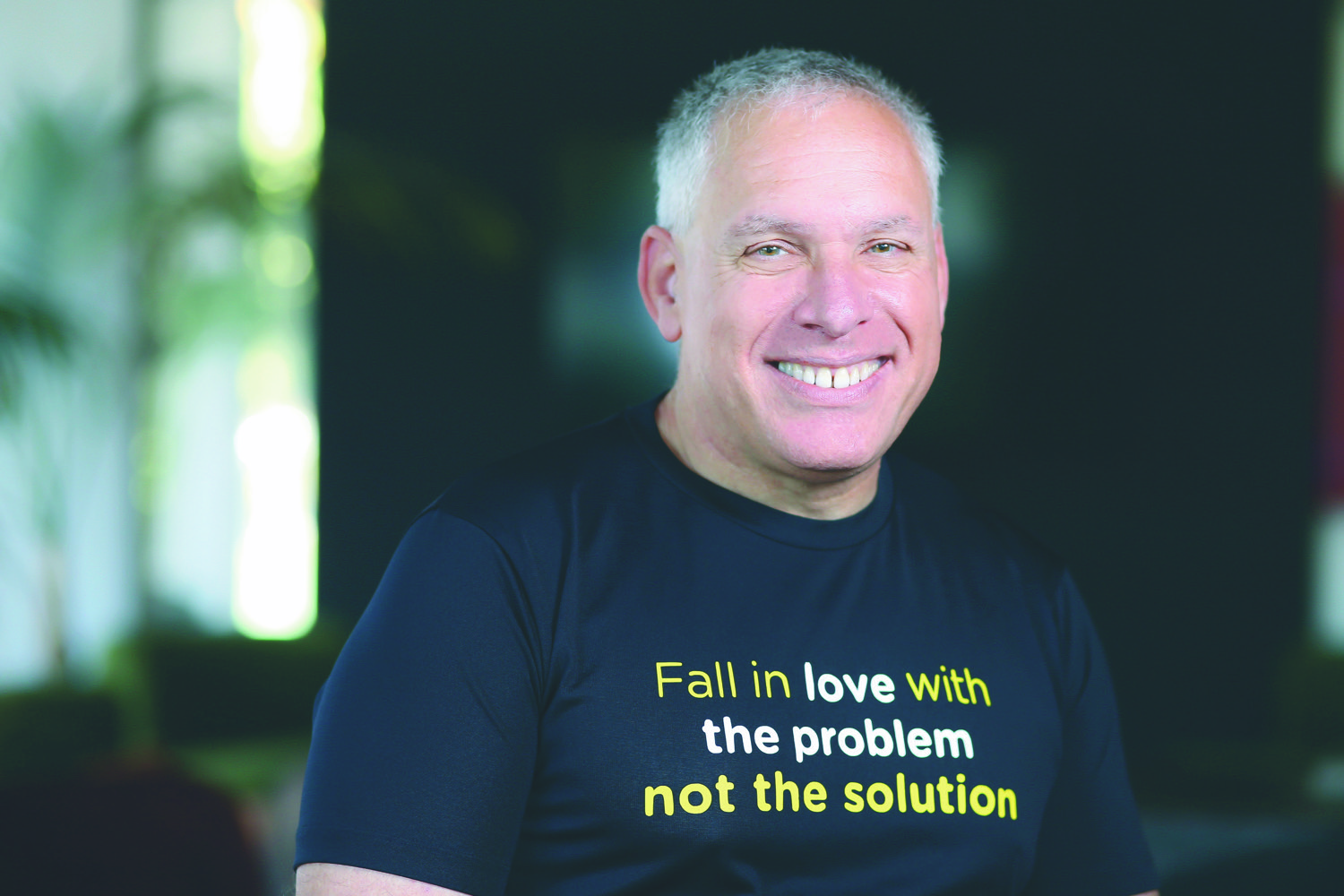
- Start with the problem, Fall in Love with the Problem, not the Solution book is now more important than ever. Imagine that we are in 2007 and I tell you that I’m going to build “an AI crowd source navigation system”, which is exactly what we’ve built. Most like you would be polite and say very interesting – but you don’t care. If I would tell you “I’m going to help you to avoid traffic jams” then you do care. When your customer cares, you have a chance. People don’t care about what you do – they only care about what you do for them. If you want to be relevant, then your story should lead with the pain of your customer – what’s in it for them. Your product then needs to follow that value proposition. Don’t start with building – start with understanding the perception of the problem.
- Moat – what will make you sustainable, and increase your advantage? If you rely on data that is generally available you will be dead sooner than you think. If you tell me you can do research that used to take months in hours so is everyone else. There are 3 moats that matter;
- Unique data – that is unique data that is not publicly available and that data is accumulated over users and usage. If you don’t have unique data, that means I can build the same, but you shouldn’t be worried about me. What it really mean is that it will be available by chatGPT, or Gemini, or Claude for free very soon, and they have the users already.
- Trust – over the last few years of the AI era, we are learning that in many cases it can BS us with confidence. Building trust is challenging and it is being done brick by brick, and destroyed in one shot. Figure out how to create the trust with your customers.
- Emotional or relationship – if you can create emotional engagement with your customers or a strong trusted relationship with them, it is a barrier to entry.
- Raising capital, only after you have demonstrated the following:
- Traction – not only that you know how to get your customers, but also that you create value for them (retention).
- Moat
- Team – a one-man show is not fundable; you will need to show that you have the ability to build strong teams (though they may be small).Before that it will be nearly impossible to raise capital.
-
- Read my book fall in love with the problem, not the solution
- Even better join the https://urilevine.academy/, which will dramatically increase your likelihood of being successful. Team – a one-man show is not fundable; you will need to show that you have the ability to build strong teams (though they may be small).Before that it will be nearly impossible to raise capital.Where should you start?Uri Levine, founder of Waze and a dozen other startups, professor at IE Madrid and TAU, Tel Aviv and author of “Fall in love with the problem, not the solution” and “Simple wins” and founder of https://urilevine.academy/
-

Keep community journalism free.
Jewish News is free for everyone. No paywall. No barriers. Just trusted journalism for anyone who wants to stay connected to Jewish life in Britain.
If you value that, please support us.
From as little as £5 a month, you can help keep our journalism free and accessible to all.
Every day, we report on the issues that matter to our community. We celebrate achievements, support charities, challenge antisemitism and ensure Jewish voices are heard more widely.
From as little as £5 a month, you can help us continue to:
- Report on the stories shaping Jewish life in the UK and beyond
- Bring our community together through shared stories, events and campaigns
- Celebrate the people, culture and moments that define our community
- Support organisations doing vital work across Jewish Britain
You can make a one-off donation or become a regular supporter. Every contribution helps keep our journalism free, independent and accessible to all.
If everyone who values Jewish News gave a small amount, it would make a real difference to our future.