Prefer Jewish News on Google
OPINION: Five years on, the lessons of the Labour EHRC report must not be forgotten
Political parties of the centre left and centre right must always be vigilant in monitoring their own borders – extremes on each flank at points will seek to infiltrate
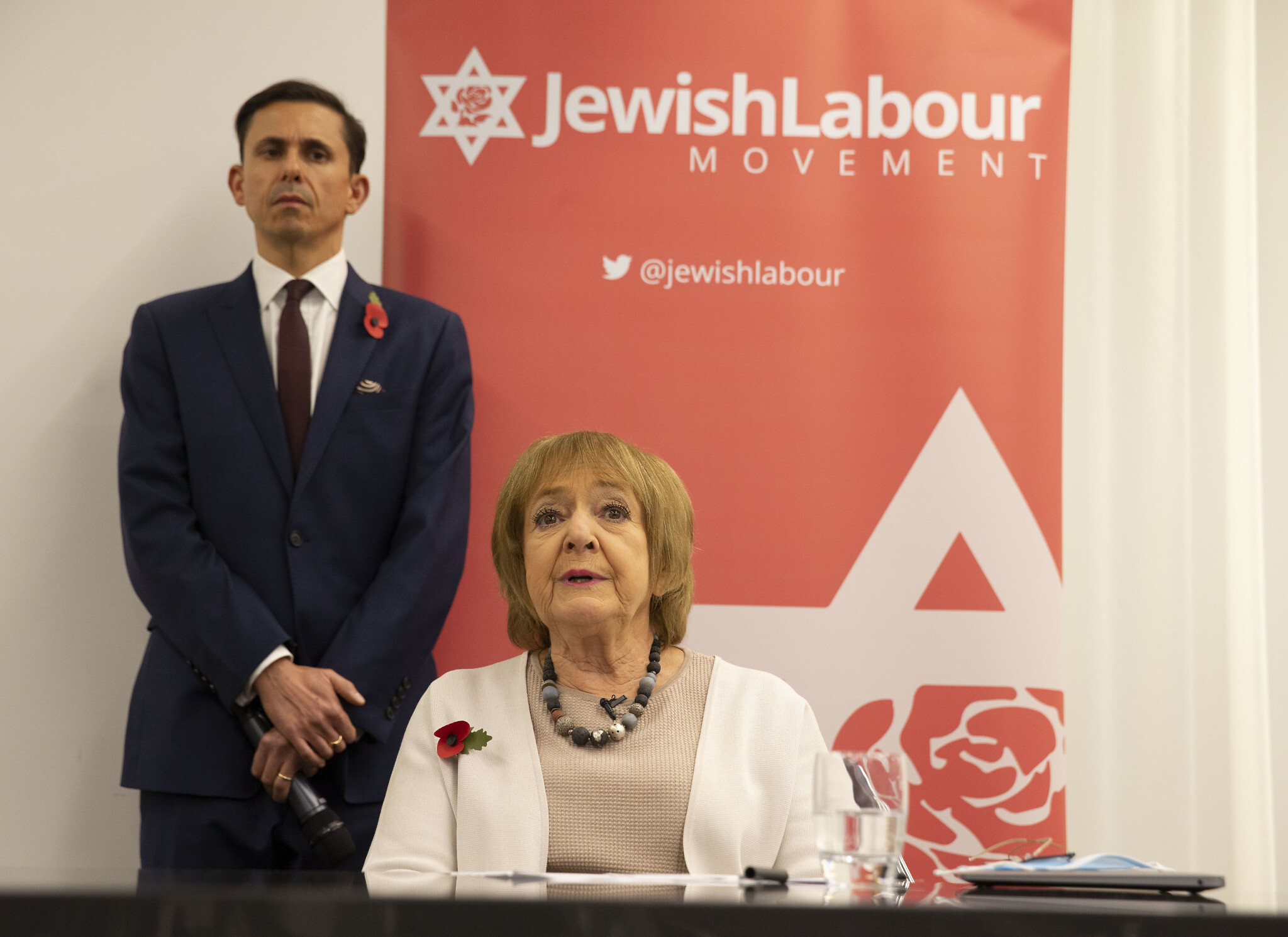
When the Equality and Human Rights Commission (EHRC) published its landmark report into Labour antisemitism in October 2020, Britain was gripped by the Covid pandemic. Lockdown, fear and national crisis dominated every headline; many simply didn’t have the space to recognise the significance of what had happened. Five years on, we should not allow that moment to fade.
We know how deep the rot ran. As leaders of the Jewish Labour Movement at the time, we compiled and submitted much of the evidence that led to the EHRC investigation. We saw how antisemitism – both in rhetoric and behaviour – was normalised and defended in the party most Jews traditionally called their political home. Jewish members who raised concerns were dismissed as troublemakers. Trust collapsed. People left the party in despair. Some will never forgive the party for what happened – we understand that.
The EHRC’s findings were clear. It concluded that Labour had committed unlawful acts of harassment and discrimination against Jewish members because of serious failings in leadership and complaints handling. It also found unlawful political interference in cases, and a culture unfit to protect those targeted.
The Commission reviewed a random sample of 70 complaints — just a fraction of the total. In its own words:
“We found that the Labour Party is legally responsible for the harassment evidenced in two of the 70 complaint files.”


But it stressed this was not the full story:
“…in many more files, evidence of antisemitic conduct by an ‘ordinary’ member of the Labour Party. These members did not hold any office or role, therefore the Labour Party could not be held directly responsible…”
29% of the sample either met or nearly met the threshold for unlawful harassment — and yet, even that was merely “the tip of the iceberg” according to the report.
This harmed Jewish Labour members and the wider community profoundly. But it also harmed a central claim of the Labour movement: that we are a force against racism, not a vehicle for it.
To his immense credit, Keir Starmer made confronting this crisis a first priority of his leadership. We need to be honest that at first some of us were not entirely convinced. The Party accepted the findings, introduced an EHRC Action Plan and overhauled its disciplinary systems. Keir further demonstrated his commitment through actions – including the suspension of Jeremy Corbyn and responding robustly to Rebecca Long-Bailey sharing an antisemitic conspiracy theory. There is more professionalism, more independence, and a crystal-clear message that antisemitism is not welcome in Labour.
The Party is in a far better place today than when the EHRC intervened. If Jewish support for Labour had recovered at the election (and every piece of research demonstrates that to be the case), that is no accident — it is the result of deliberate, determined change.
But even five years on, the job is not done, nor will it ever be. Political parties of the centre left and centre right must always be vigilant in monitoring their own borders – extremes on each flank at points will seek to infiltrate political parties, and only strong leadership and understanding of that threat will stop history from repeating itself.
Culture does not heal on the timetable of leadership change. We still hear from Jewish members who face minimisation or denial in their local parties. But today it is minimal and no greater than in other parties.
While Labour rightly faced accountability, other political parties and member organisations must not look away smugly. The EHRC has now set a legal benchmark: if your institution tolerates conduct that could reasonably constitute harassment or discrimination, you may be held responsible for it. If you are part of an organisation where complaints about prejudice — whether antisemitism, Islamophobia, racism, misogyny or any other form of hate — are ignored, minimised or habitually brushed aside, you should know this:
The precedent set in Labour can be used elsewhere.
Victims and allies should consider invoking the hard-fought findings from Labour’s case to demand better in other parts of our society. There is now a clear route to accountability. That matters.
Labour has travelled far in five years — further than many thought possible. But the lesson of this period is that even a mainstream political party can lose its moral bearings with alarming speed.
Our hope has been that Labour’s recovery becomes a model for others: a demonstration that repairing trust with a minority is possible, and that the country at large rejects extremist politics and antisemitism.
Adam Langleben is Executive Director of Progressive Britain and a former National Secretary of the Jewish Labour Movement
Peter Mason is the Leader of Ealing Council and a former National Secretary of the Jewish Labour Movement.

Keep community journalism free.
Jewish News is free for everyone. No paywall. No barriers. Just trusted journalism for anyone who wants to stay connected to Jewish life in Britain.
If you value that, please support us.
From as little as £5 a month, you can help keep our journalism free and accessible to all.
Every day, we report on the issues that matter to our community. We celebrate achievements, support charities, challenge antisemitism and ensure Jewish voices are heard more widely.
From as little as £5 a month, you can help us continue to:
- Report on the stories shaping Jewish life in the UK and beyond
- Bring our community together through shared stories, events and campaigns
- Celebrate the people, culture and moments that define our community
- Support organisations doing vital work across Jewish Britain
You can make a one-off donation or become a regular supporter. Every contribution helps keep our journalism free, independent and accessible to all.
If everyone who values Jewish News gave a small amount, it would make a real difference to our future.